1. When everything collapsed
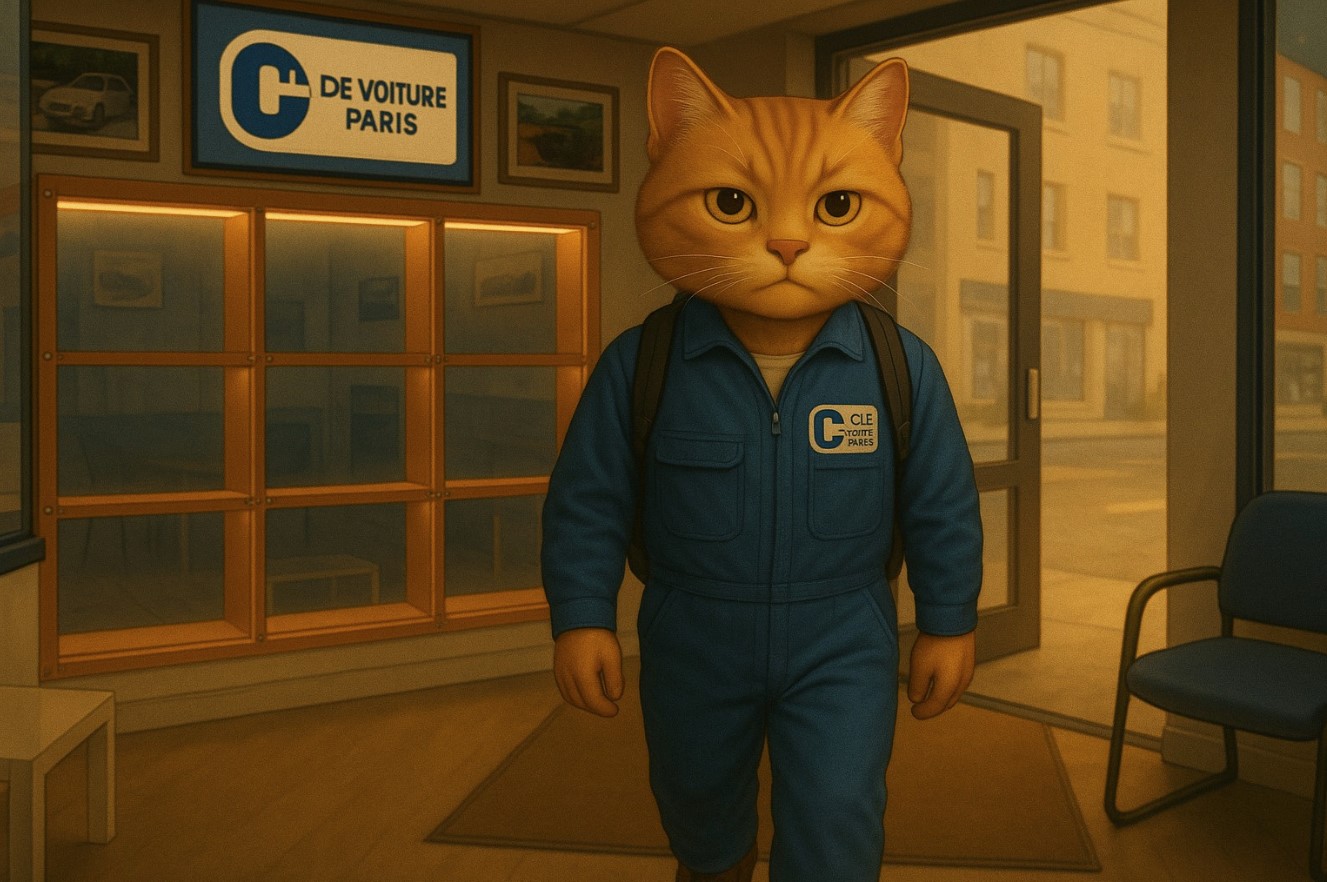
One day, everything stopped at once.
My company was gone,
my bearings too.
I thought I had lost everything —
I did not yet know
that a silent system
was watching over me,
here, in Paris.
One day, everything stopped at once.
My company was gone,
my bearings too.
I thought I had lost everything —
I did not yet know
that a silent system
was watching over me,
here, in Paris.
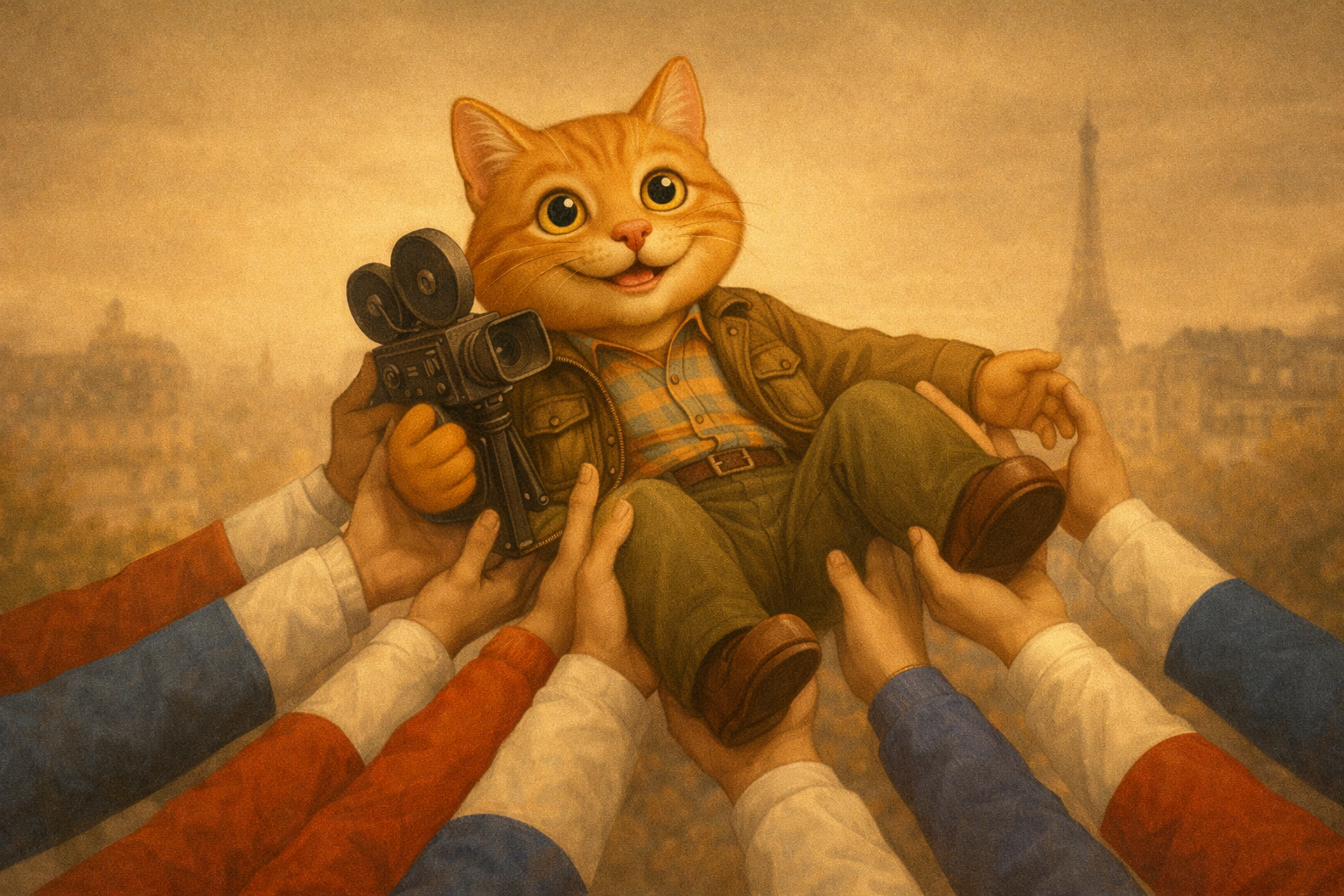
These are not visible heroes,
but safety nets, social schemes,
people I may never meet.
Quietly, Paris and France
prevented my total fall
and helped me back up.
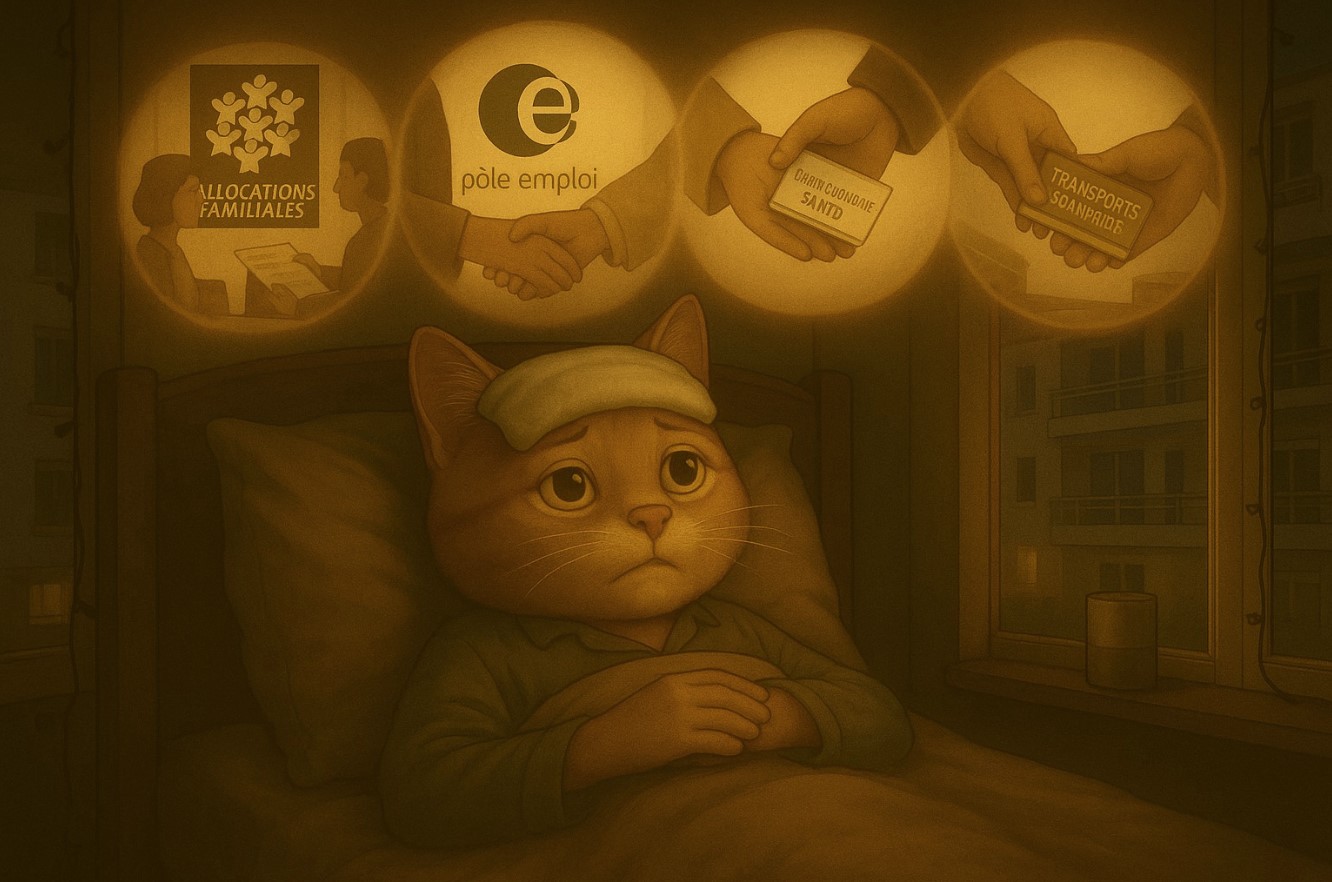
Feverish, alone,
Ten thousand kilometres from my hometown,
confined to bed with Covid,
I rewatch the film of my life:
years of travelling across Europe,
a few fleeting successes…
Then, from one day to the next, nothing.
In that silence,
I understand:
Paris had never left me.
I made a promise:
if I recover, I will be useful — in Paris.
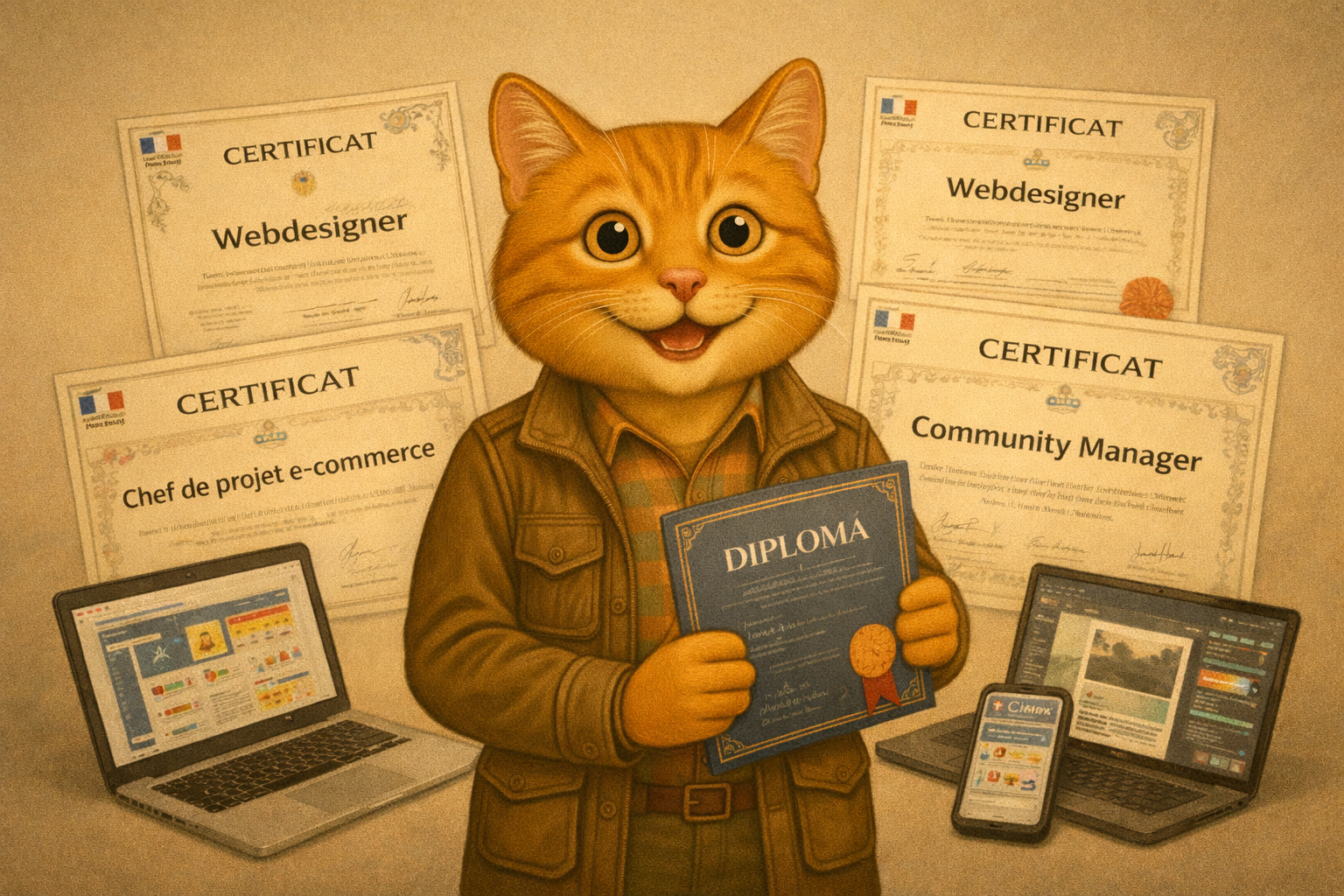
The French state financed my trainings.
That helping hand did more
than change my daily life:
it allowed a unique fraternal project,
“Paris T’Aime”, to be born.
The diplomas became
the pieces of the vessel:
To thank Paris,
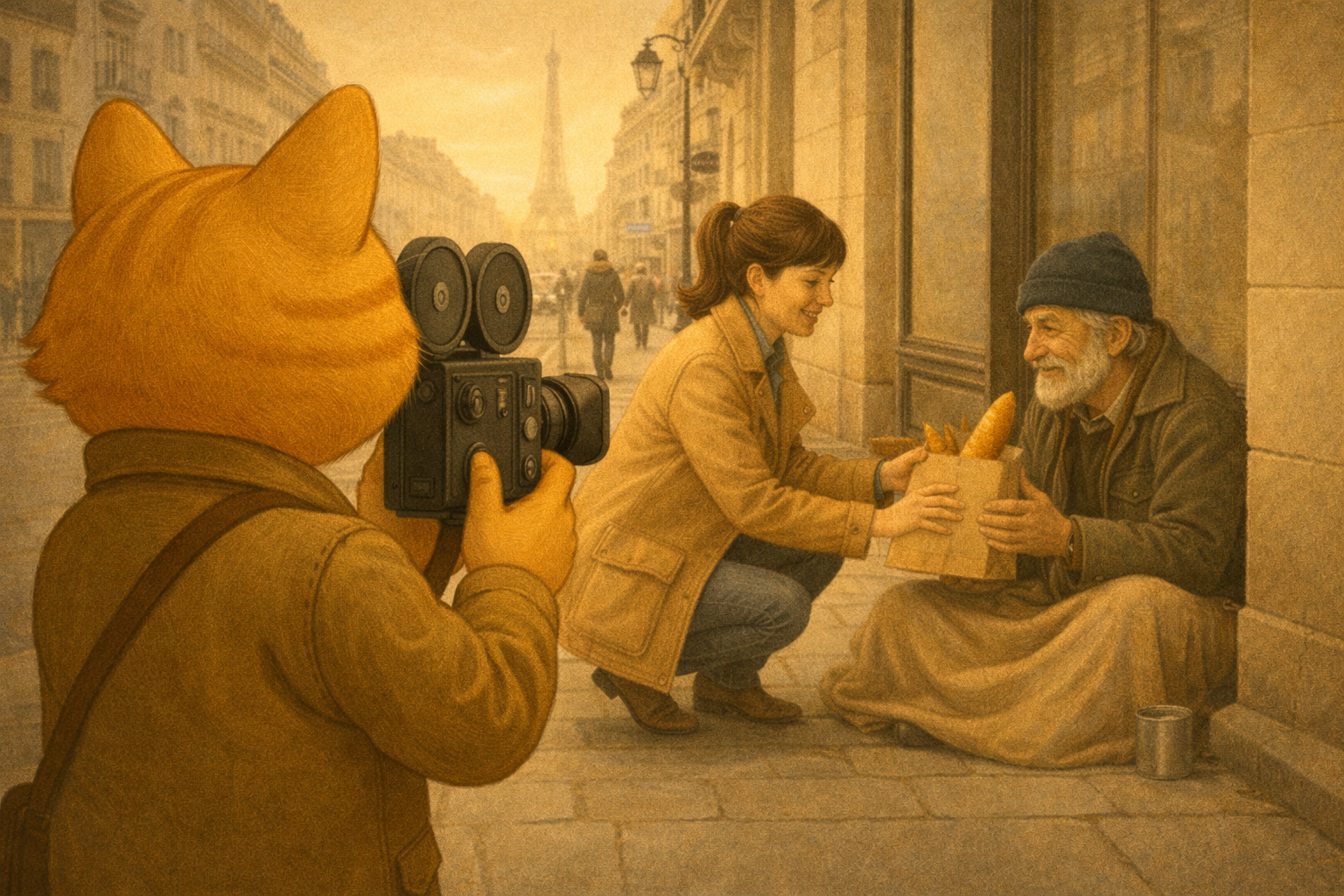
I began my pilgrimage of kindness.
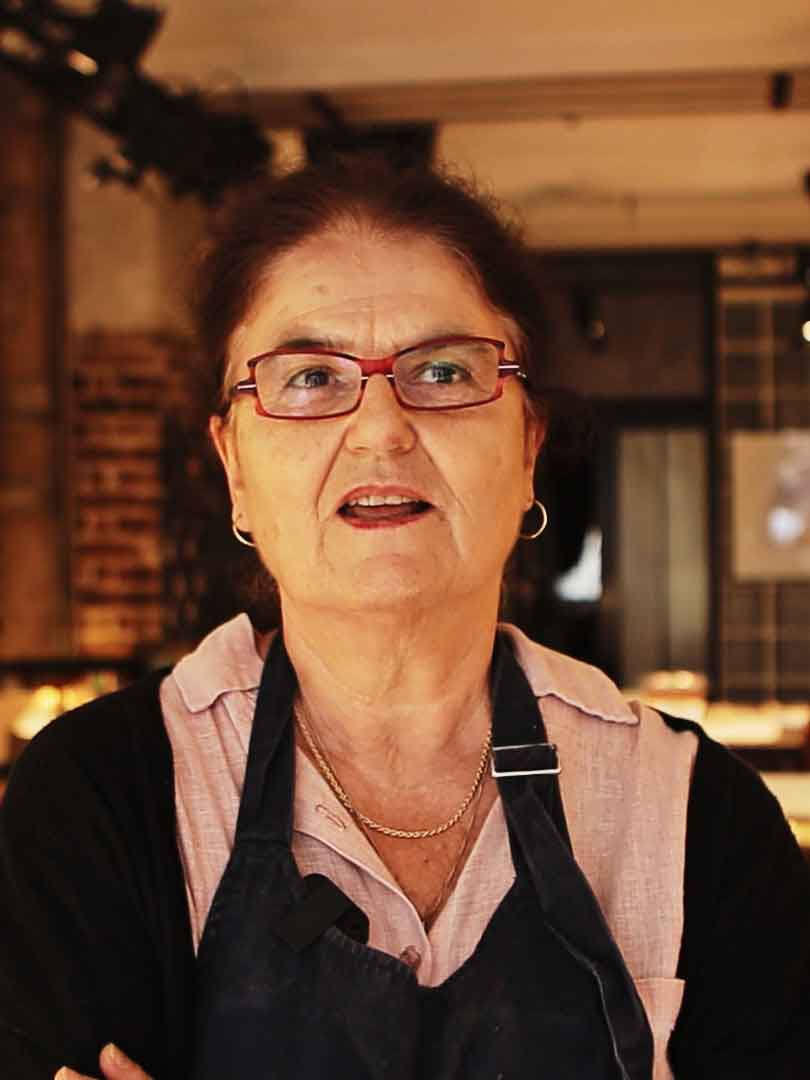
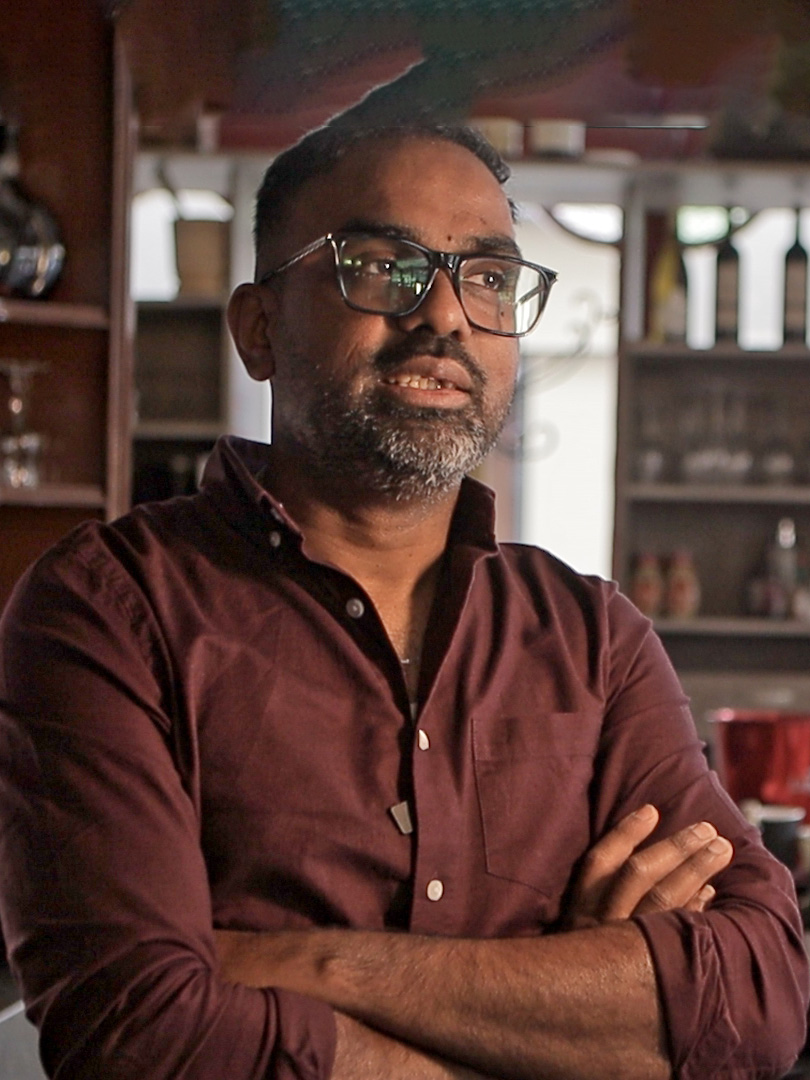
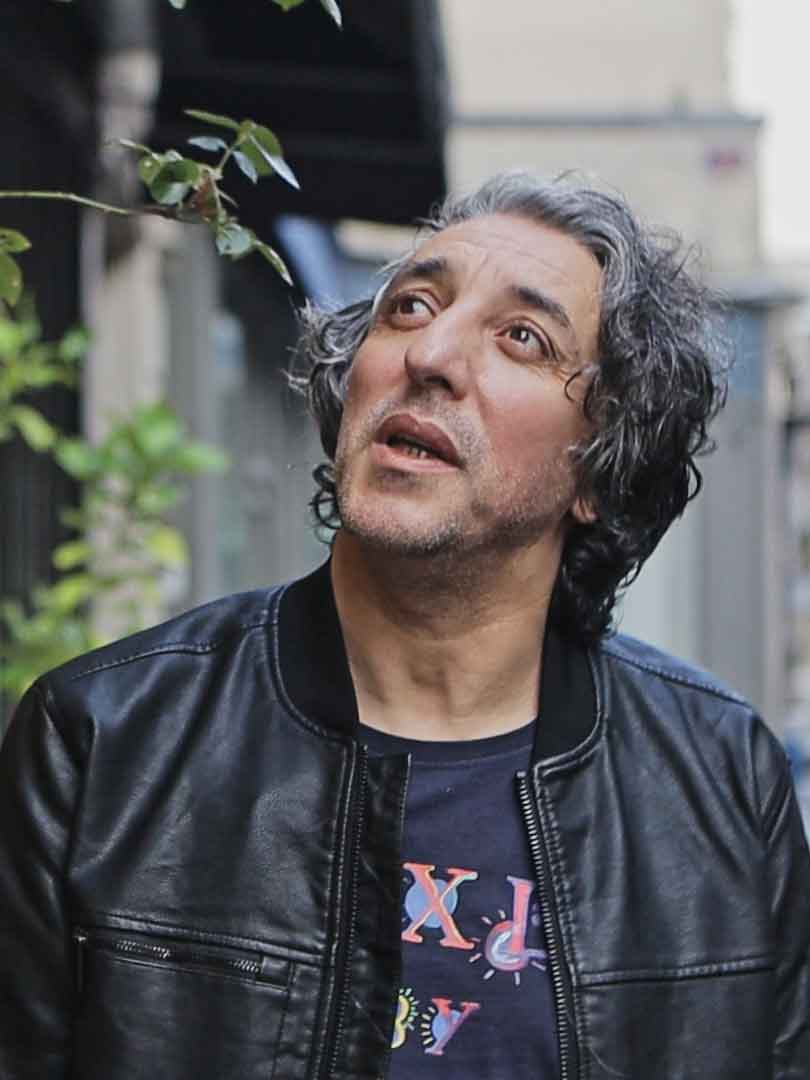
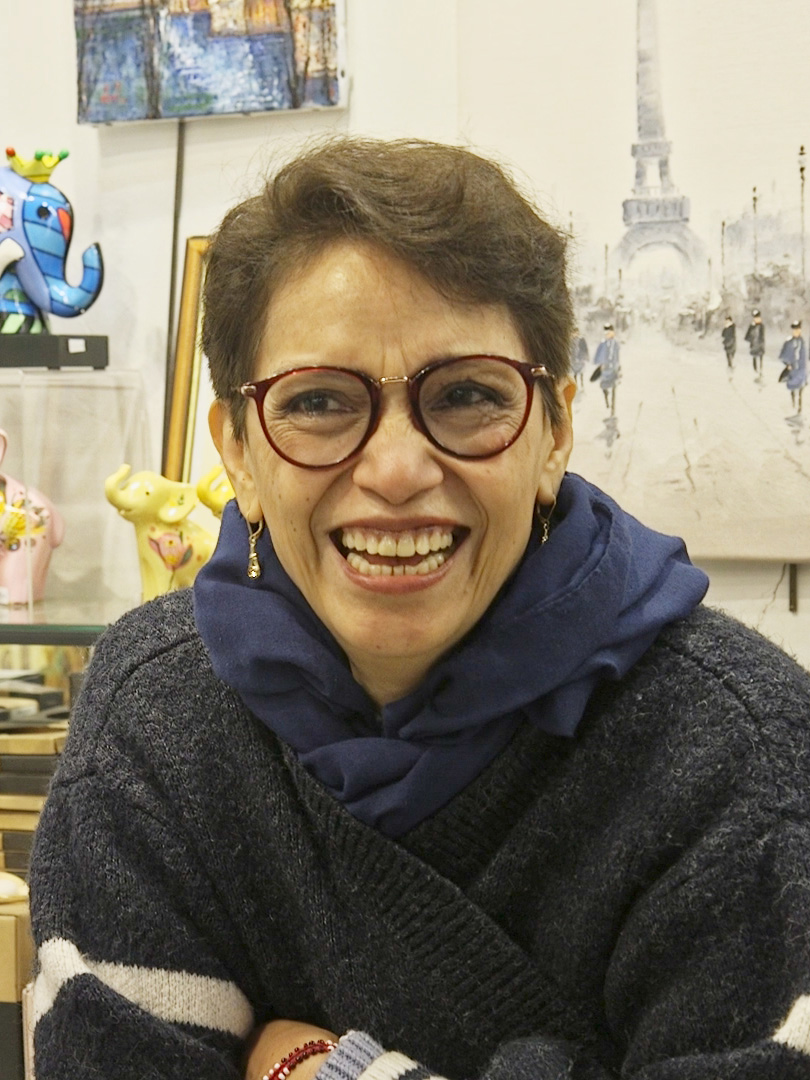
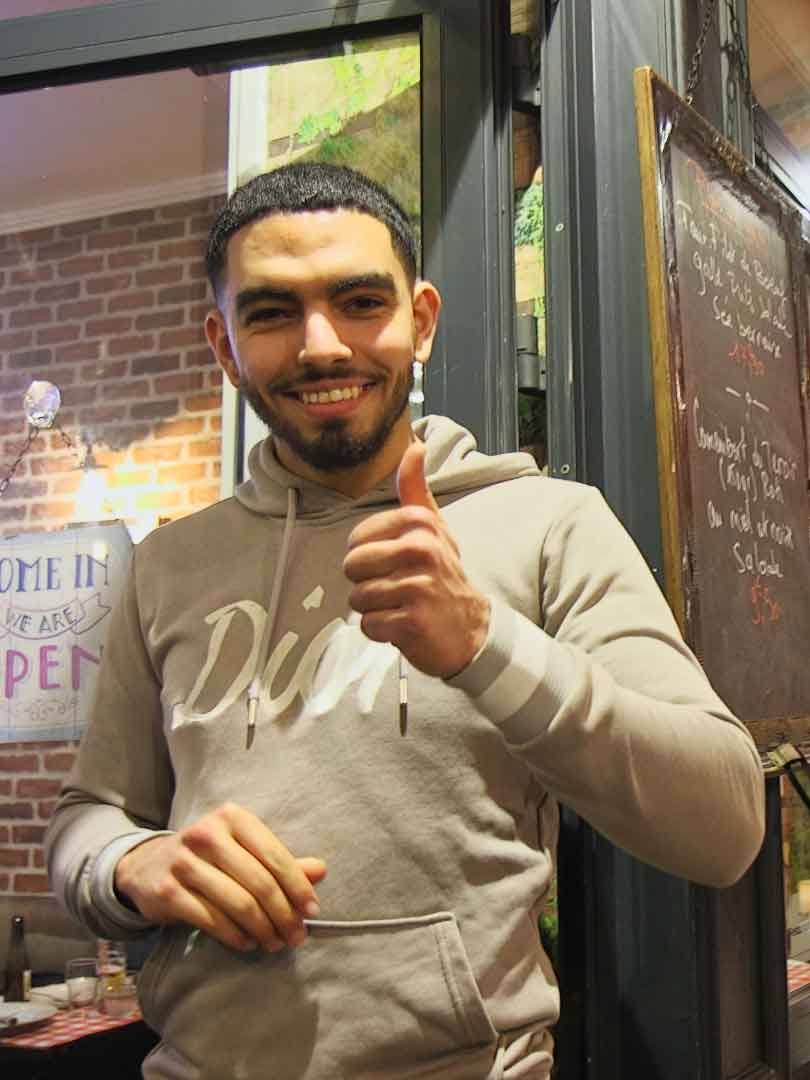
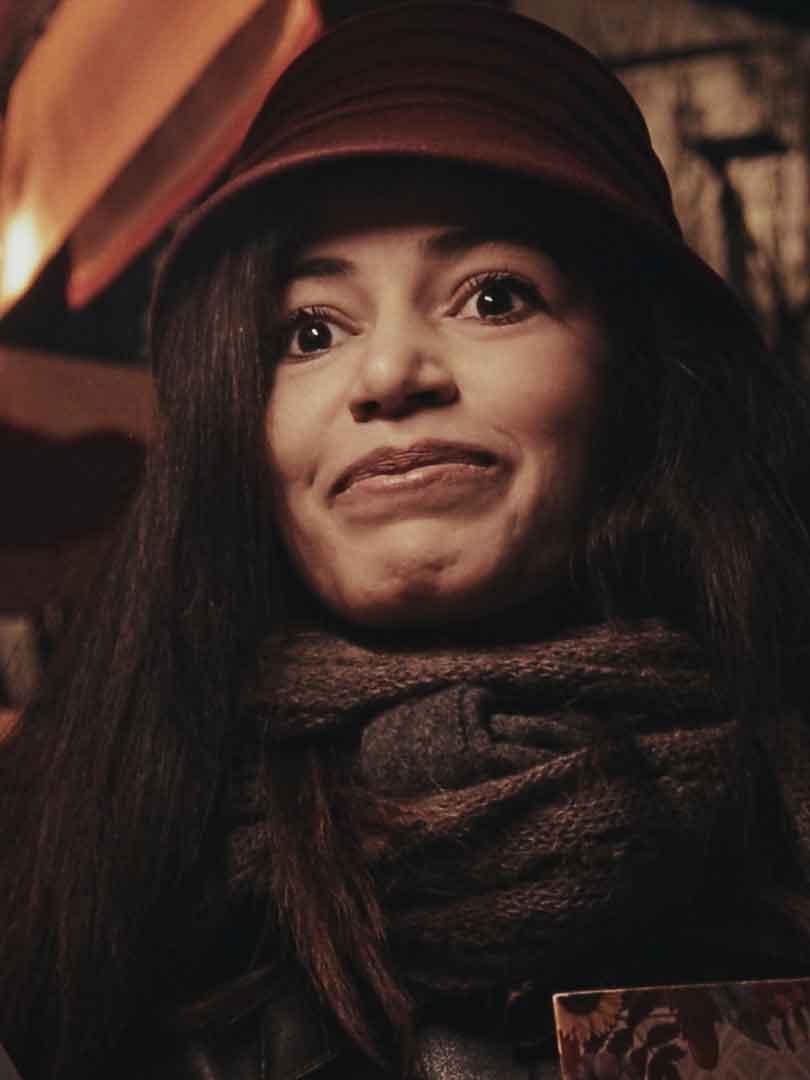
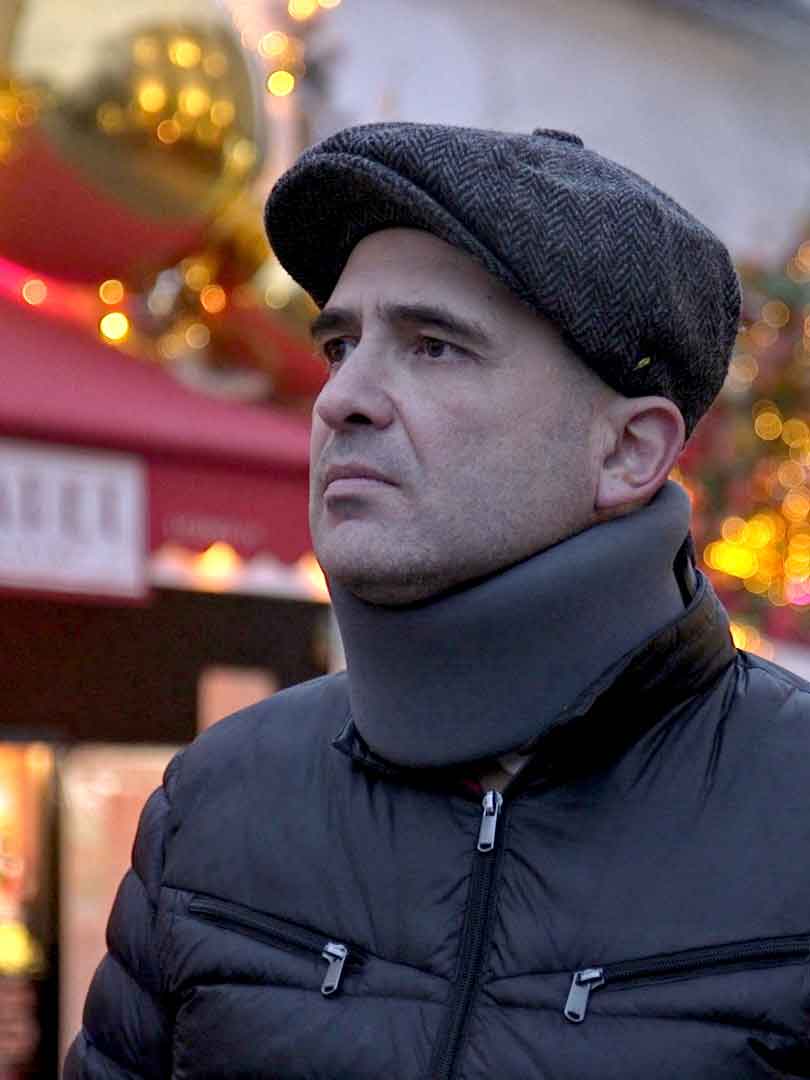
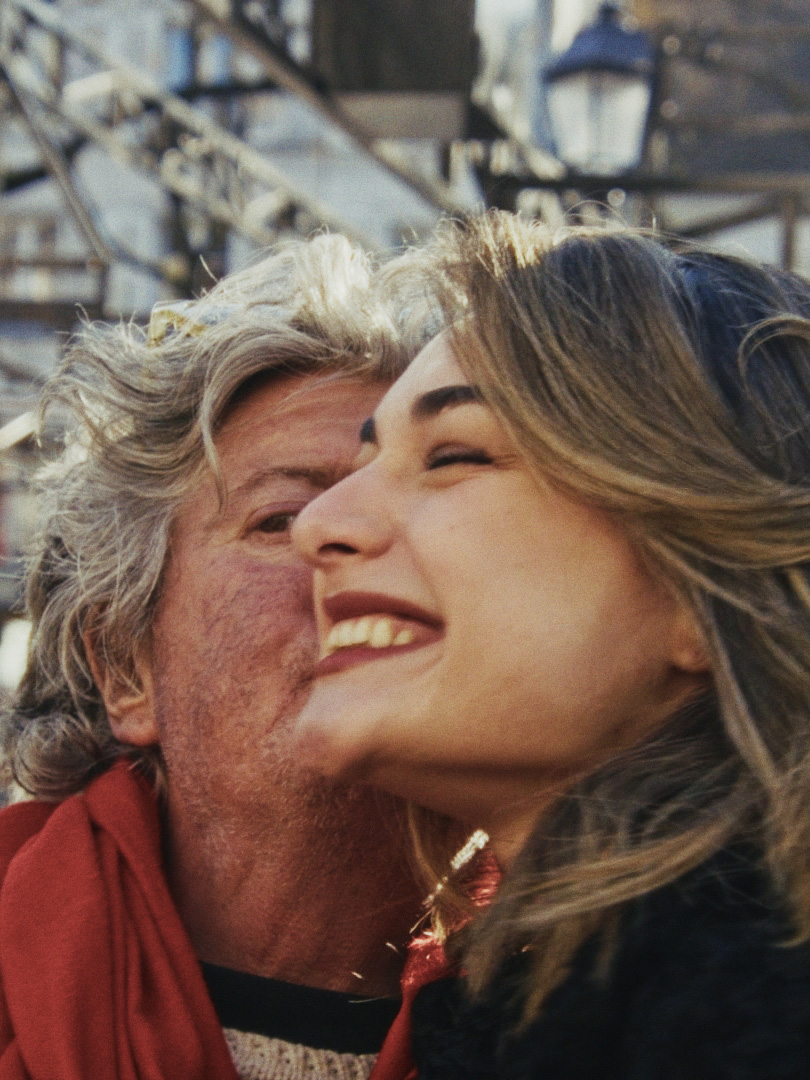
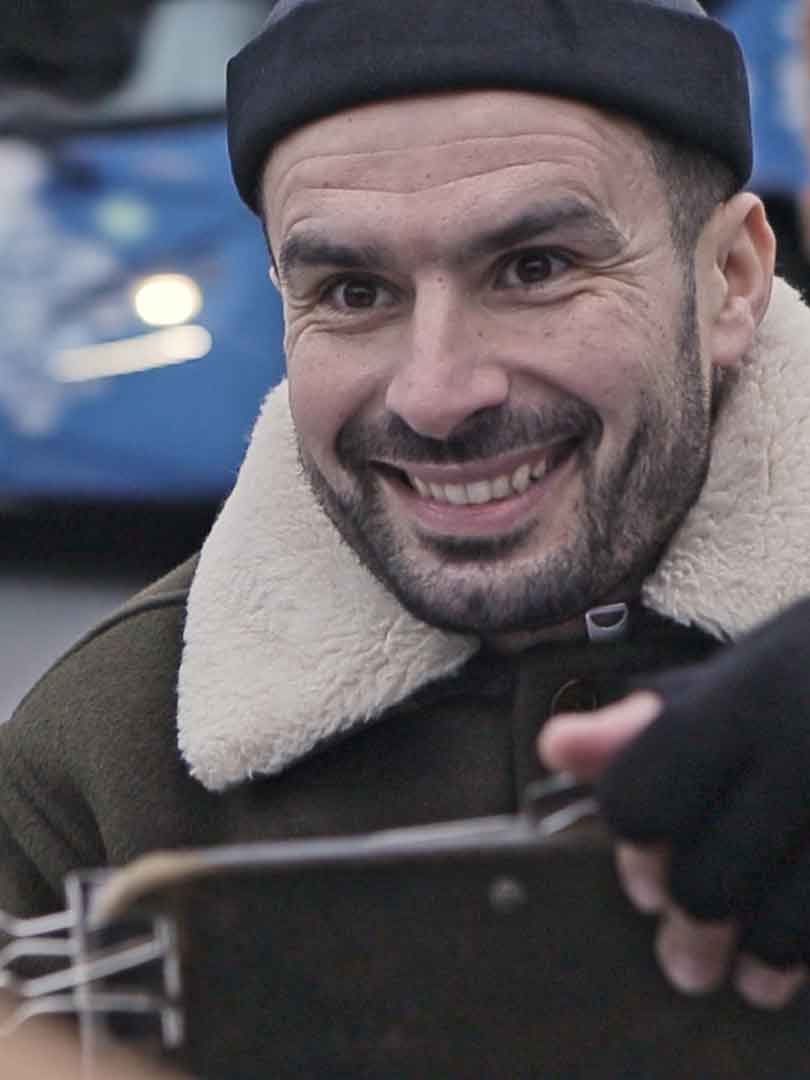
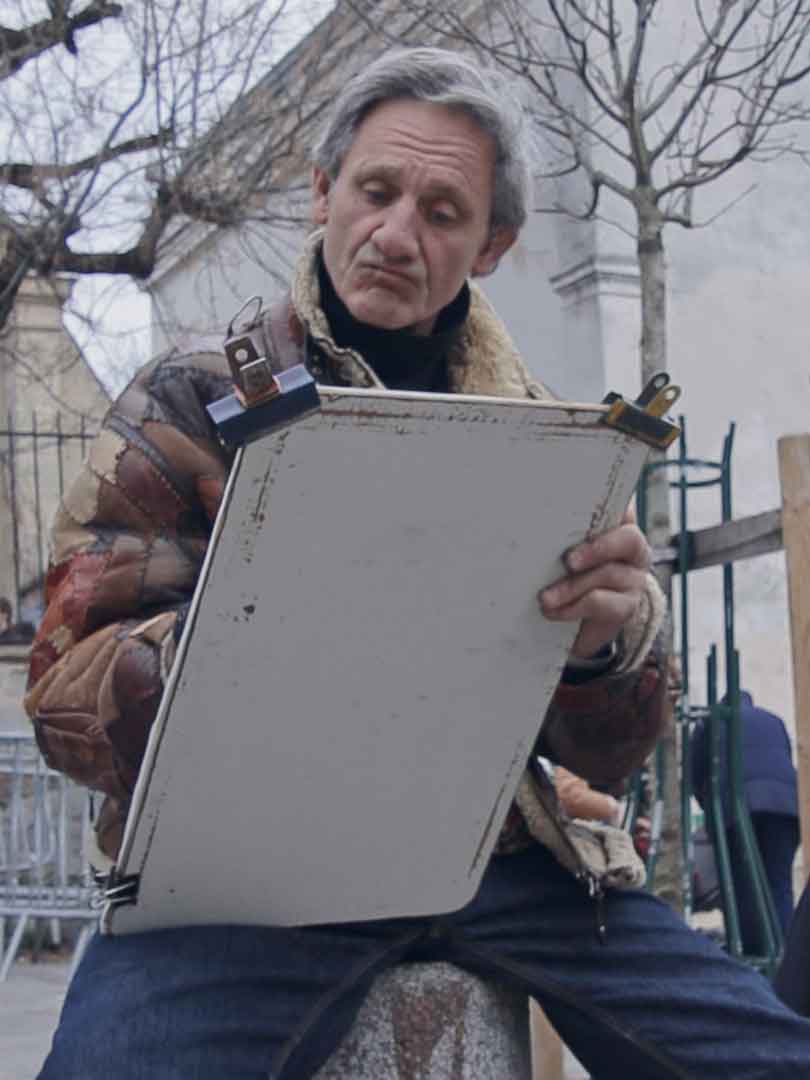
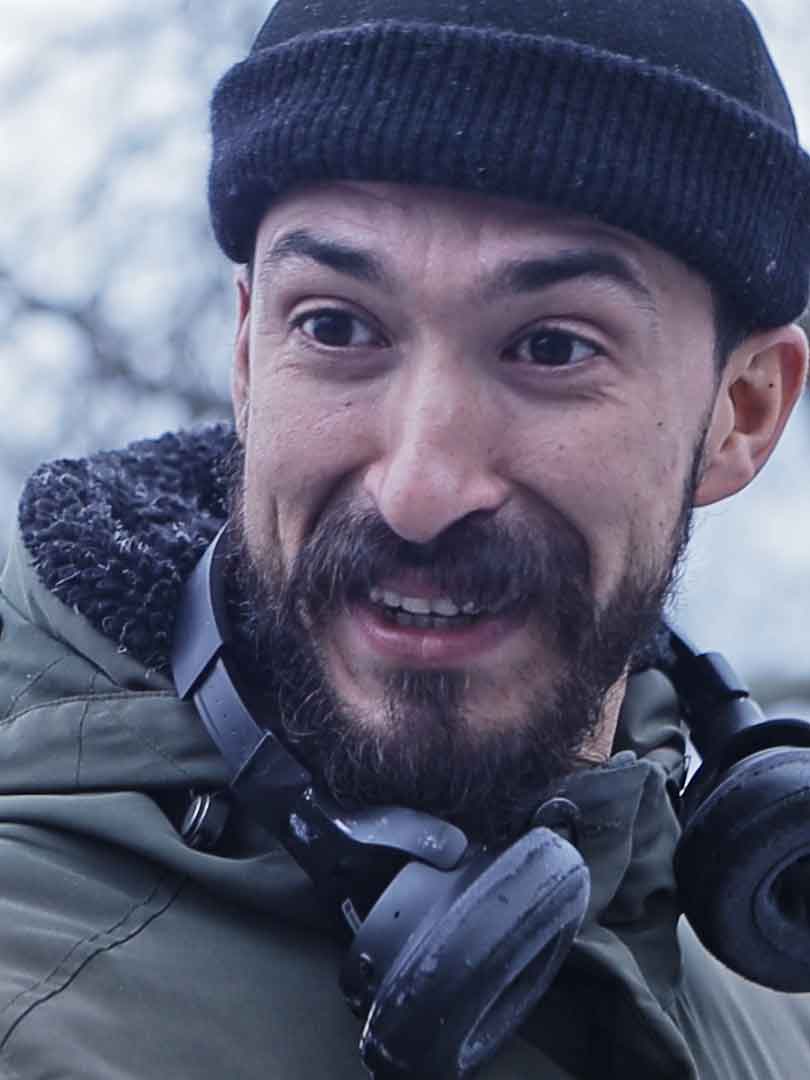
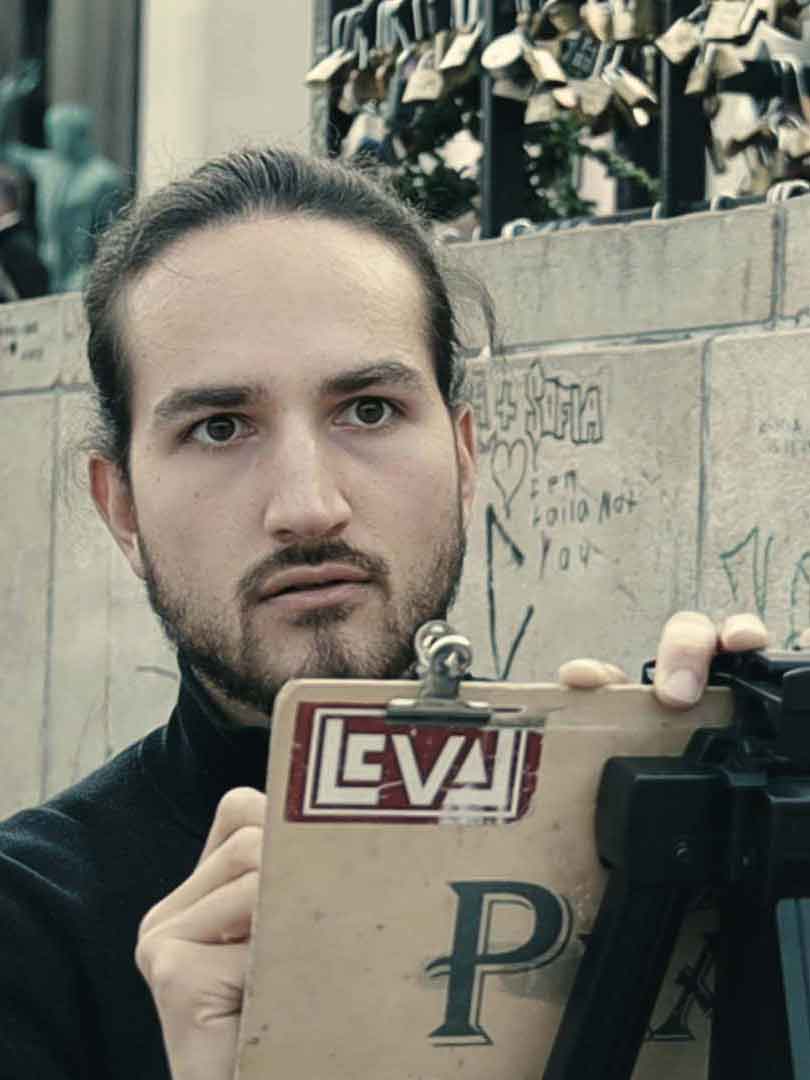
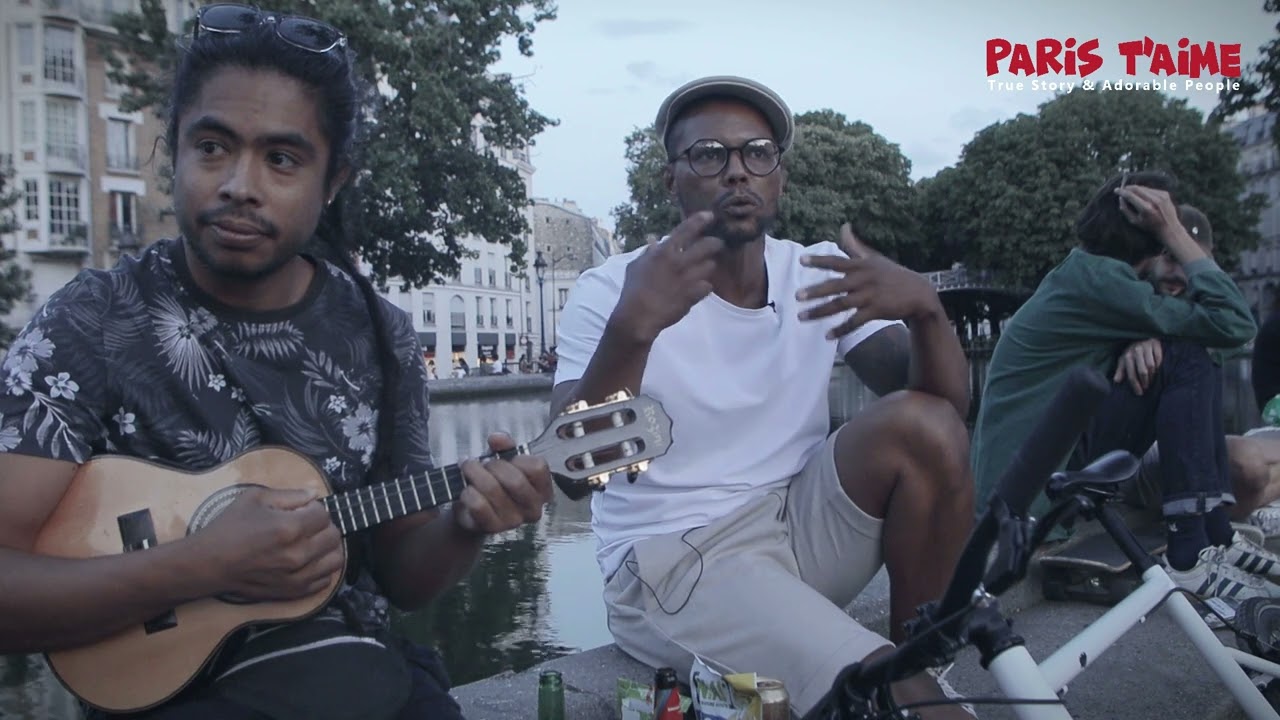
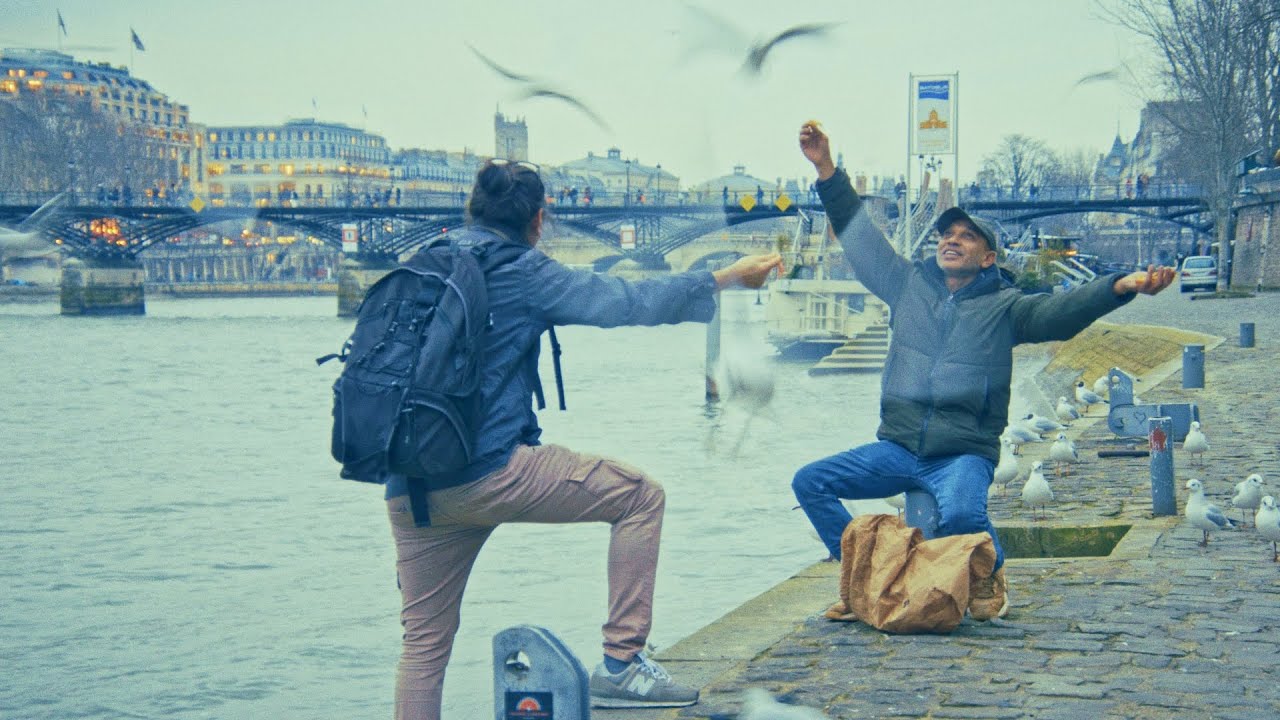
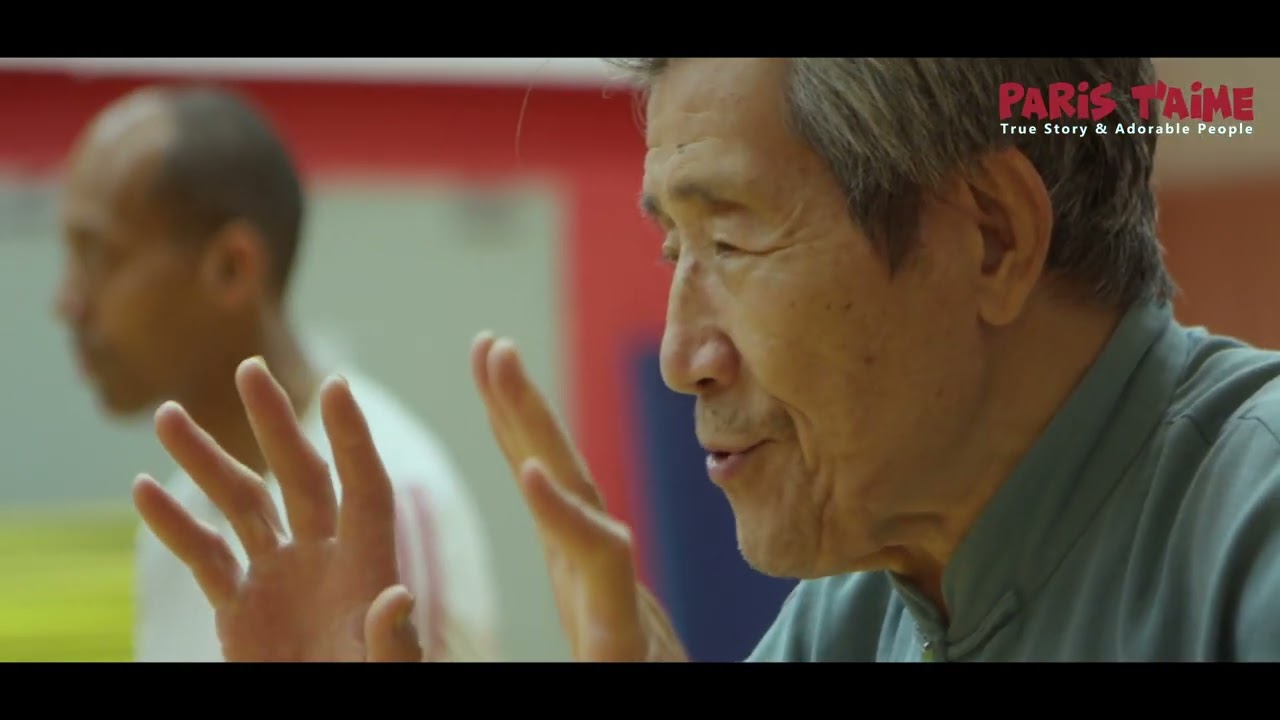
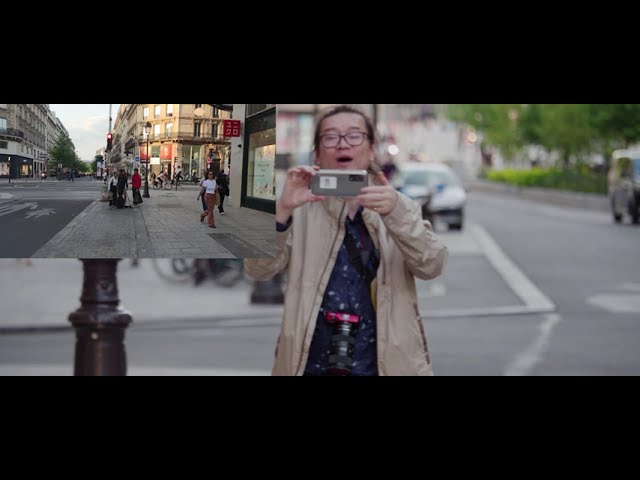
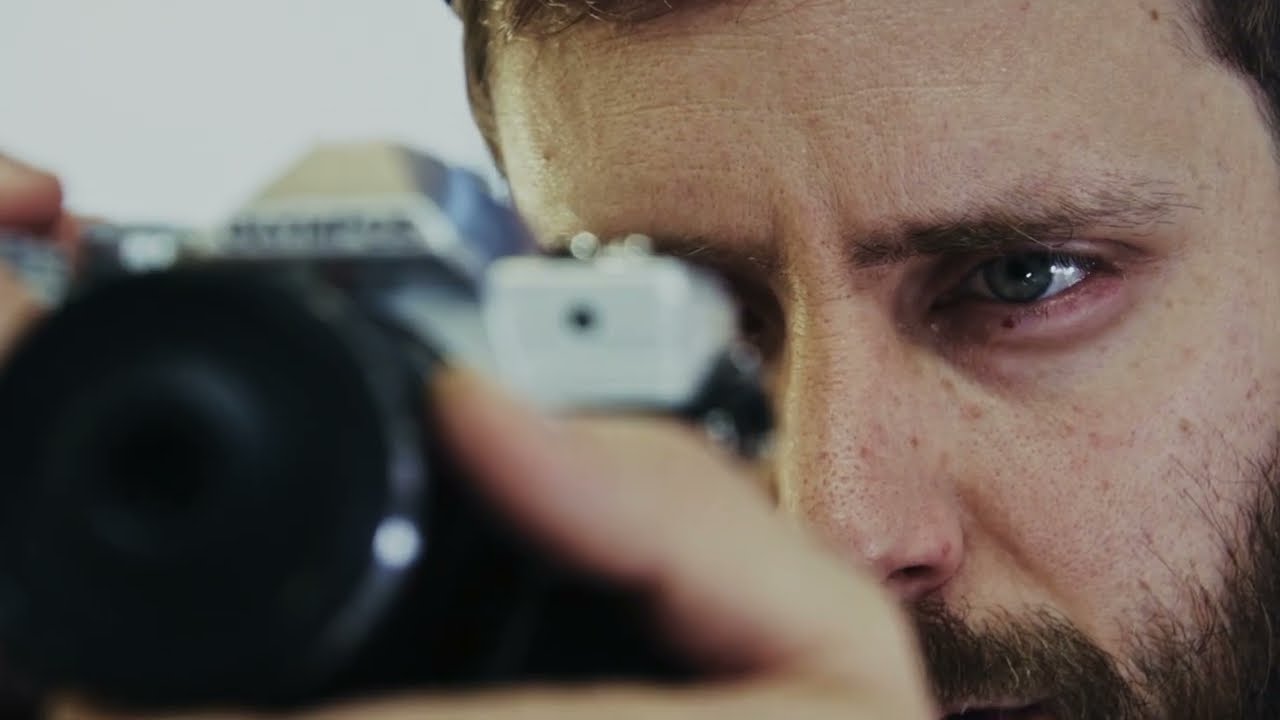
Camera in hand,
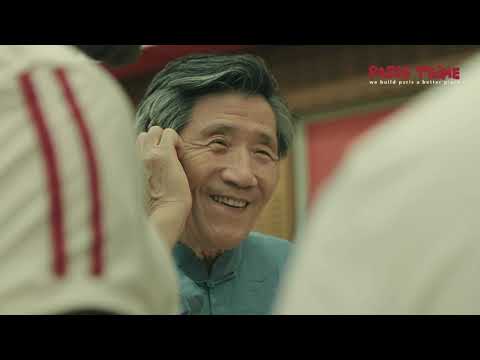
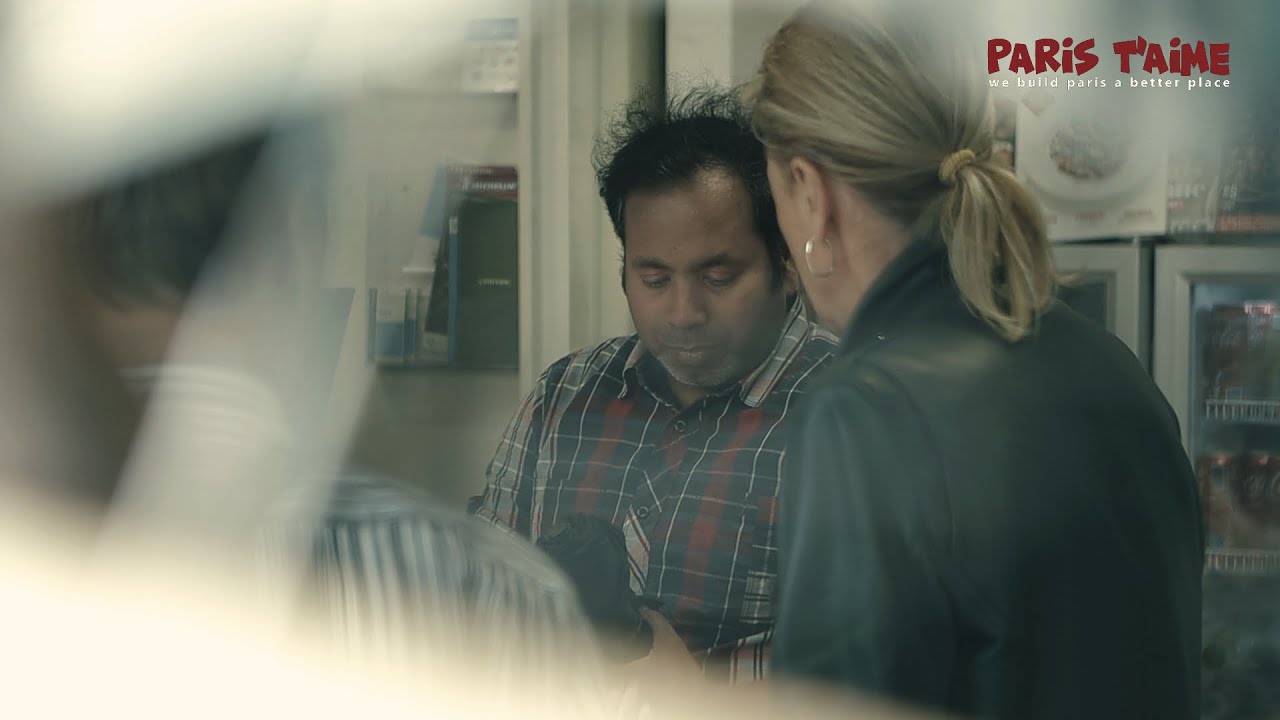
I glean invisible acts of goodness,
smiles,
filmed proofs of fraternity,
street after street.
There, I discovered some
of the most beautiful images of human beings.
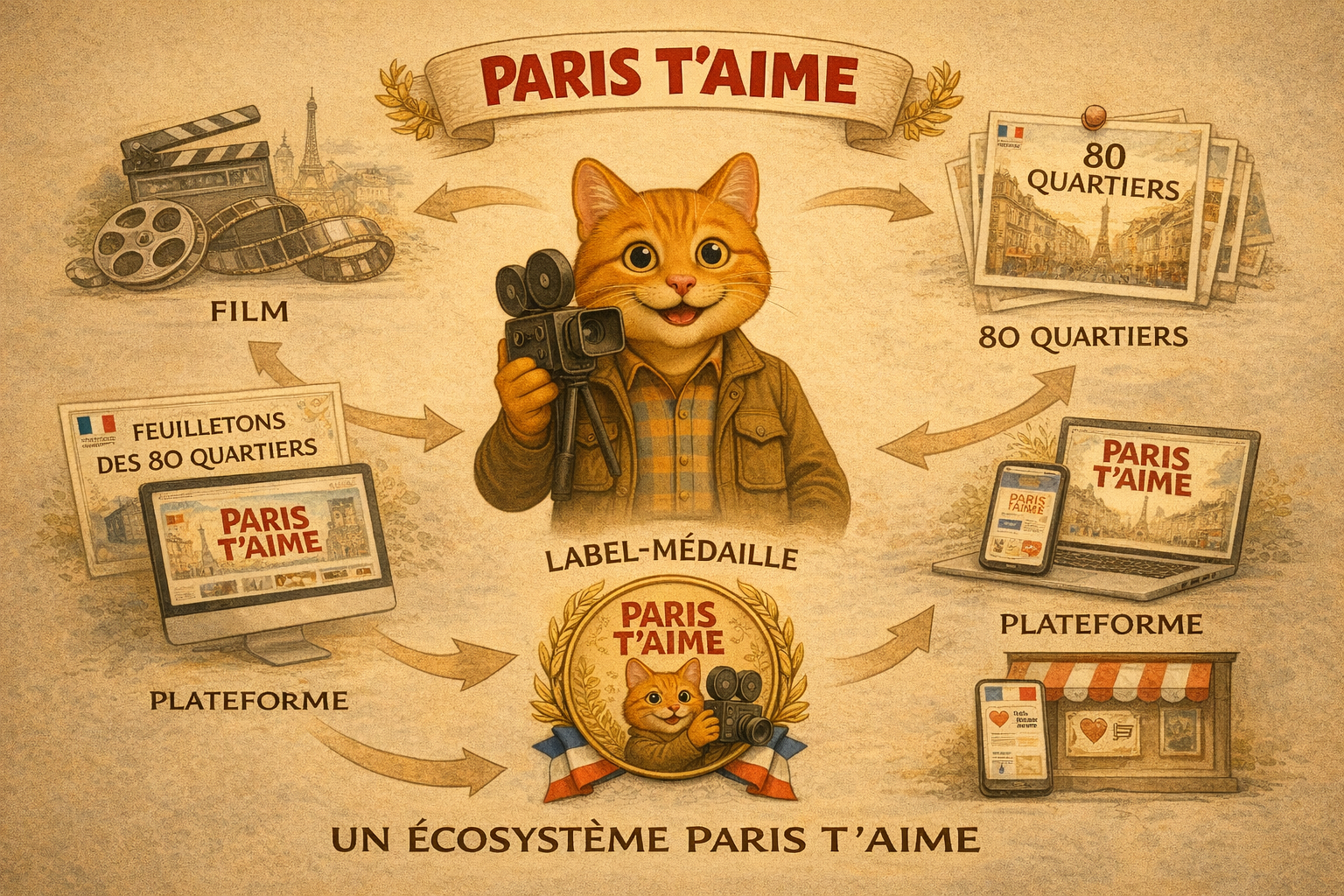
Little by little, these images
came together into a living ecosystem.
A human and social cinema
celebrating 240 years of Fraternity,
carrying a single name: “Paris T’Aime”.
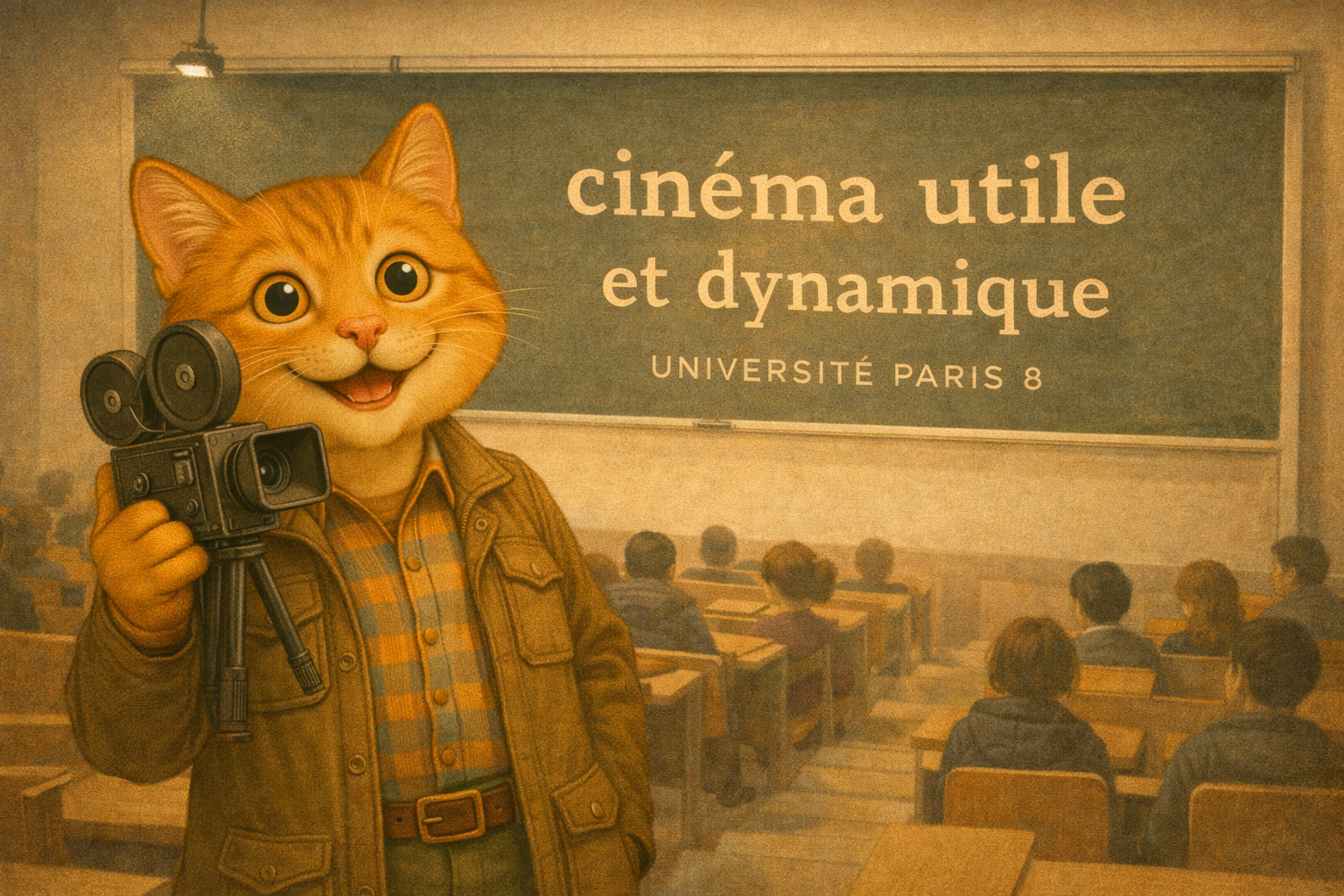
At Paris 8,
I find the engine of the vessel:
useful and dynamic cinema.
There I understand that these images
are not just a film,
but a living dispositif.
I register the PARIS T’AIME trademark
to honour and protect
this fraternal project.
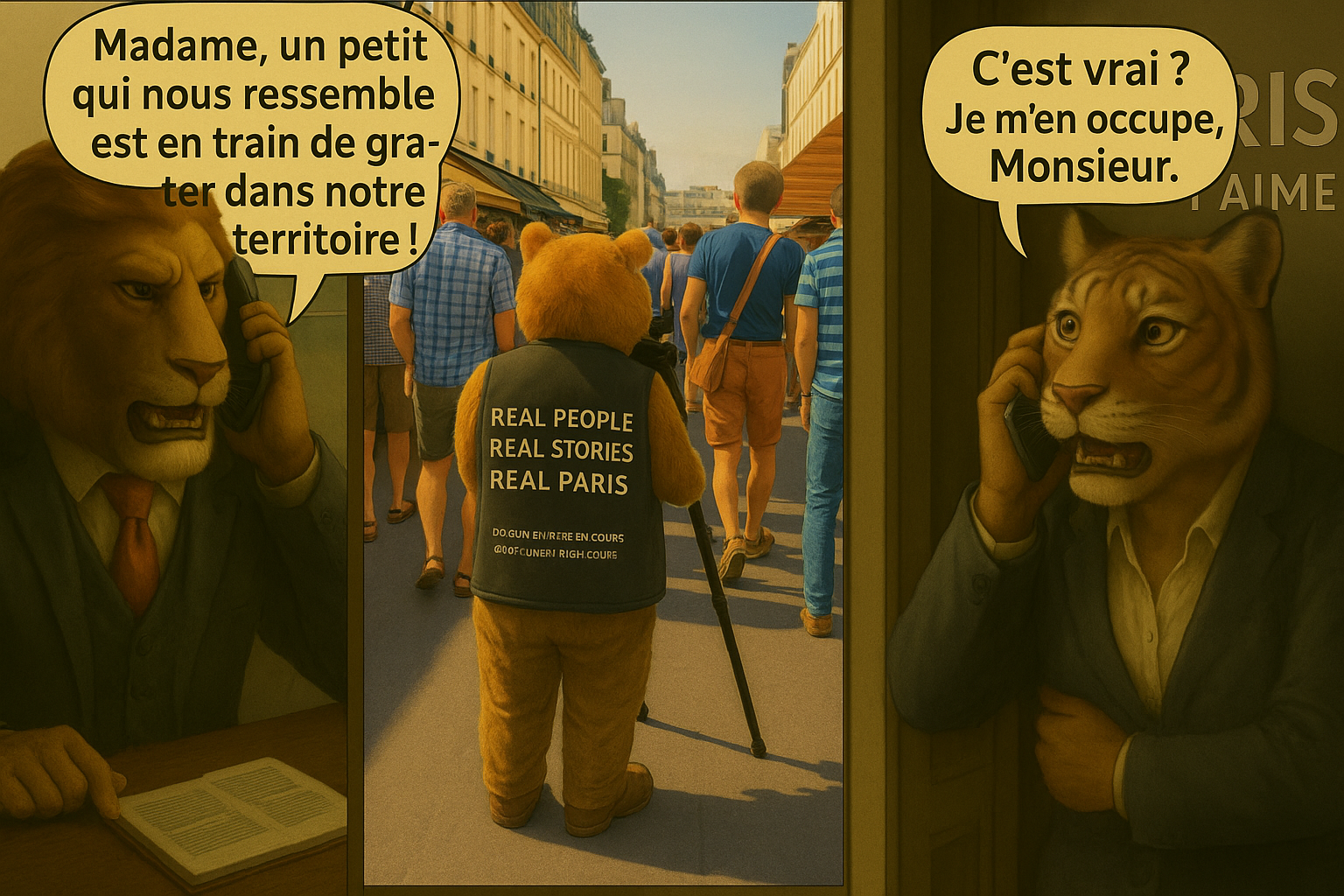
On the very last day
of the official publication of the PARIS T’AIME trademark,
two oppositions fall from the sky.
On one side, I keep filming
ignored proofs of fraternity.
On the other, the right to use this name
for a social project is challenged.
A legal battle begins,
but the camera
does not stop.
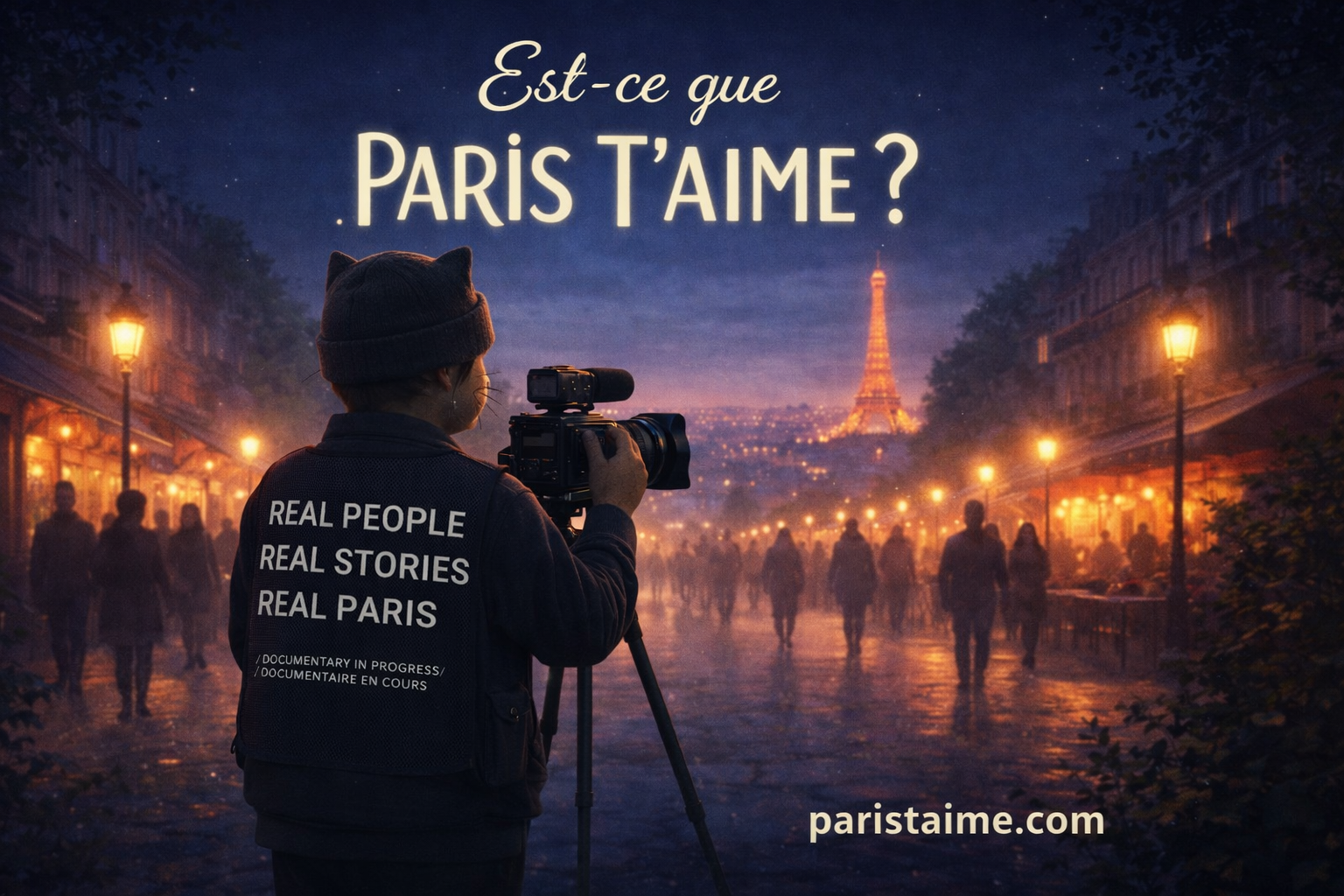
Between 2026 and 2029,
on the streets of Paris,
each shoot becomes
a trial of love.
Shopkeepers, passers-by, residents,
tourists just passing through:
each one leaves a trace of fraternity.
On paristaime.com,
the world discovers another Paris,
discreet and fraternal.
One question returns,
like a refrain:
“Does Paris love you?”
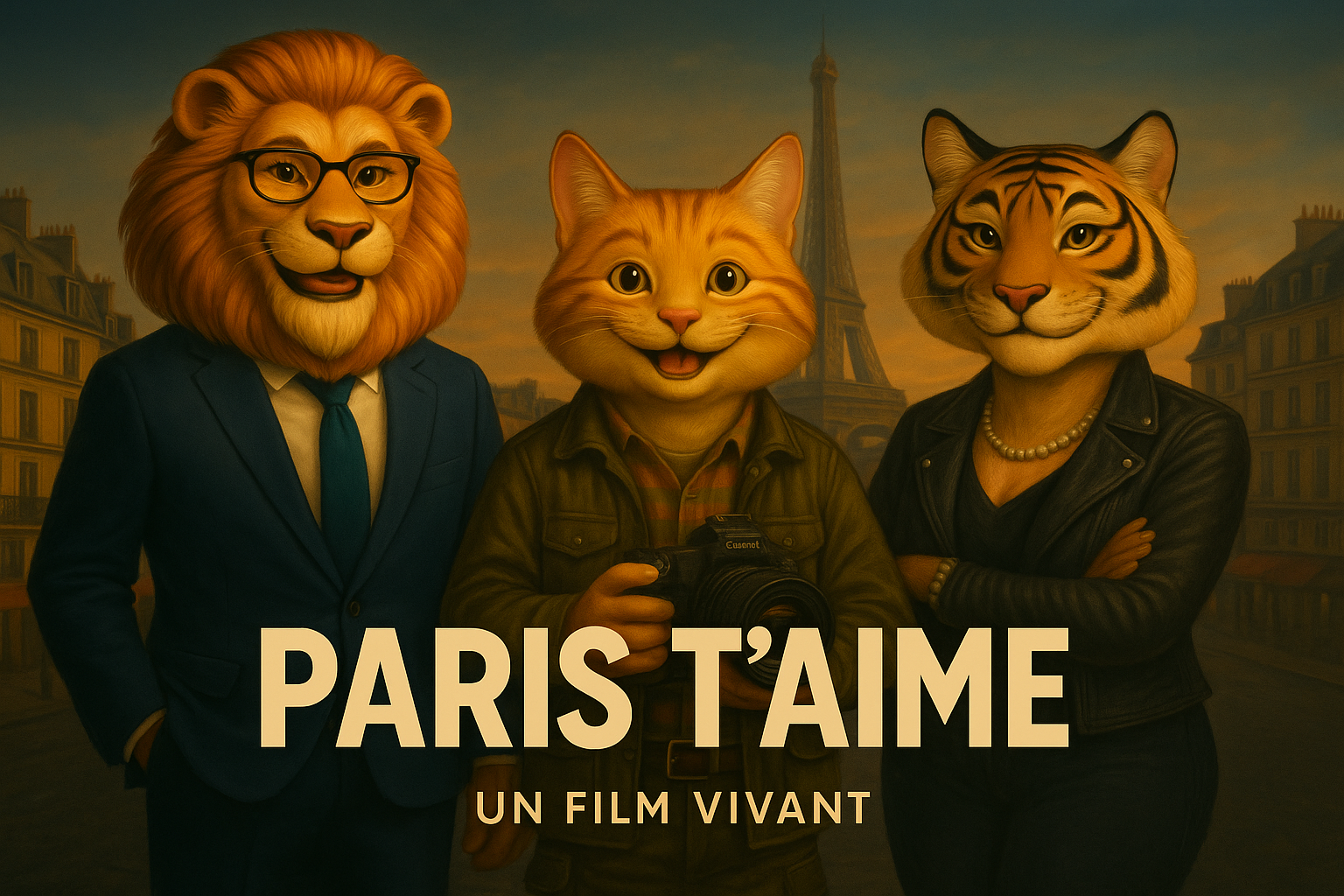
This is where the real story begins.
From 2019 to 2029,
a modern fable unfolds
in the streets of Paris
to prove that fraternity still exists —
and that Paris remains the world capital
of fraternity, 240 years after 1789.
But 2029 is not an ending.
It is a passing of the torch.
After that date,
the images, the filmed proofs
and the Paris T’Aime ecosystem
remain alive,
so that others can go on
growing fraternity.
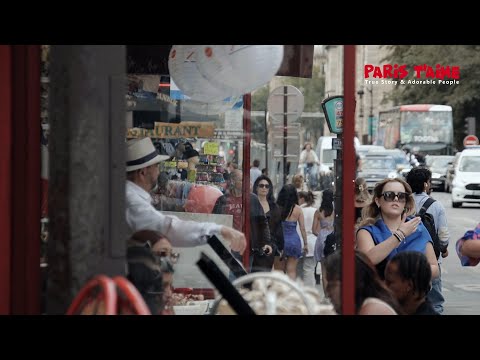
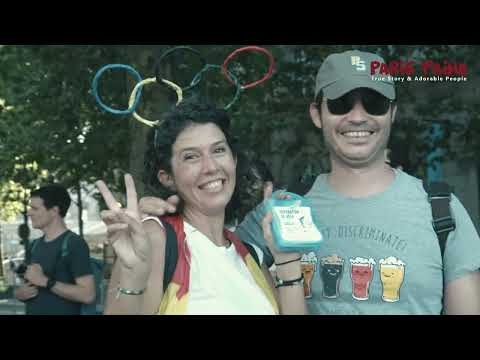
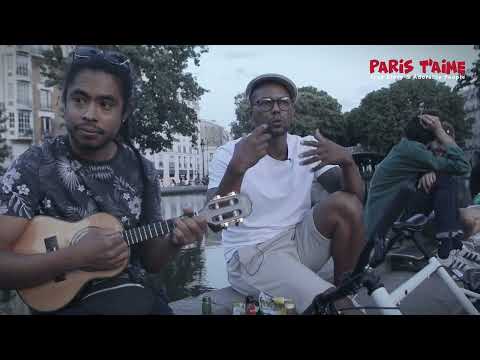
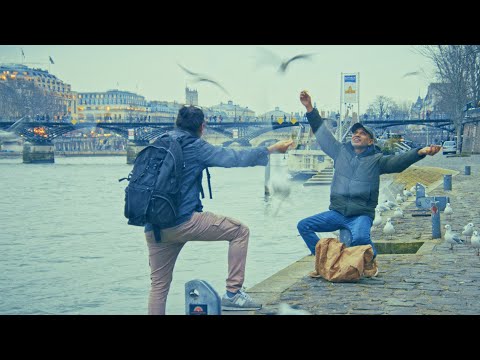
With a camera in hand, I glean gestures of kindness in the streets of Paris.
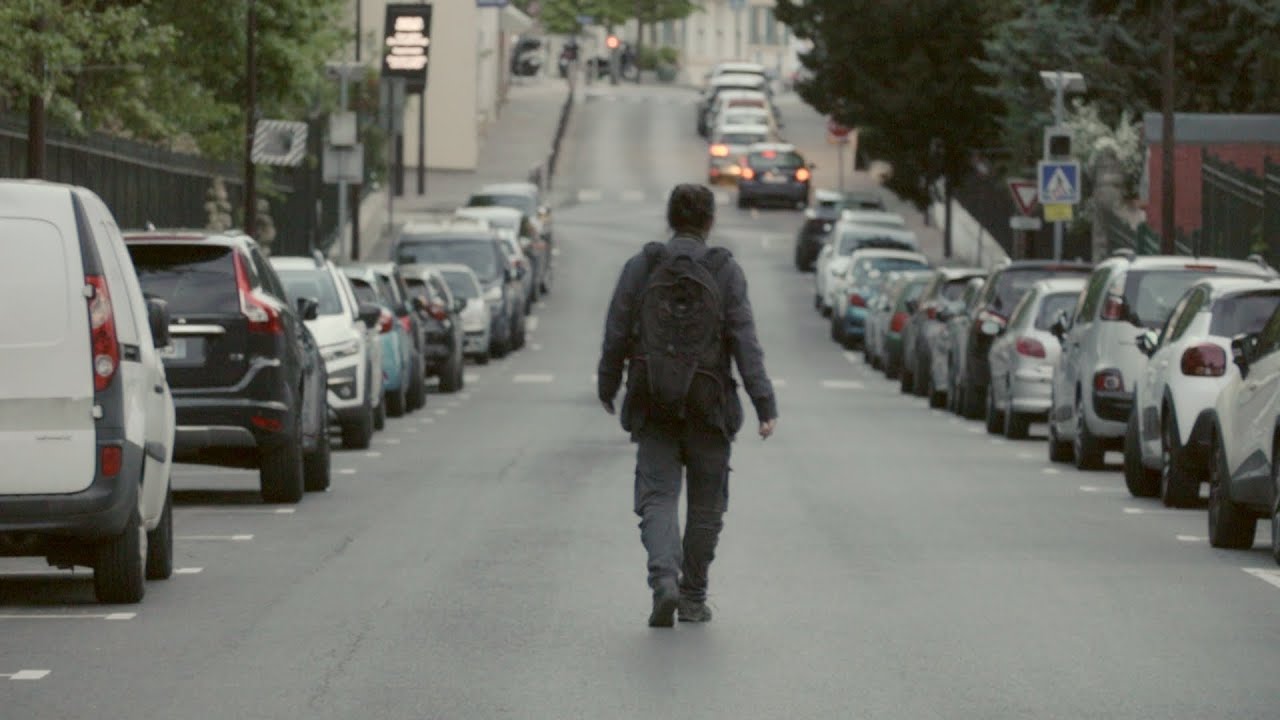
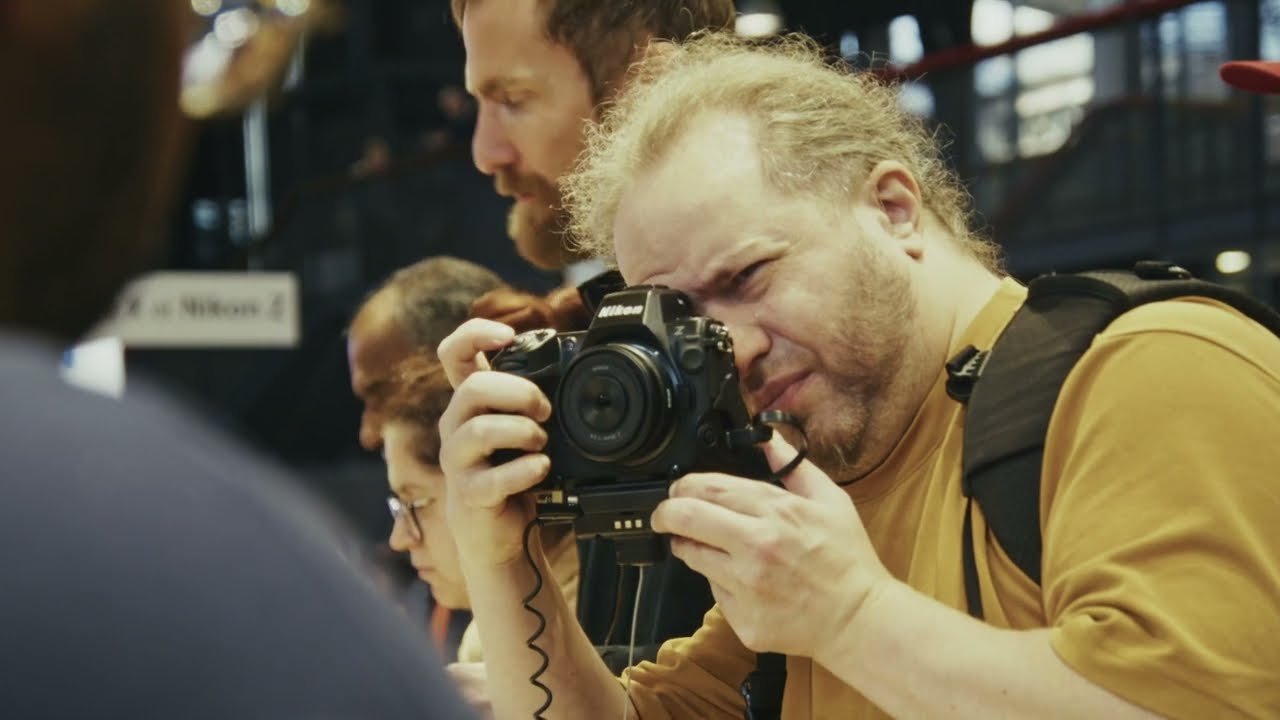
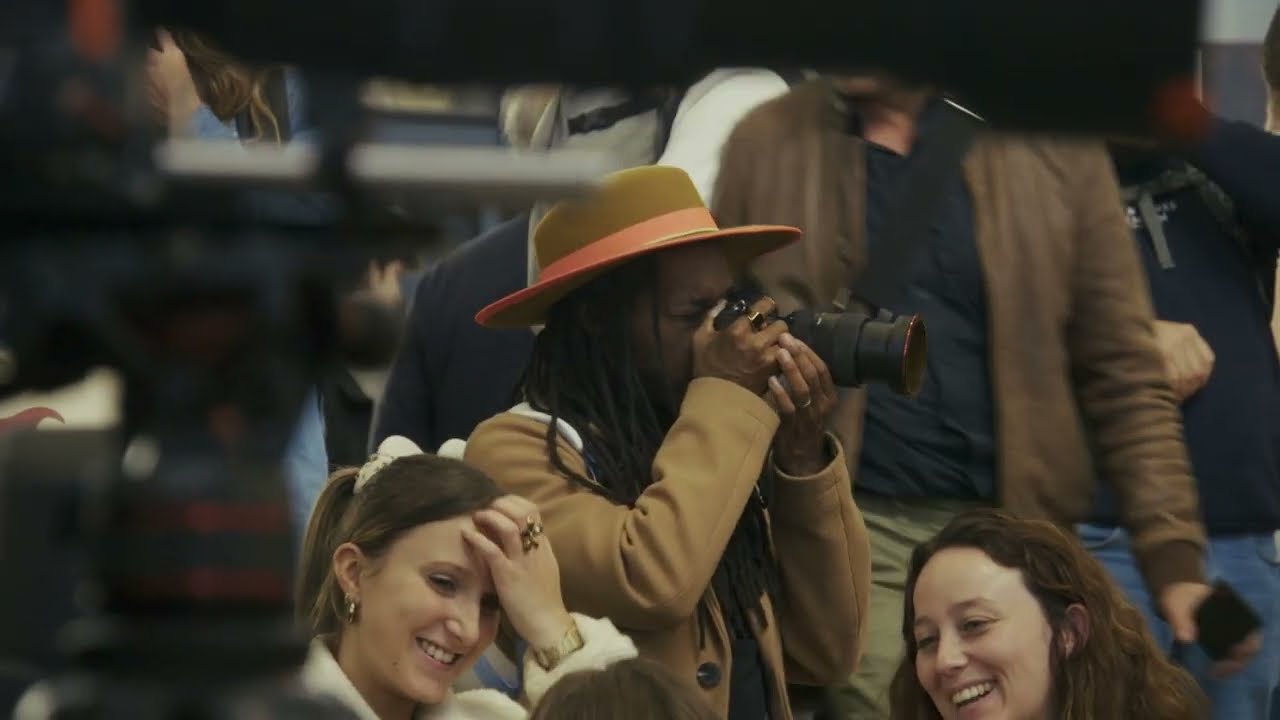
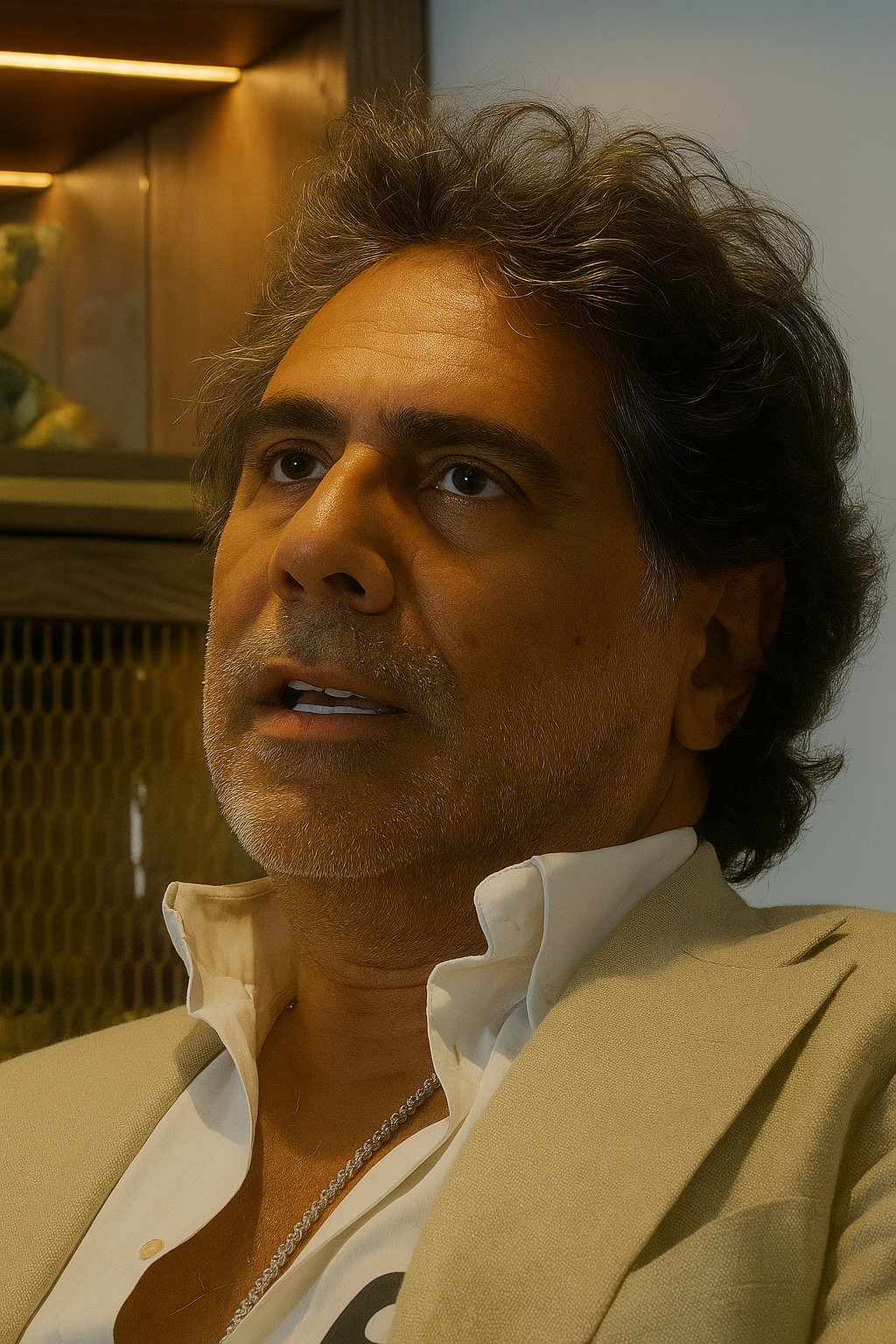
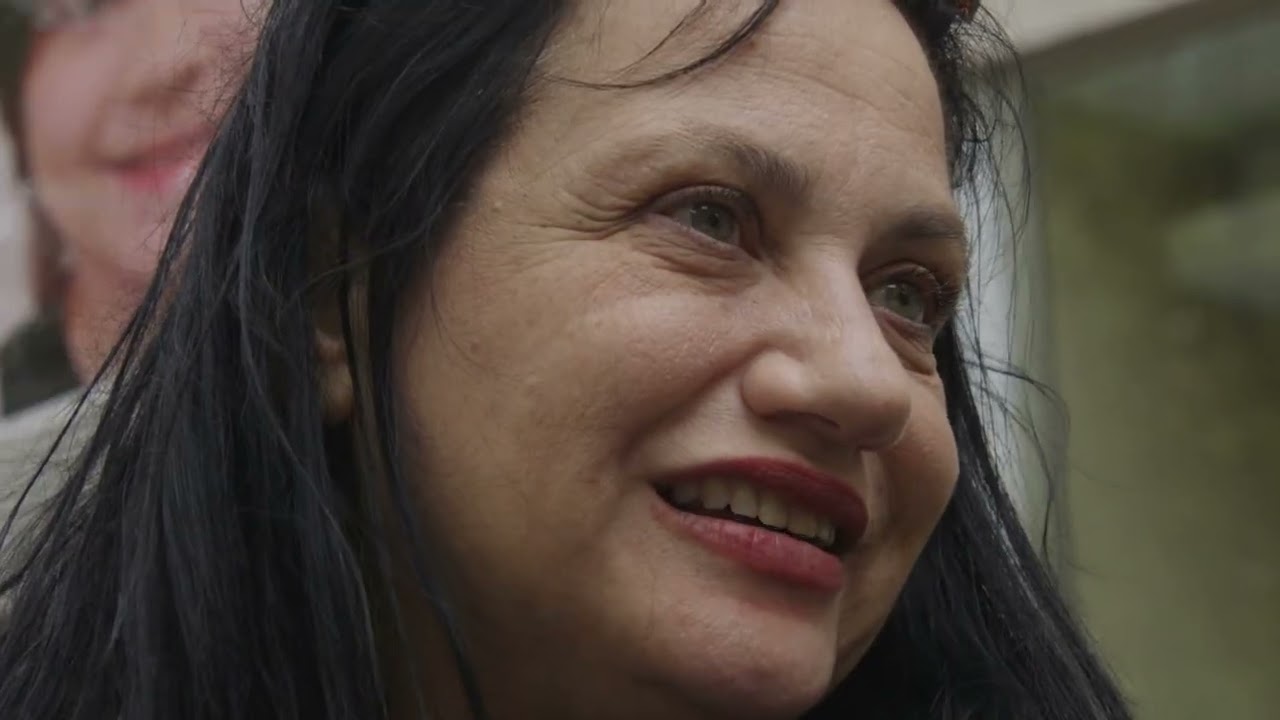
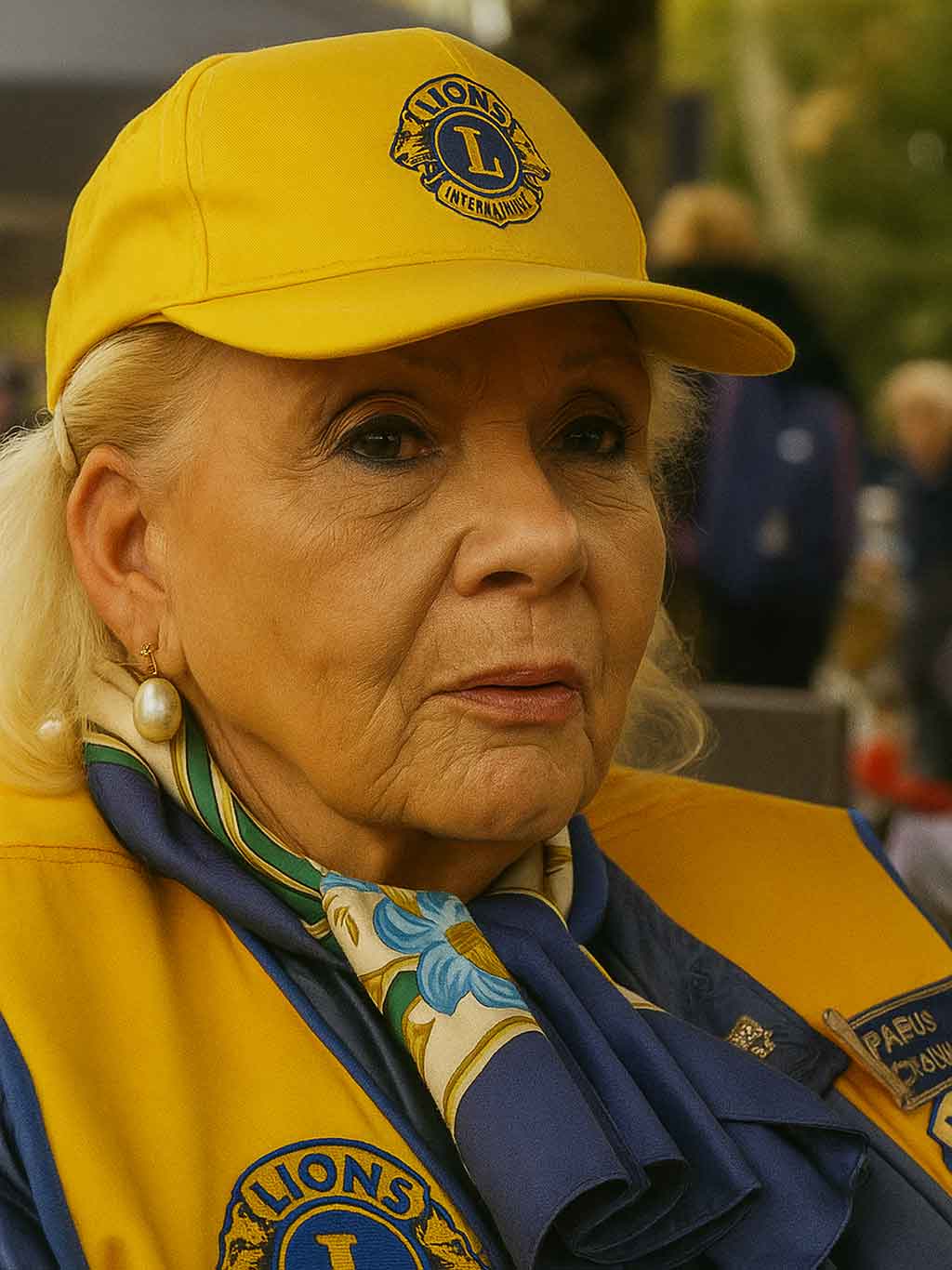
Ce sont des visages, des voix, des yeux, et un geste qui change une journée.
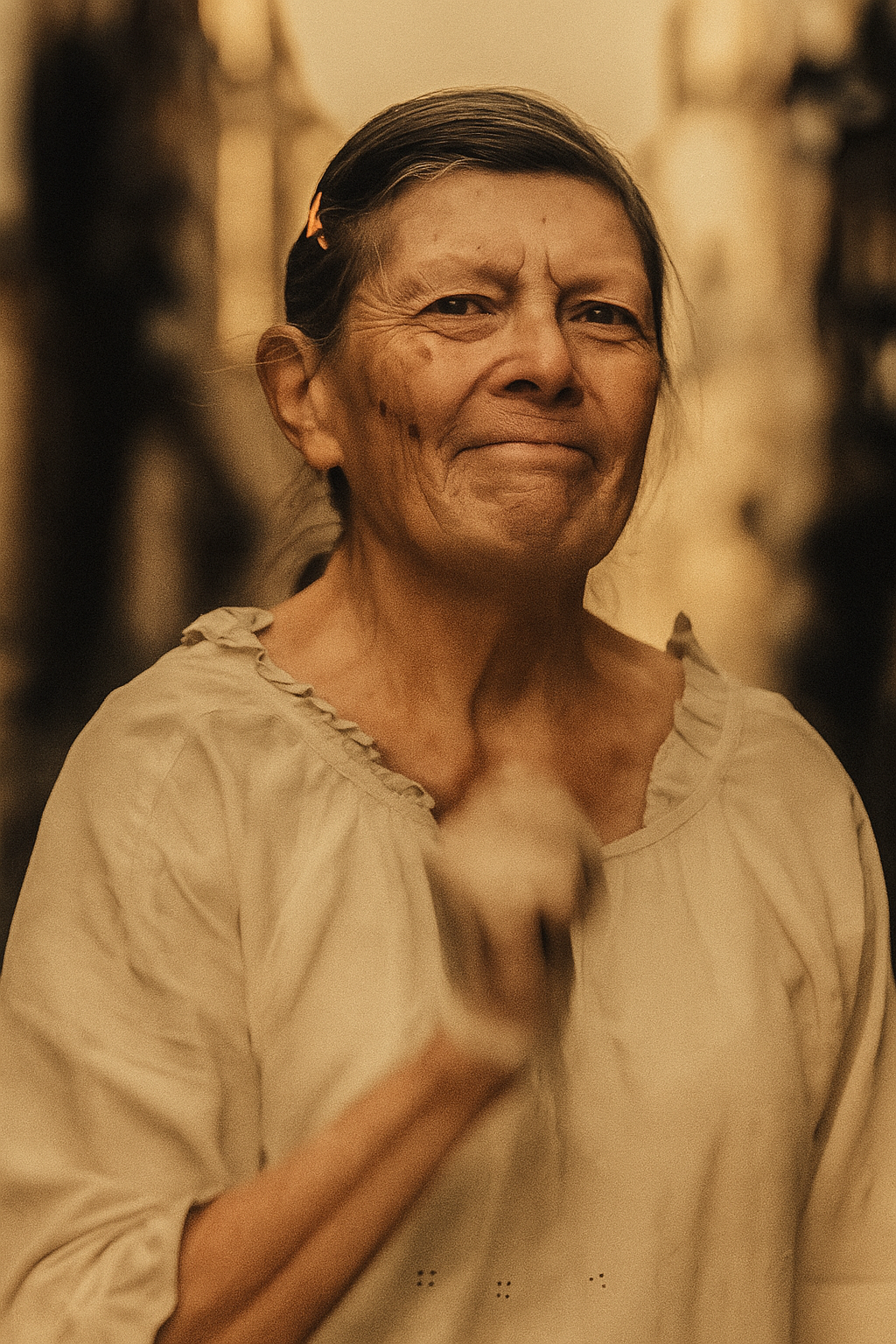
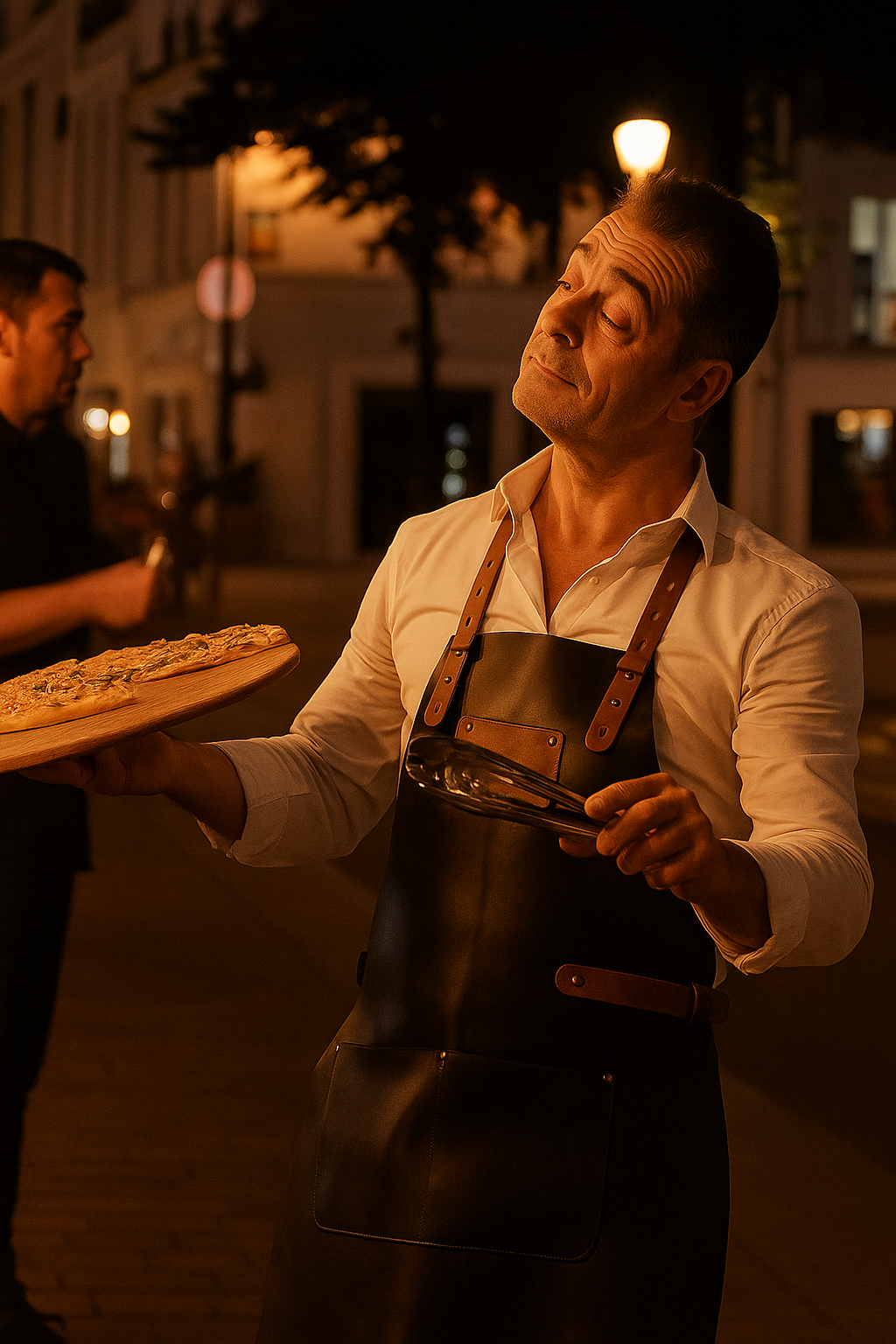
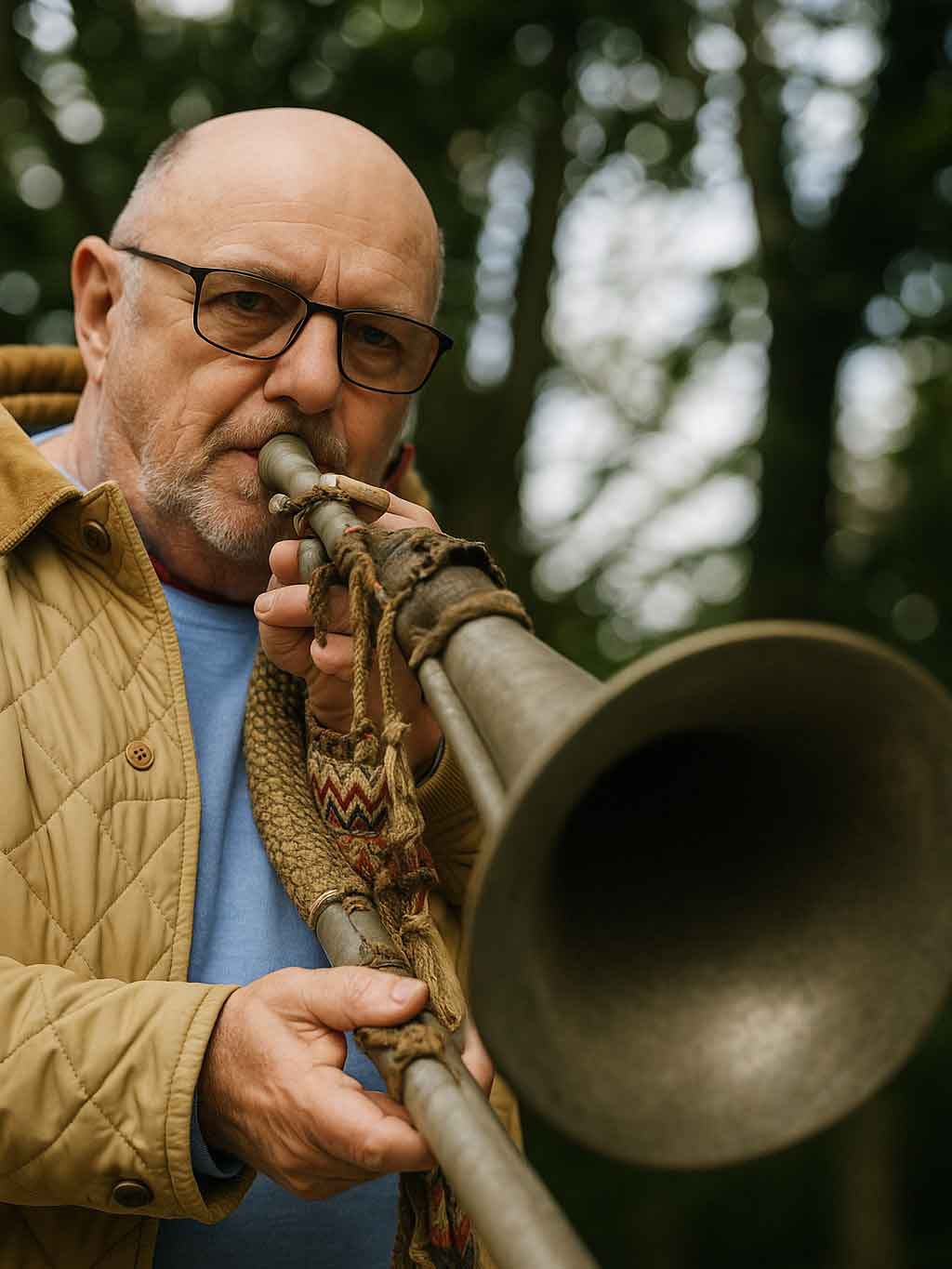
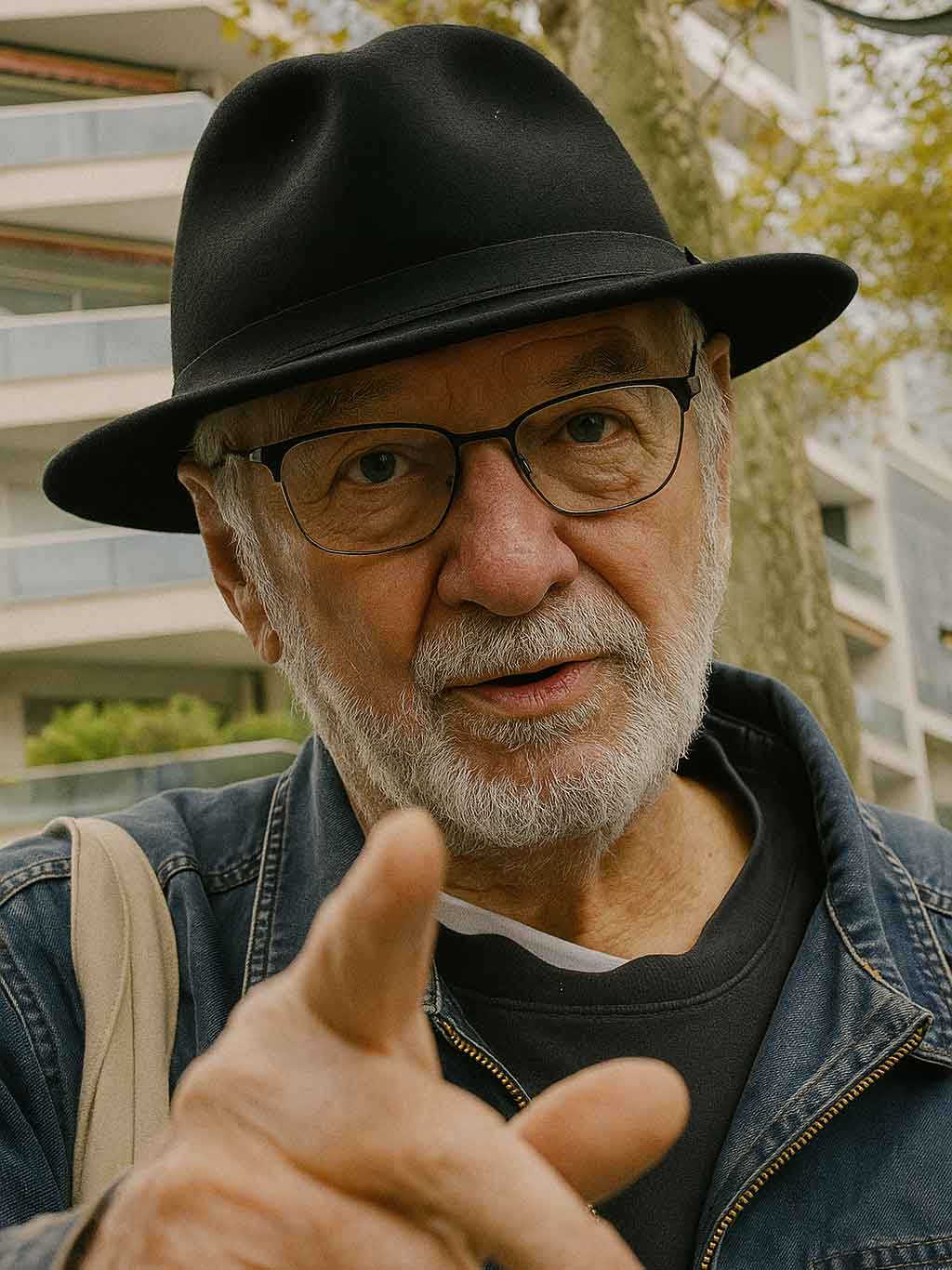
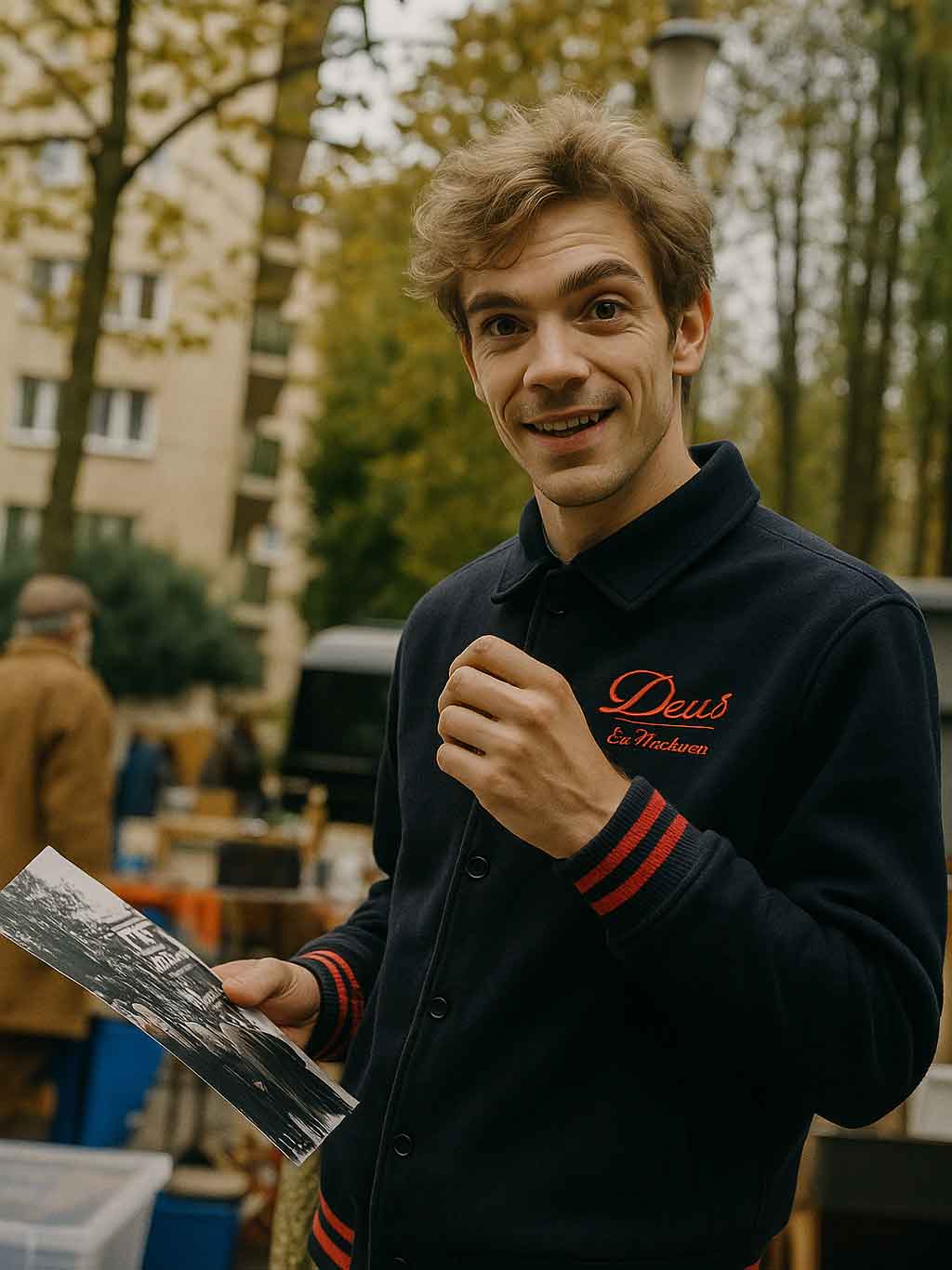
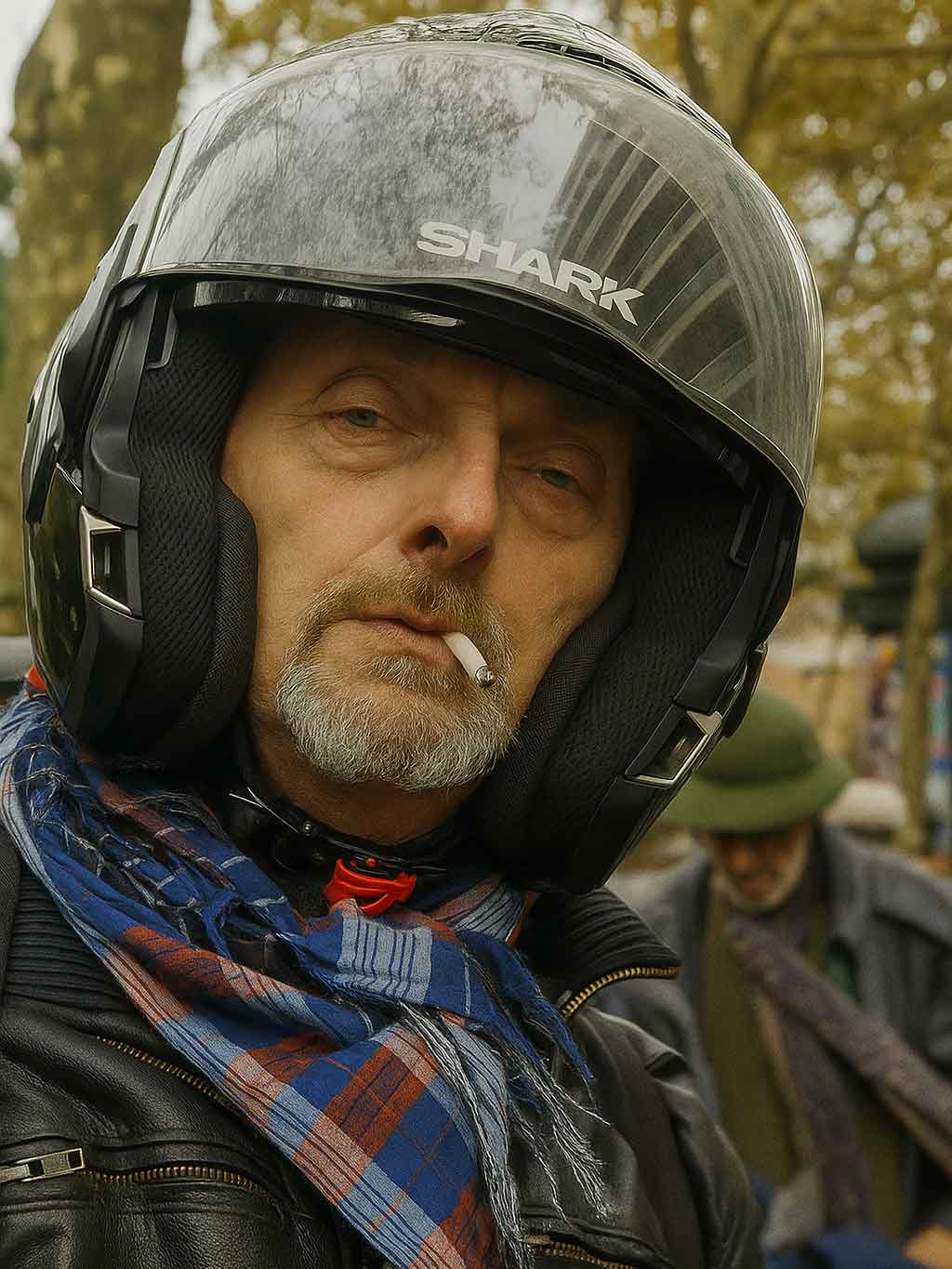
Hôpitaux, transports, écoles, culture, propreté, secours, services sociaux… Paris a mis en place des milliers de dispositifs pour que la ville tienne debout, chaque jour.
Les femmes et les hommes qui y travaillent sont rémunérés, mais la manière dont ils accueillent, renseignent ou protègent reste un choix humain. Paris T’Aime veut aussi leur dire merci.
Parce qu’à Paris, se déplacer et s’orienter change la vie.
Entre entraide, services publics et gestes simples — des chemins se rouvrent.
Quelques repères filmés, à hauteur d’humain.
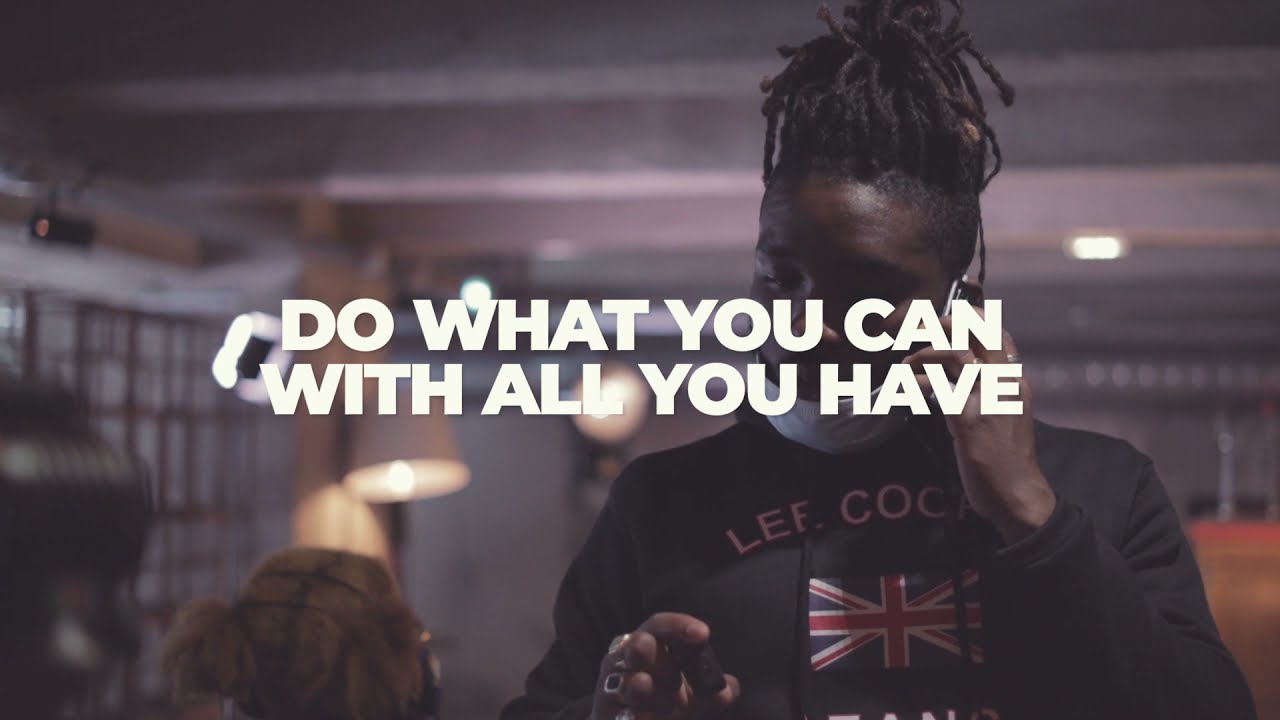
Avant Paris 8, la méthode vivait déjà dans la rue.
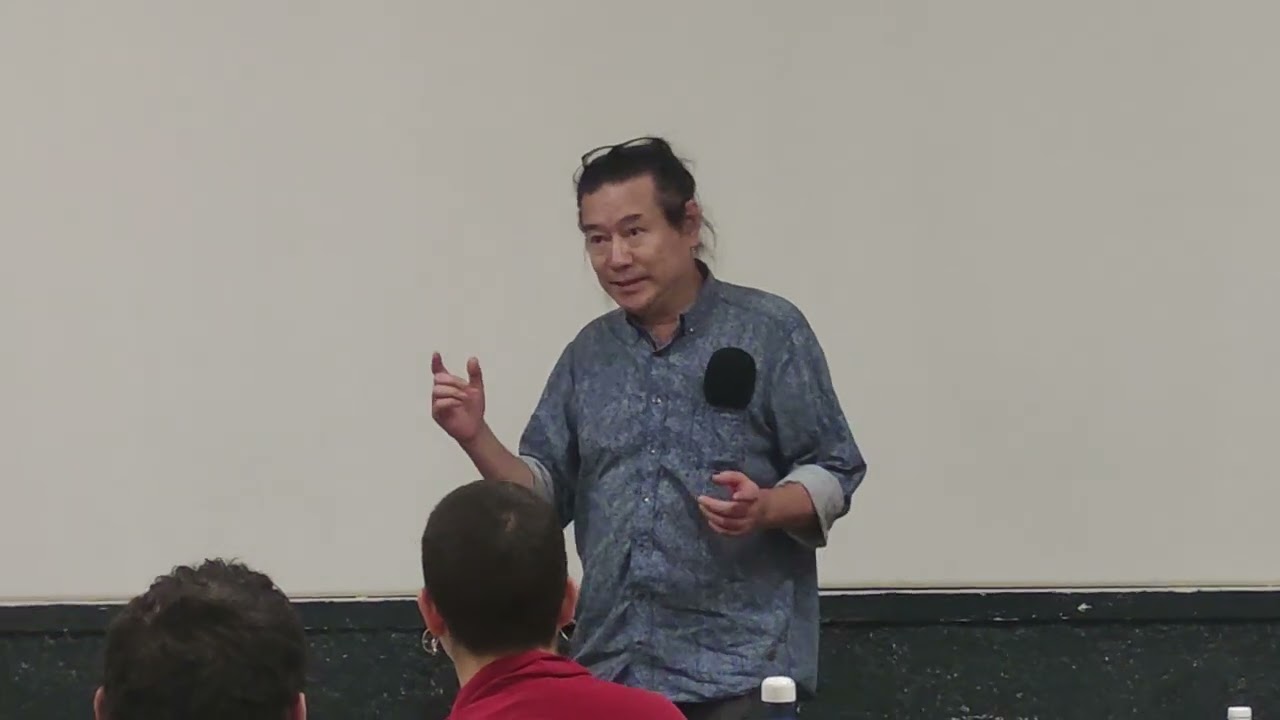
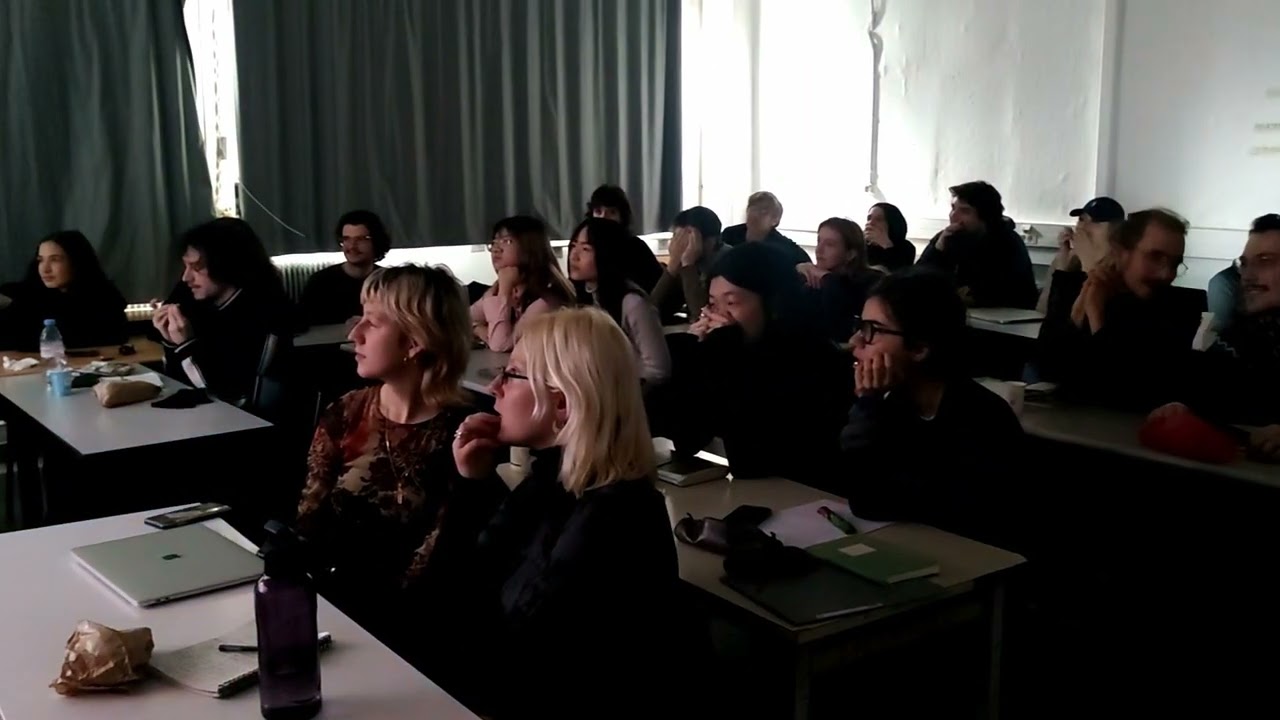
À Paris 8, en étudiant les grands, je l’ai confirmée et nommée : cinéma utile et dynamique.
Le film continue dans la vraie vie — c’est son enjeu.
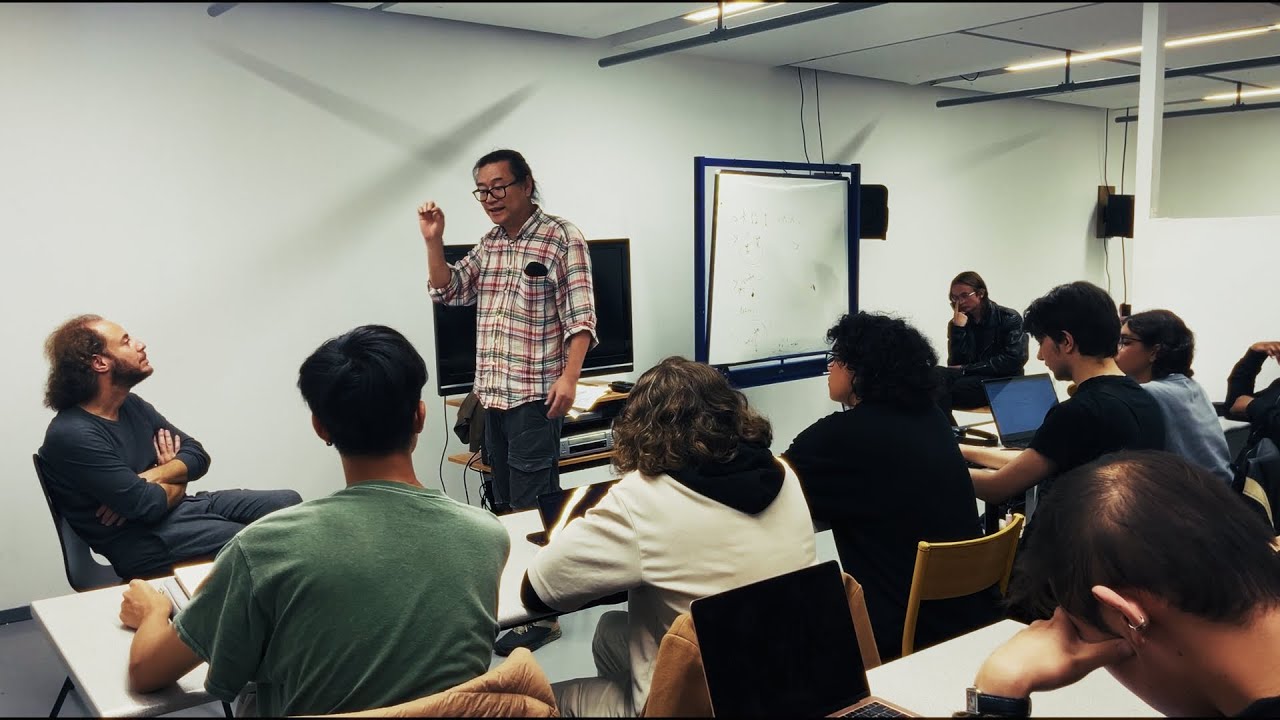
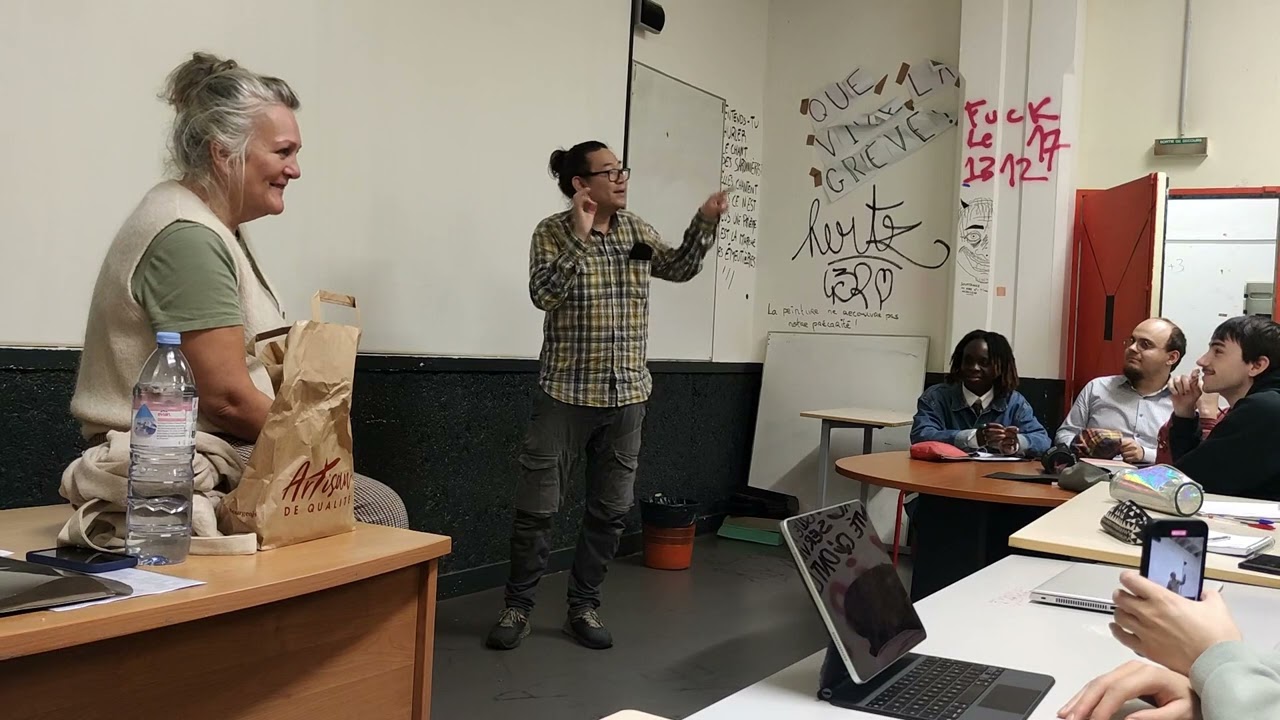
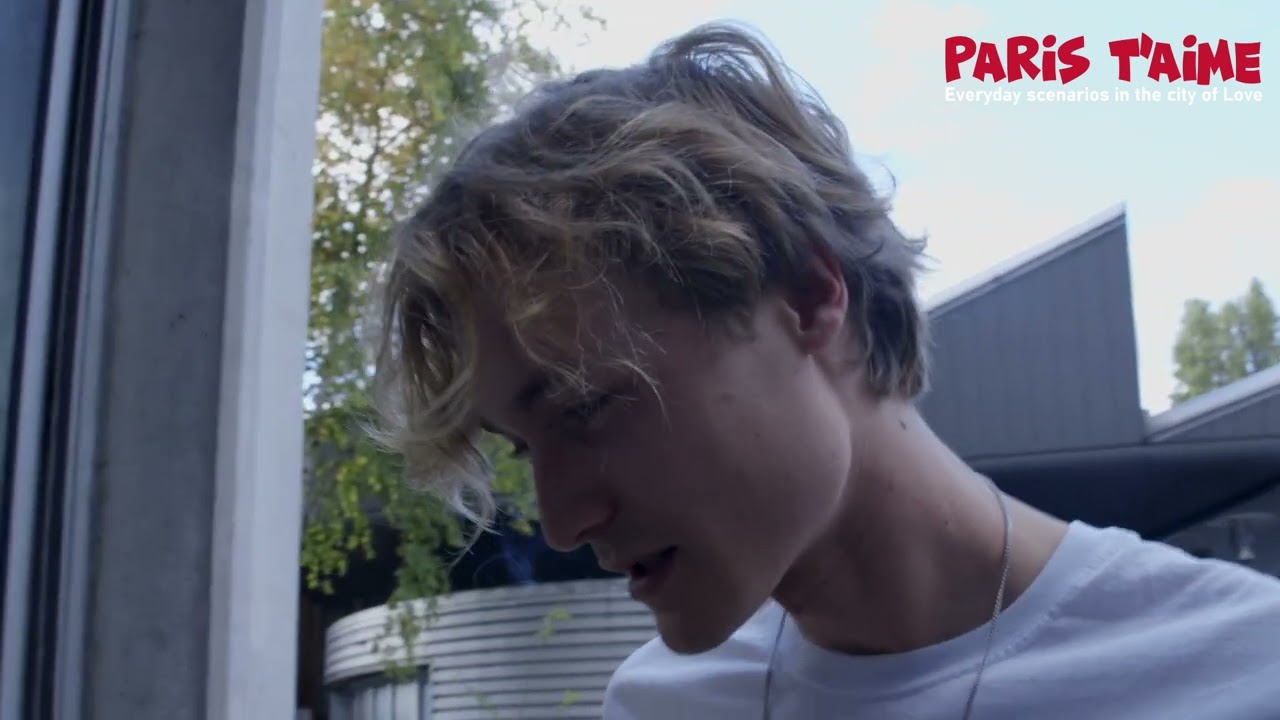
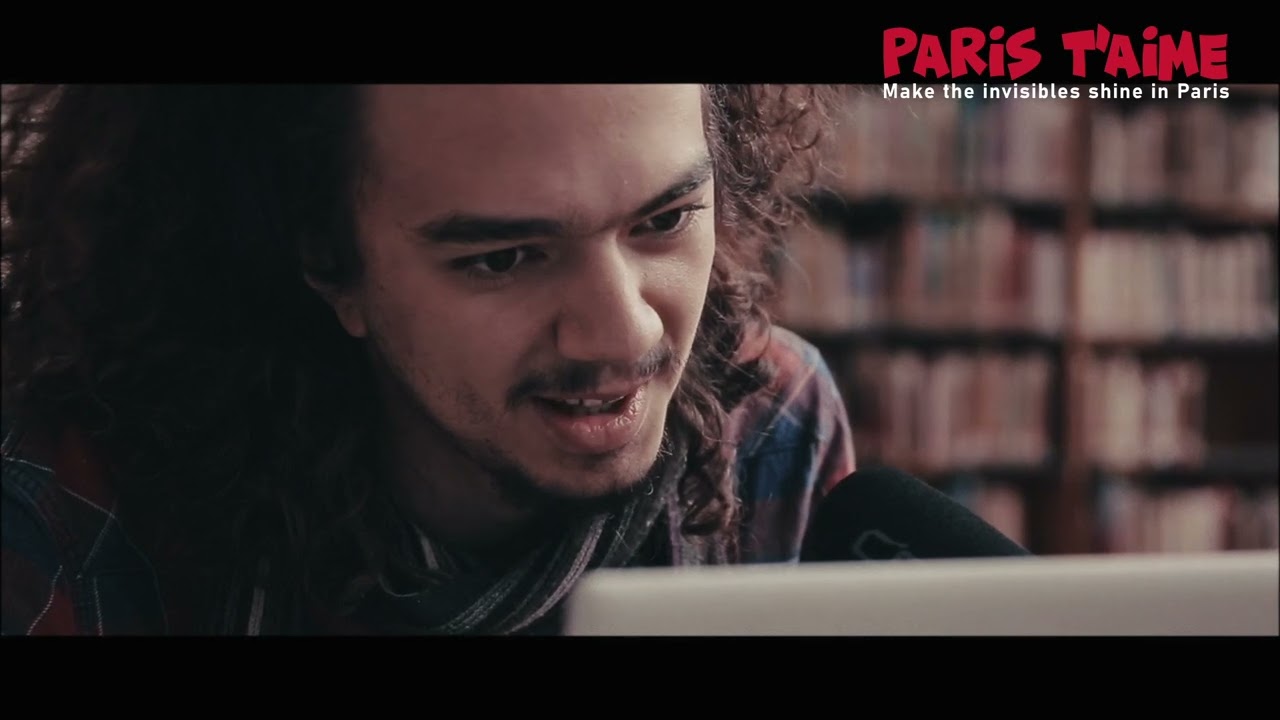
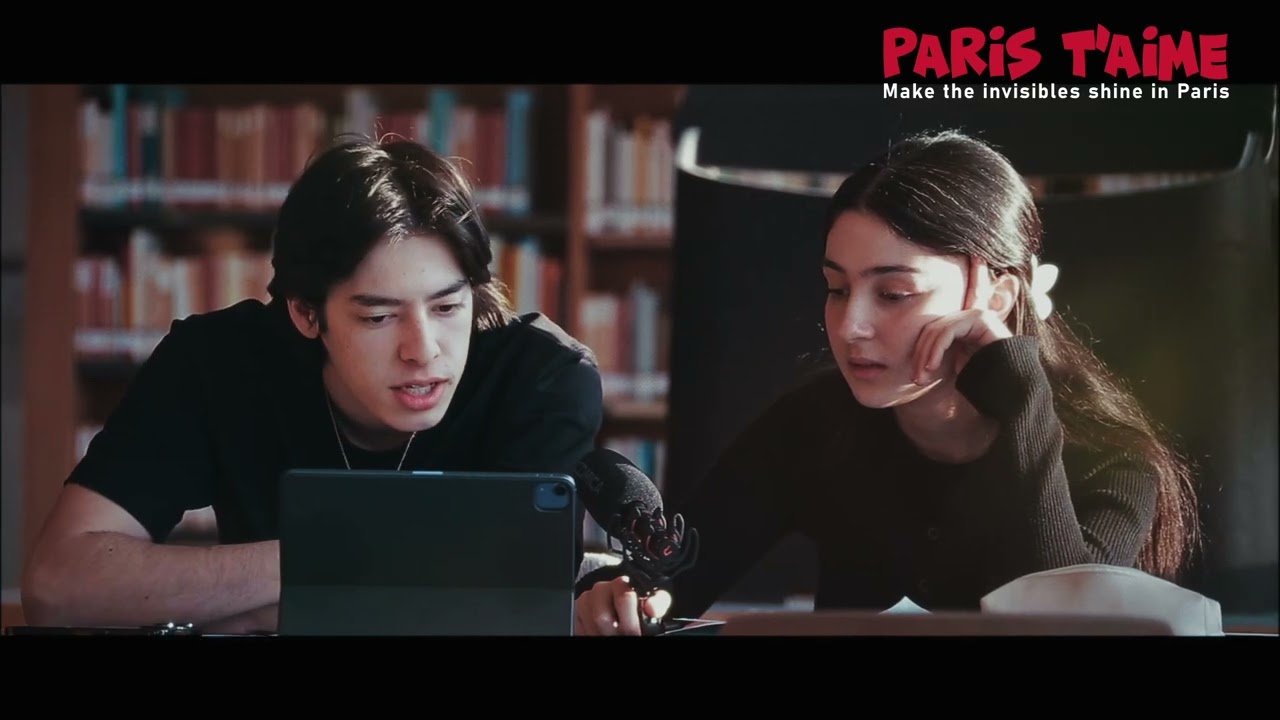

When an image serves someone, it becomes proof of humanity: every smile, every extended hand joins the same living film.
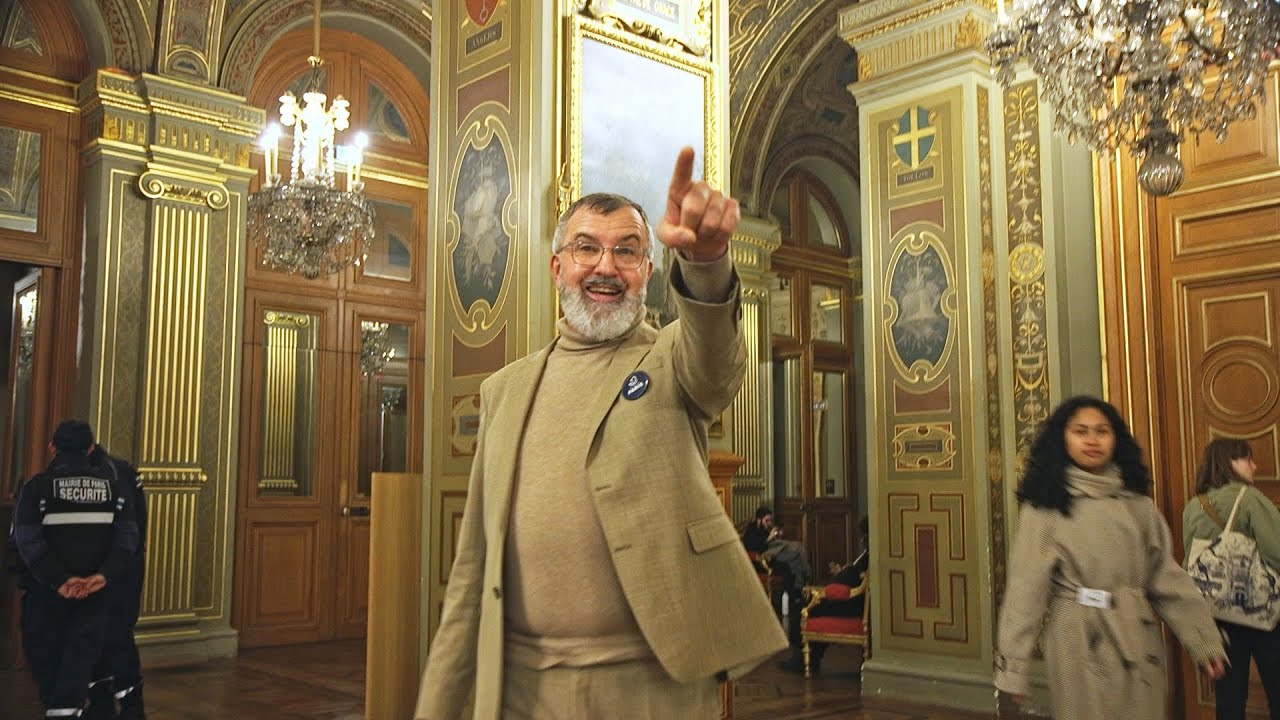
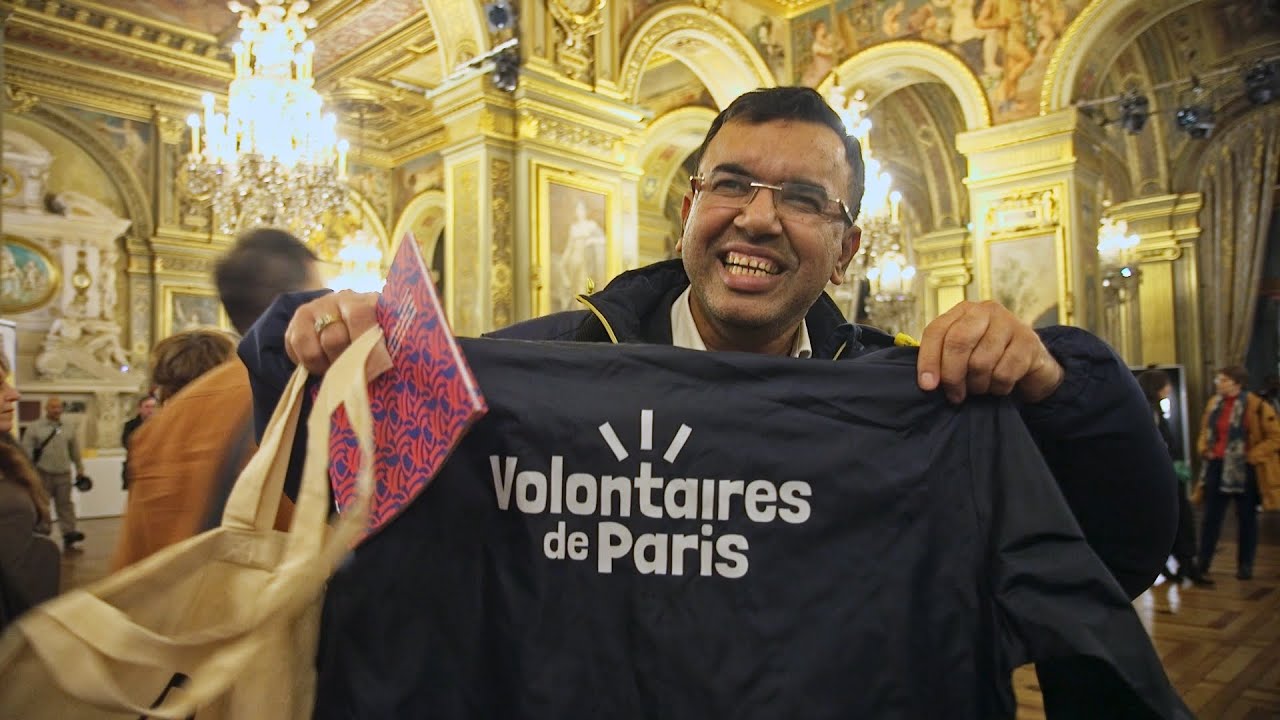
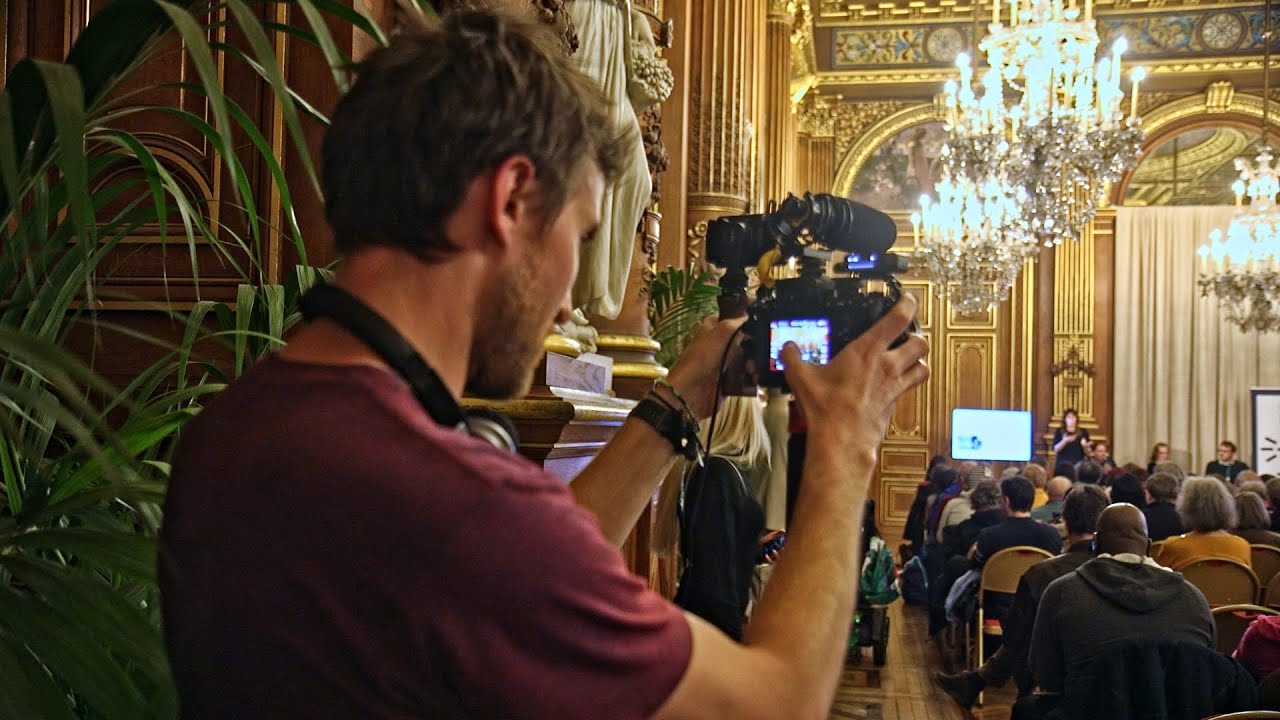
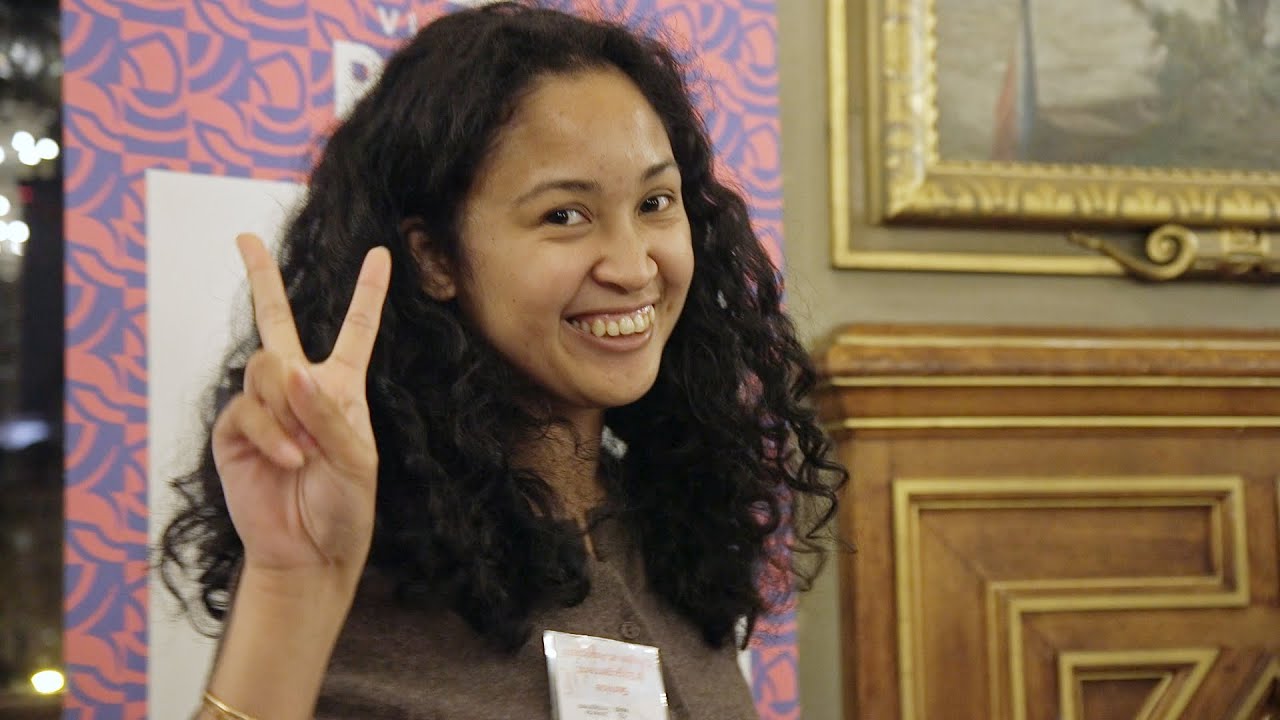
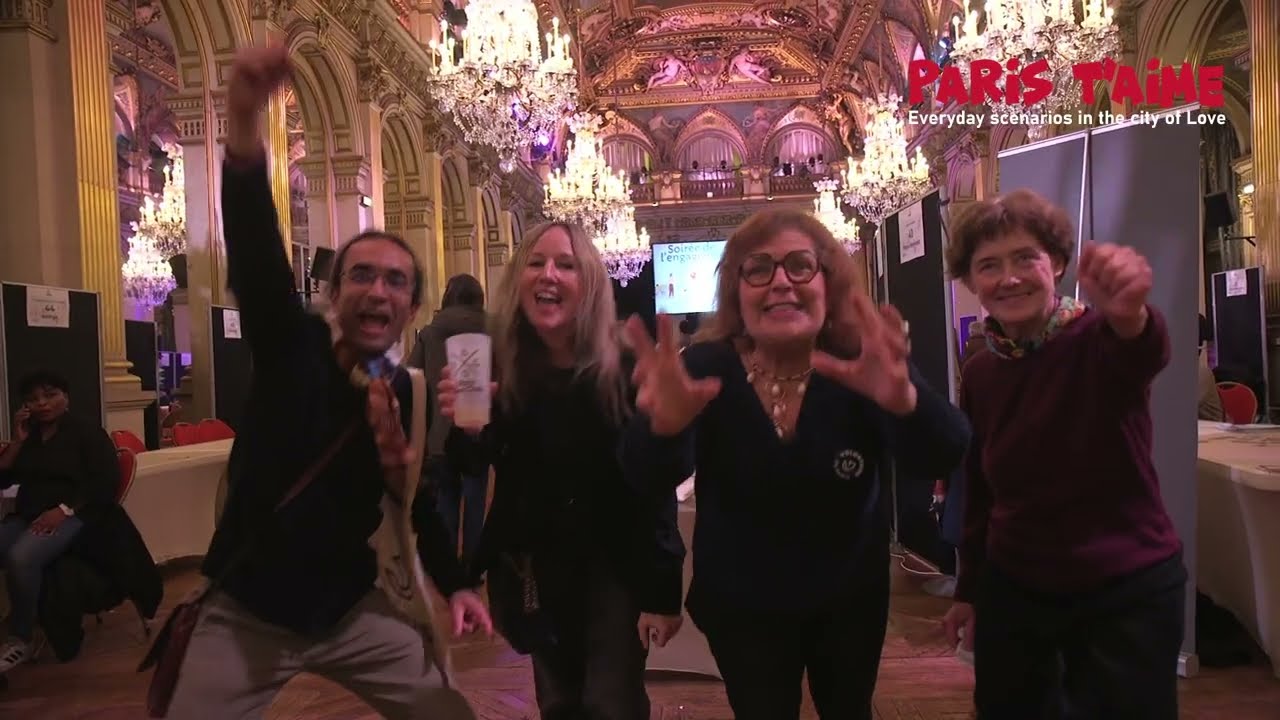
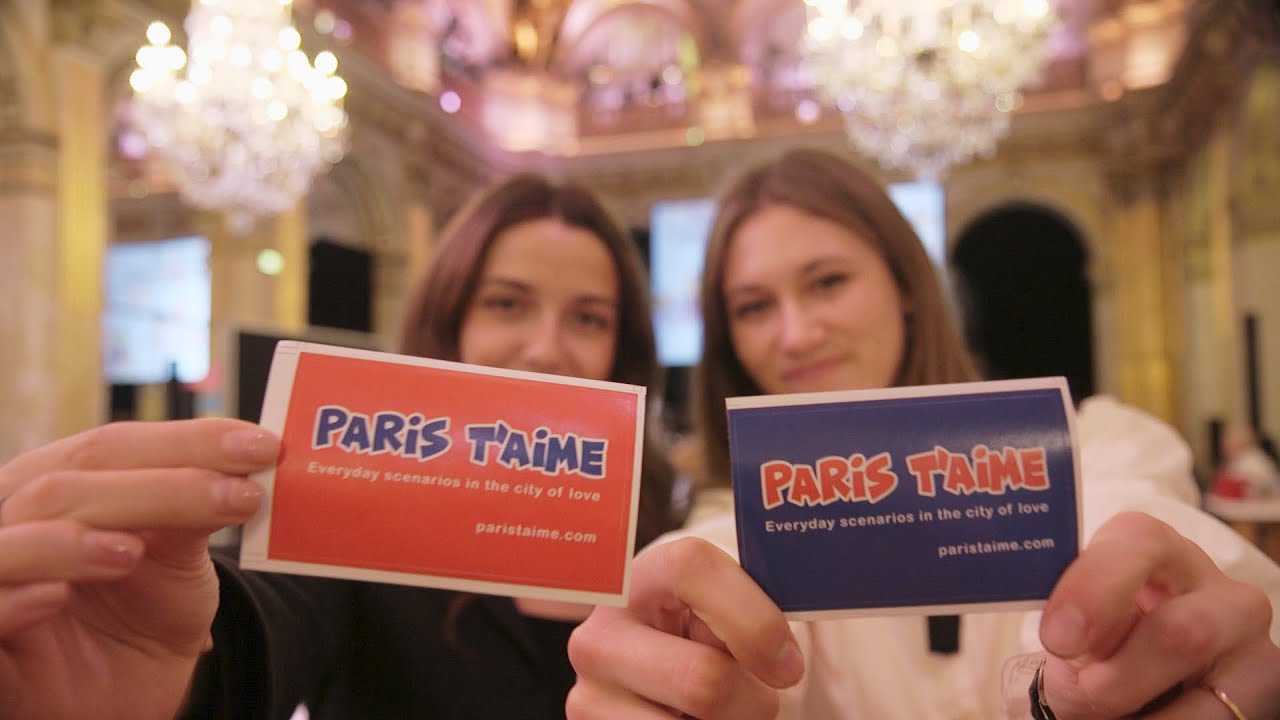
People change, places change; fraternity remains. The same act can be replayed by others, always in motion.
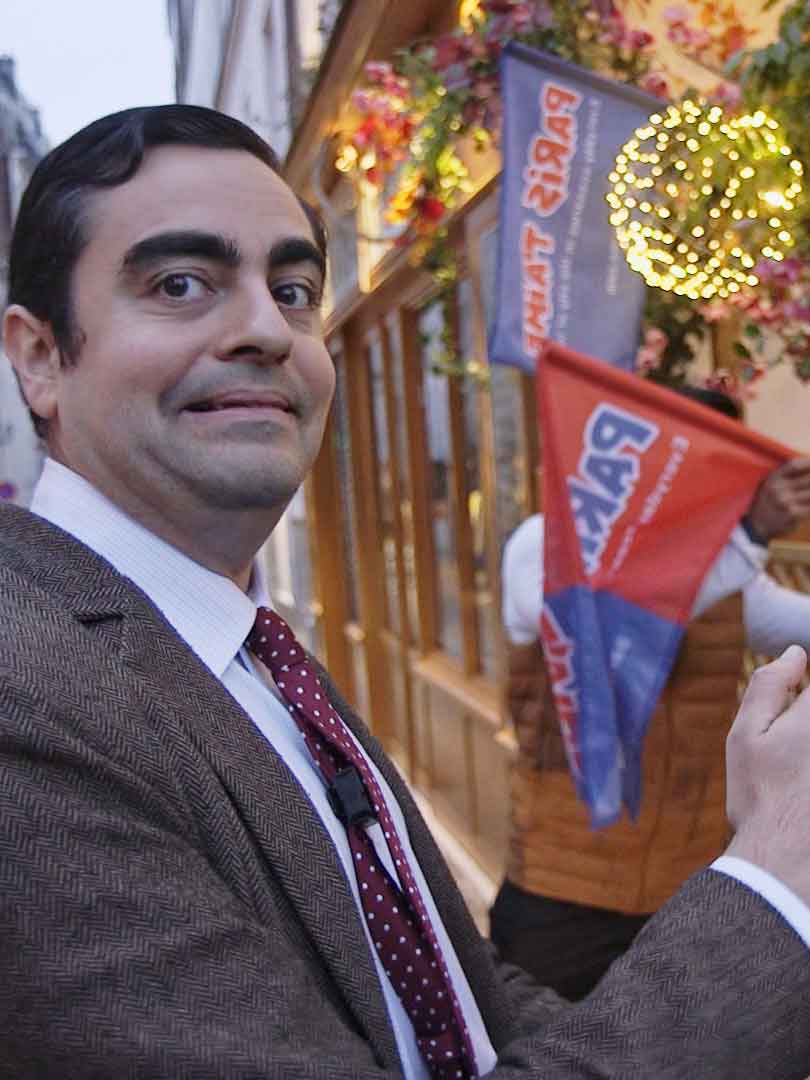
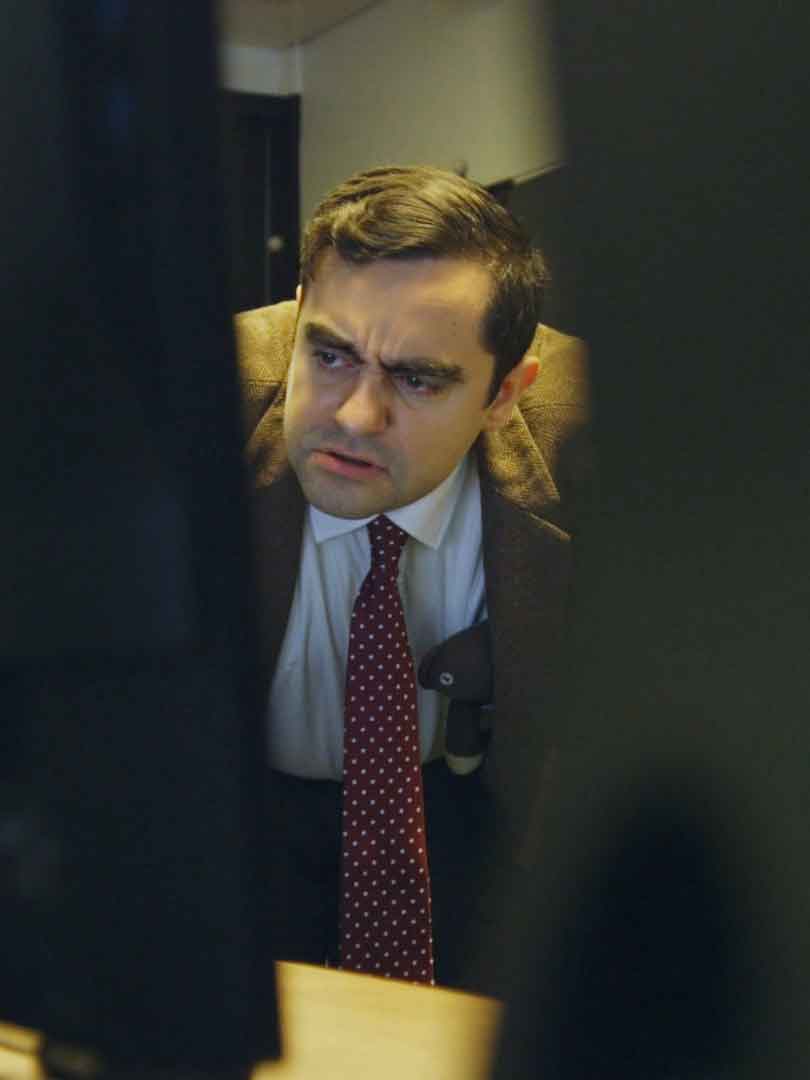
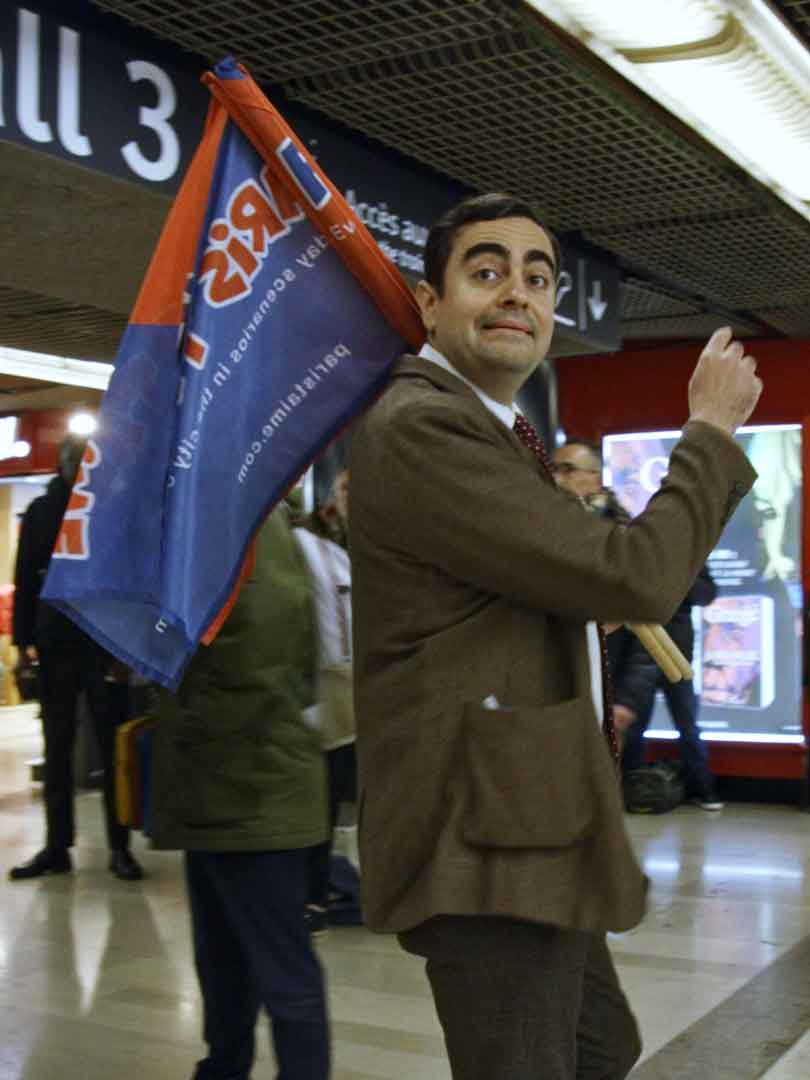
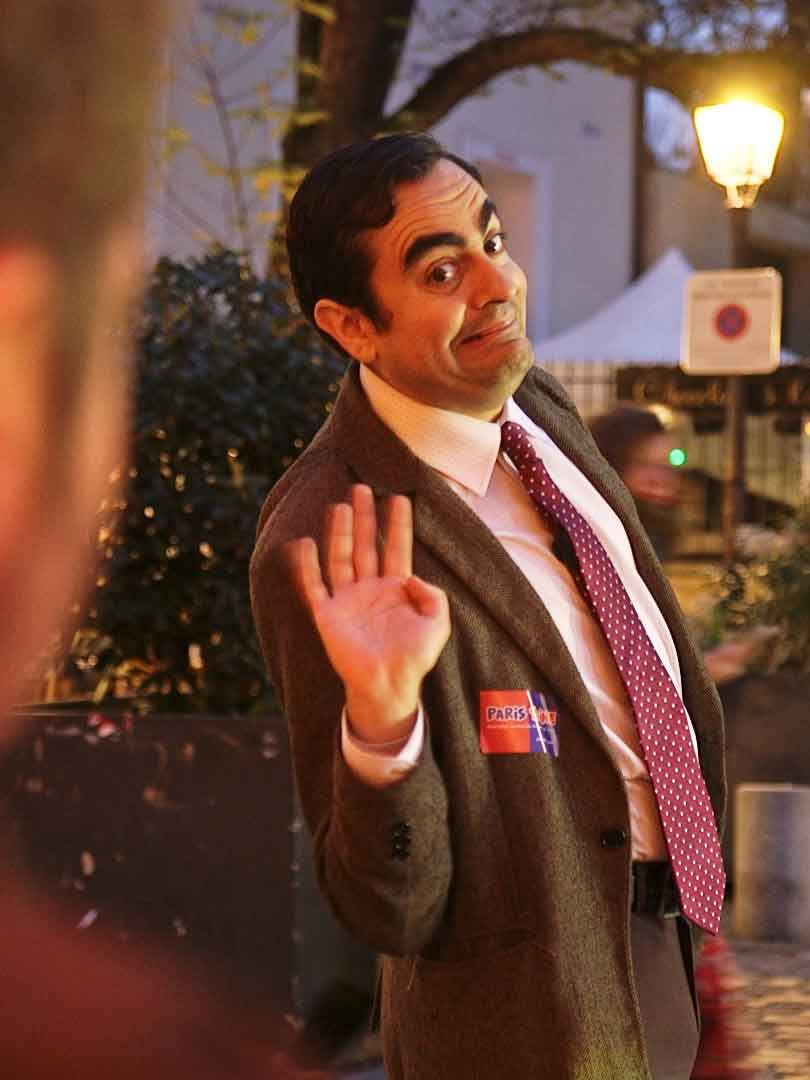
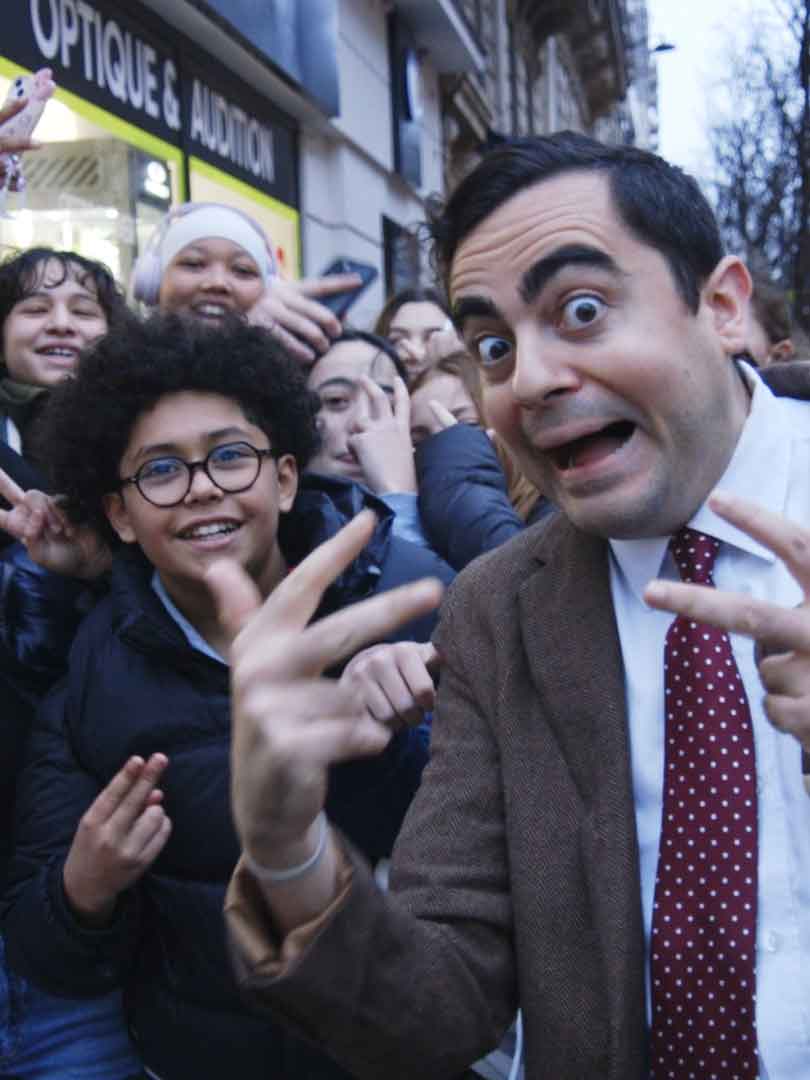
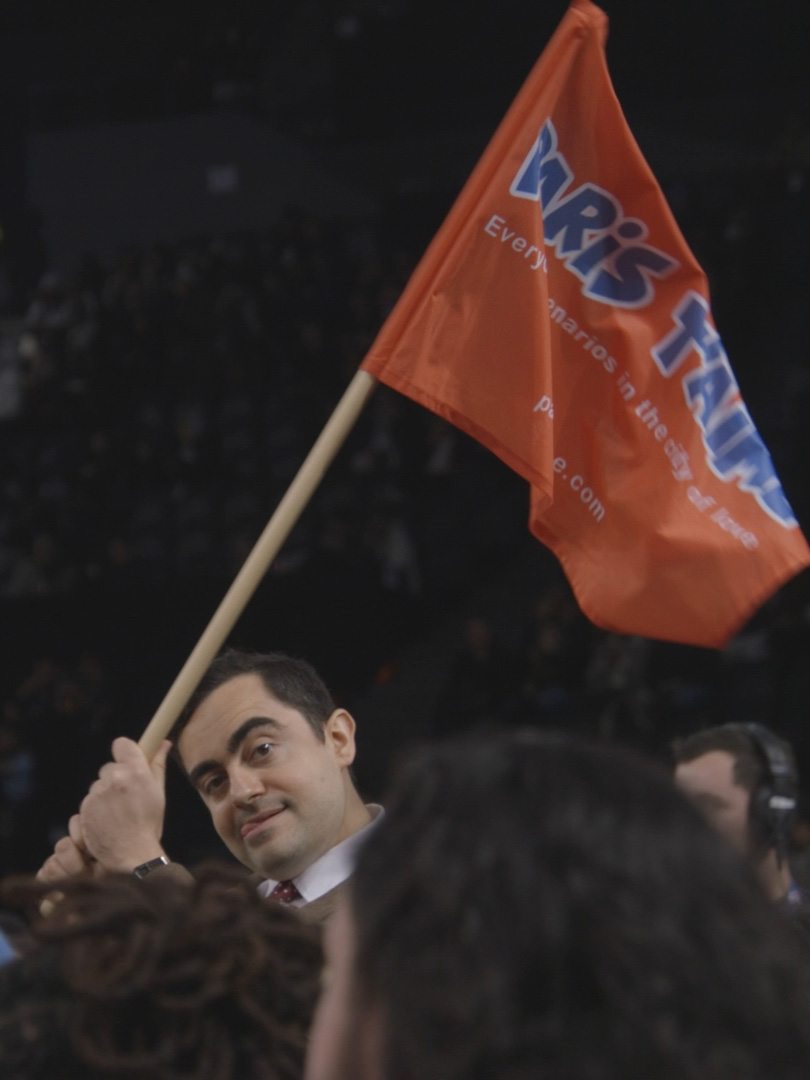
« These filmed gestures do not stop at the screen. They continue their journey, from hand to hand. Thus was born a shared light: the Paris T’Aime ecosystem. »

Chaque point bleu est une preuve filmée de fraternité.
80 neighborhoods, one question:
Type a neighborhood and open its living film.
A sensitive tour of Paris, neighborhood by neighborhood: each card is the beginning of a living serial.
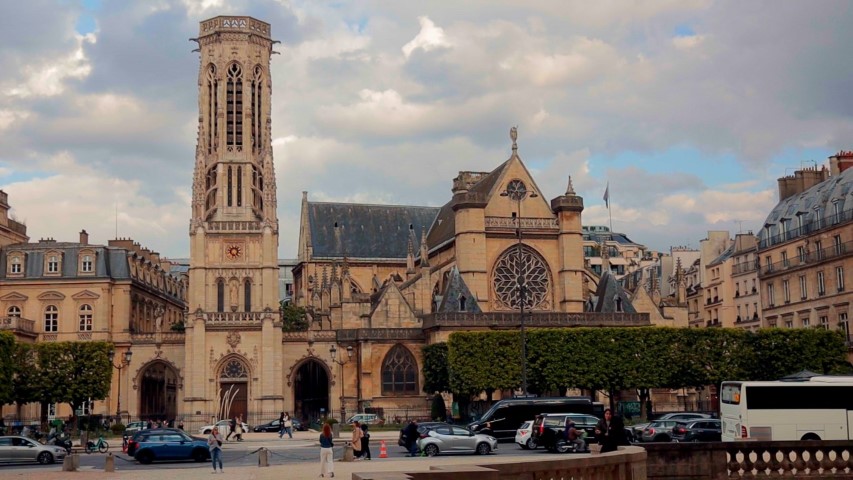
Historic center by the Seine, between churches, museums and remarkable urban architecture, at the gates of the Louvre and the river.
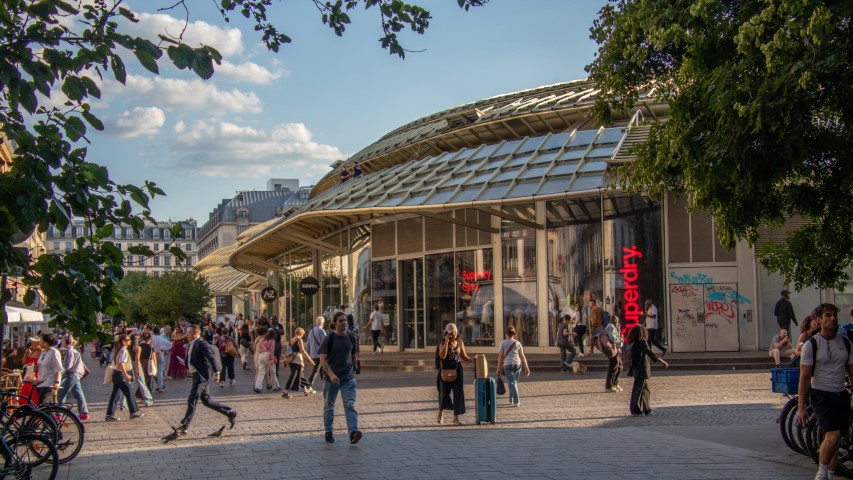
A lively district of shopping and transport, famous for its large forum and its very animated atmosphere, day and night.
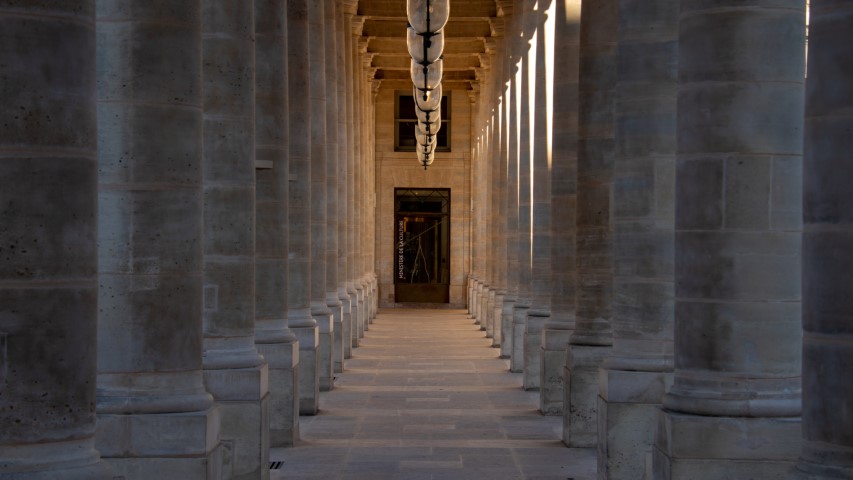
Elegant gardens and arcades, theaters and galleries: a discreet setting where art and architecture gently answer each other.
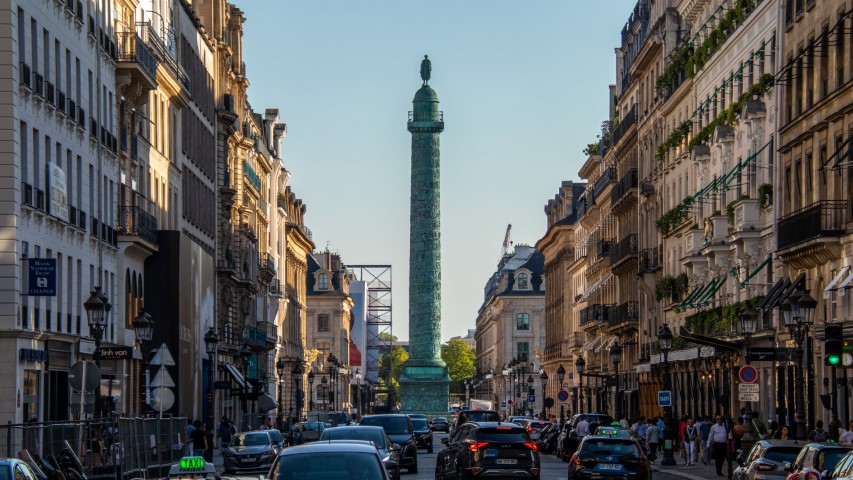
Townhouses and fine jewelry shops arranged around a perfect square: a symbol of Parisian elegance.
Small classical streets, corner cafés and local life: here, Paris tells its story in a low voice.
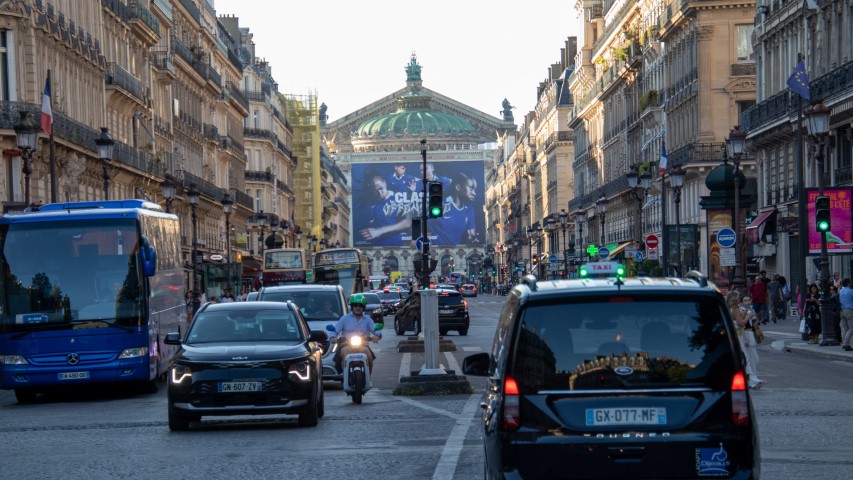
Covered passages, bookshops and timeless boutiques: a chic walk, sheltered from the noise of the city.
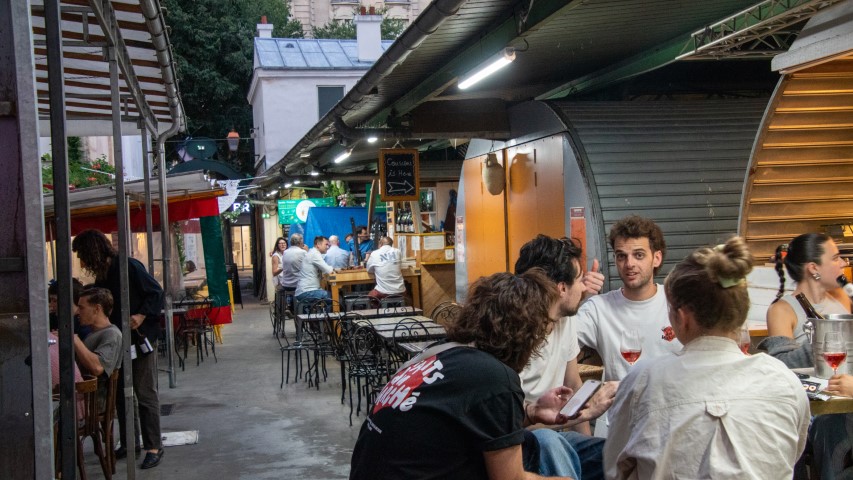
The smallest official neighborhood in Paris, wedged behind big arteries. A tiny village of stone and silence.
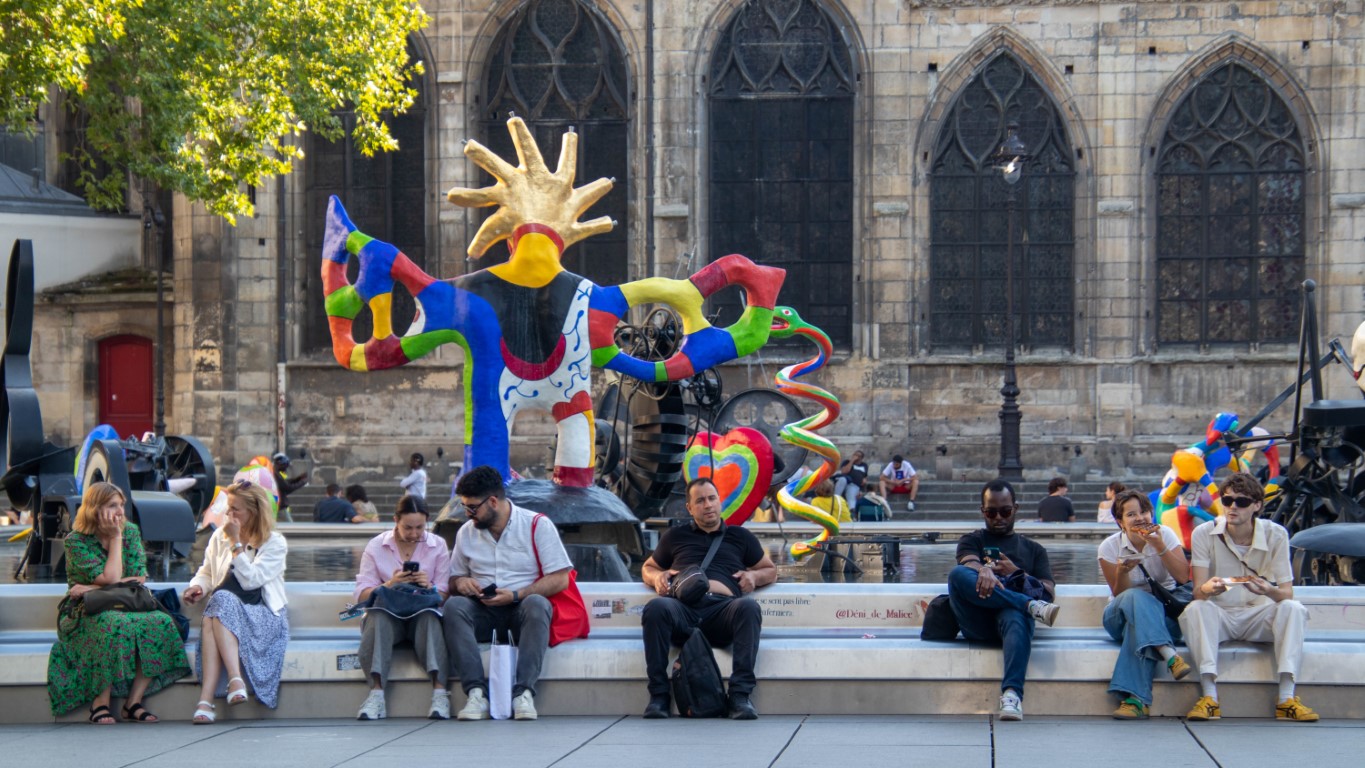
A crossroads of stories, cinemas and night spots: a neighborhood that keeps the lights on late.
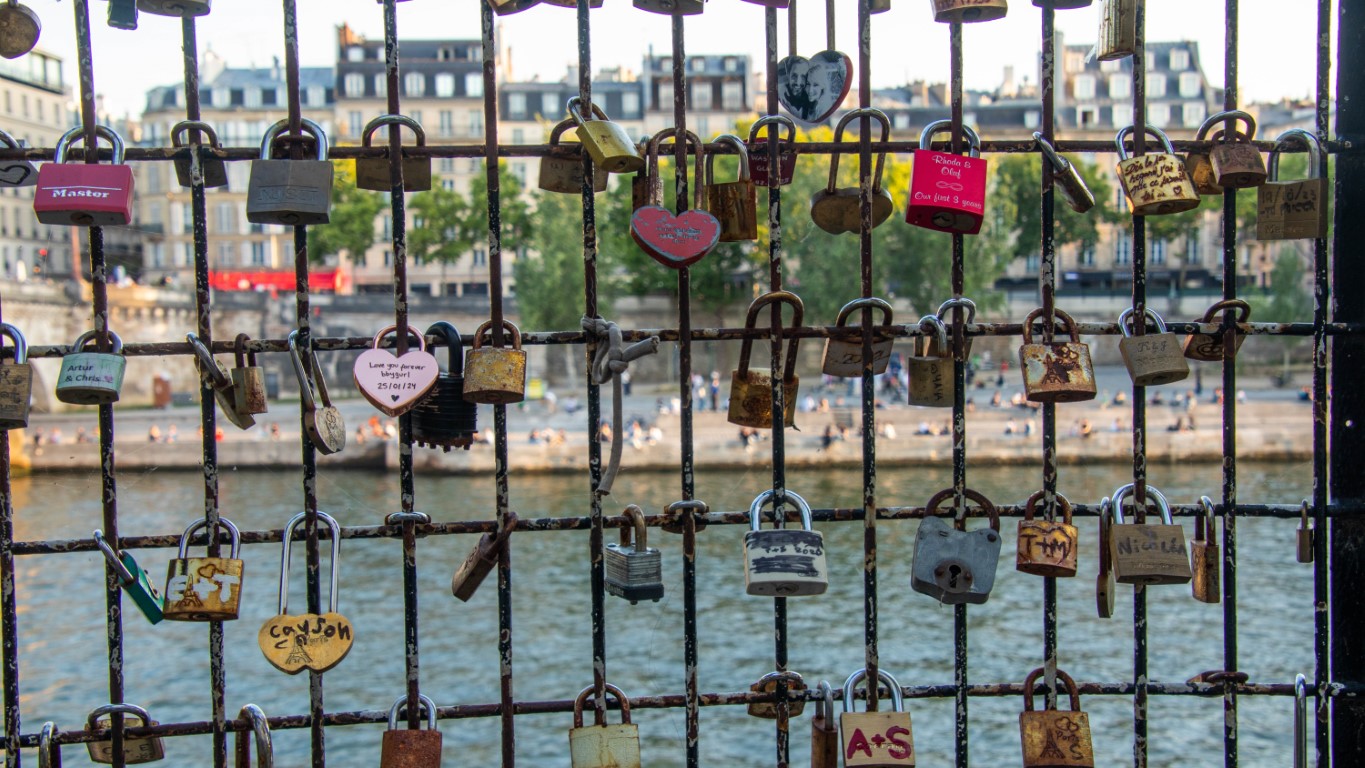
Between museums, workshops and schools, a neighborhood where invention and creativity have always had their place.
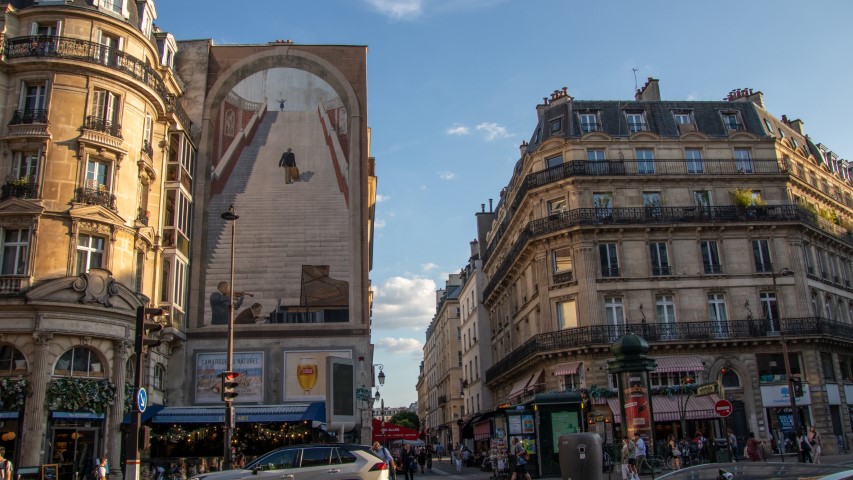
An old covered market turned world canteen: you eat close together but together, in a joyful and colorful jumble.
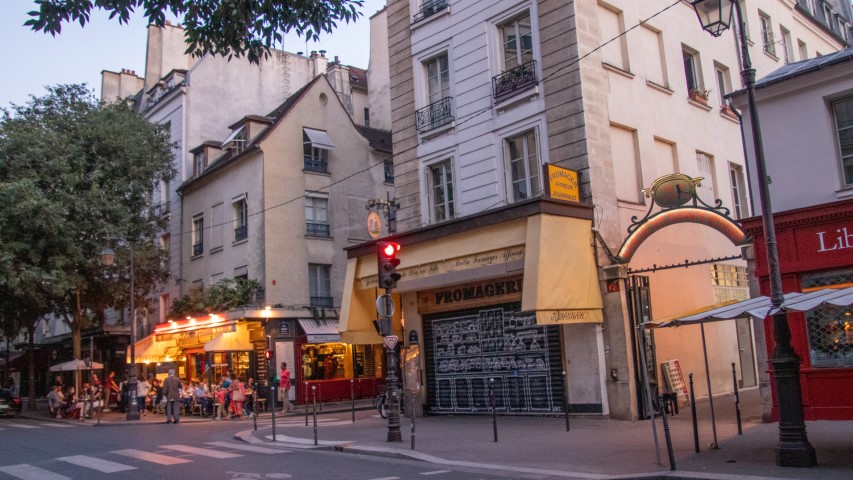
Quiet streets, old facades, courtyards and discreet hotels: at the heart of the Marais, a memory that continues to live.
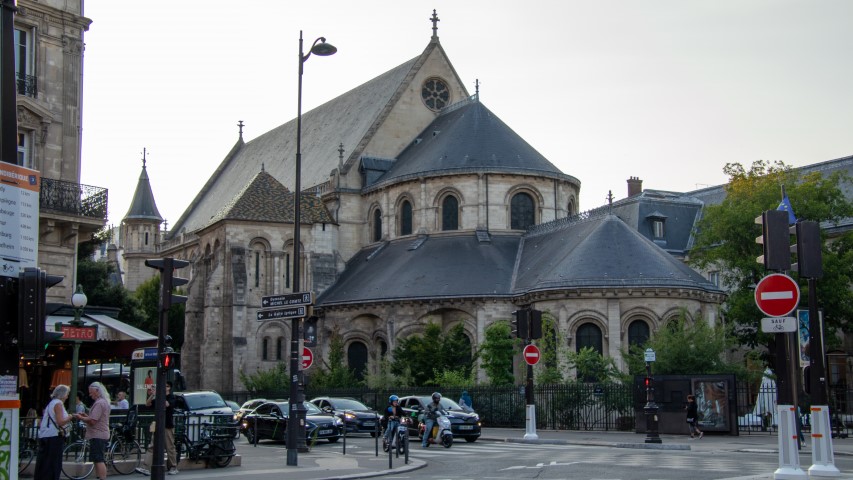
Classical charm, lively cafés and everyday shops: a Marais of daily life, inhabited by those who really live there.
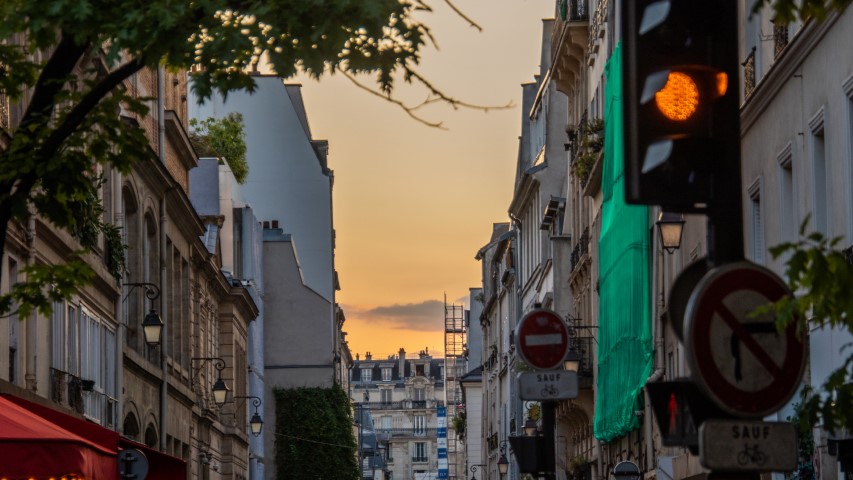
Just behind Beaubourg and the Centre Pompidou, an artistic neighborhood where the street often becomes a stage.
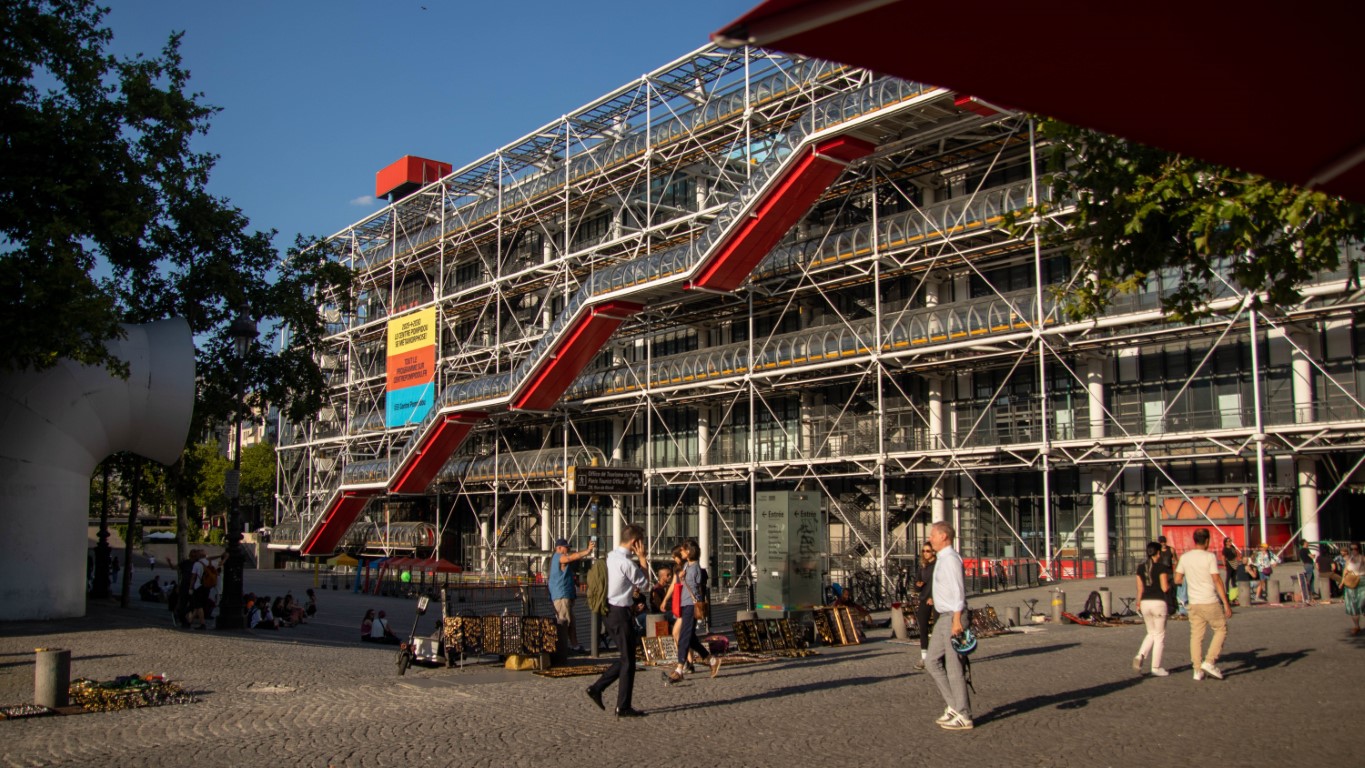
Old streets, synagogues and townhouses: a neighborhood of traditions, families and discreet prayers.
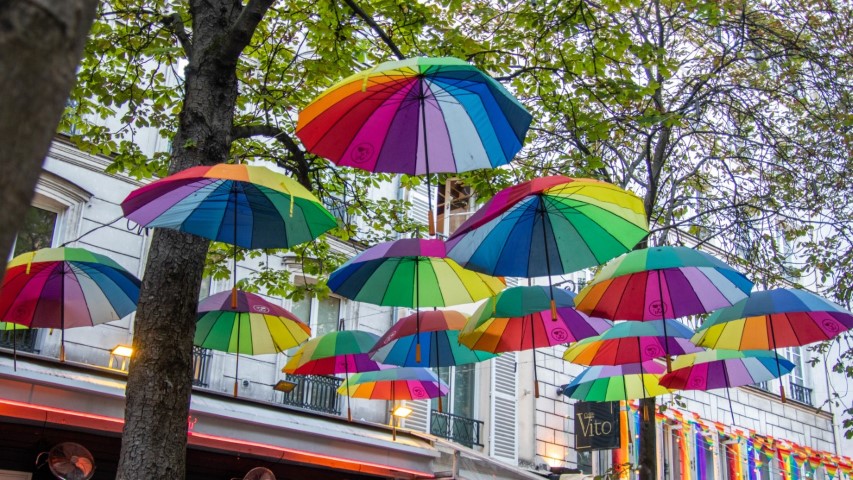
Between Bastille and the Arsenal basin, walks, houseboats and benches watching the water go by.
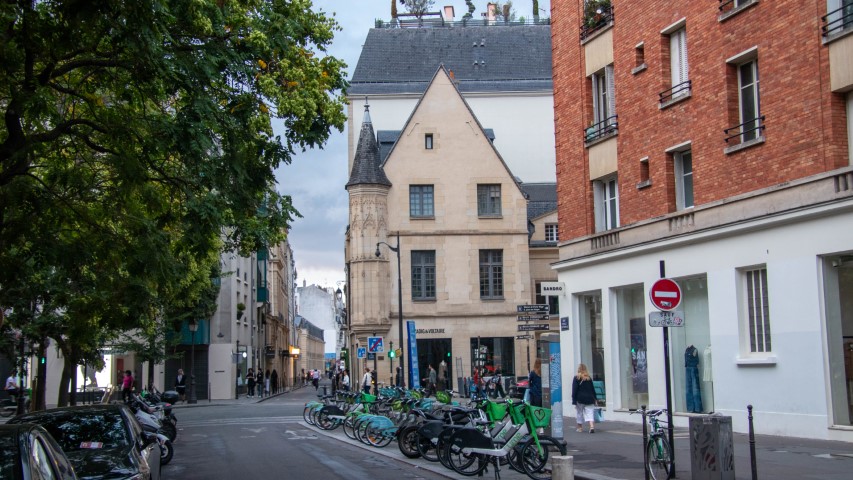
Around the cathedral and the Île de la Cité, the spiritual heart of Paris beats between stone and river.
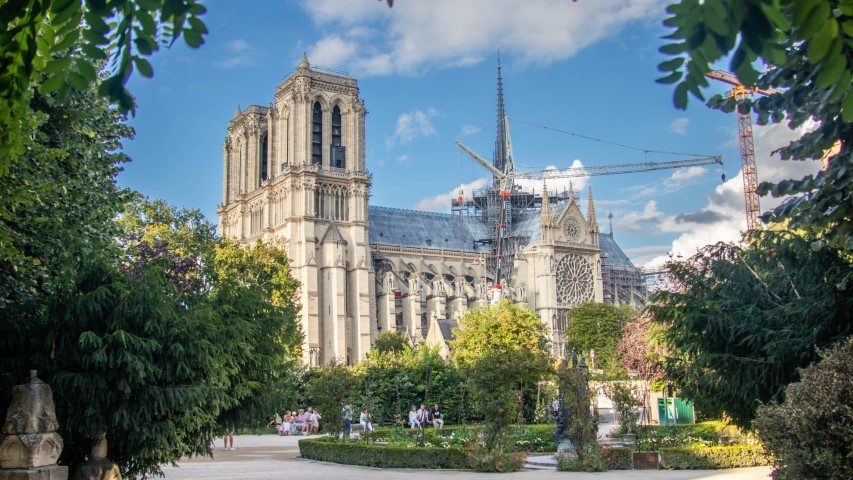
A studious Left Bank, between universities, old streets and slopes descending towards the Seine and the Île Saint-Louis.

A neighborhood of gardens, museums and hospitals: nature, knowledge and care share the same streets.
Convents, hospitals and schools: a quiet quarter where stone buildings shelter lives turned towards others.
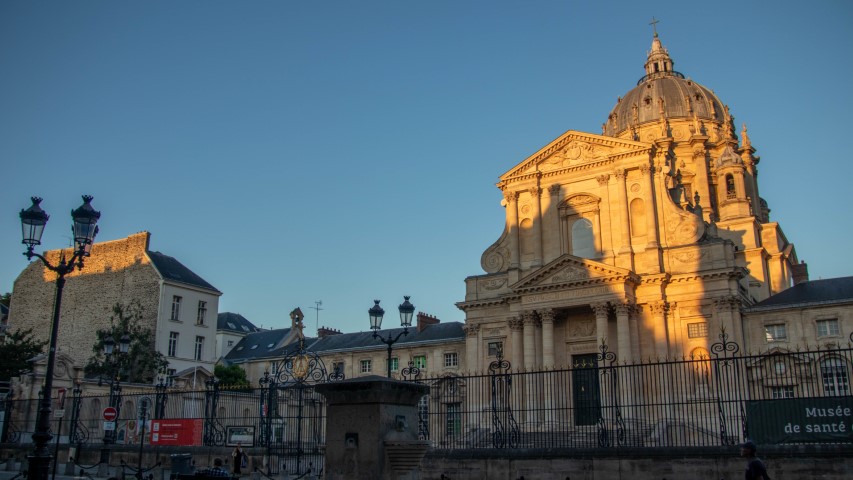
Historic Latin Quarter with universities, bookshops and student cafés: a Paris of debates, lectures and late-night revising.
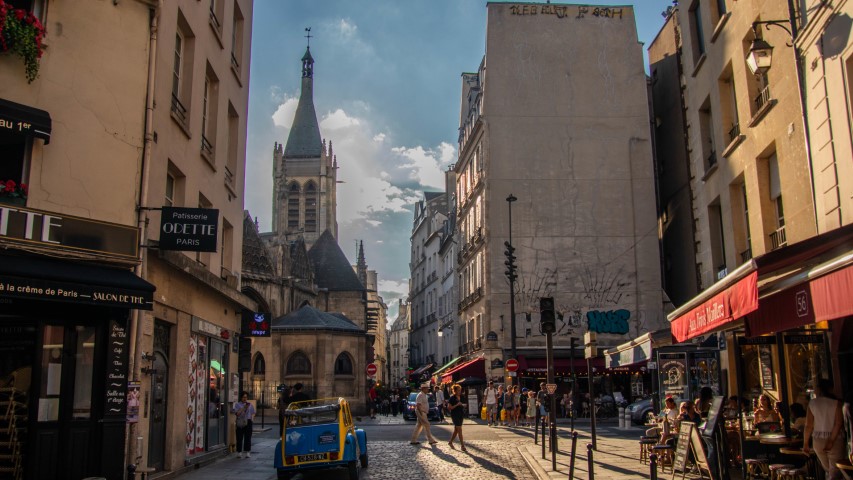
Along the Seine, between bookstalls, bridges and old houses: an elegant and literary slice of the Left Bank.
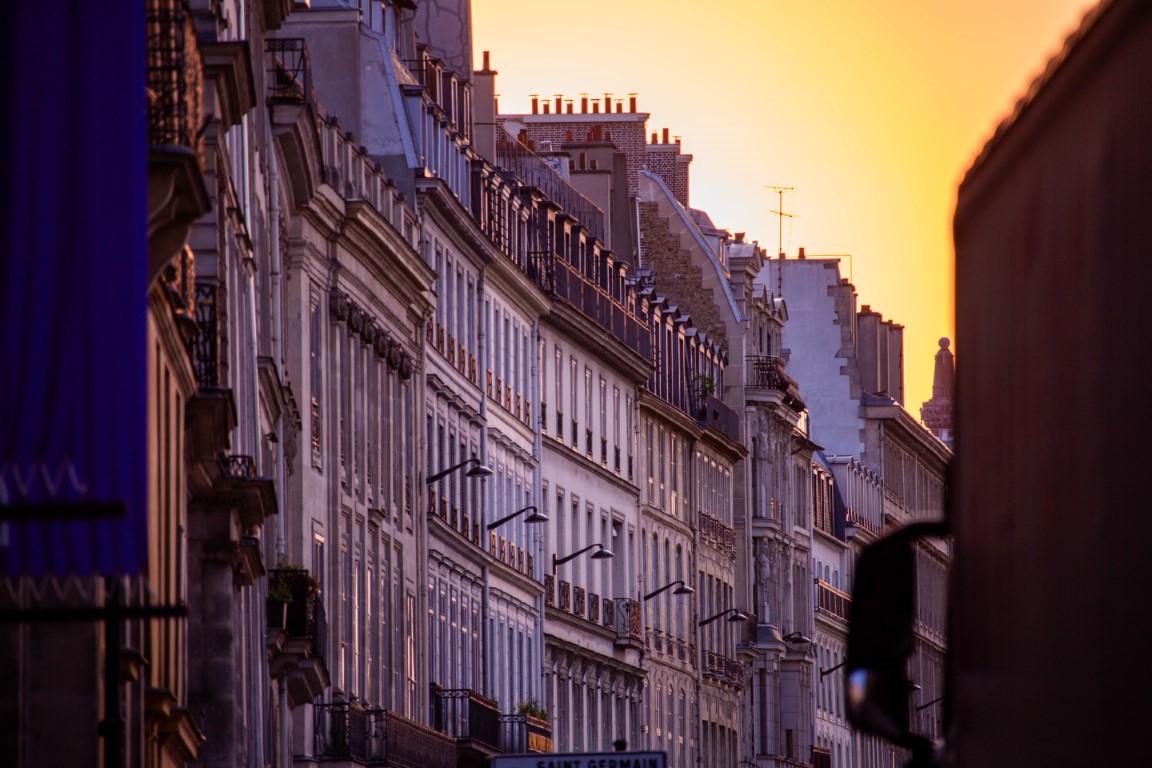
Theaters, cinemas and cafés at the corner of the Luxembourg Gardens: a neighborhood where people talk, argue and reinvent the world.
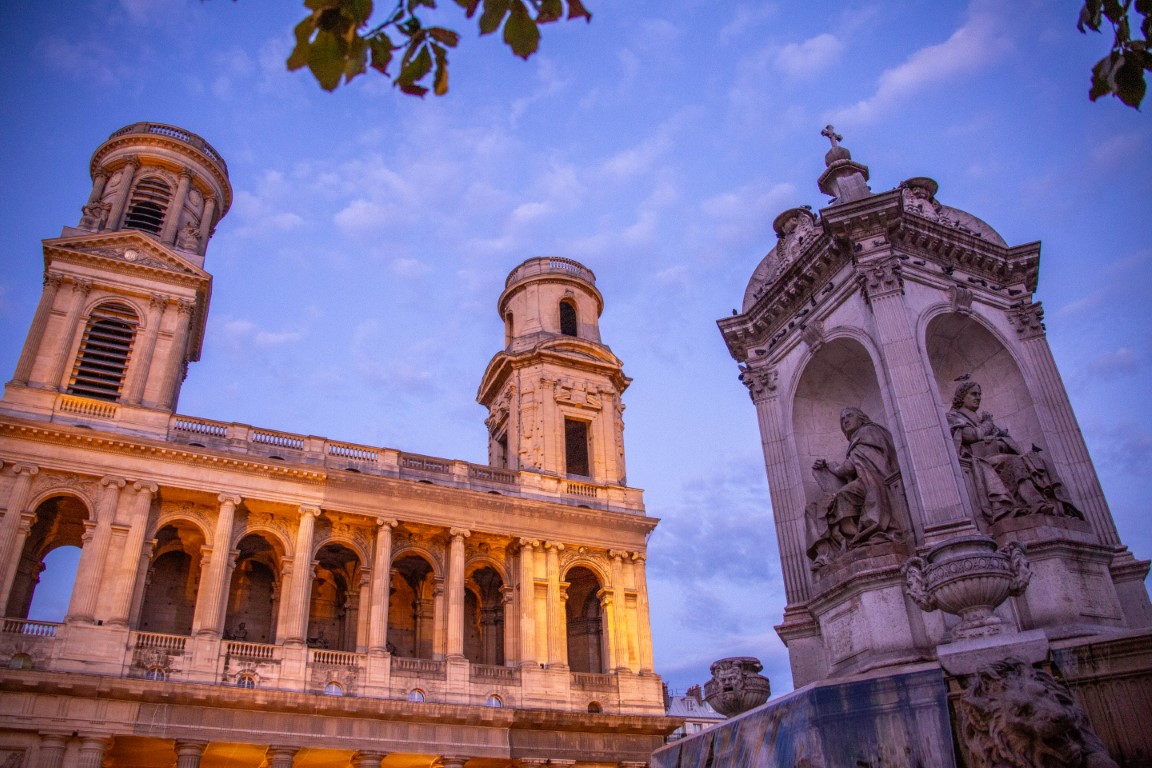
Residential streets, artists’ studios and schools: a calm, creative and family-friendly corner of the 6th.
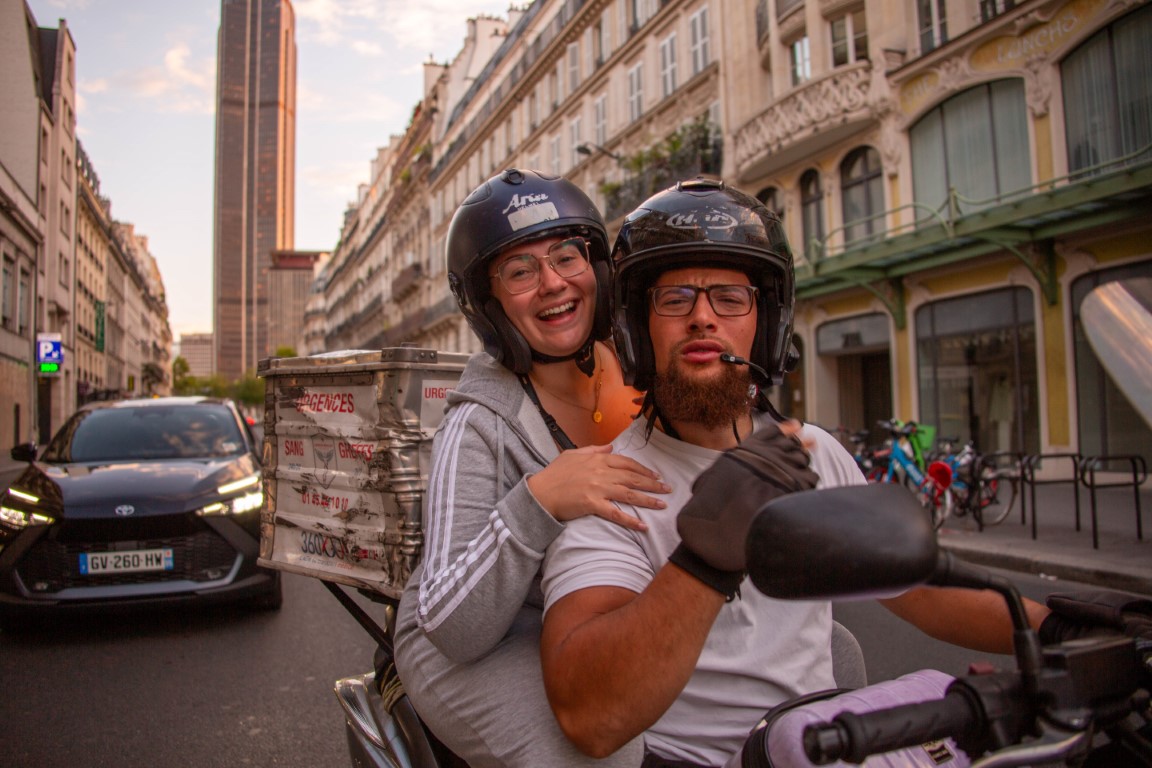
Bookshops, cafés and galleries: from post-war legends to today’s walkers, a neighborhood that lives on its conversations.
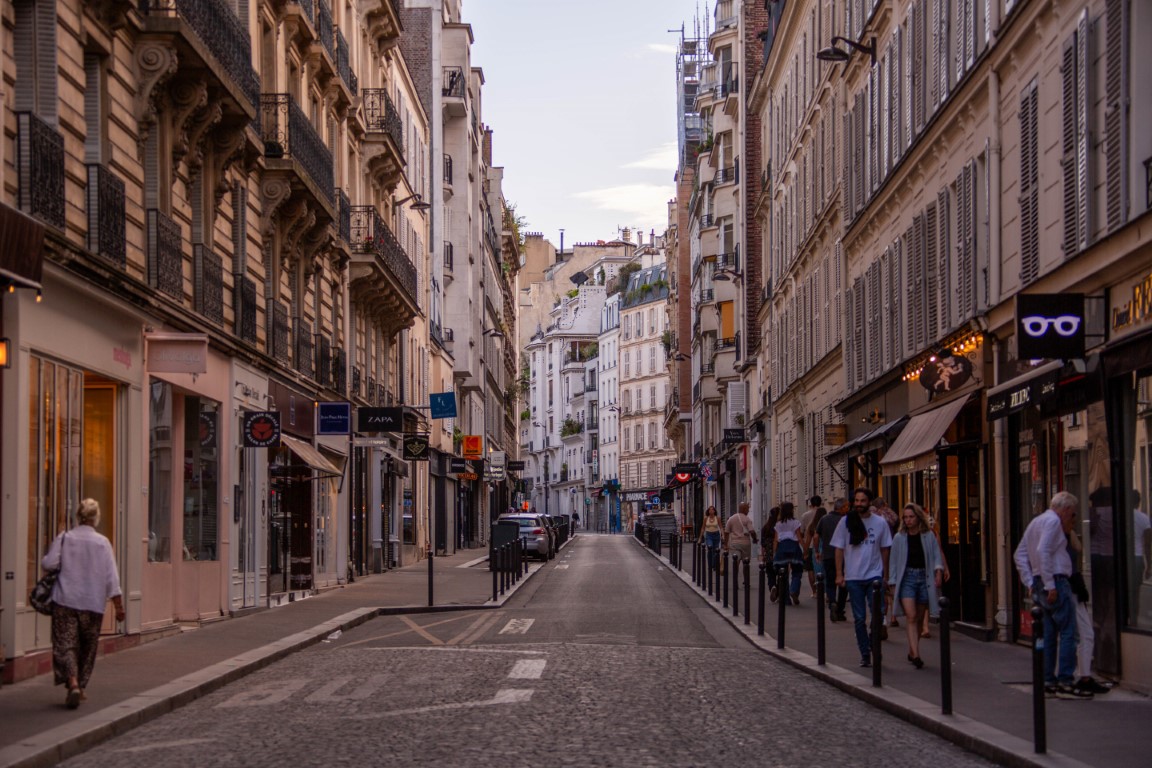
Ministries, museums and hidden courtyards: a very institutional and very secret Left Bank.
Wide esplanades, the dome of the Invalides and military museums: a place of ceremonies, memory and parades.
Around the Champ-de-Mars and the military school, a mix of barracks, schools, offices and residential streets.
At the foot of the Eiffel Tower, shops, neighborhood cafés and everyday life under the iron silhouette.
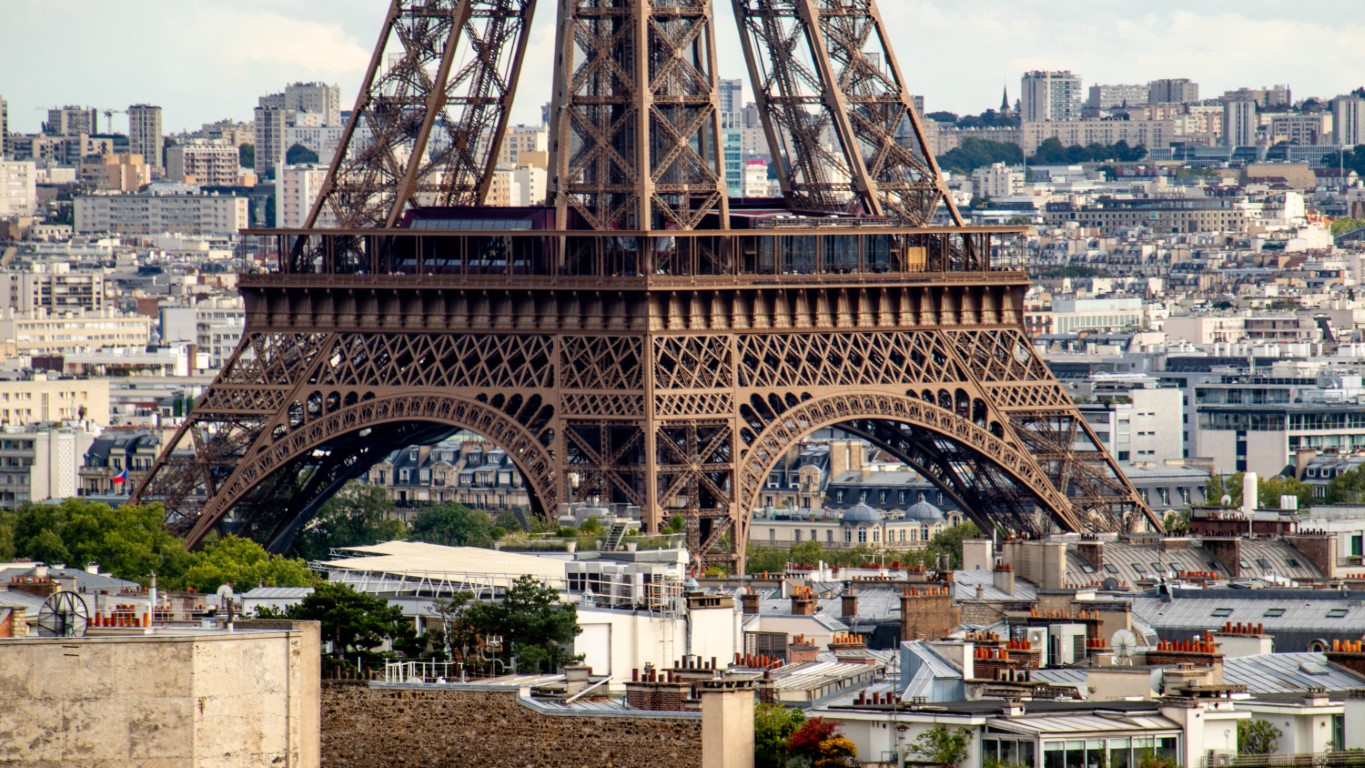
The most famous avenue in Paris, between luxury boutiques, offices, cinemas and tourist crowds.
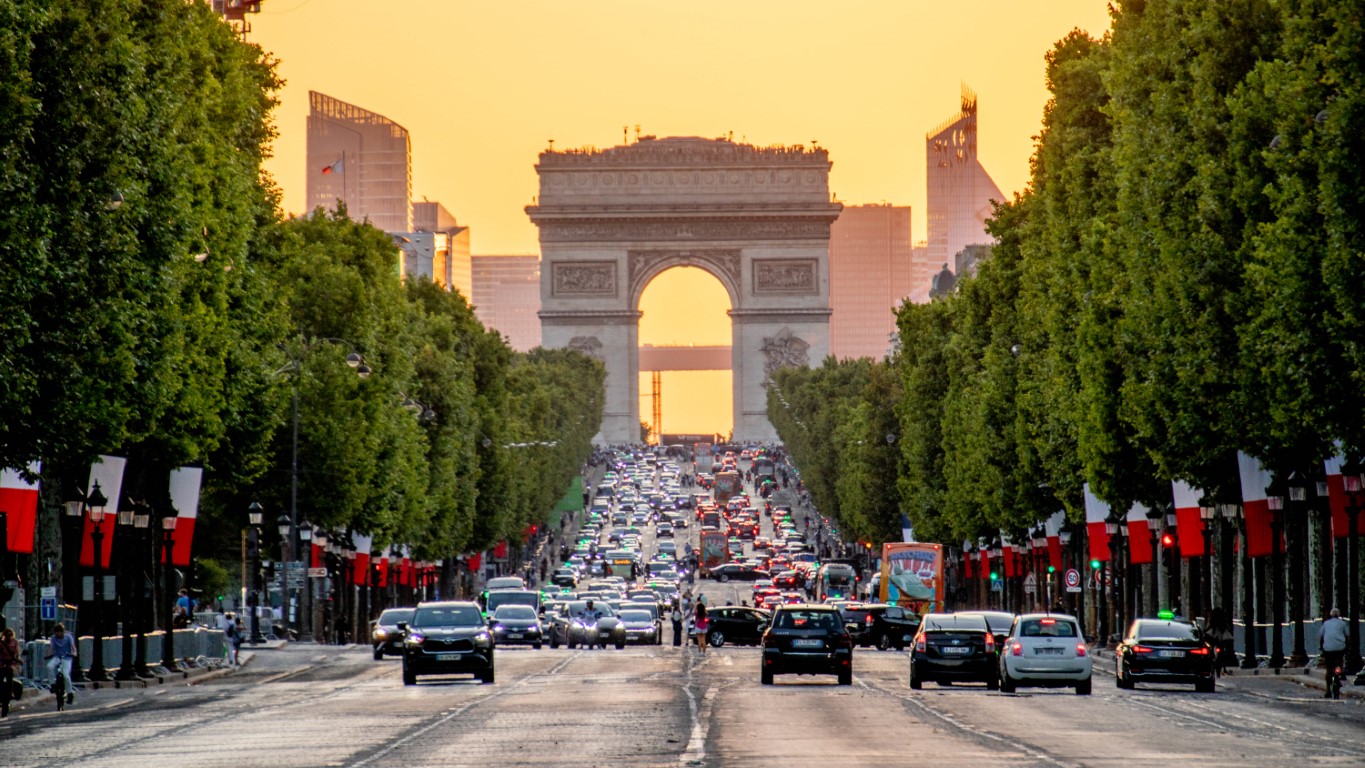
Behind the avenues, offices, apartments and small streets that remind you people really do live here.
Church, department stores and grand boulevards: a meeting point between shopping, offices and monuments.
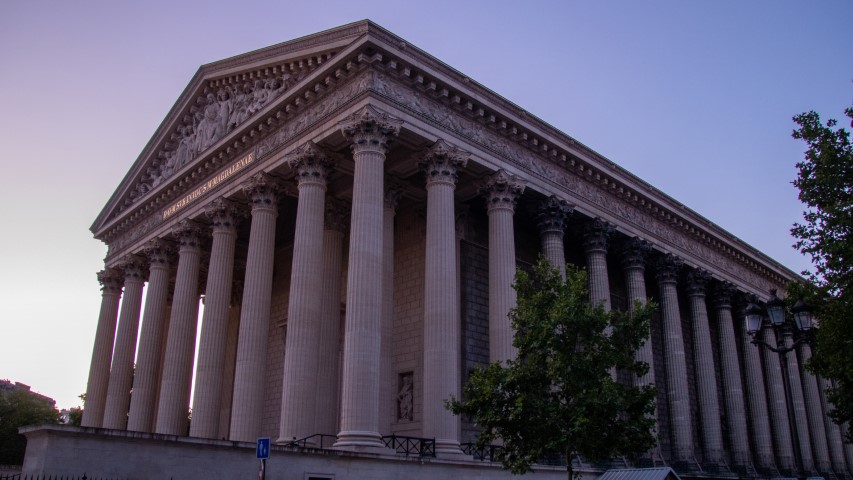
A quiet, residential neighborhood of Haussmann buildings, small squares and wide, crossing boulevards.
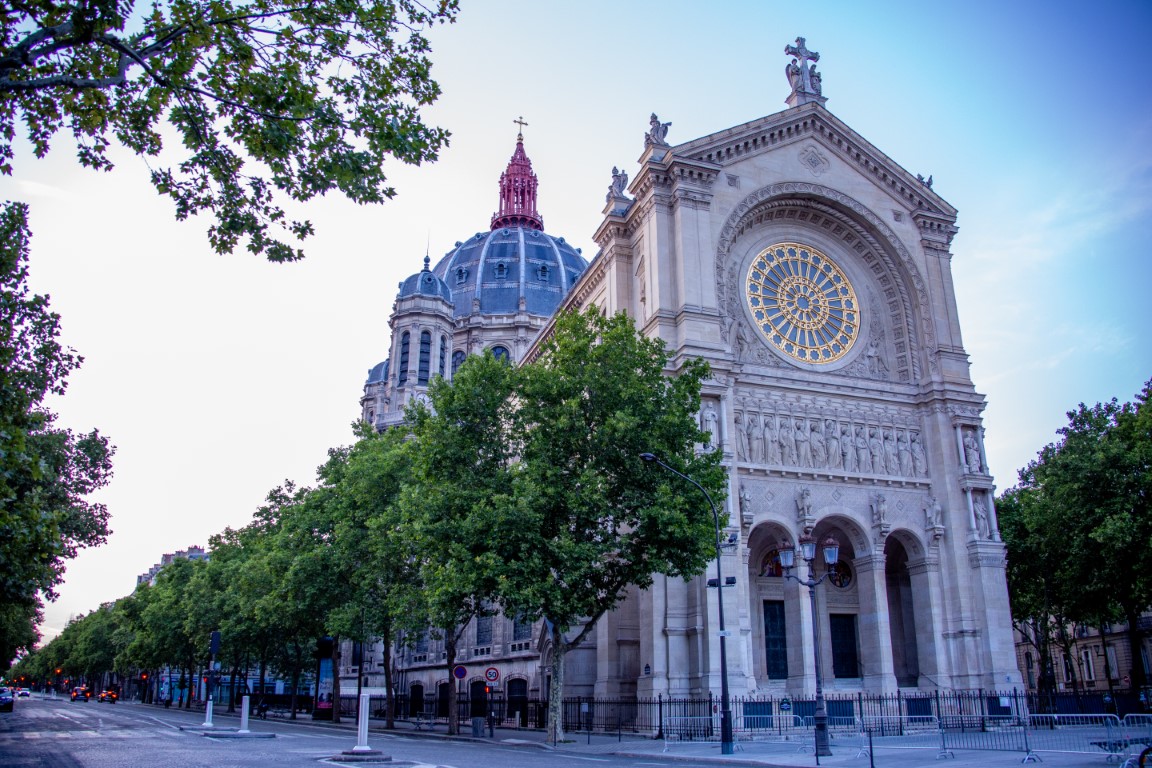
Old theaters, stair-stepped streets and townhouses: a romantic and theatrical corner of the 9th arrondissement.
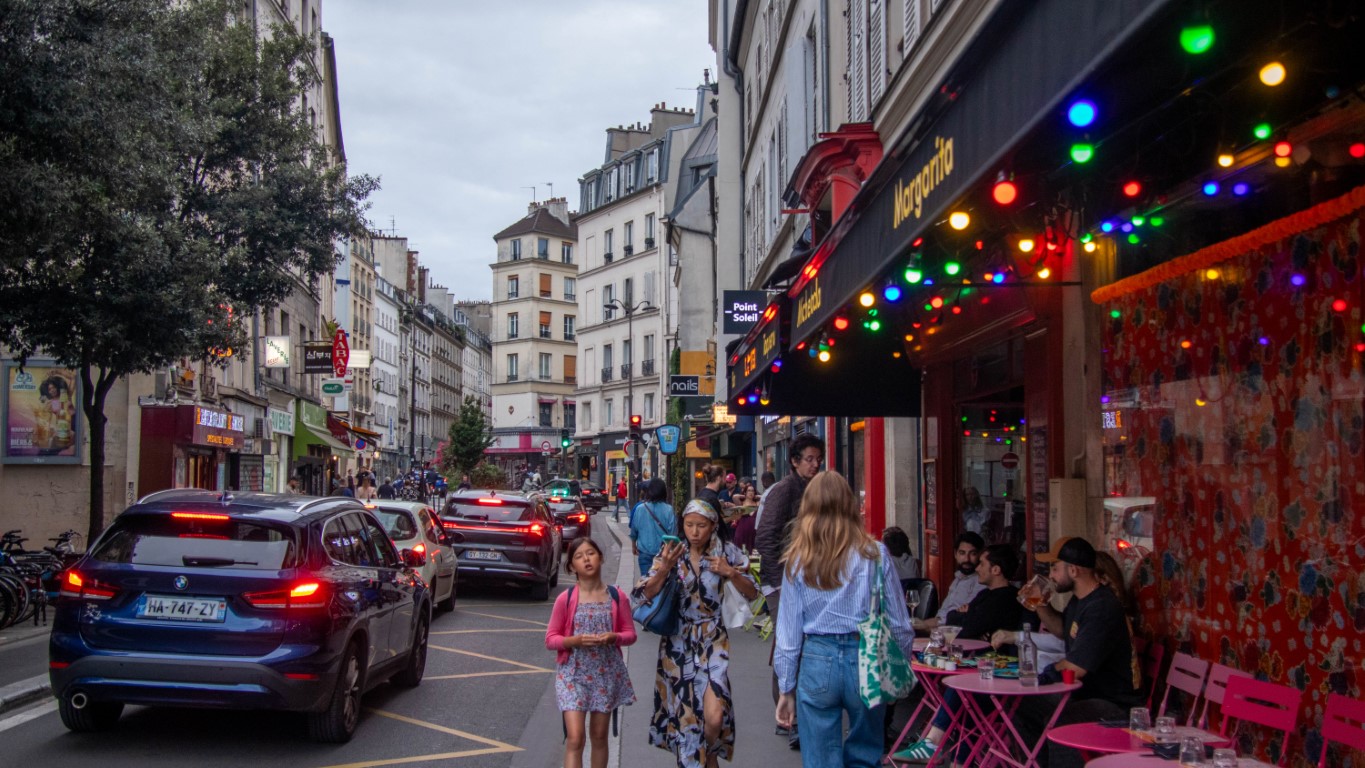
Between department stores and office buildings, an area of shops, crowds and fast-paced everyday life.
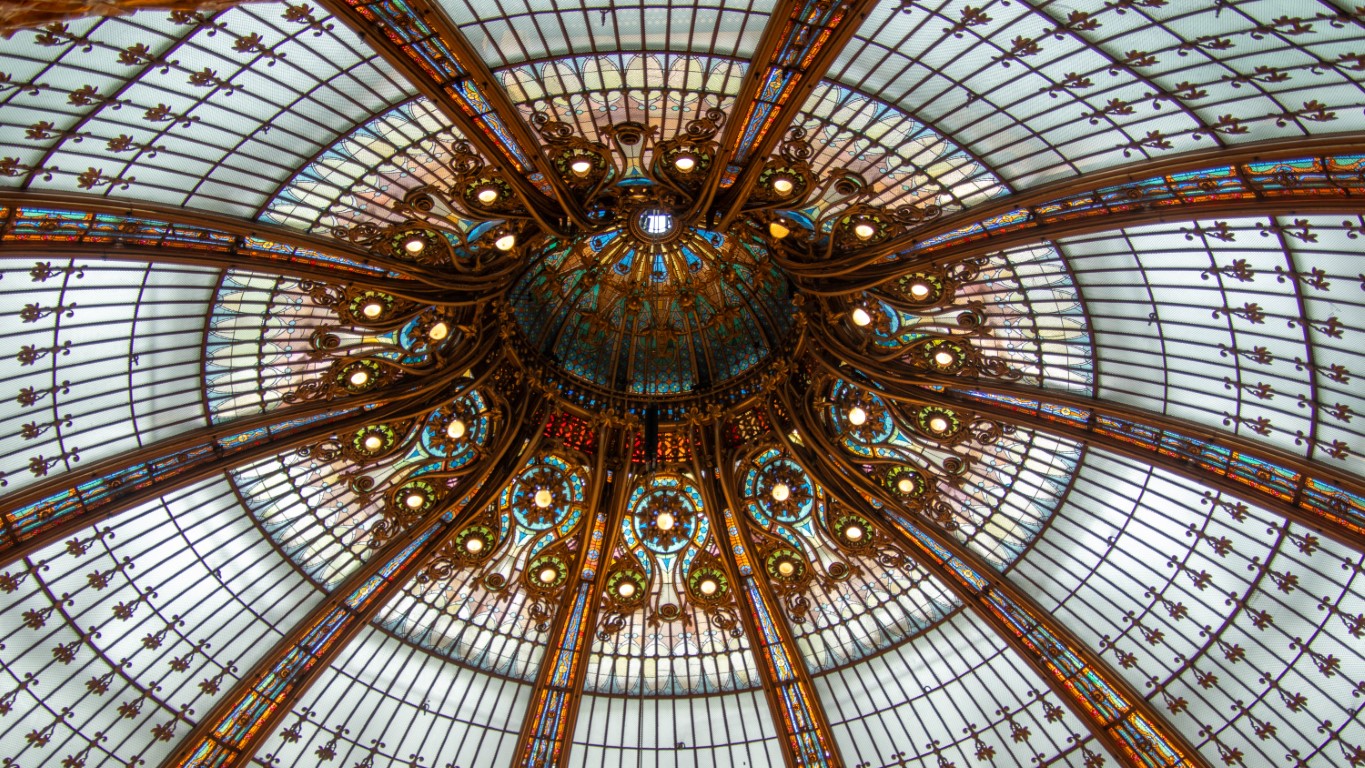
Press, theaters and cafés: a neighborhood of stages and editorial offices, always half in daylight, half backstage.
On the slopes of Montmartre, a mix of concert halls, small hotels and everyday streets climbing toward the hill.
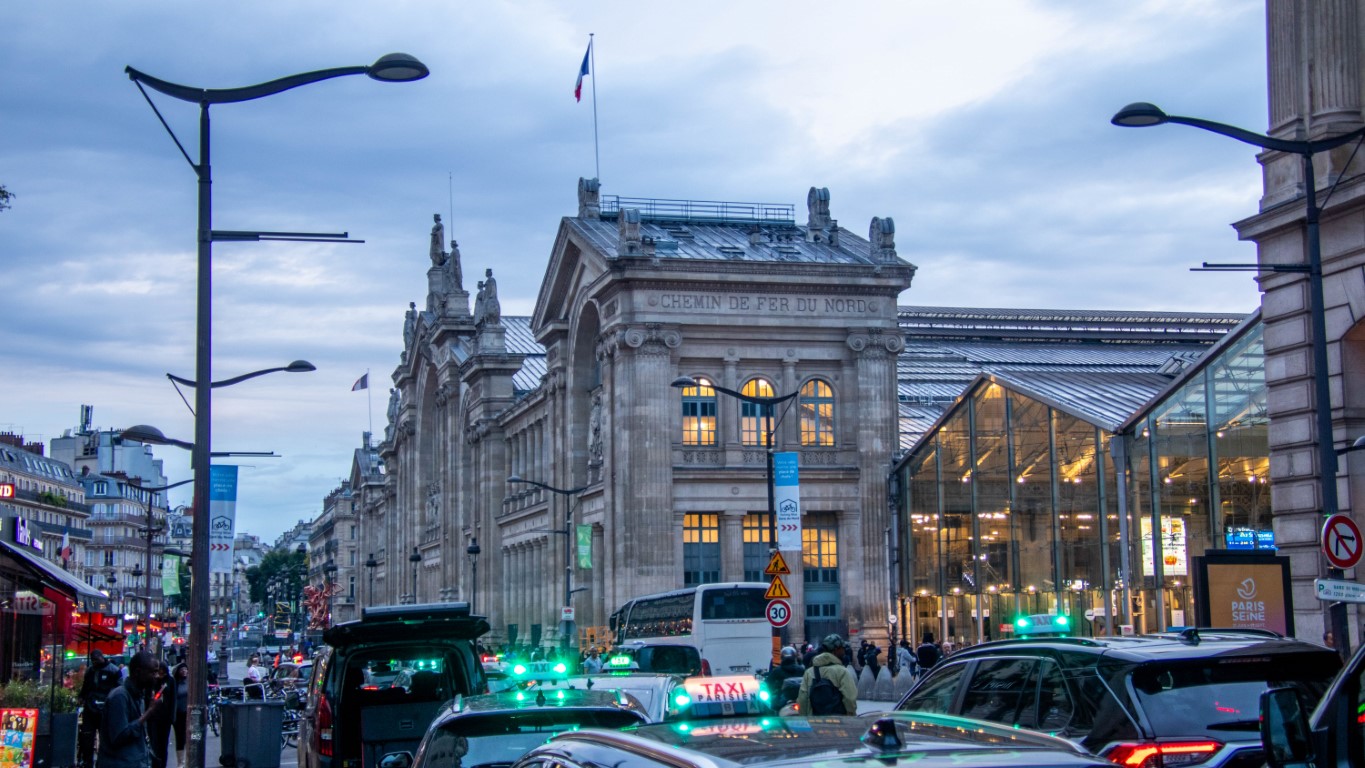
Around the Gare du Nord and Gare de l’Est, flows of travelers, bistros and fast-changing streets.
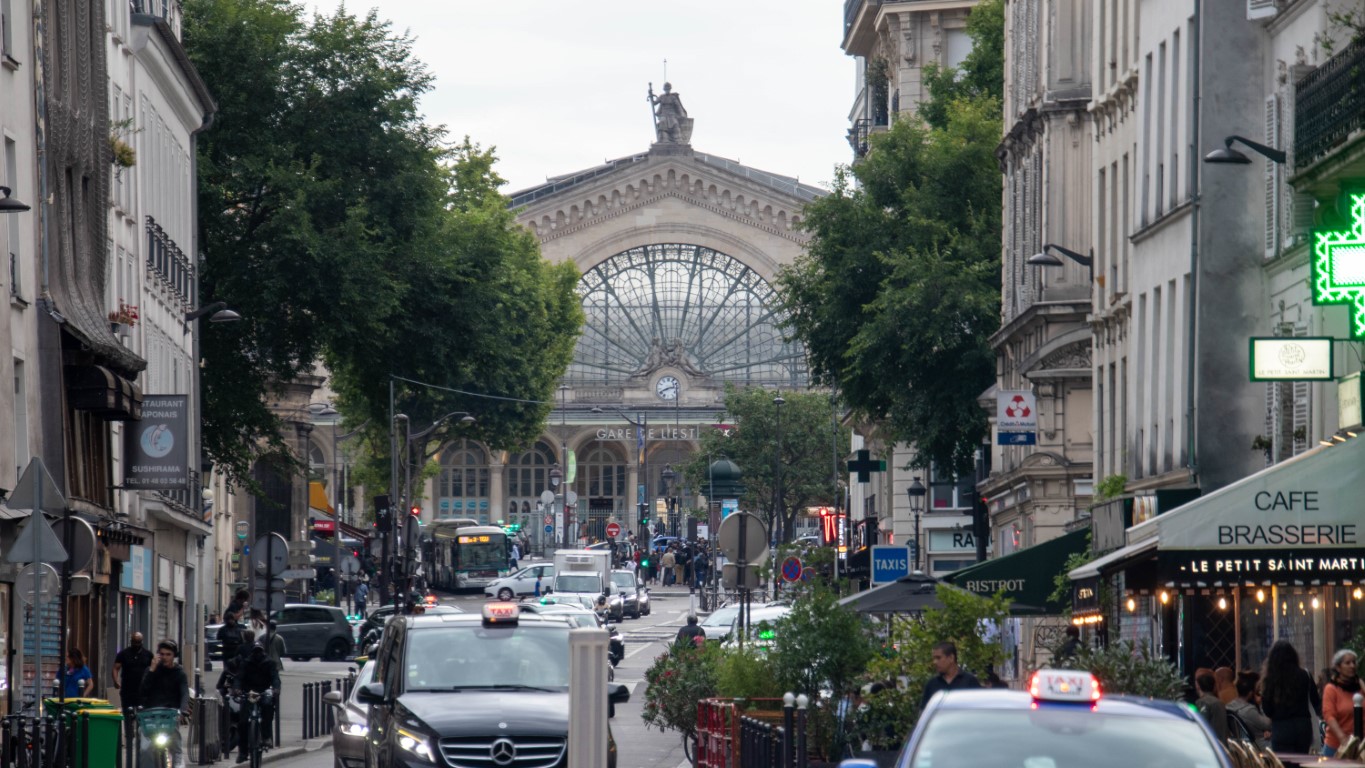
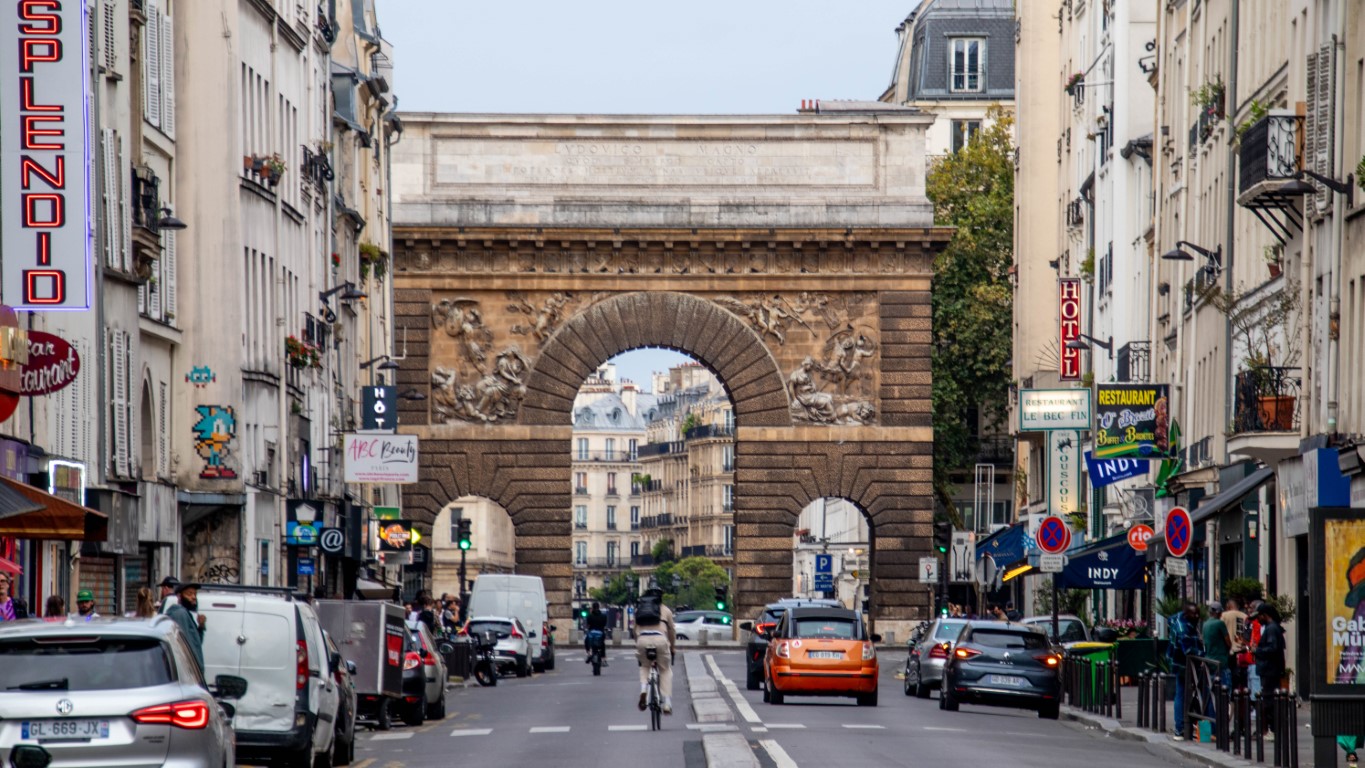
Historic gates, busy boulevards and cosmopolitan side streets: a neighborhood of passage and nightlife.
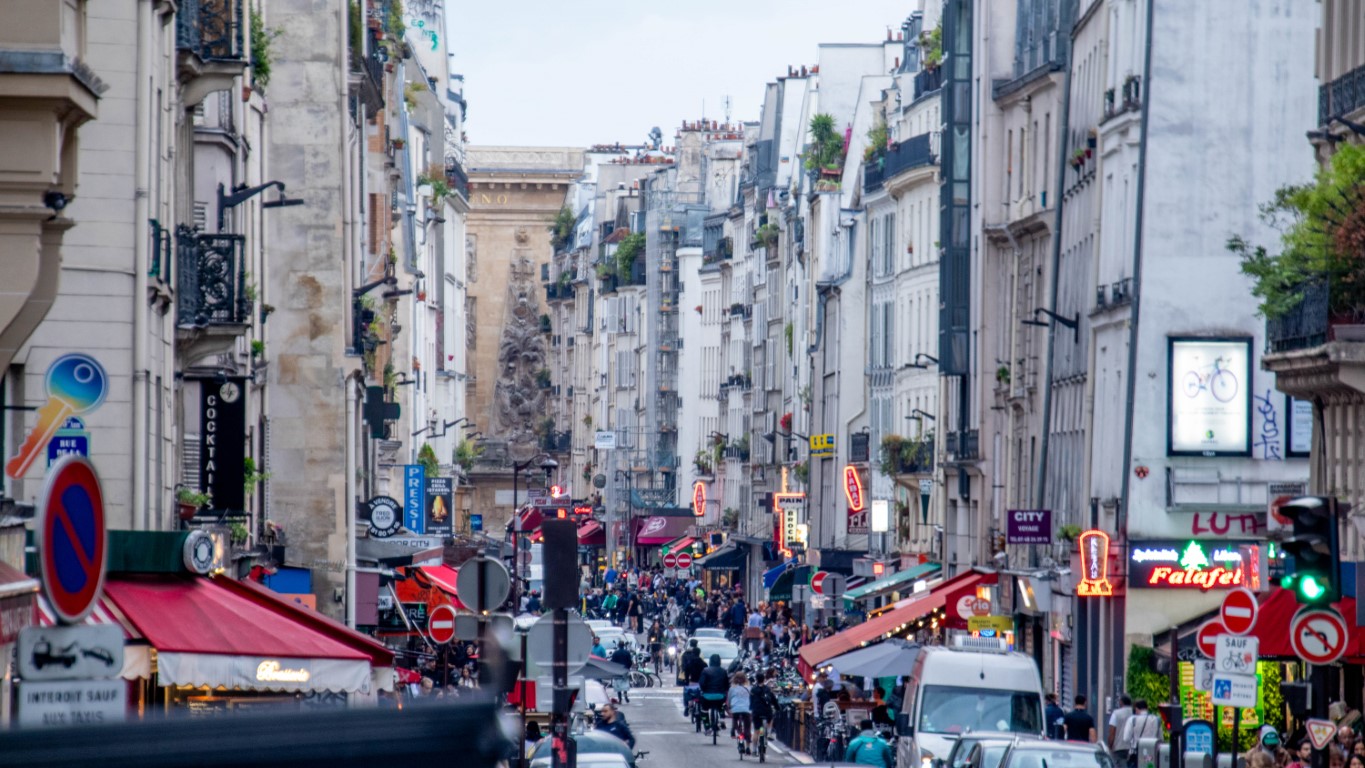
Historic gateway between neighborhoods. A lively, multicultural area.
Famous hospital, canals, and city gardens. Peaceful and full of authentic Parisian life.
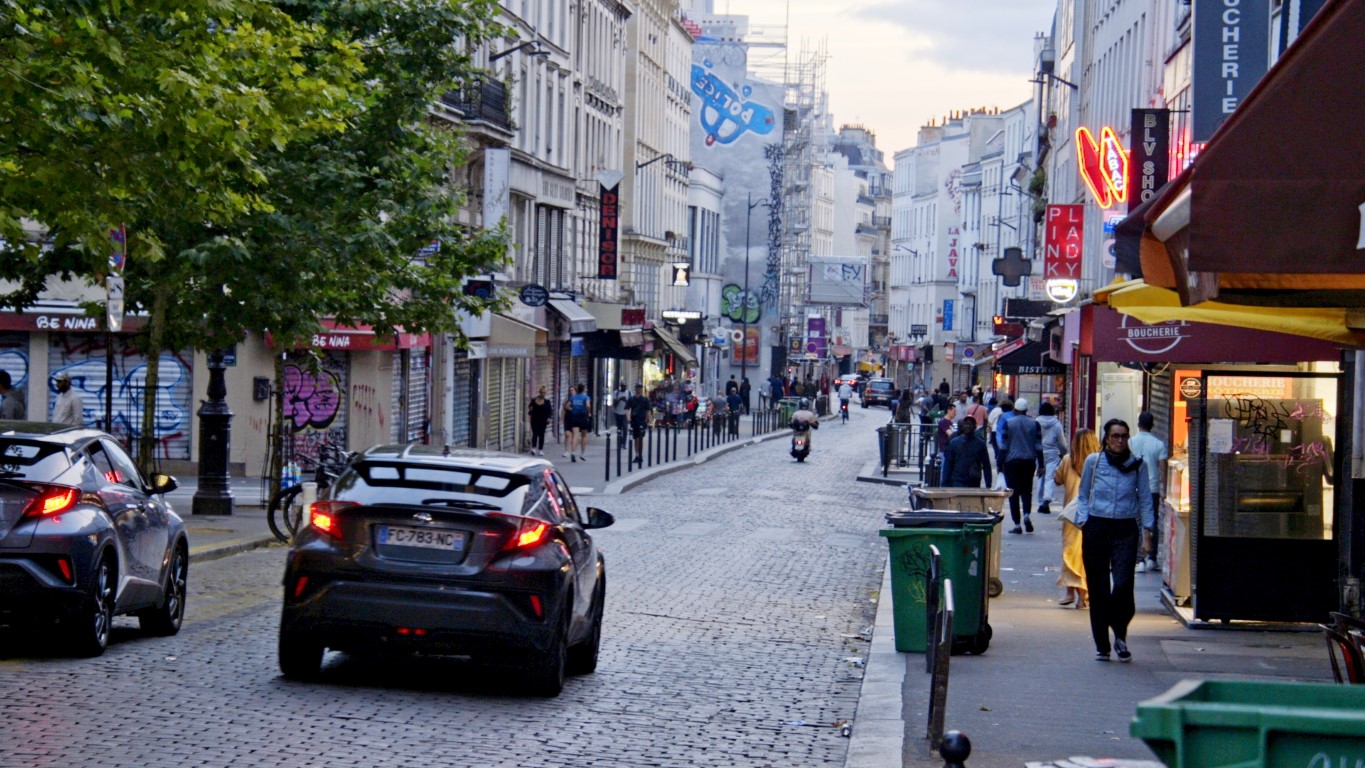
Courtyards, workshops and small streets between Boulevard Richard-Lenoir and Belleville: a village in motion.
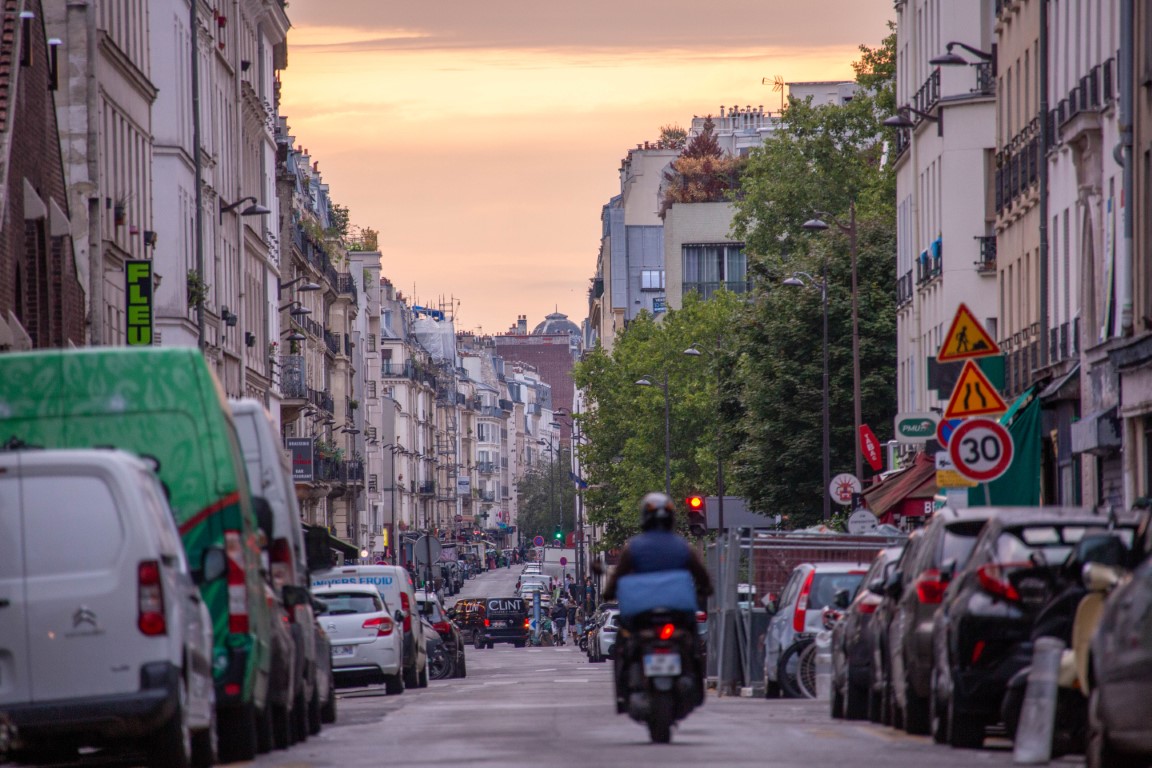
Between République and Nation, a busy neighborhood of cafés, associations and everyday activism.
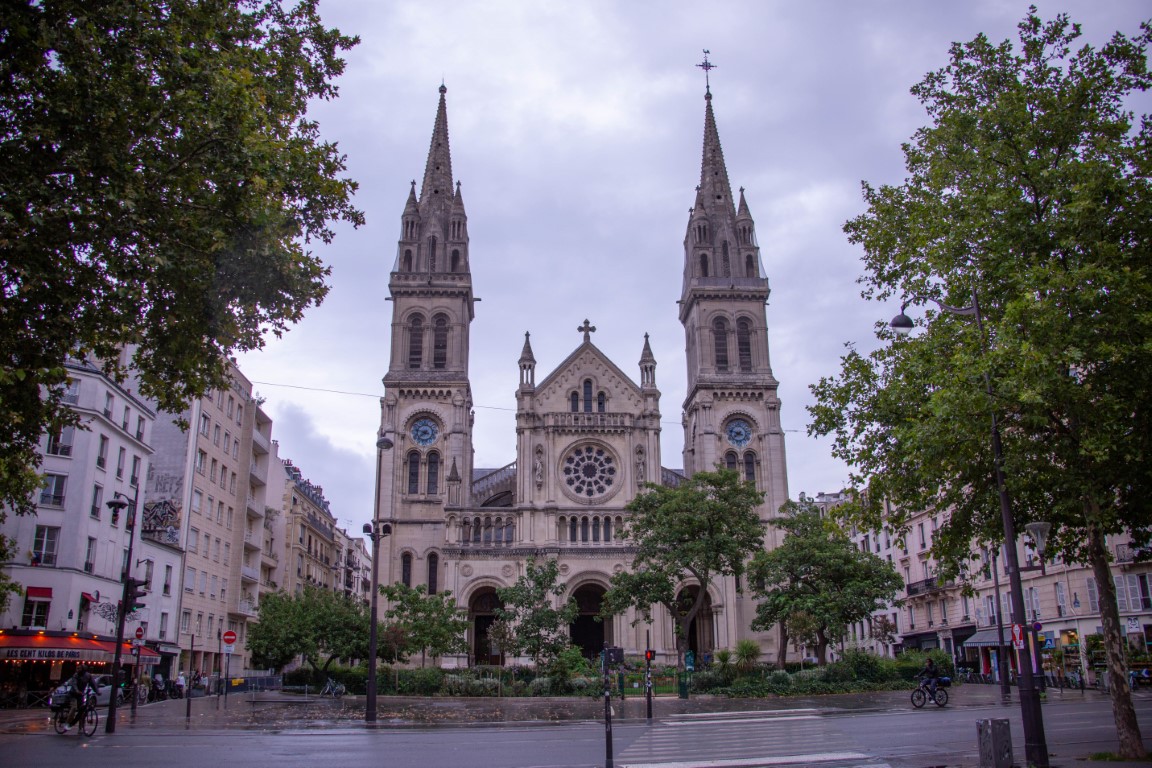
Bars, venues and small streets around Père-Lachaise: a neighborhood of nights out, marches and memories.
A modest, residential 11th, with schools, courtyards and everyday shops around tree-lined squares.
Between Picpus and the Bois de Vincennes, a residential neighborhood of schools, gardens and calm streets.
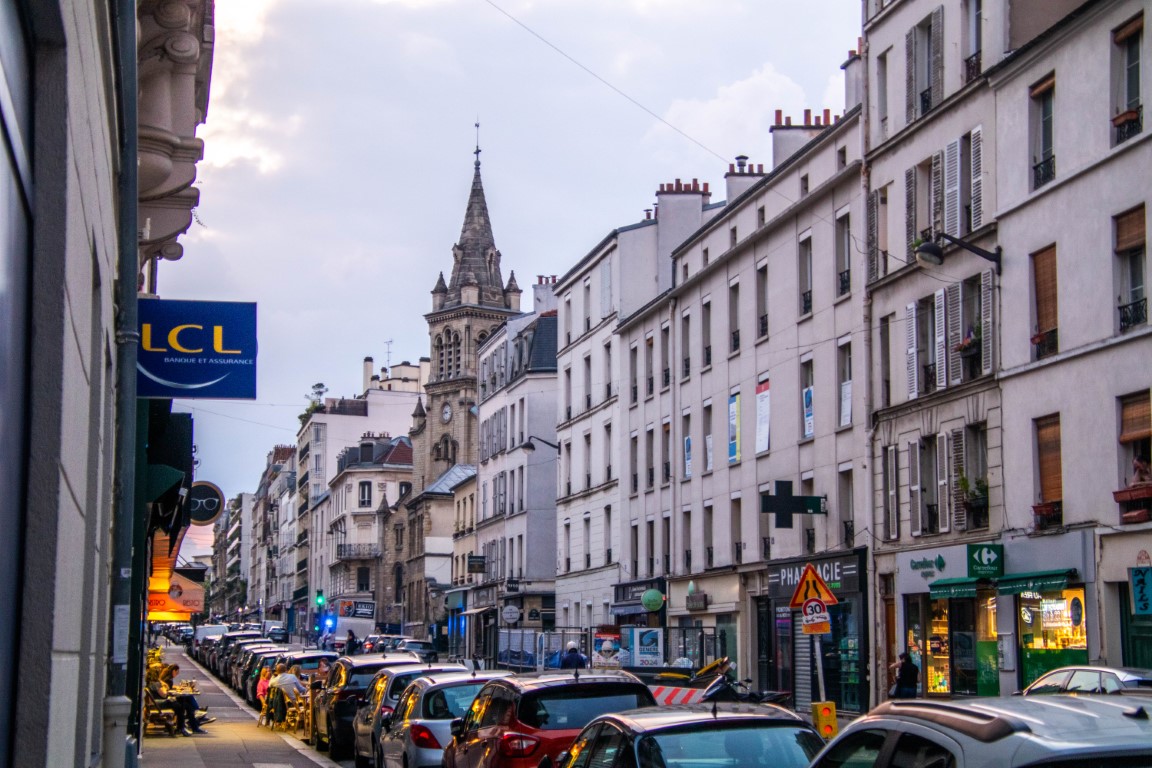
Hospitals, schools and quiet courtyards: a family-oriented, modest part of eastern Paris.
Along the Seine, between the park, the arena and the ministry: a new district of offices, culture and open spaces.
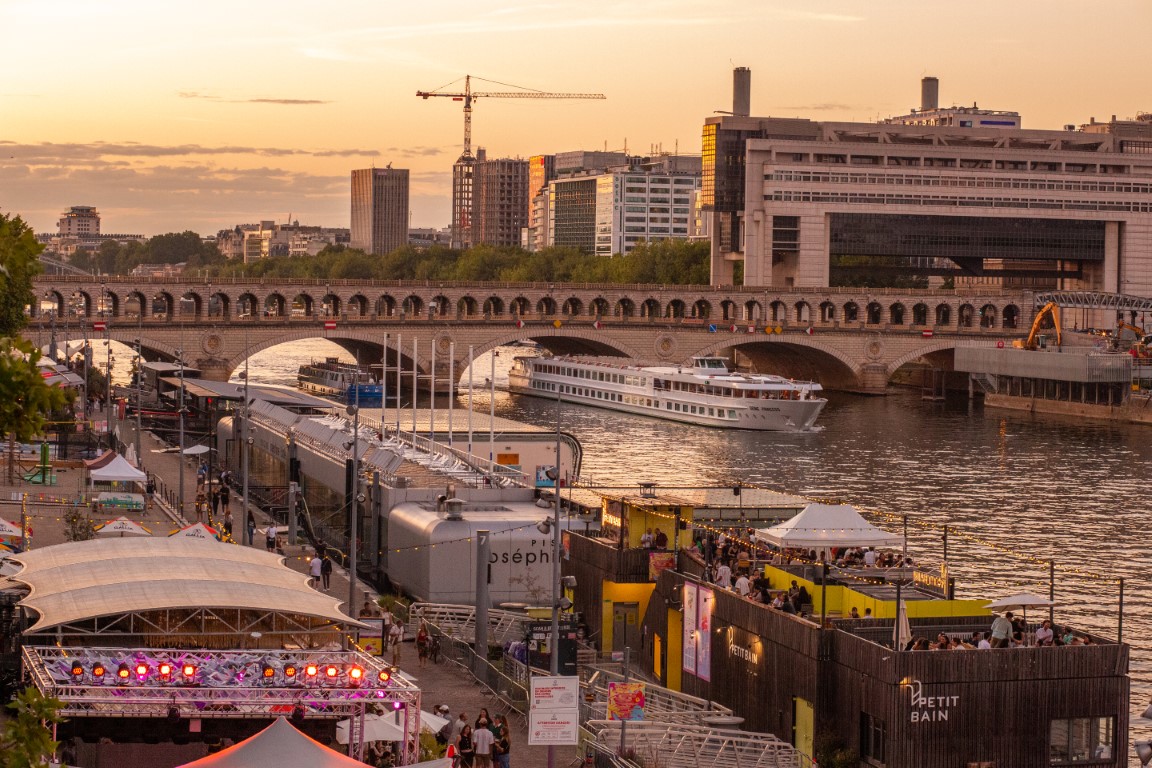
Around the Gare de Lyon and hospitals, a crossroads of trains, commuters and care services.
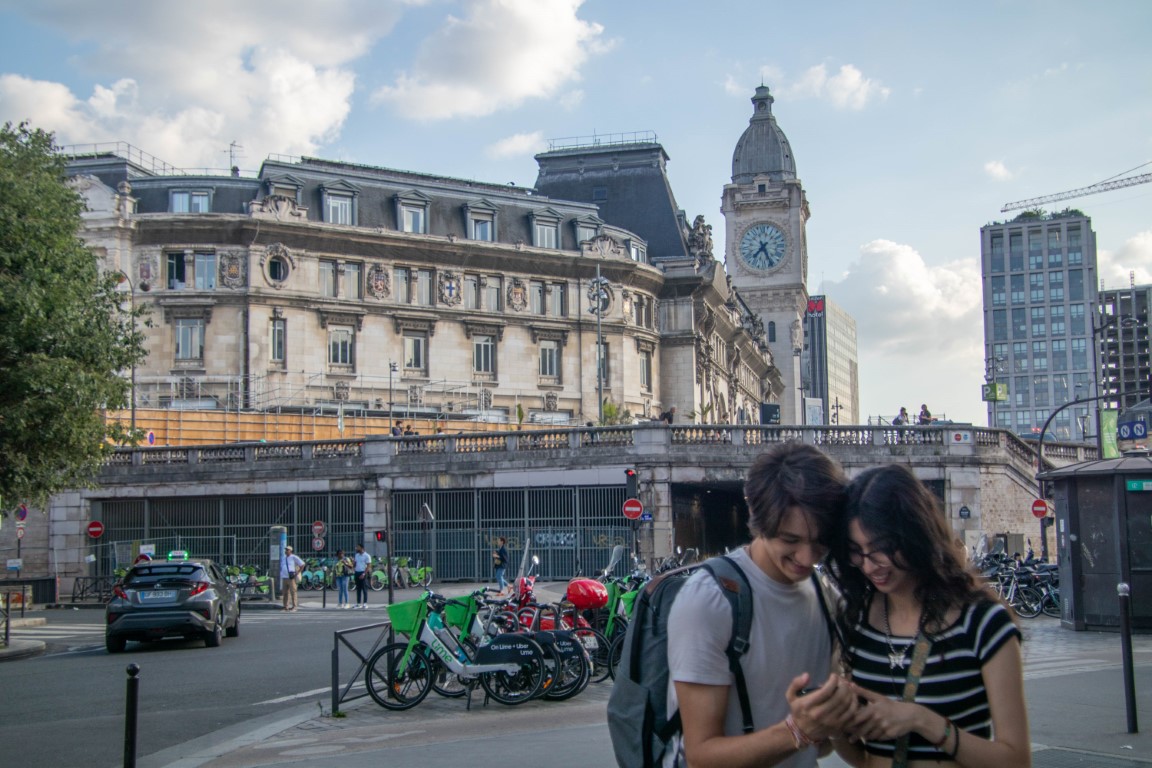
A hospital city inside the city, with housing blocks and large avenues that carry thousands of lives every day.
To the south-east, rail lines, workshops and new developments: a district that is still being transformed.
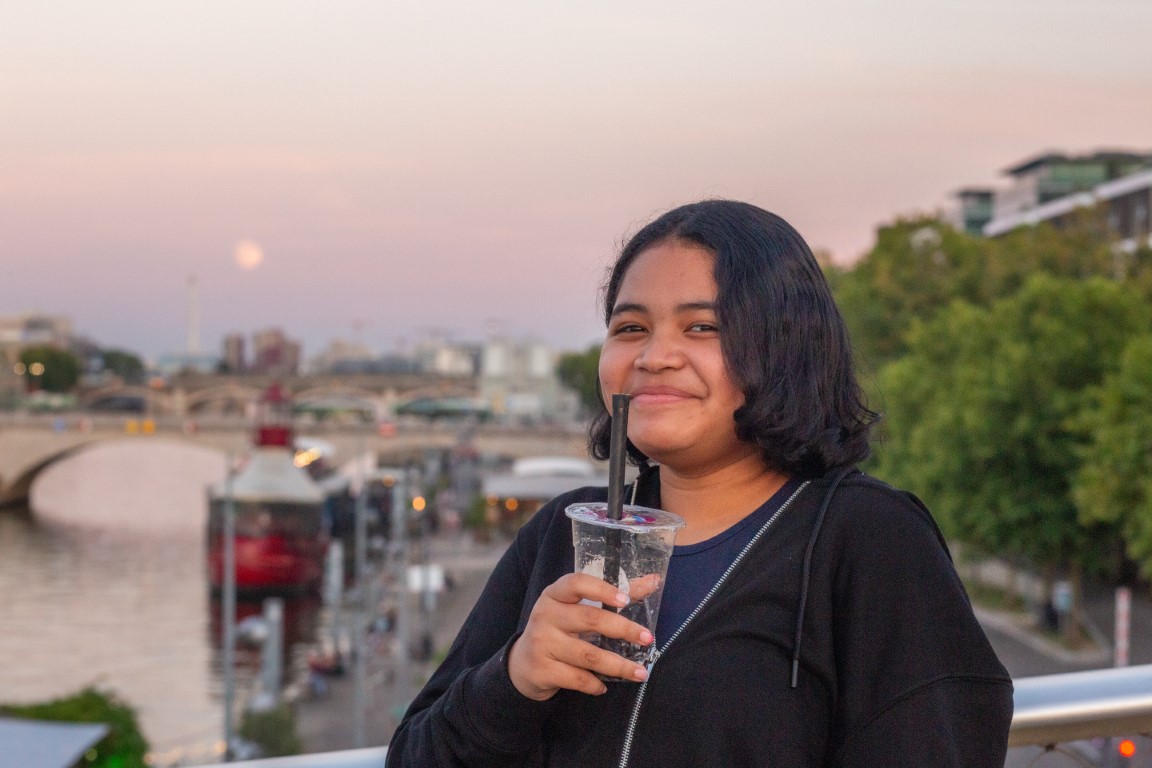
A popular and mixed area, with avenues, small streets and everyday life between Chinatown and the périphérique.
On the edge of the 13th, between old factories, residential blocks and small parks tucked between buildings.
Station, tower, cinemas and cafés: a historic crossroads for artists and travelers of Paris.
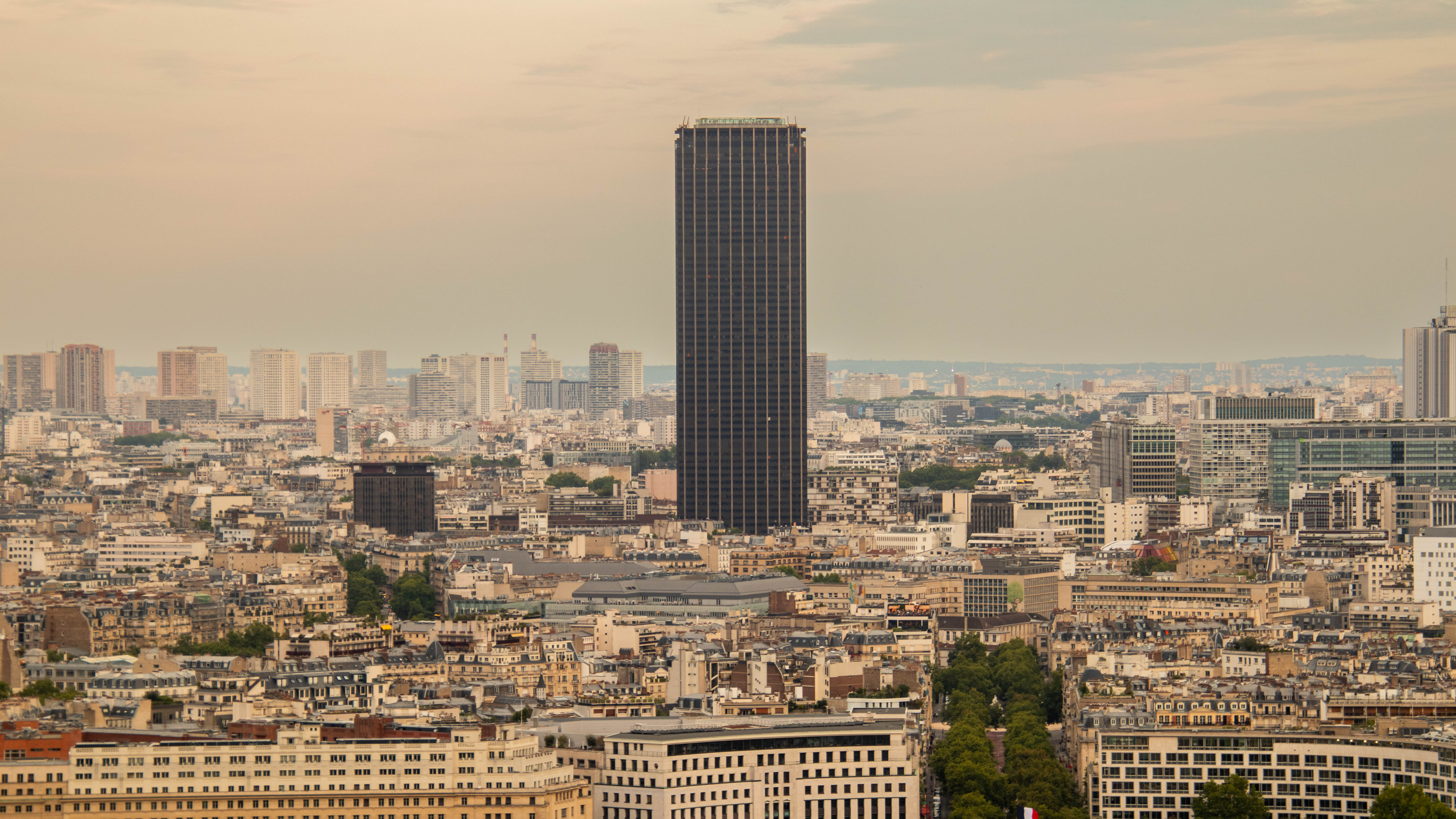
Around the large park, student residences and houses: a green, airy neighborhood at the edge of Paris.
Small buildings, shops and quiet streets: a residential 14th with a soft, neighborhood atmosphere.
Former working-class area becoming more family-oriented, with courtyards, social housing and a strong everyday life.
Around the Parc des Expositions, a very residential 15th, between large avenues and quieter side streets.
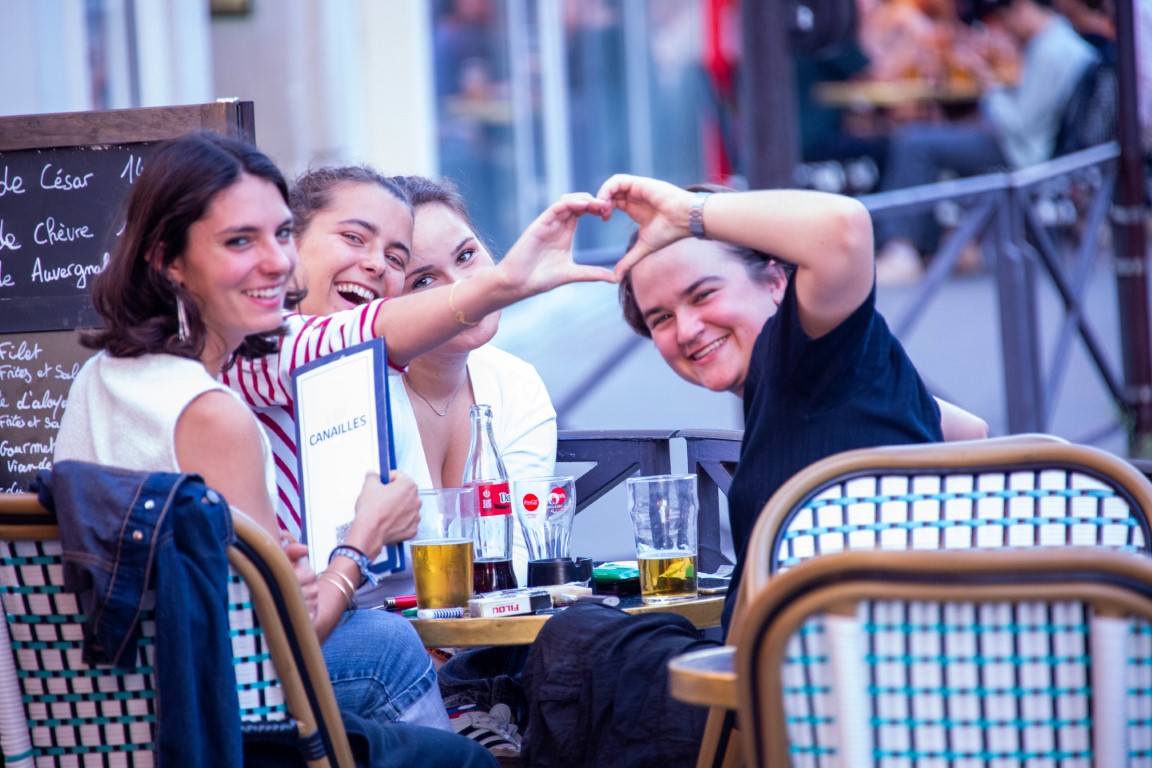
Hospitals, schools and the Montparnasse station: a neighborhood where care, travel and work meet.
Along the Seine and the high-rises, a landscape of footbridges, shops and towers facing the river.
In the south-west of Paris, former factories converted into offices and studios, renovated quays and wide views of the Eiffel Tower.
An old village absorbed by Paris, with houses, stadiums and quiet streets: a place of sports and poetry.
Around Trocadéro and the Bois de Boulogne, embassies, museums and residential avenues share the same postcard views.
Between the Bois de Boulogne, universities and wide avenues, a district of calm corners and long perspectives.
Facing the Eiffel Tower, theaters, museums and spectacular squares: a balcony over the Seine.
Big boulevards, covered markets and small residential streets: a lively but very lived-in neighborhood.
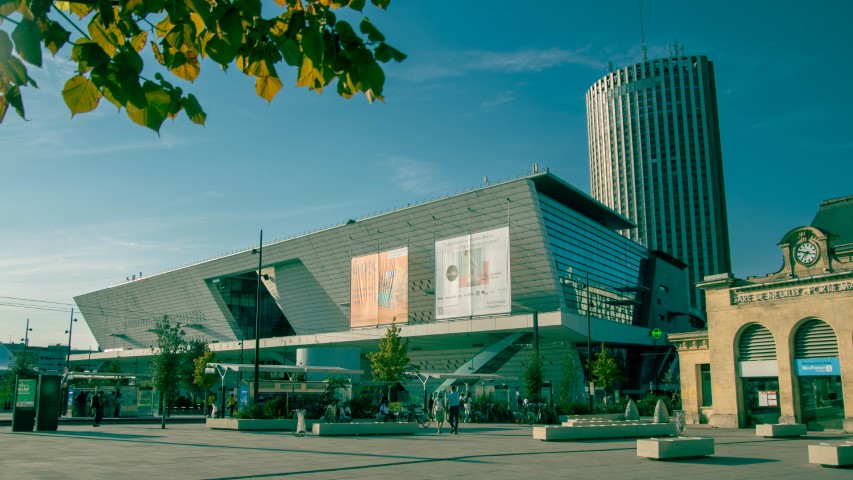
Townhouses, wide tree-lined avenues and quiet streets: a classic elegance, almost out of time.
Parks, cafés and small squares: a creative, bohemian neighborhood, much loved by its inhabitants.
A neighborhood in transformation, but still with a village feel, between workshops, families and new venues.
Below Montmartre, former quarries turned into artist studios, stepped streets and unexpected views.
At the gates of the 18th, flea markets, second-hand stalls and a mix of cultures from all over.
Markets, music and scents from around the world: a vibrant, direct and creative district in northern Paris.
Between tracks, markets and new housing blocks, a district of passages, mixing and rapid change.
Around Parc de la Villette, culture, science and music: a vast cultural playground.
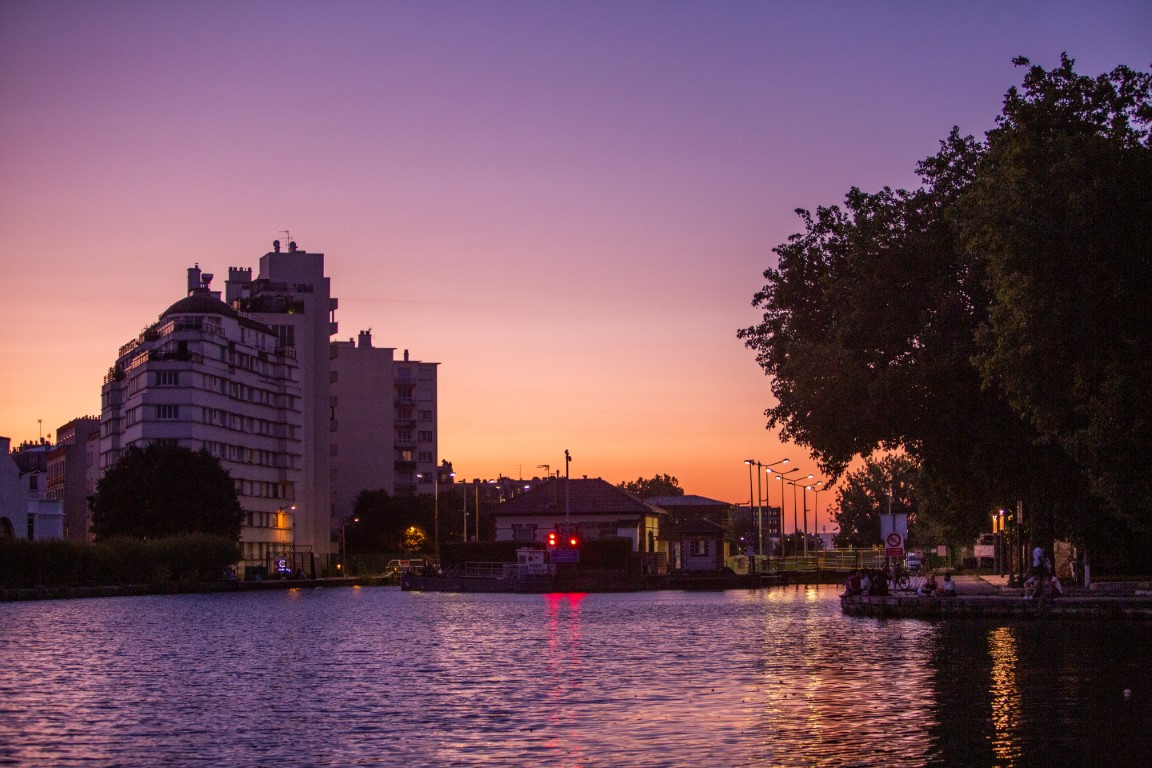
Along the canal, new architecture, walkways and parks: a piece of the city busy reinventing itself.
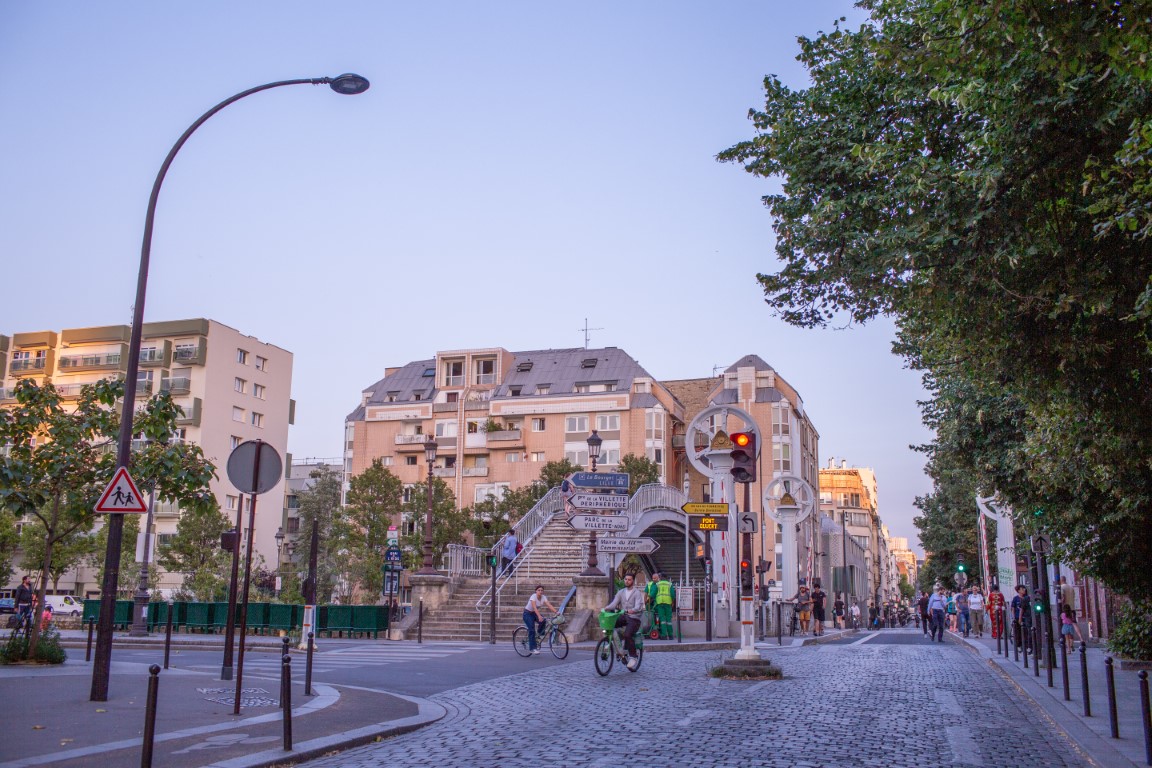
Hills, former quarries and big views: a greener, more residential and family-oriented 19th arrondissement.
Near the Buttes-Chaumont, markets, neighborhood bars and youth inventing its own habits.
Street art, world cuisines and social struggles: a neighborhood of artists, families and movements.
Village spirit, gentle slopes and small calm streets: a discreet but very alive Paris.
A world-famous cemetery, schools and housing: a neighborhood of memory, trees and everyday life.
A former working-class suburb with a village center: lanes, cafés, hidden courtyards and a lot of soul.
Those who have shown kindness, courage, or a human light.
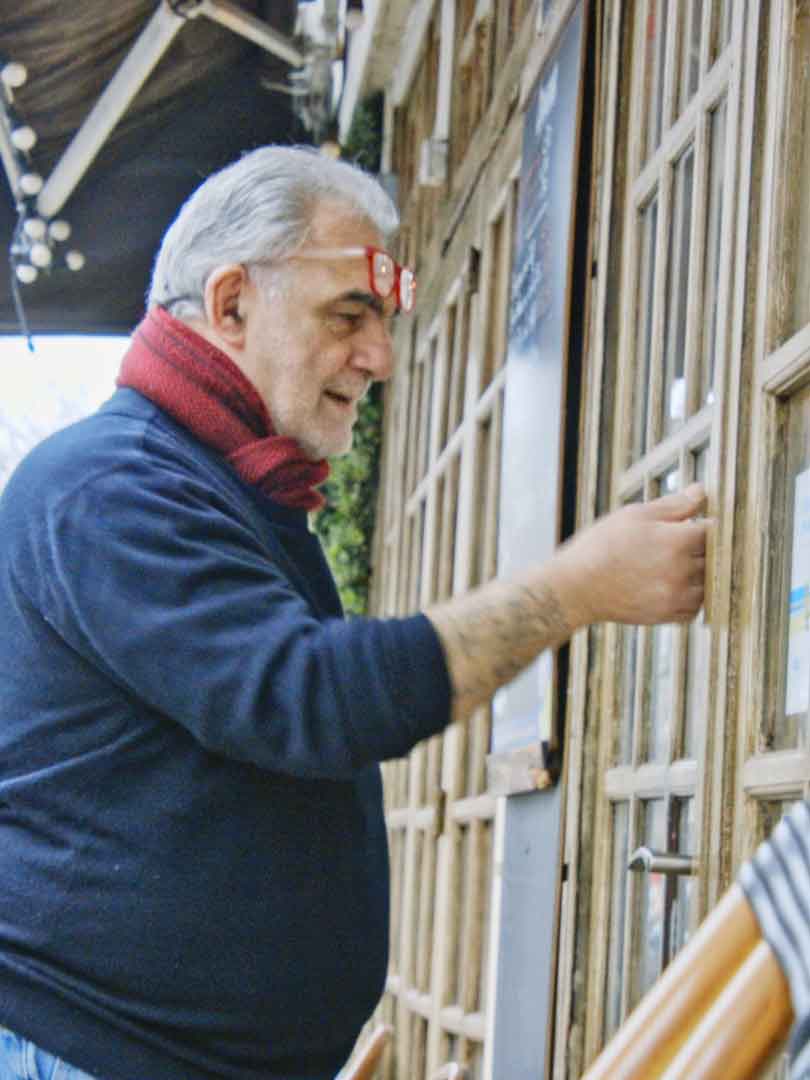
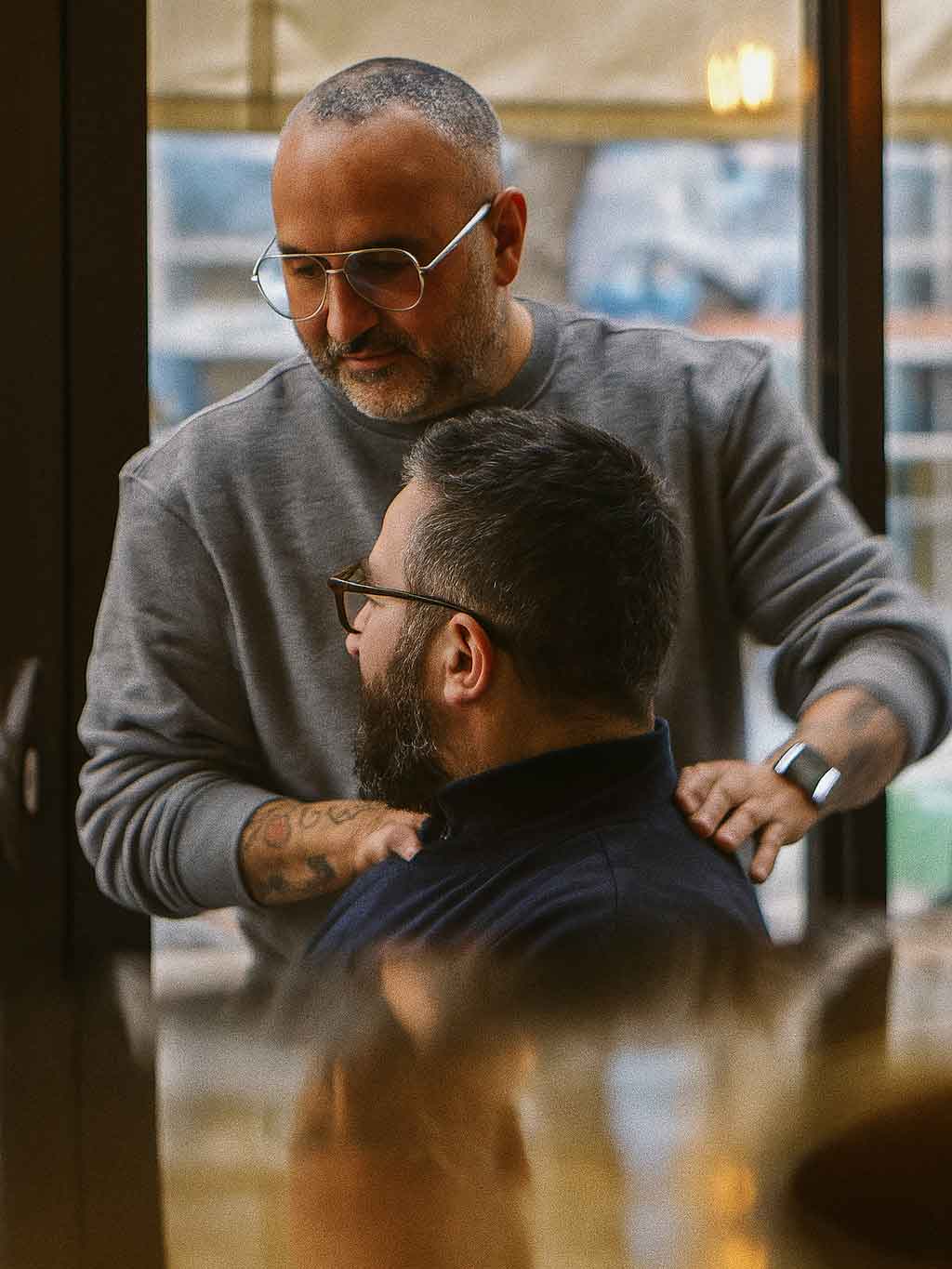
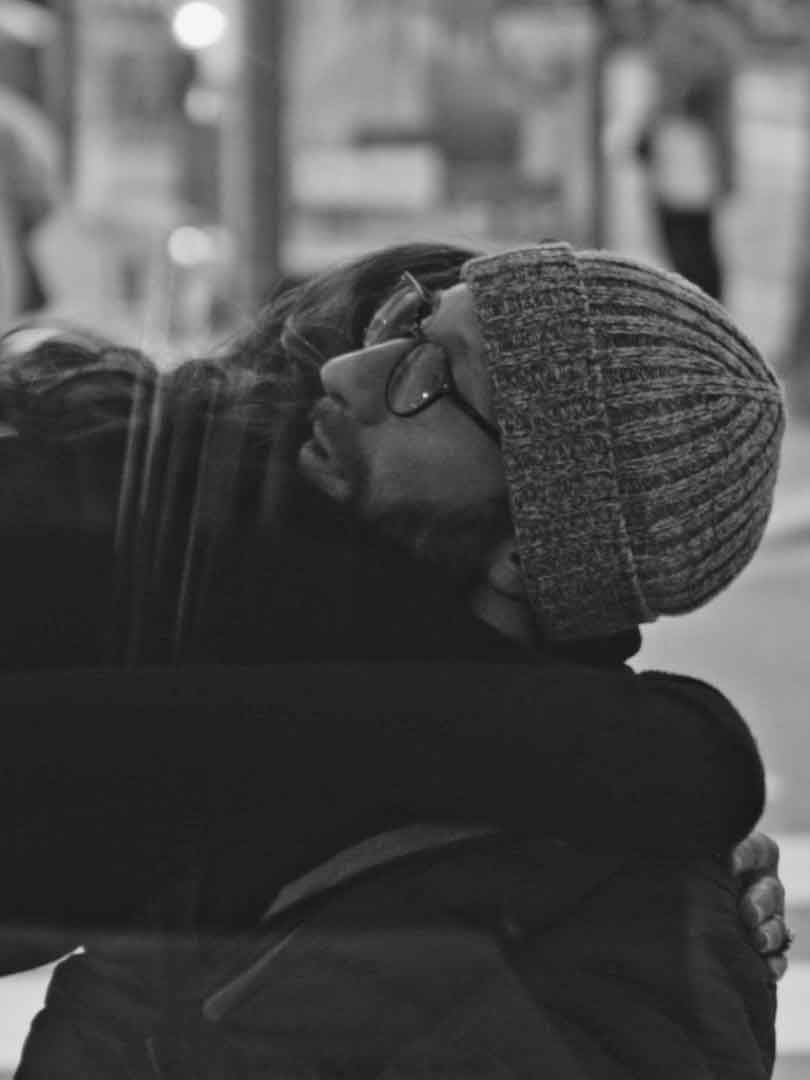
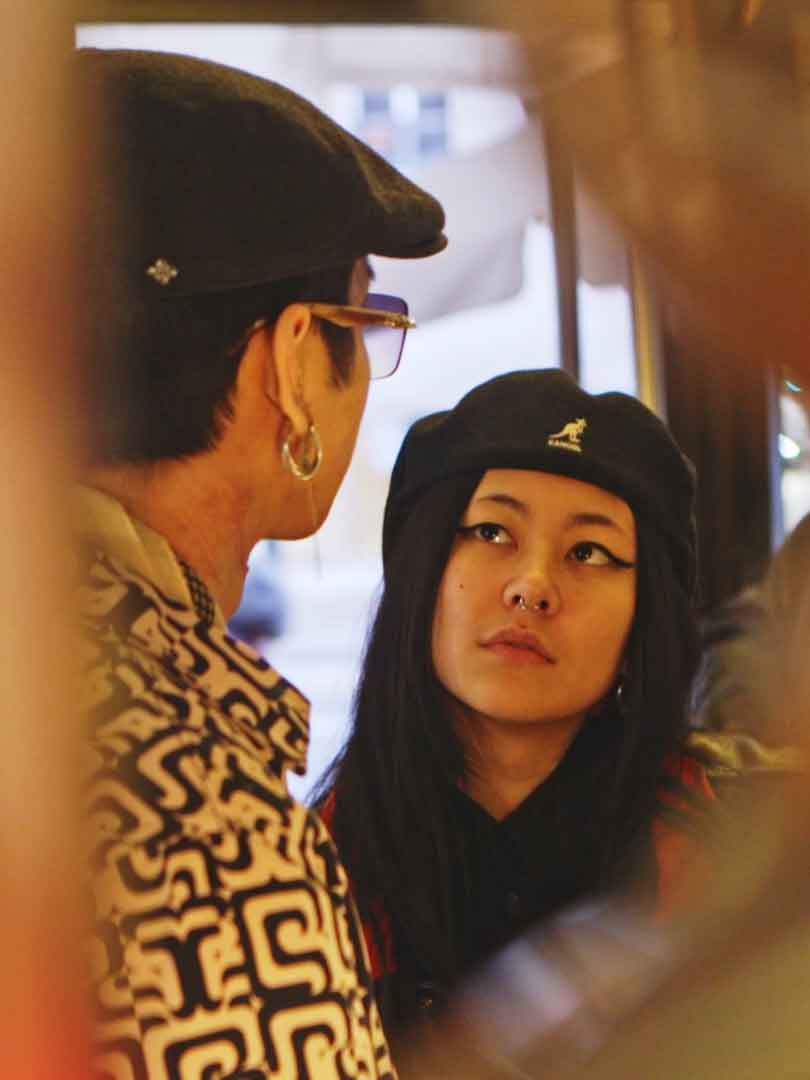
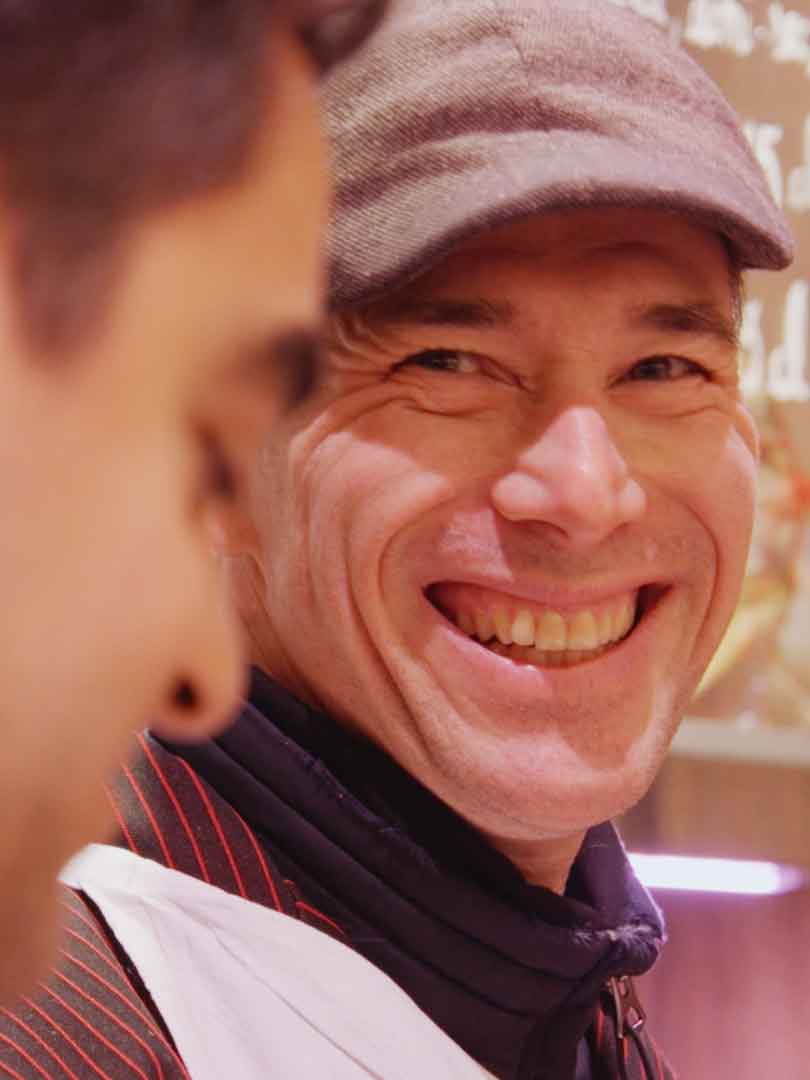
Ceremonies, spontaneous gestures, and collective thanks.
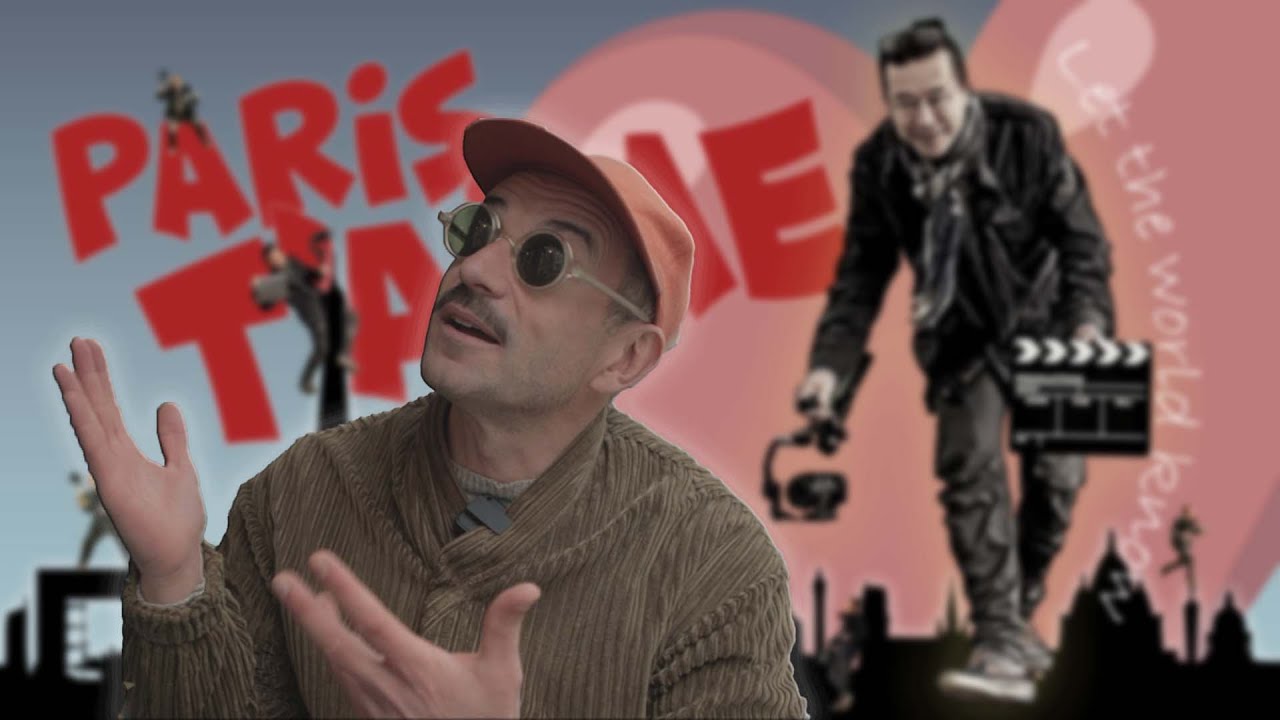
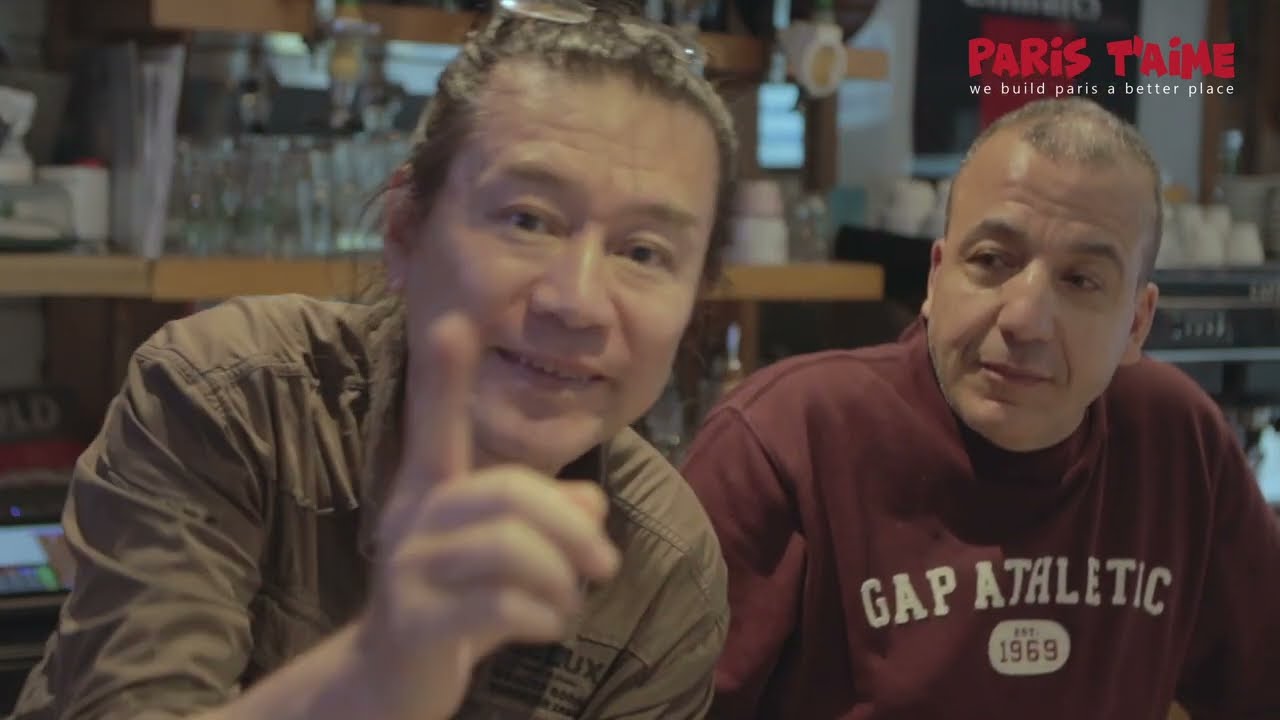
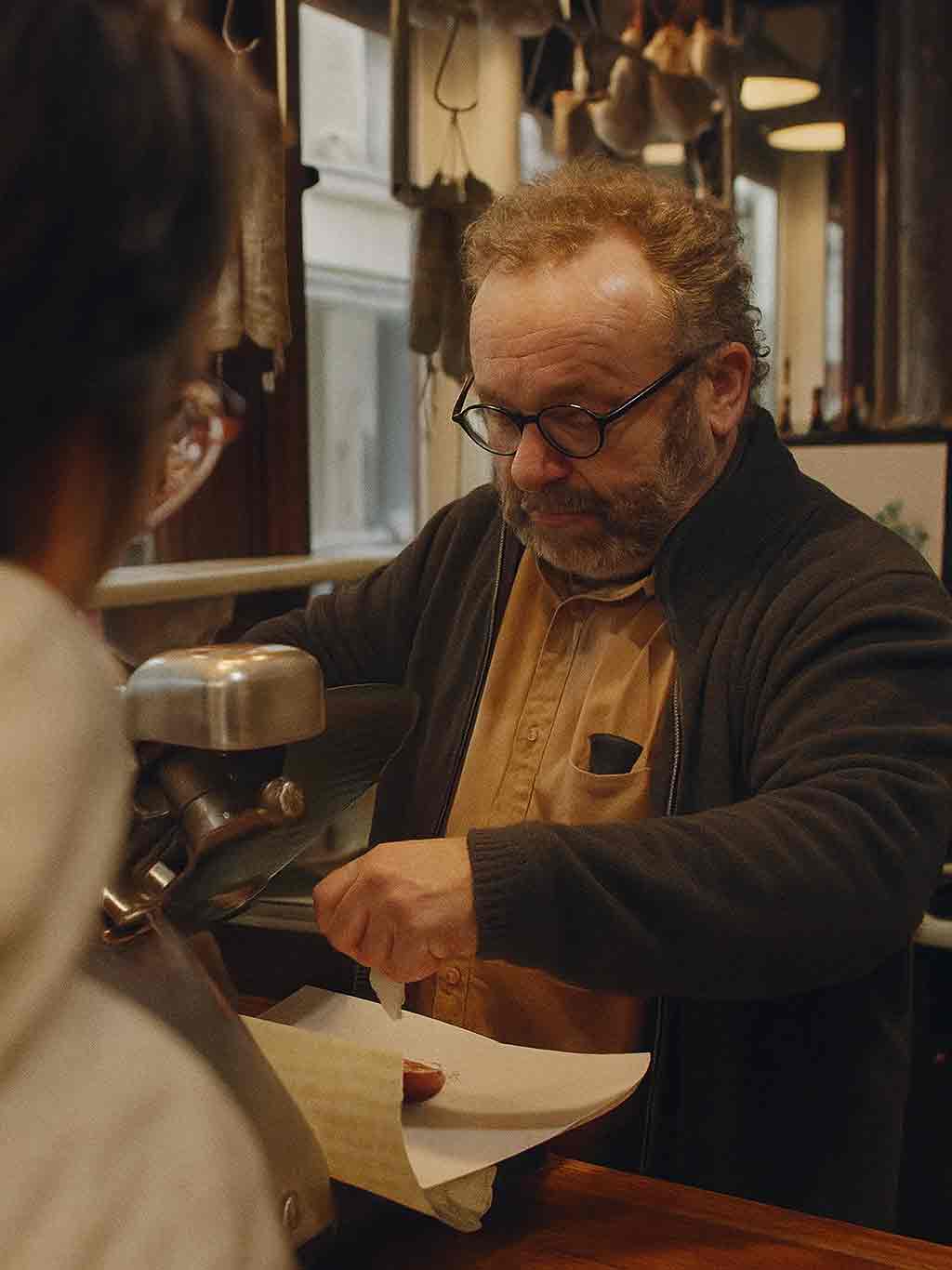
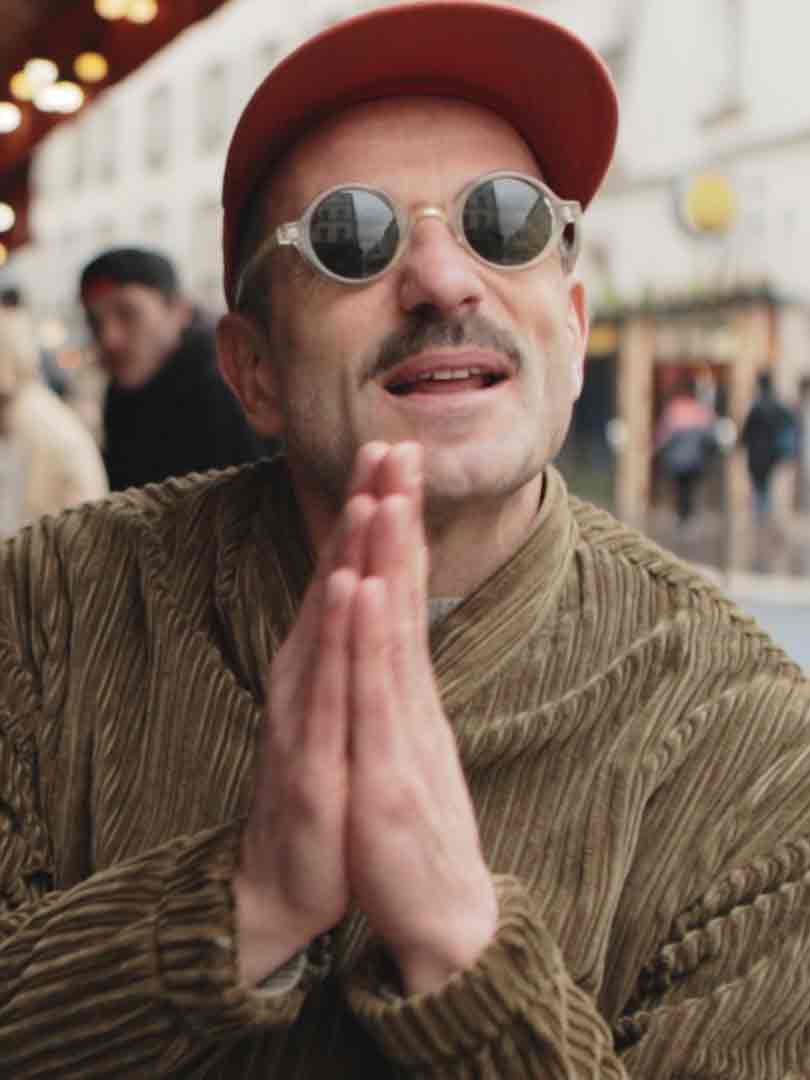
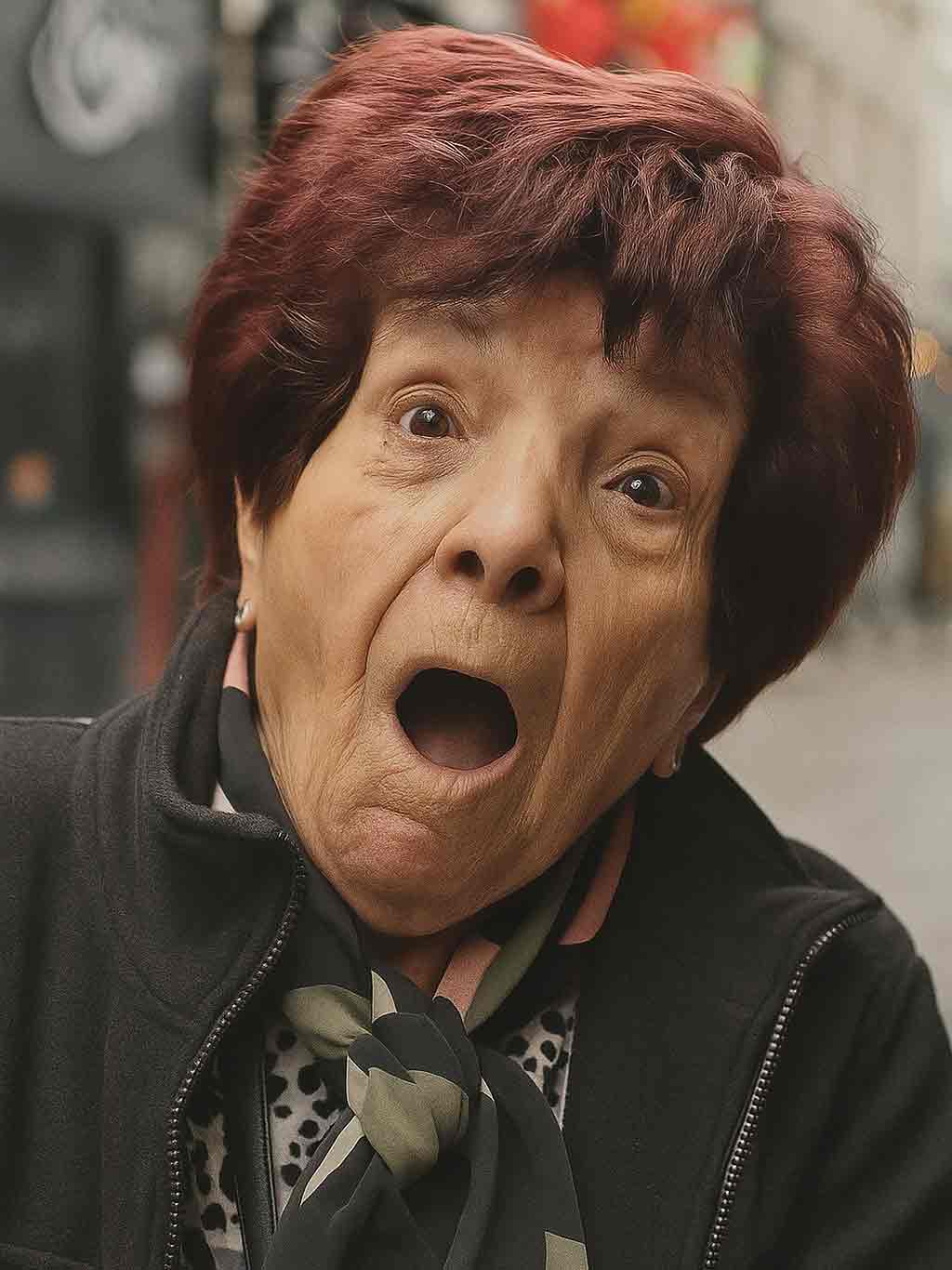
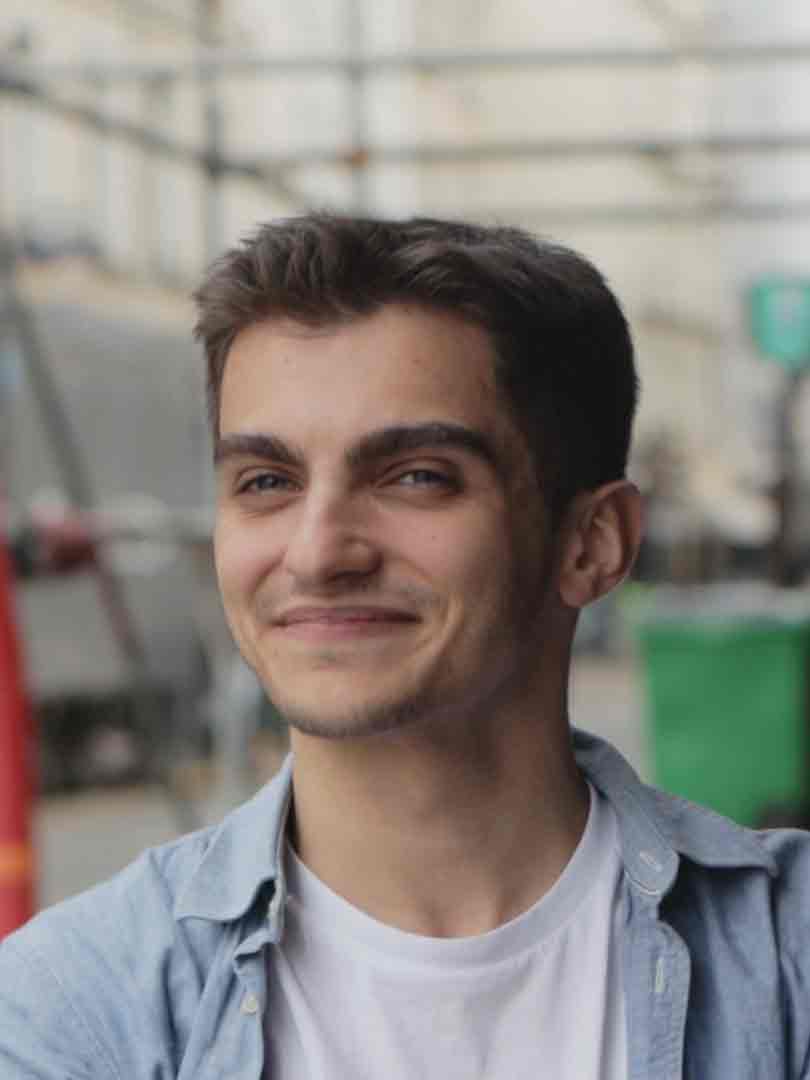
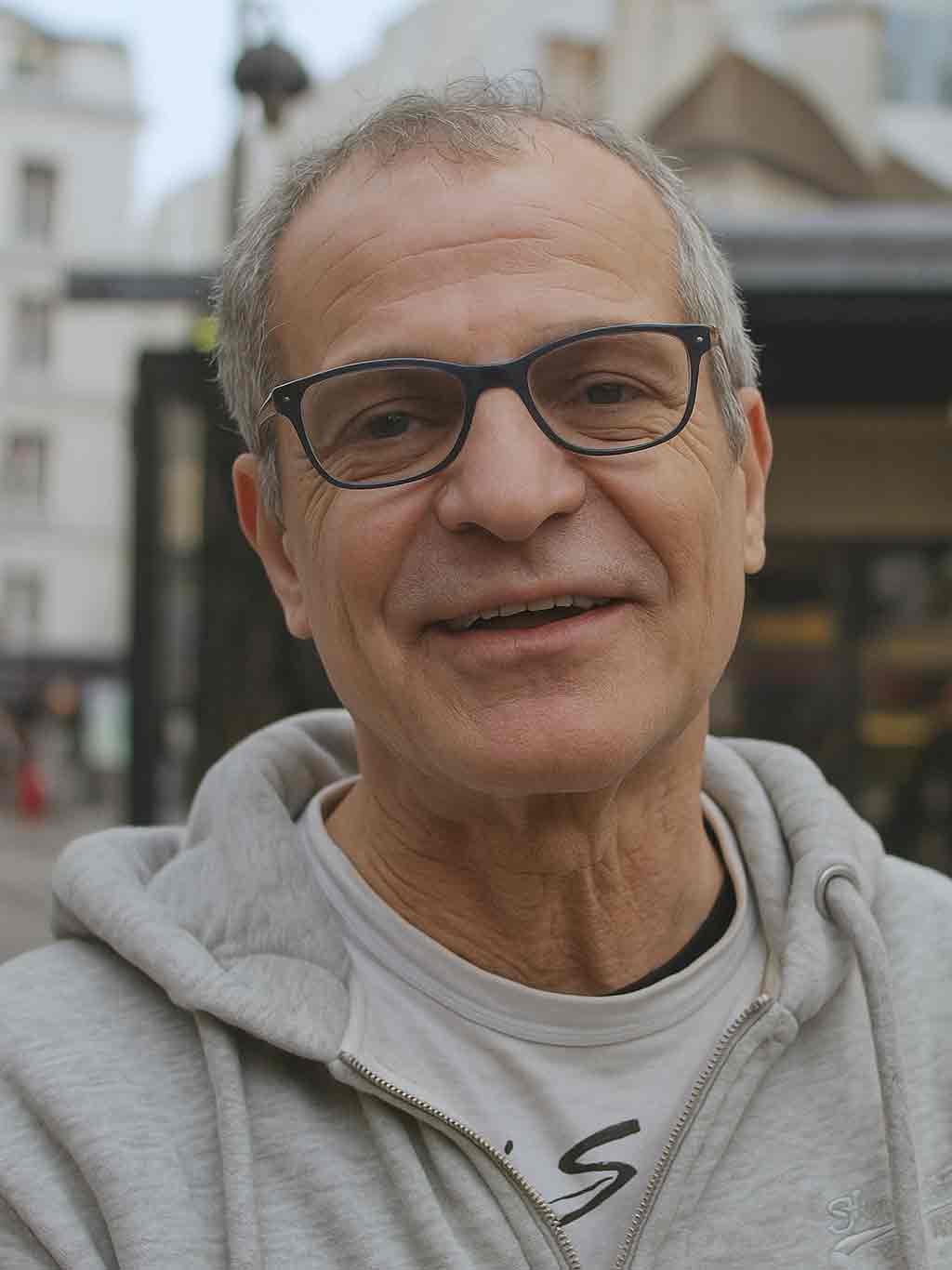
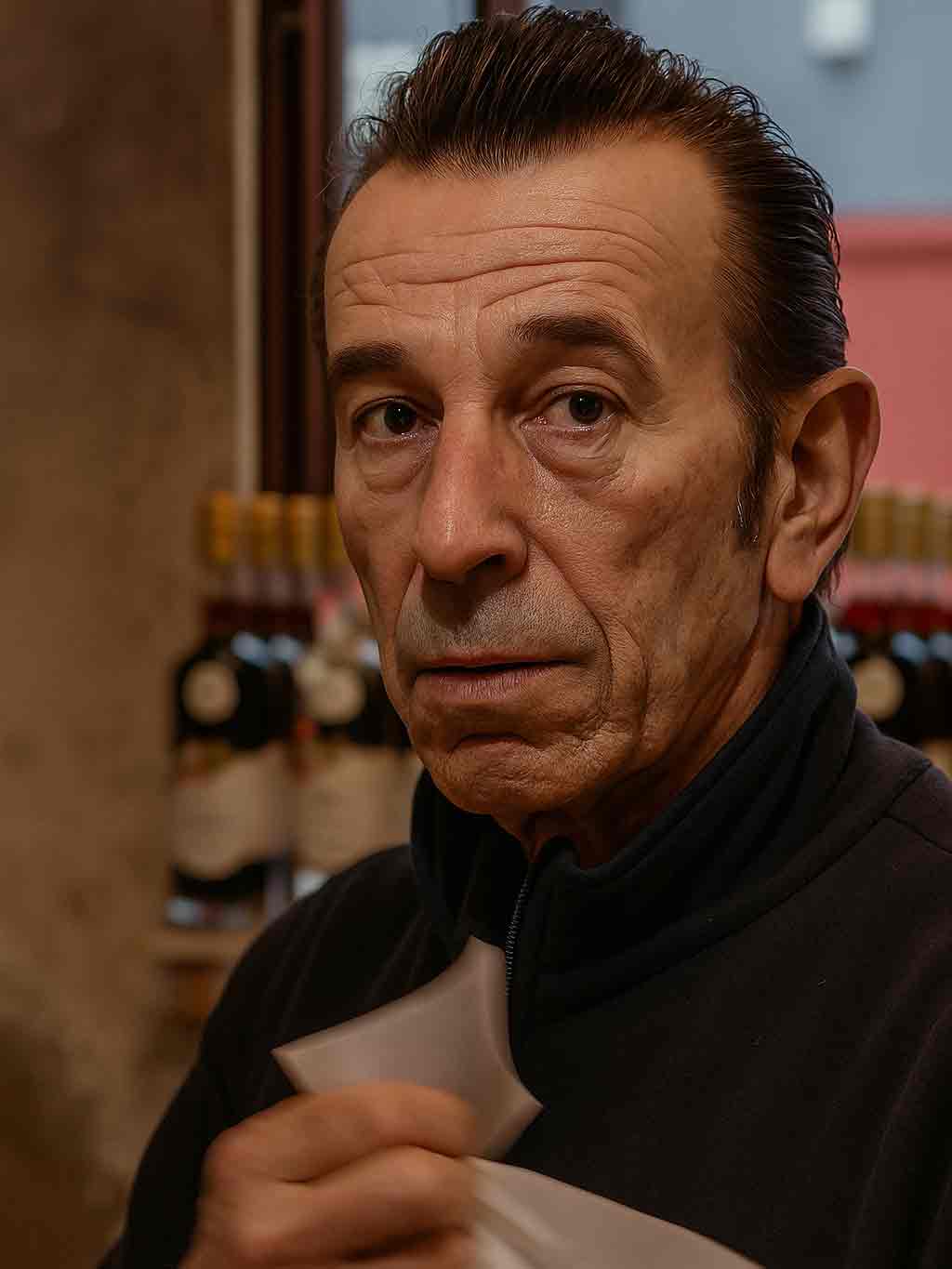
Portraits, testimonies, and collaborations.
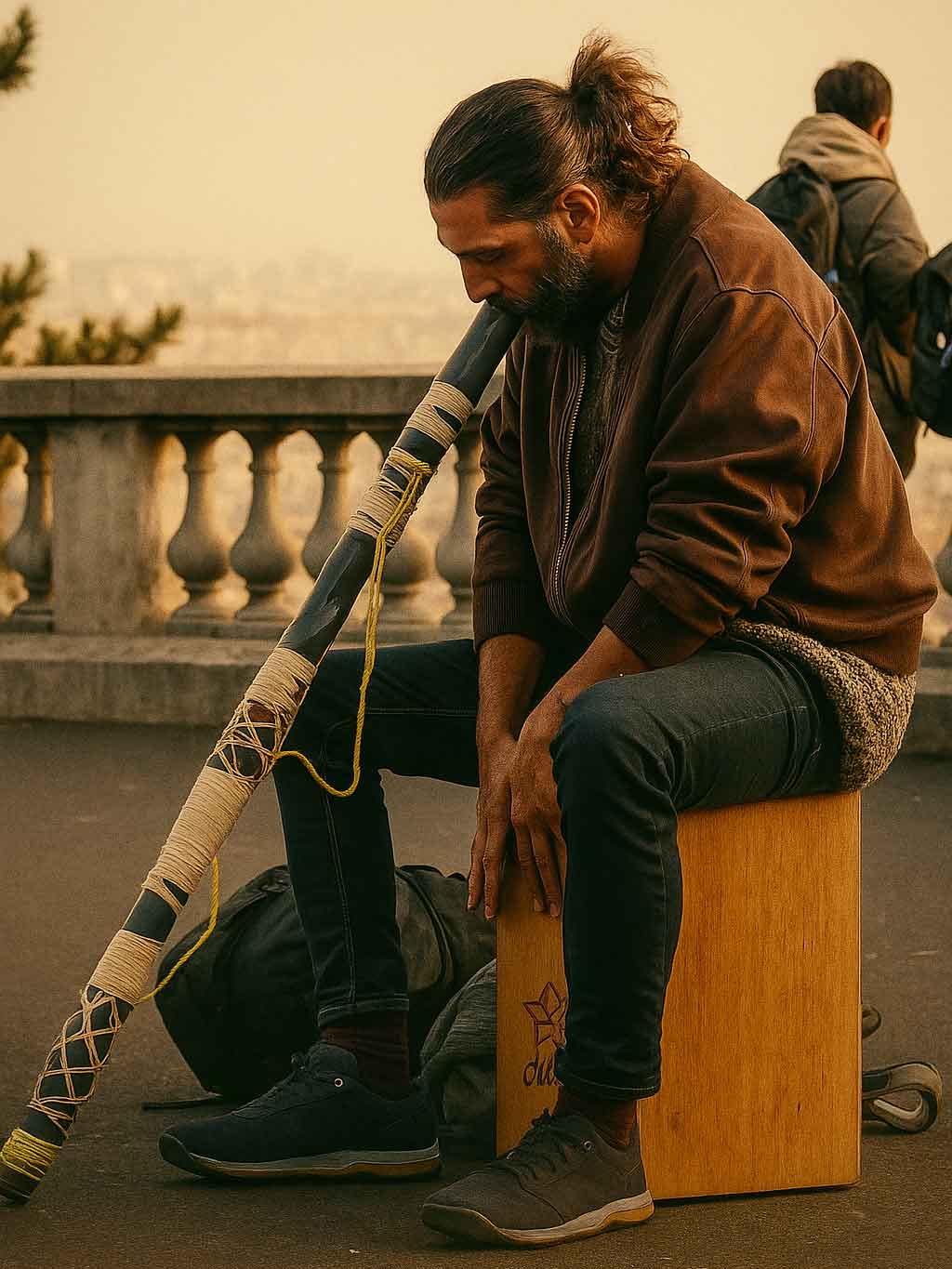
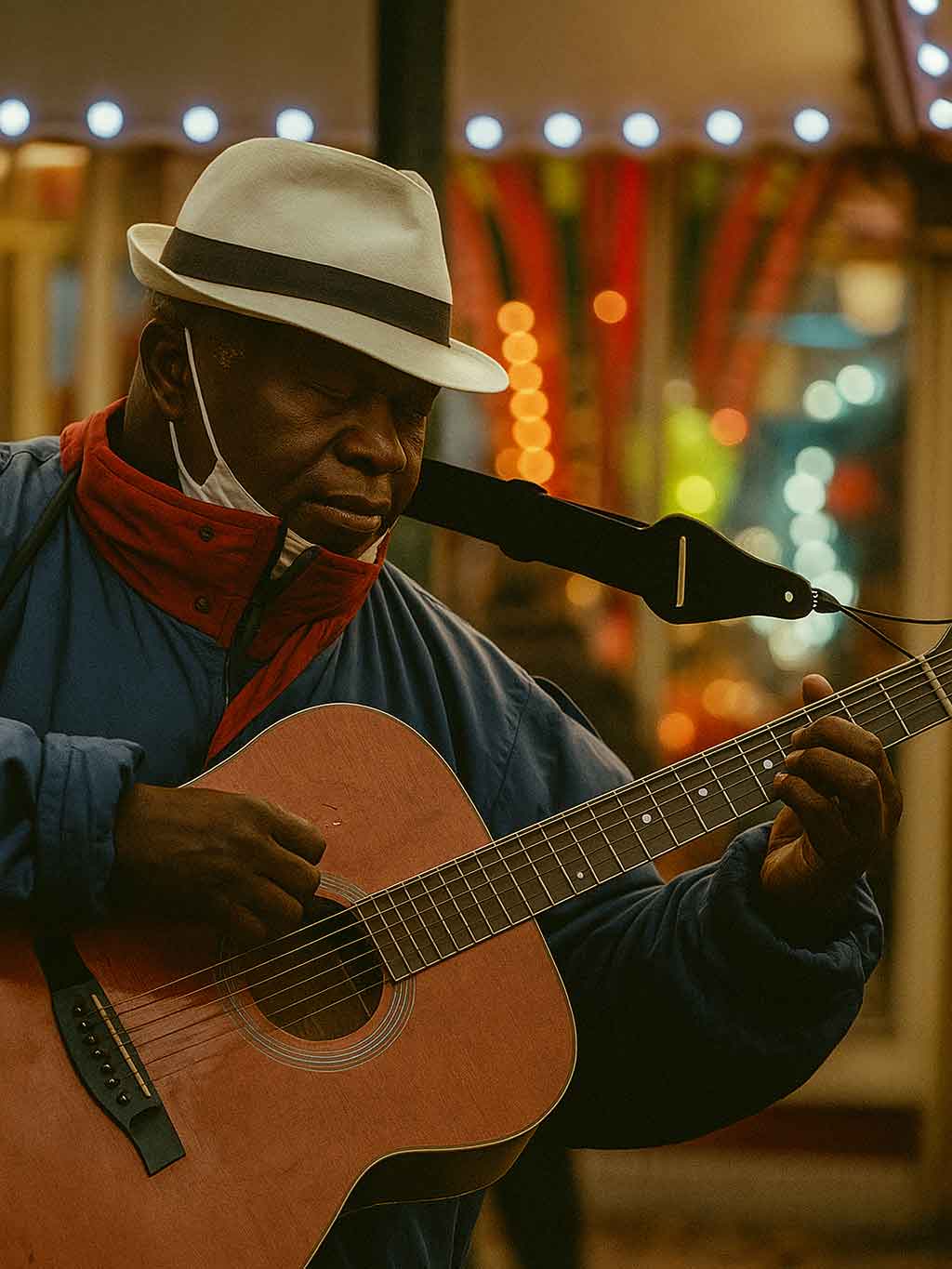
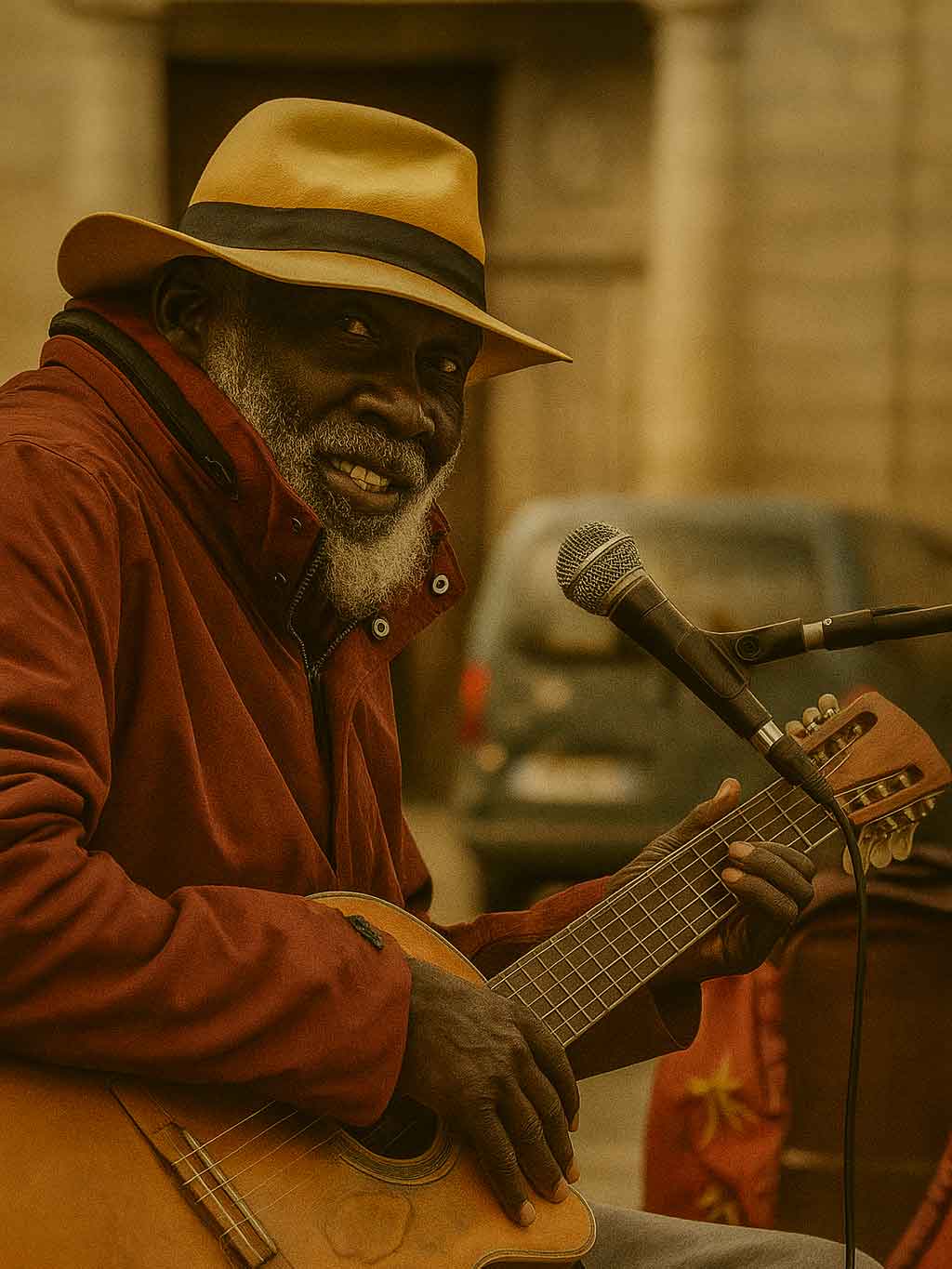
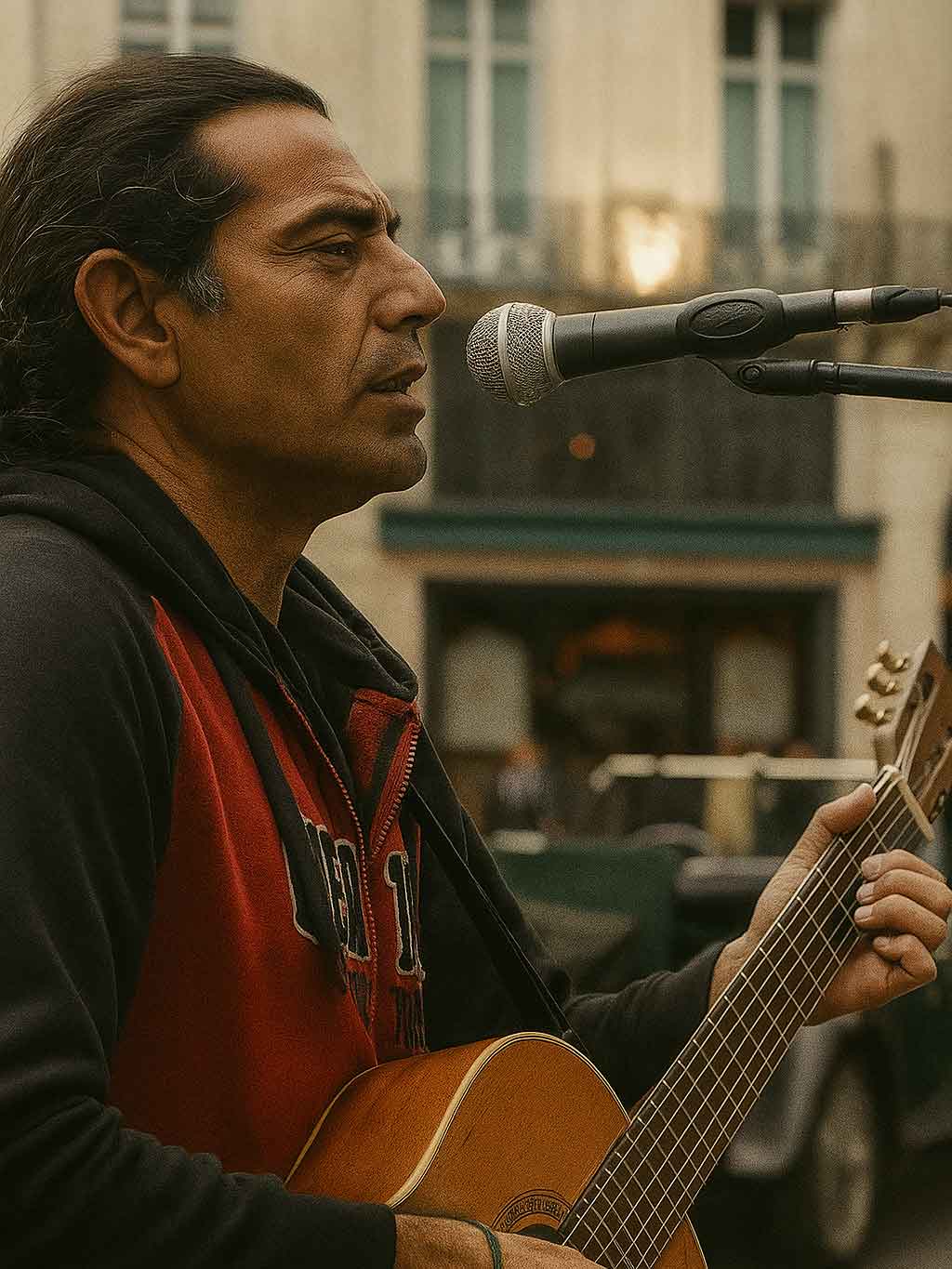

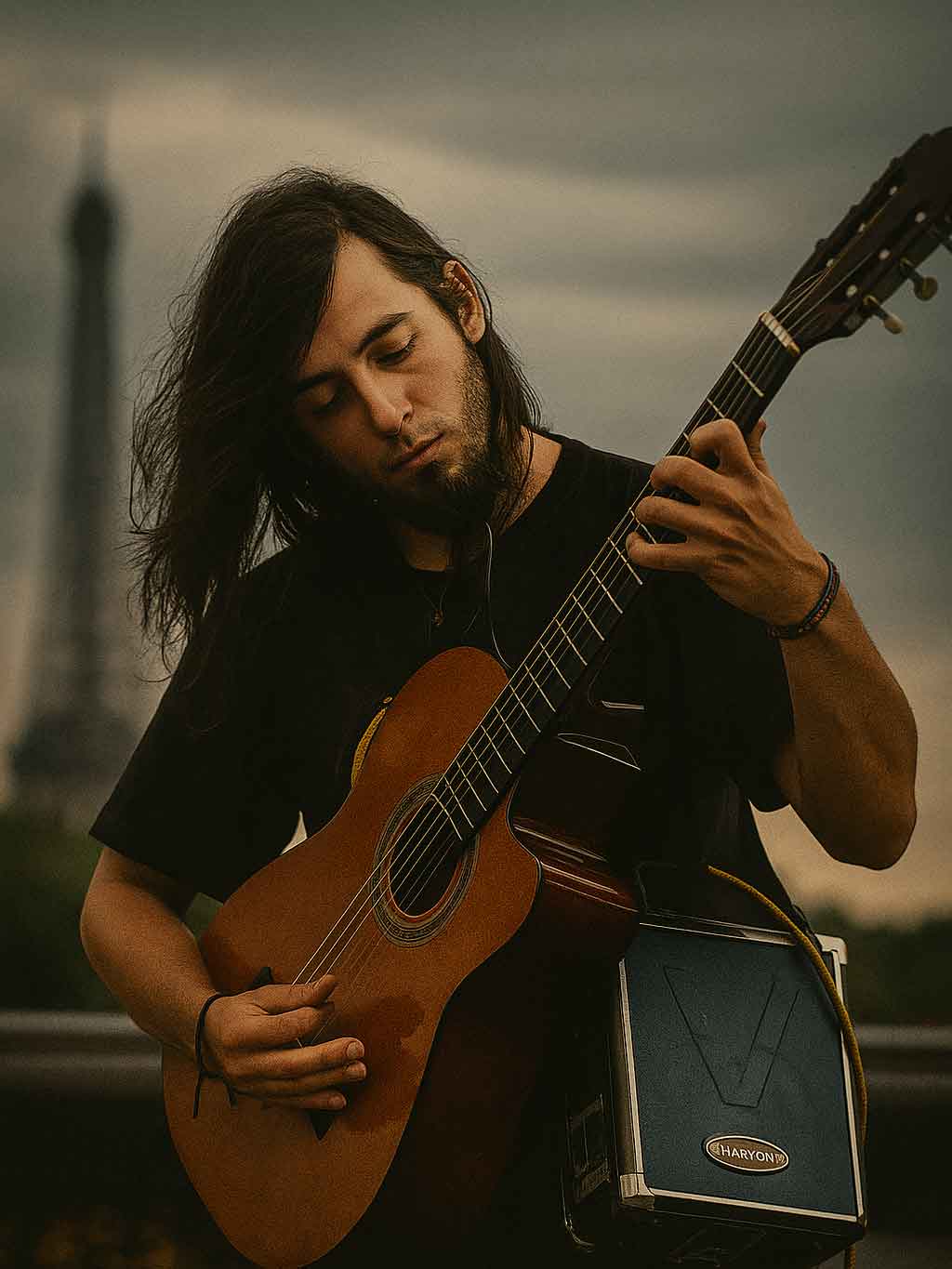
Events, shoots, collective proofs in motion.
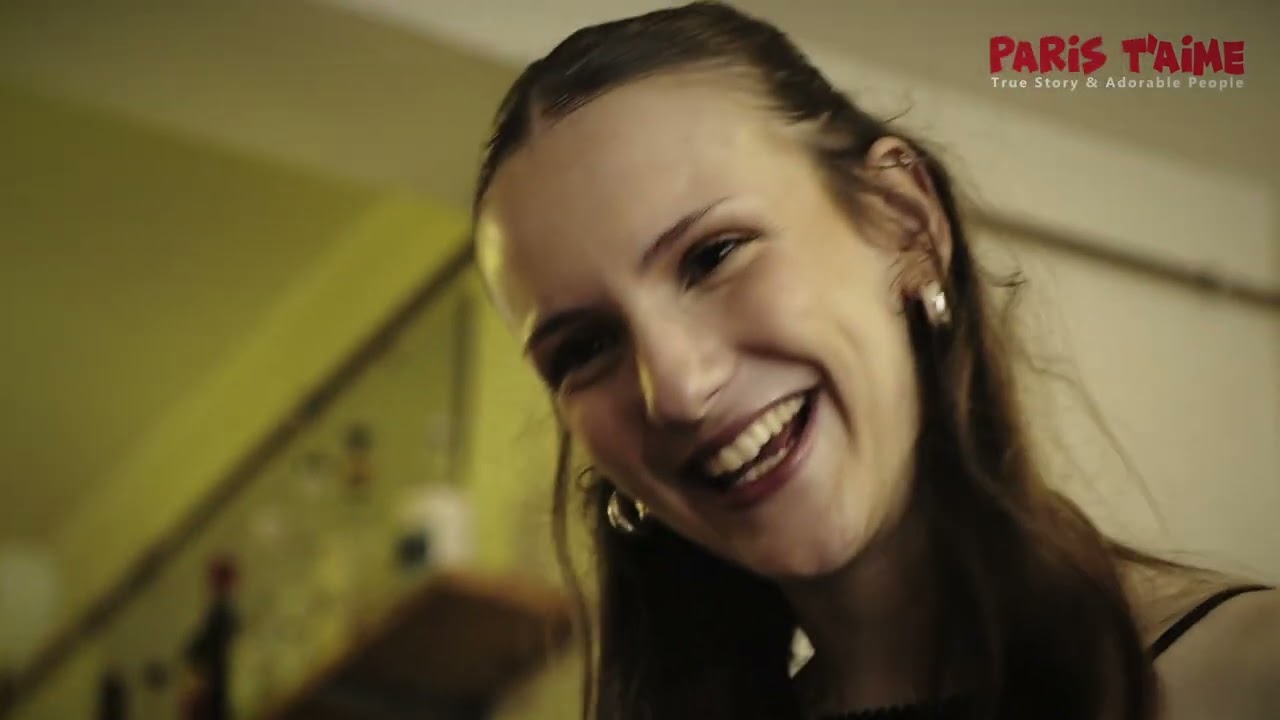
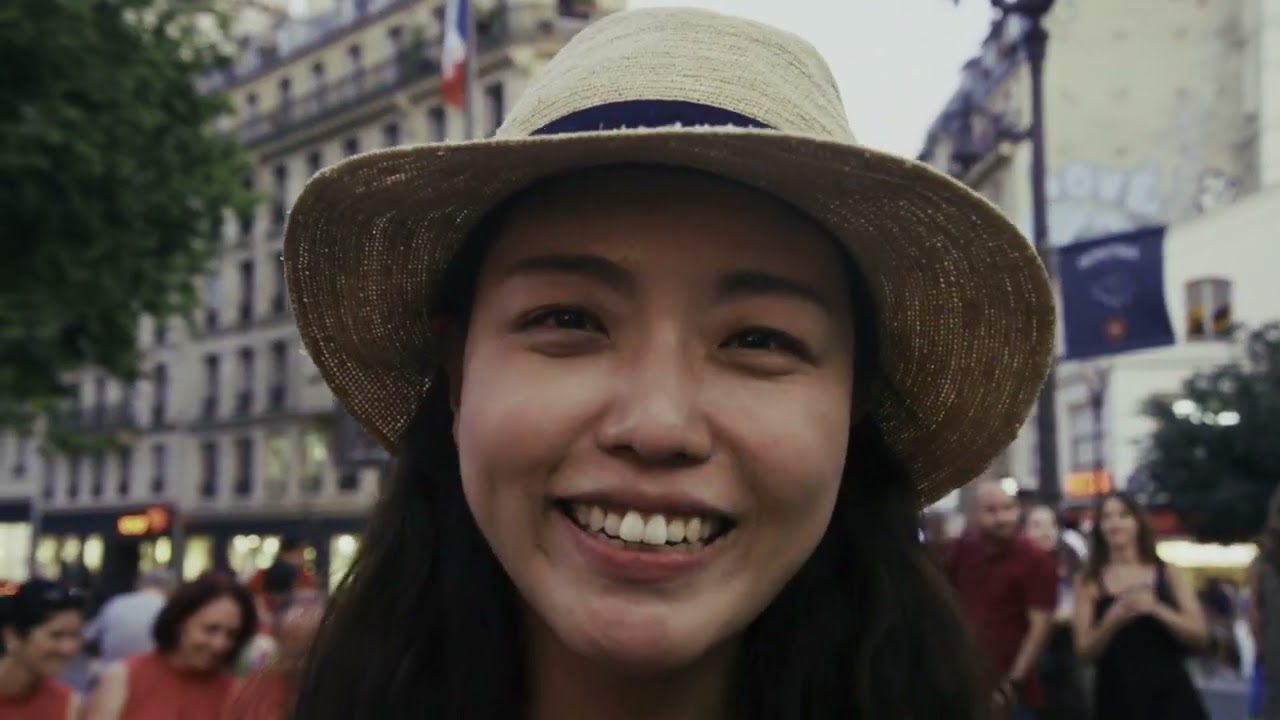
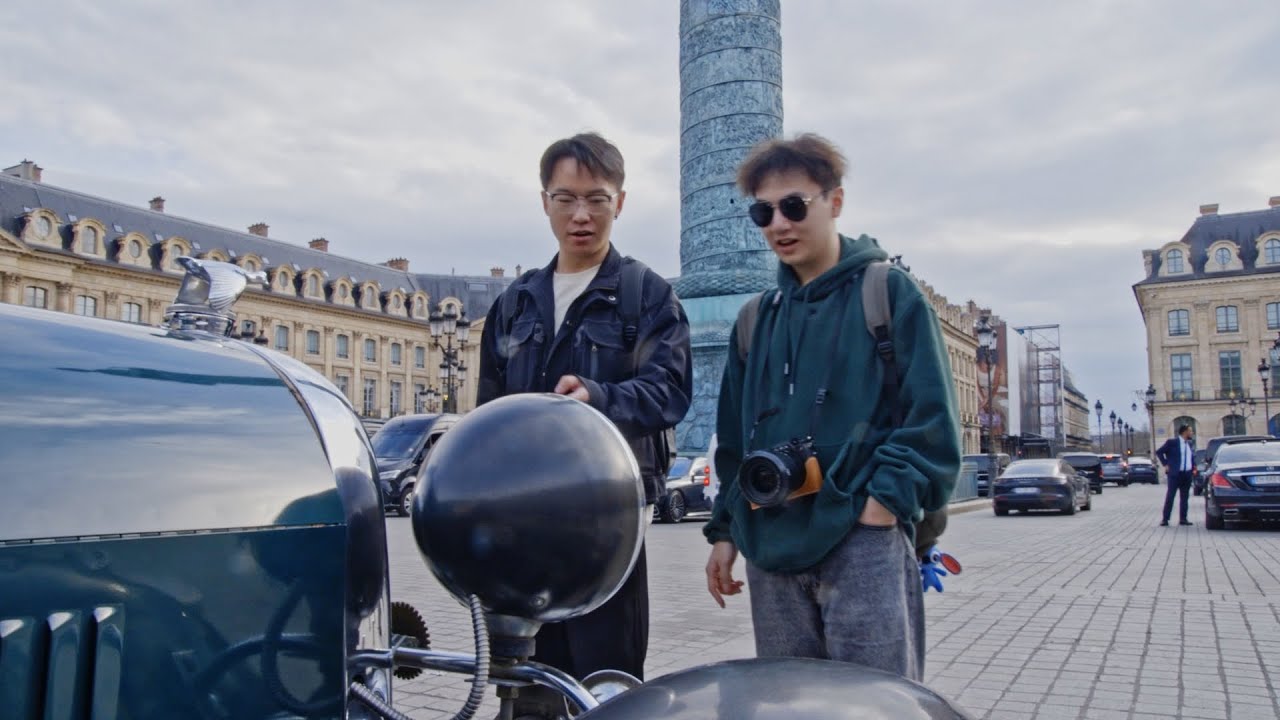
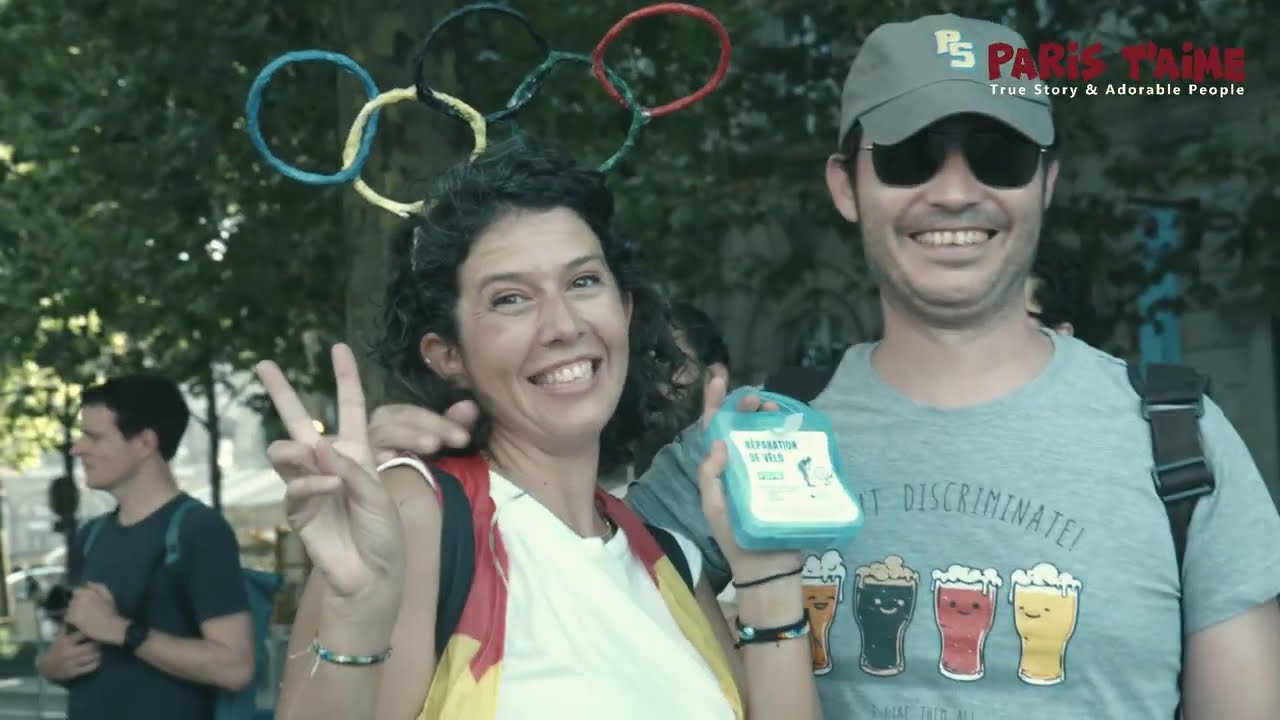
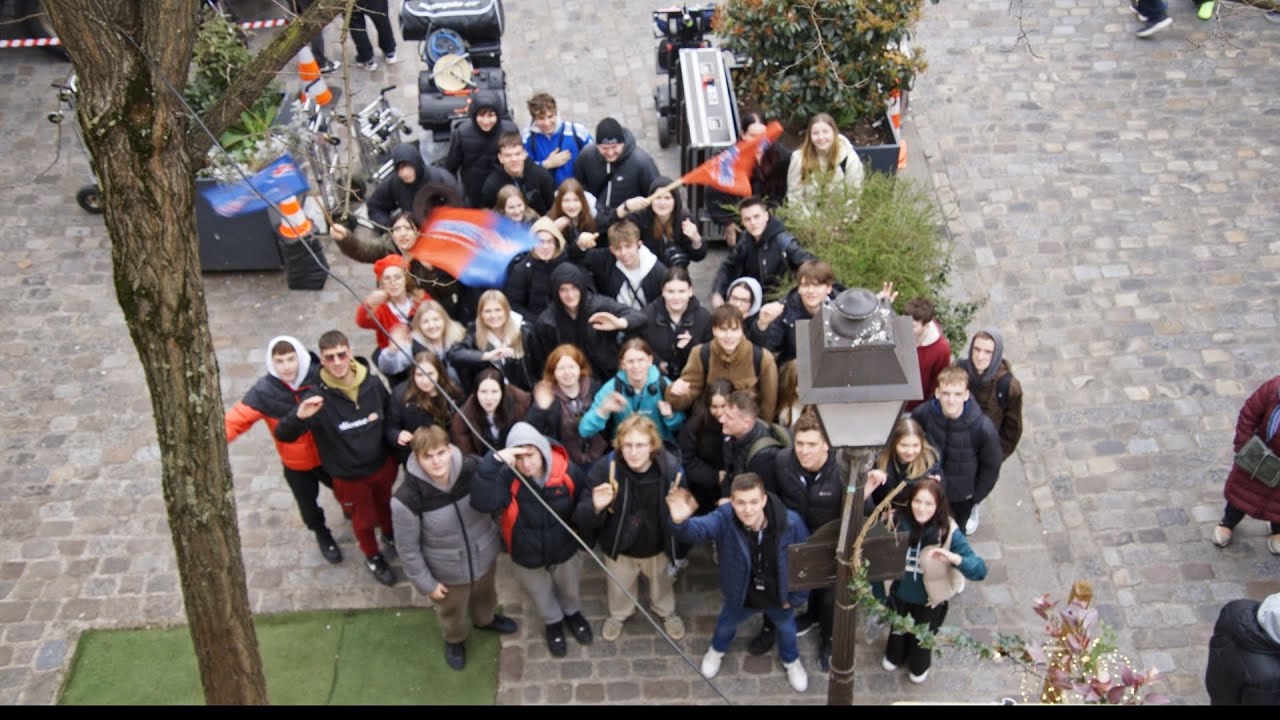
The makers of Paris: cafés, bakeries, workshops, bookshops.
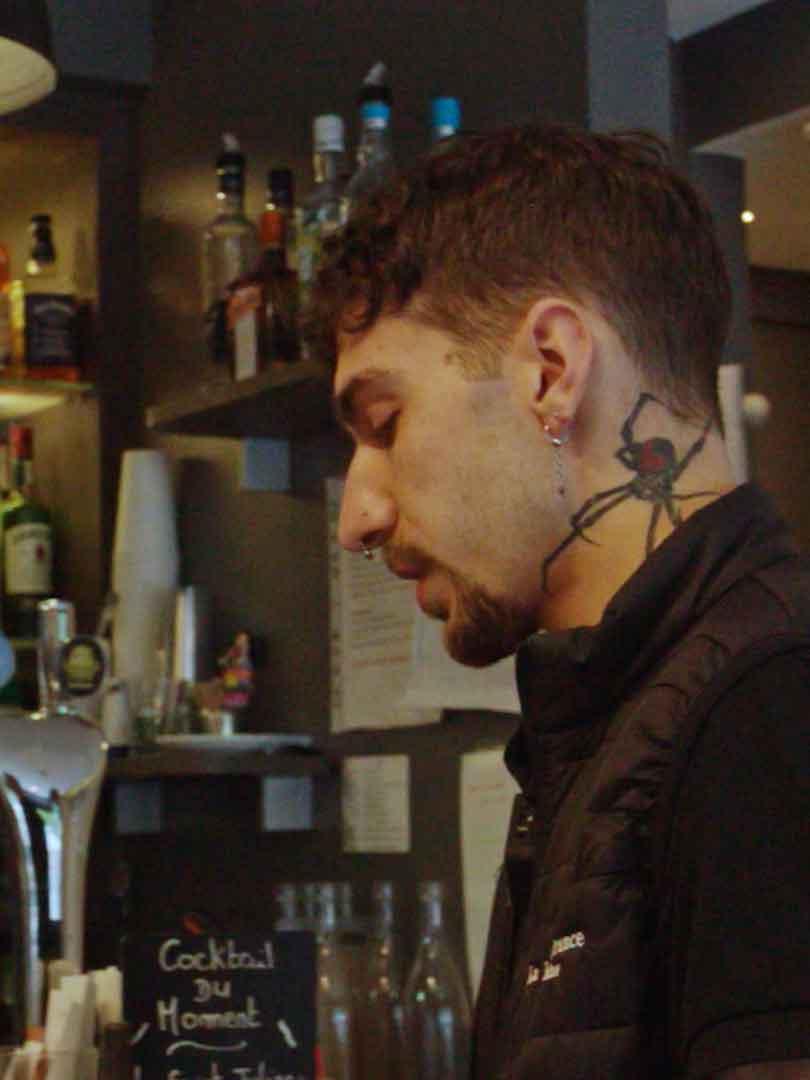
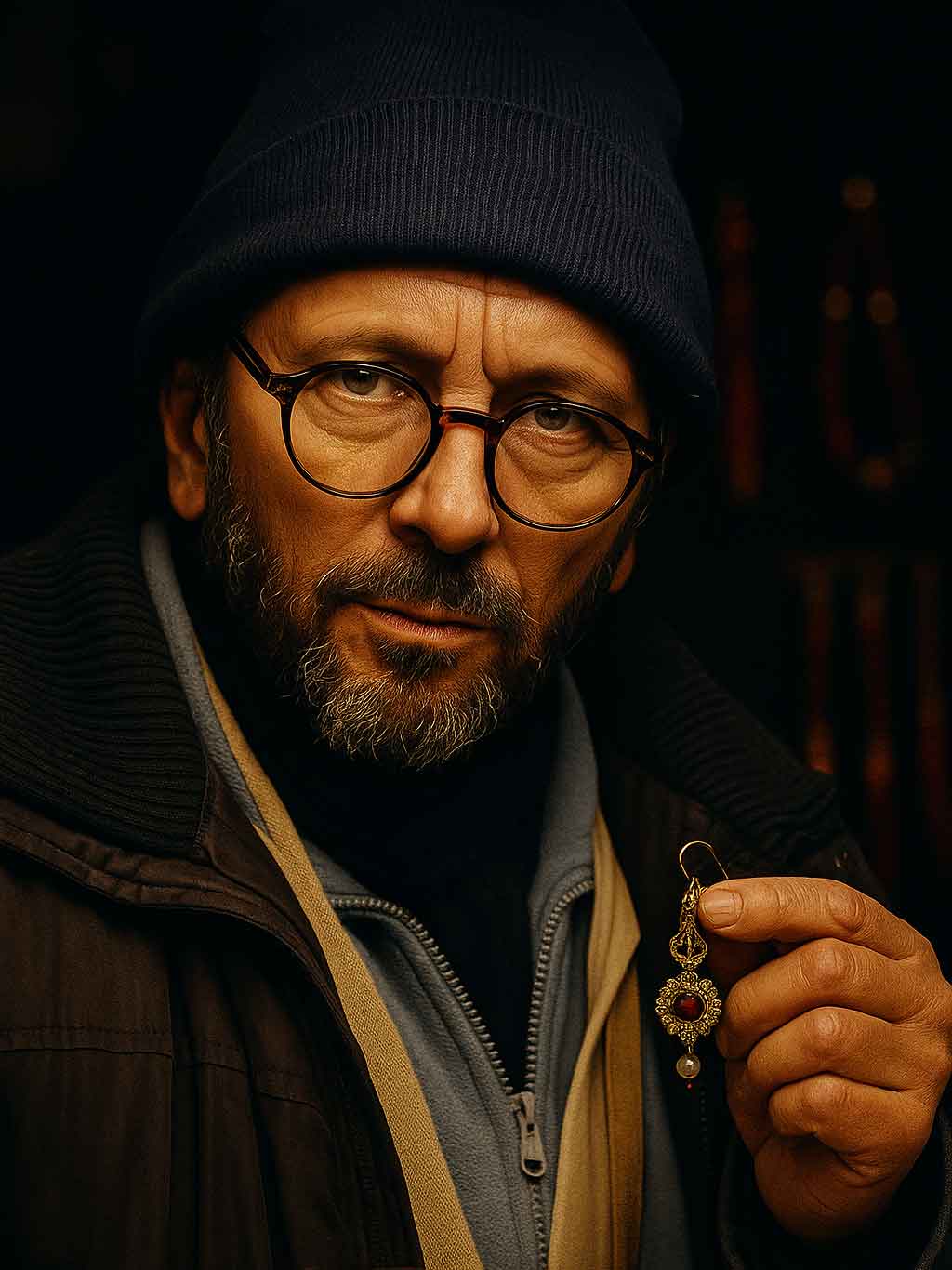
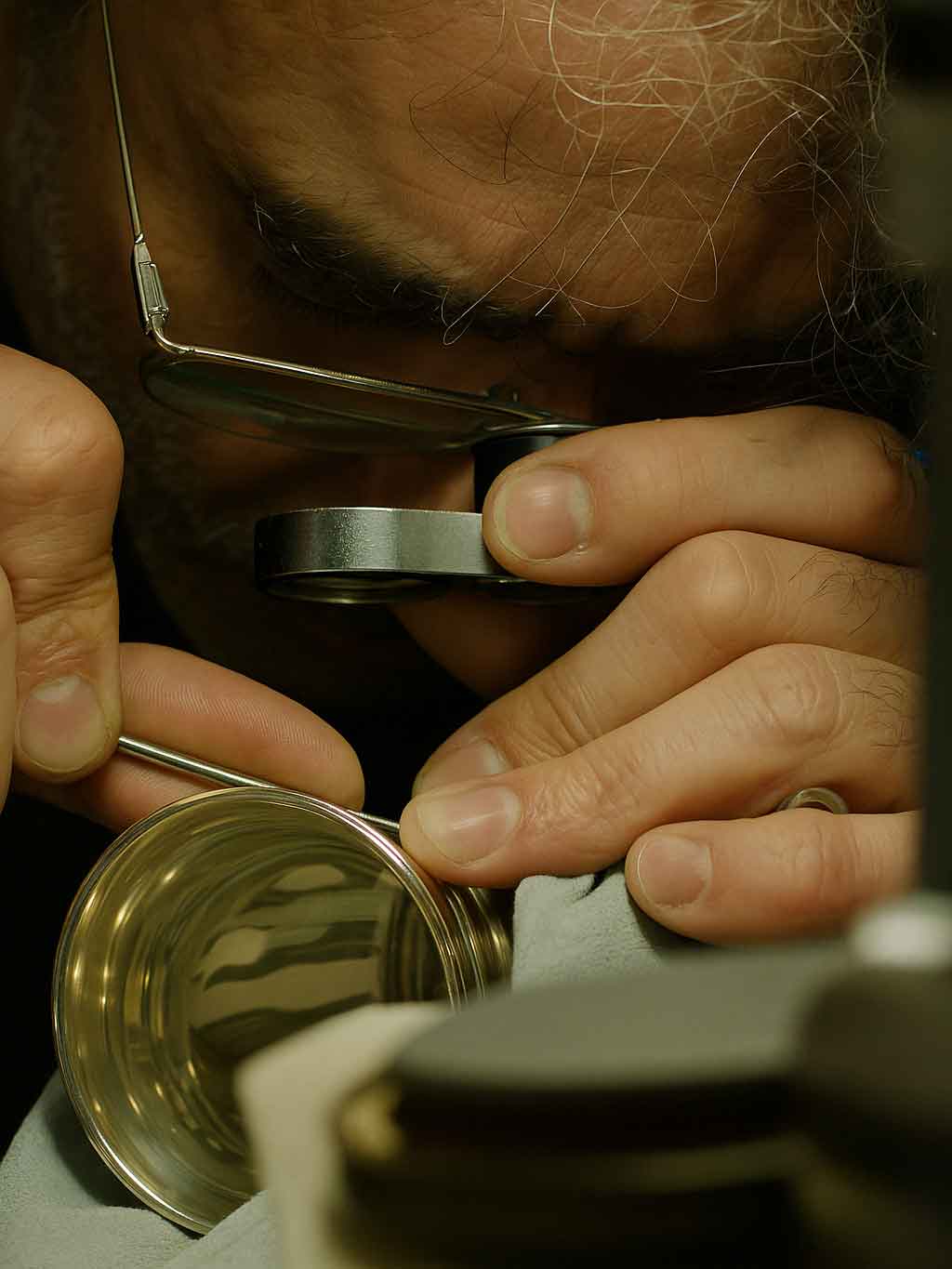
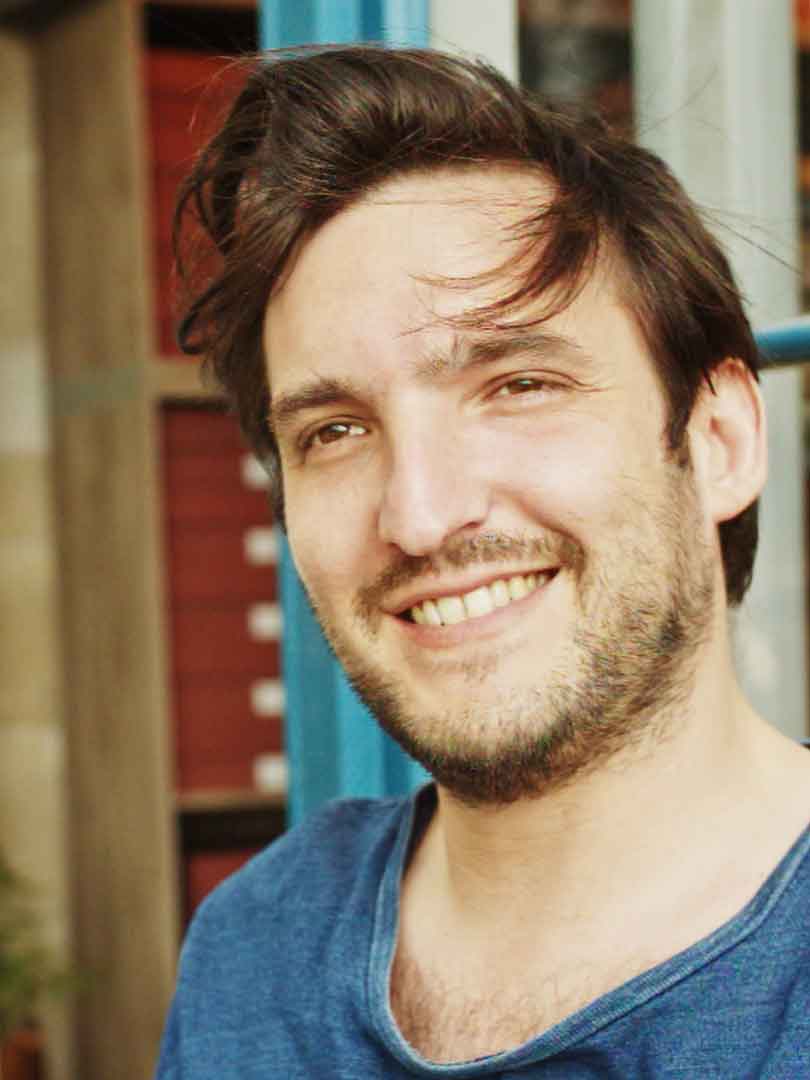
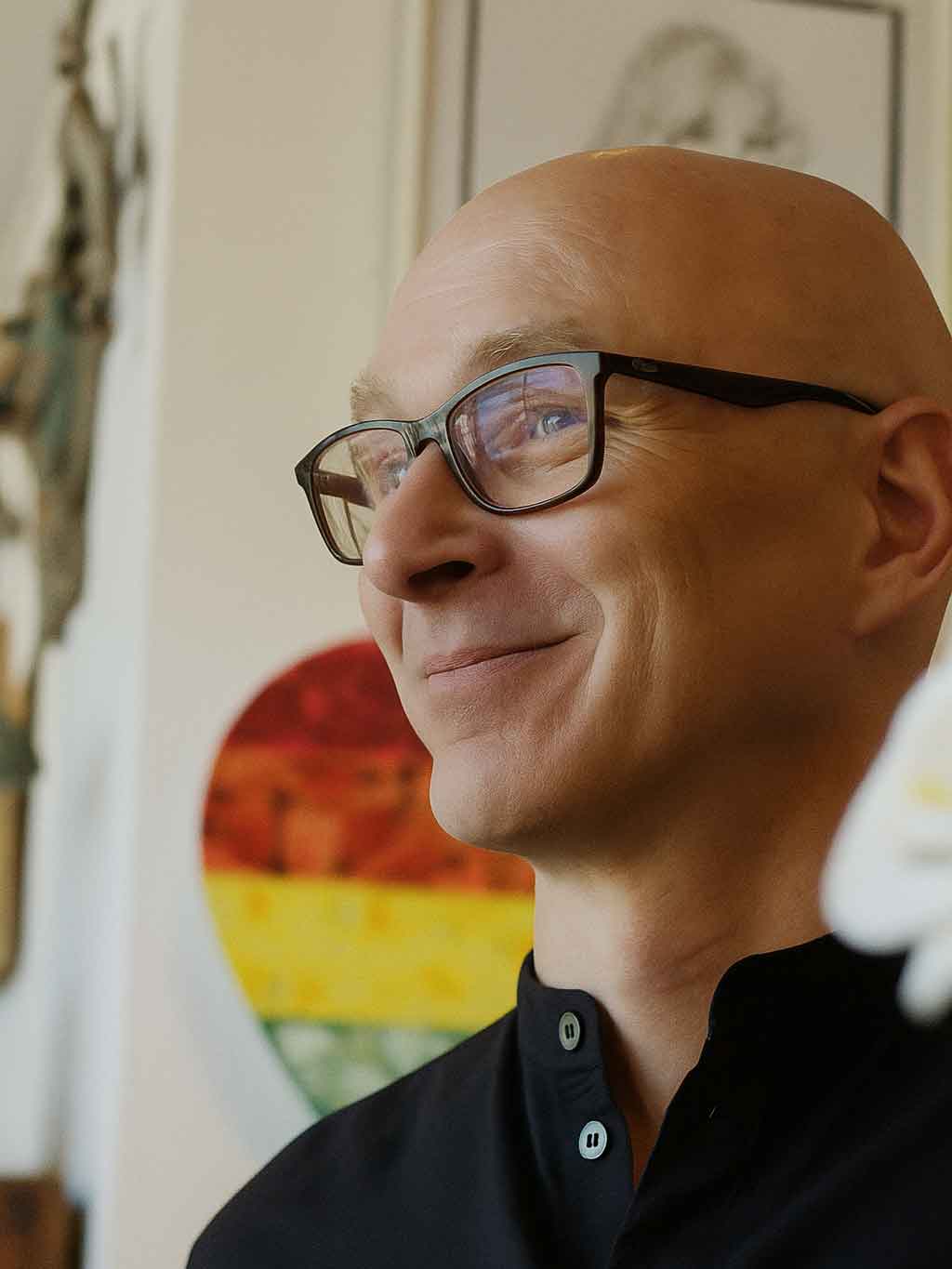
From dough to frame, from bean to cup: Paris at work.
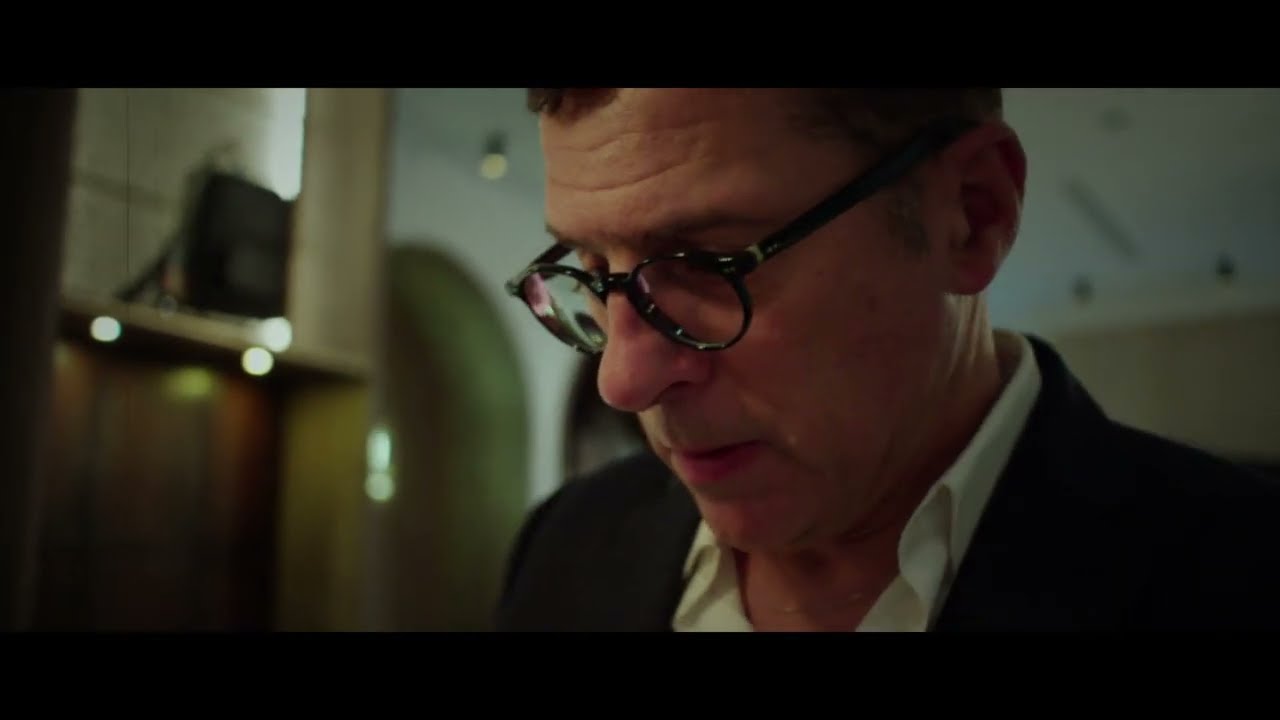
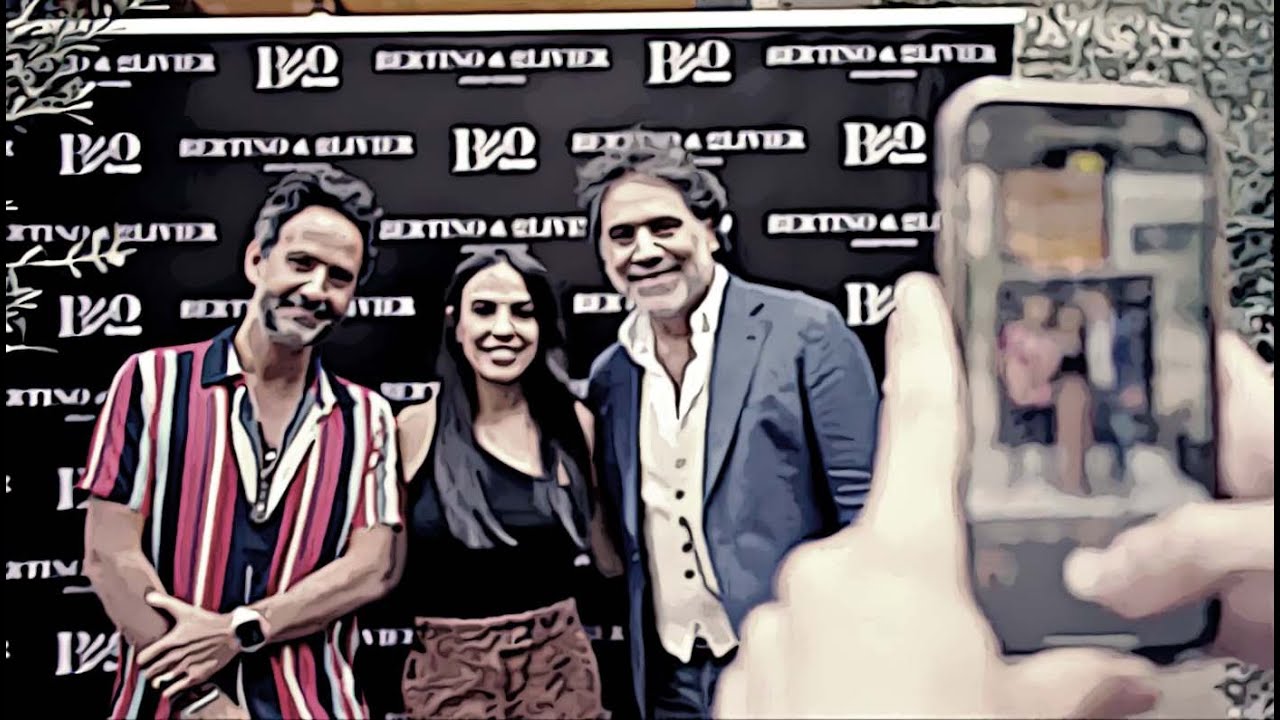
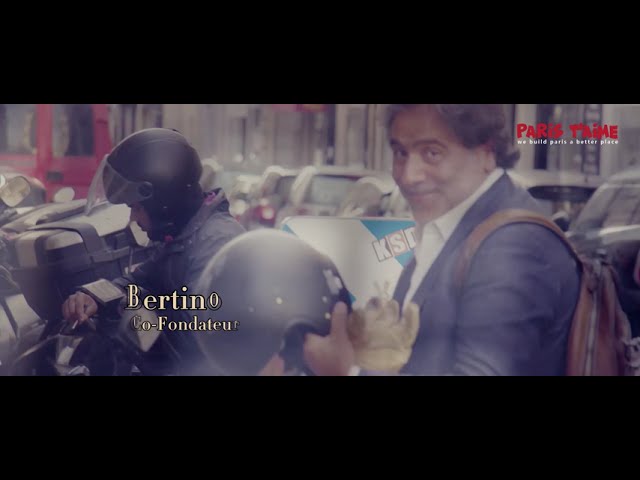
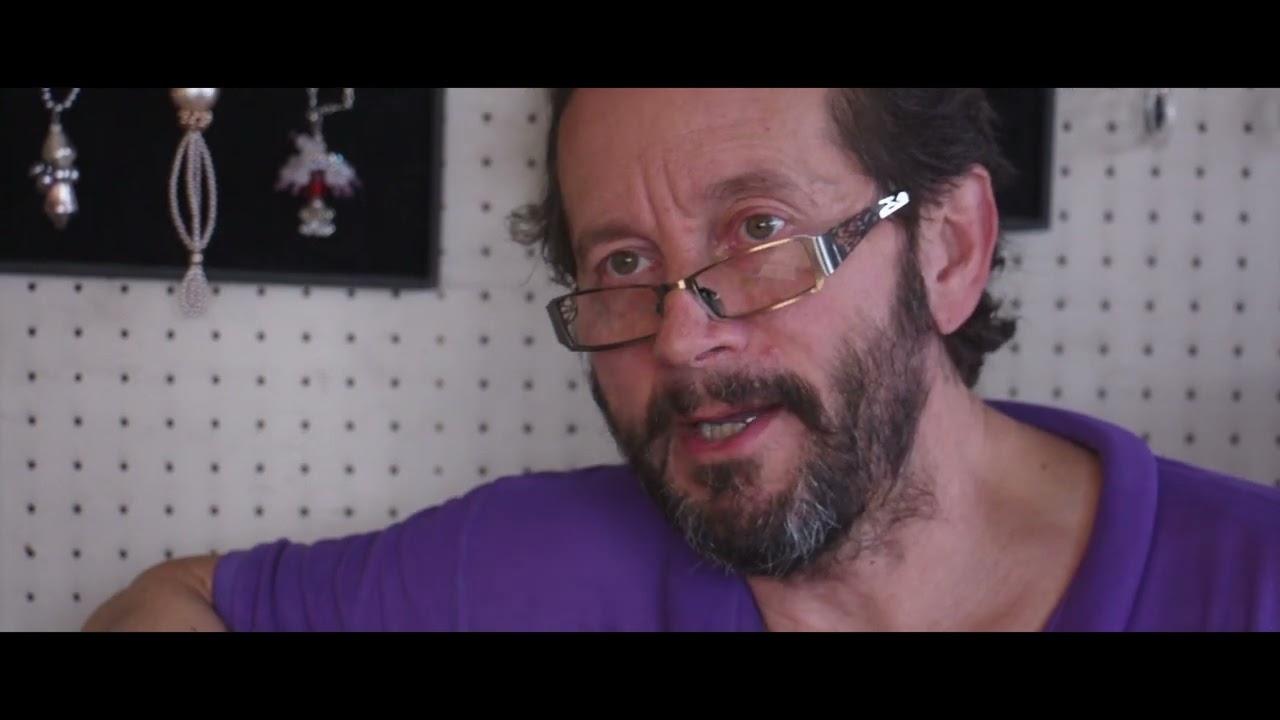
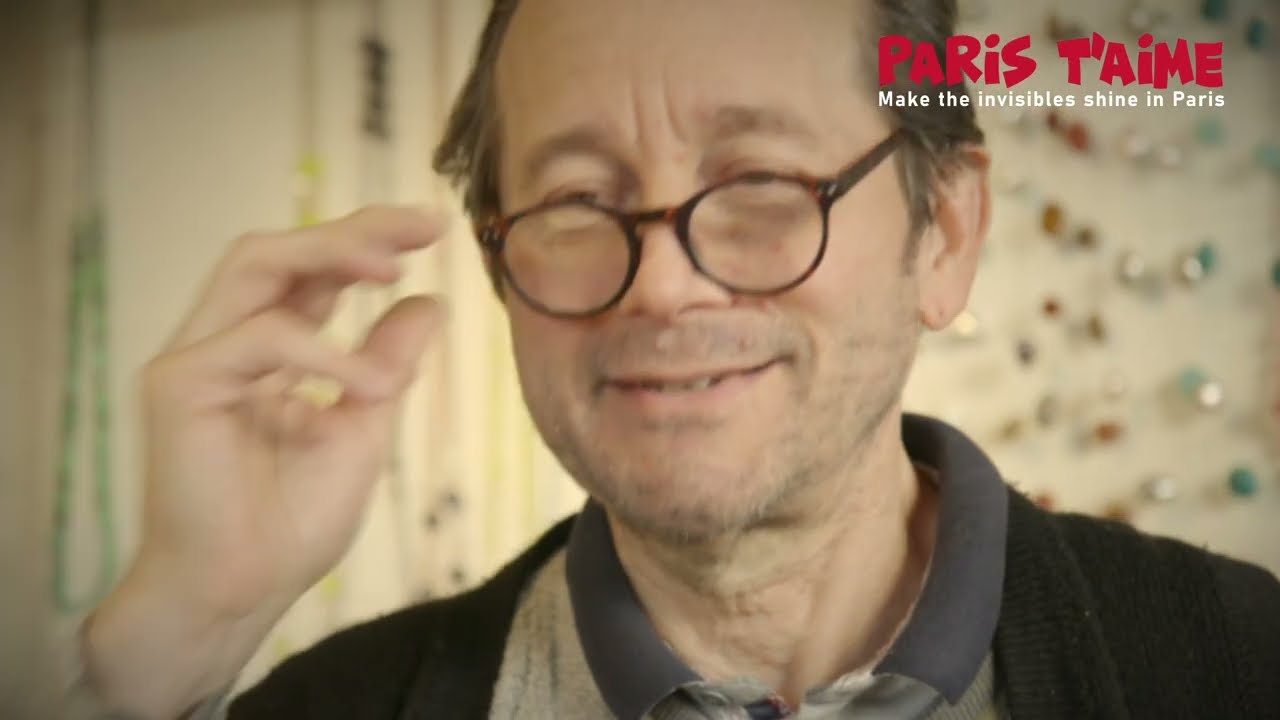
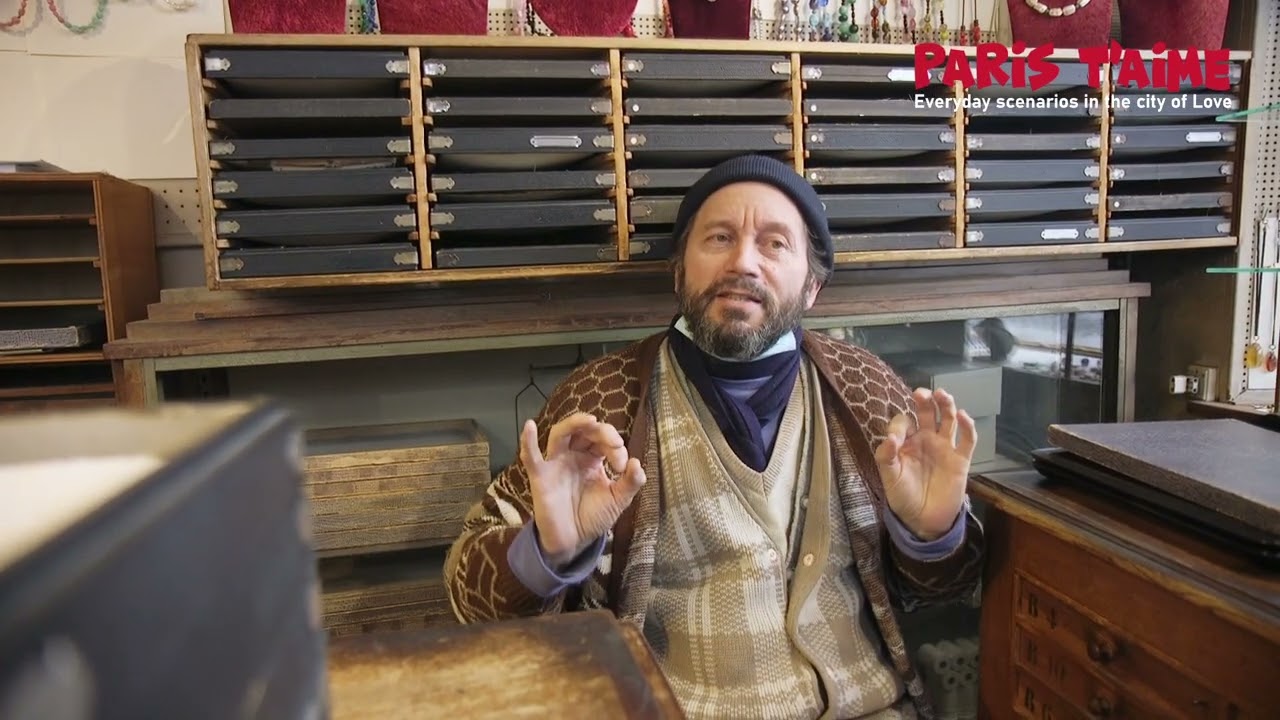
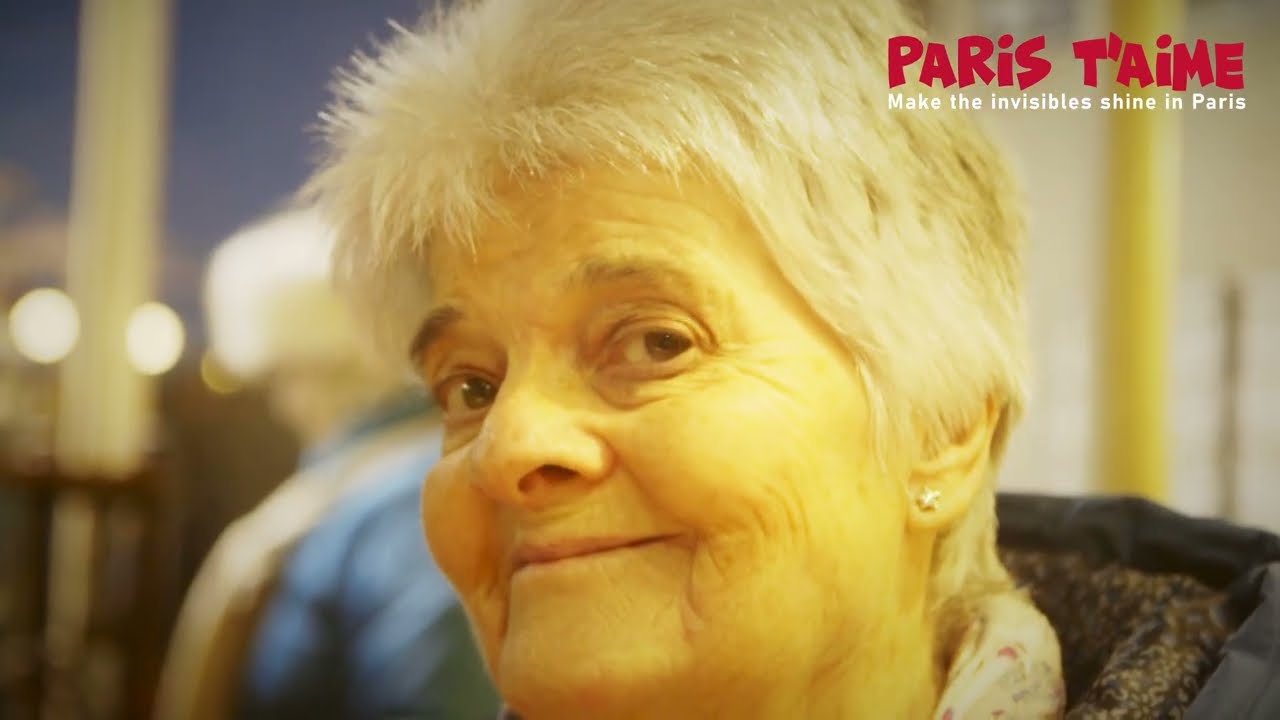
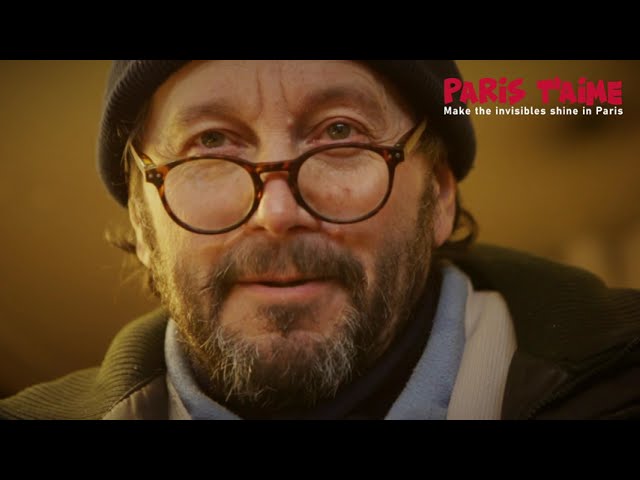
Places, dates, faces — traces of 240 years of fraternity.
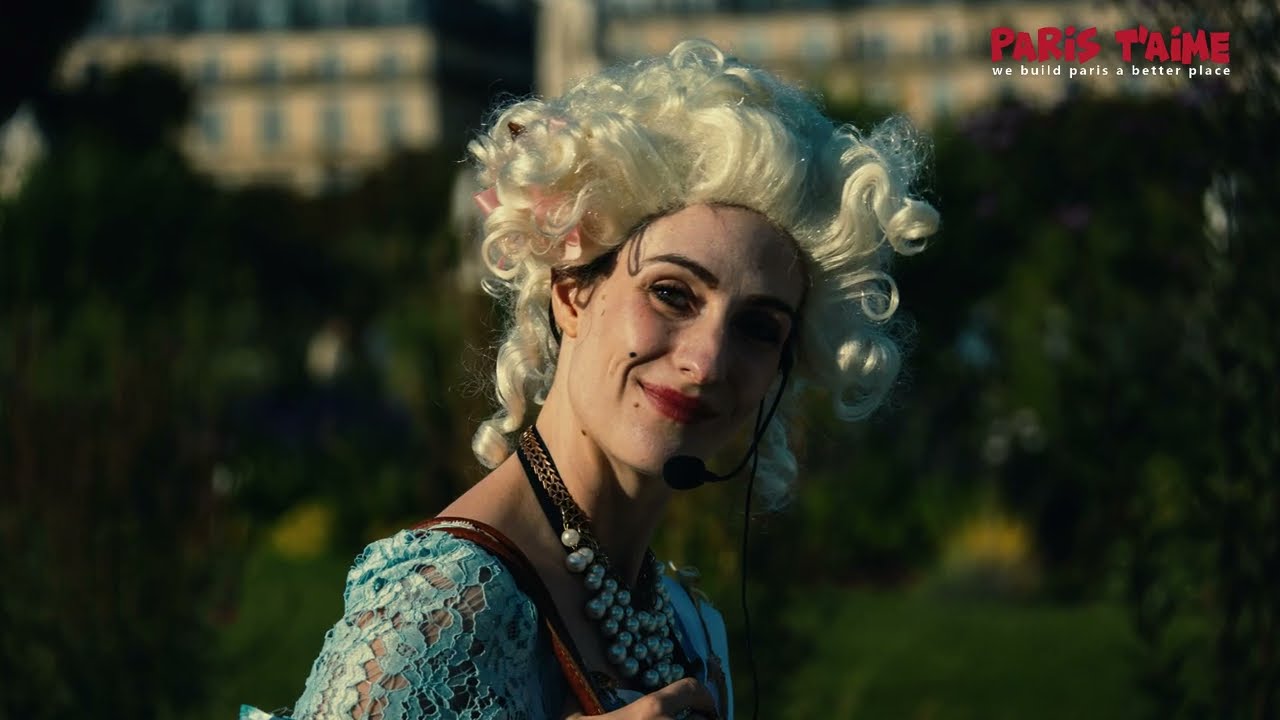
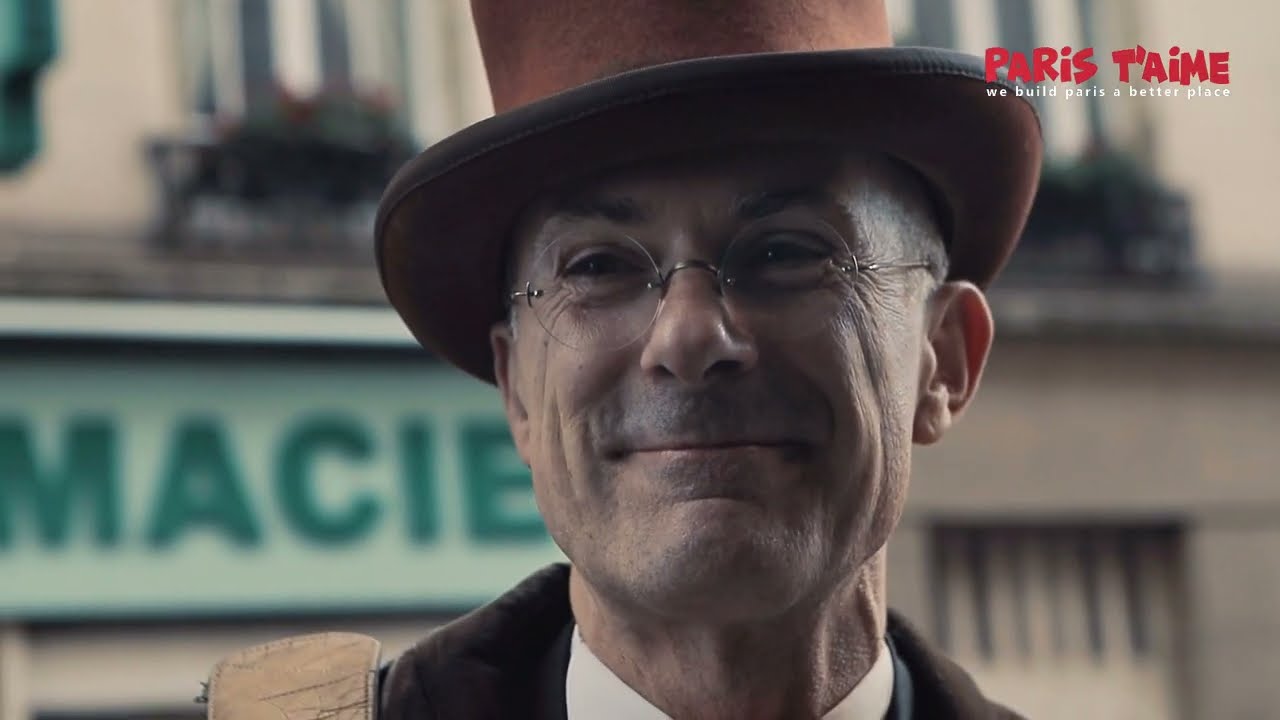
Fraternity lived at human height.
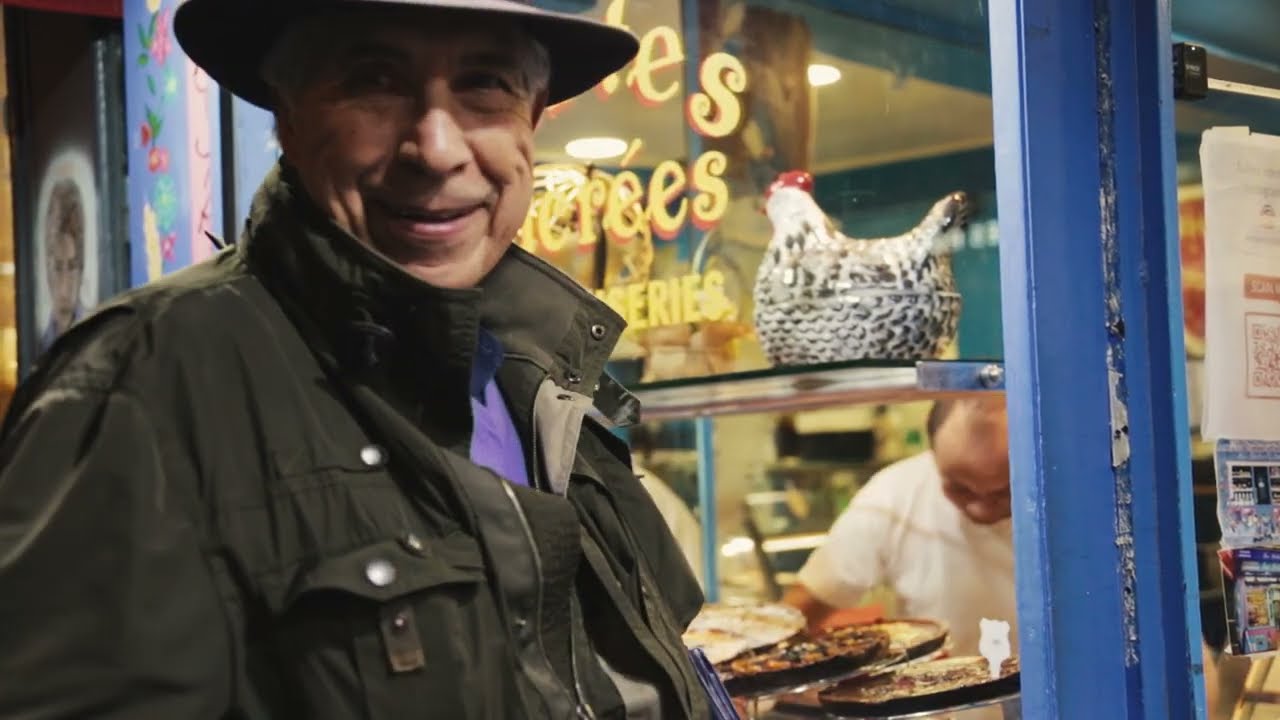
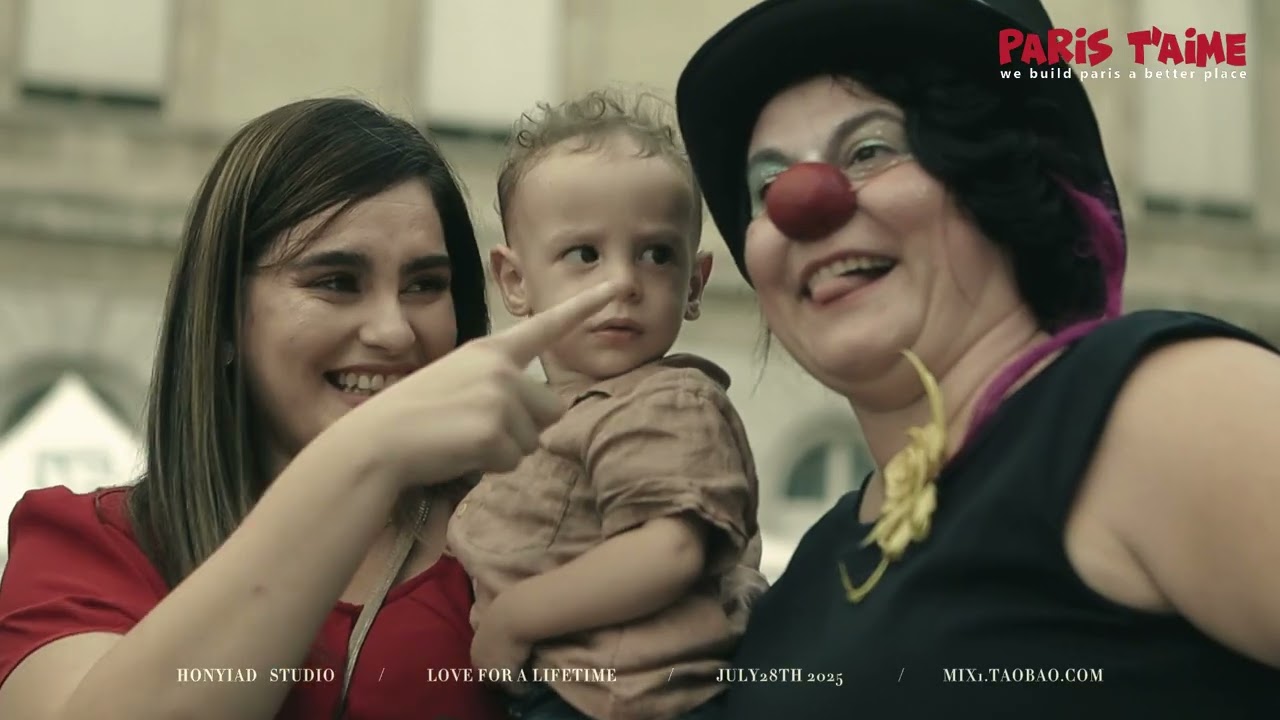
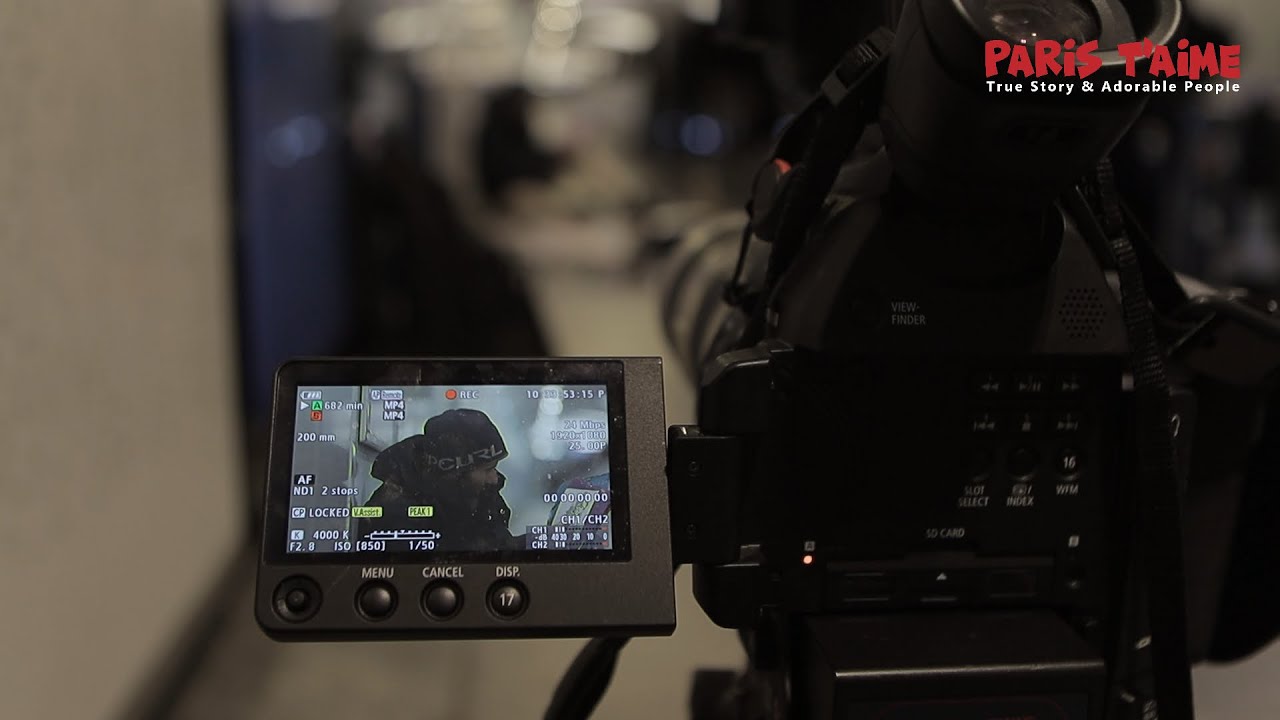
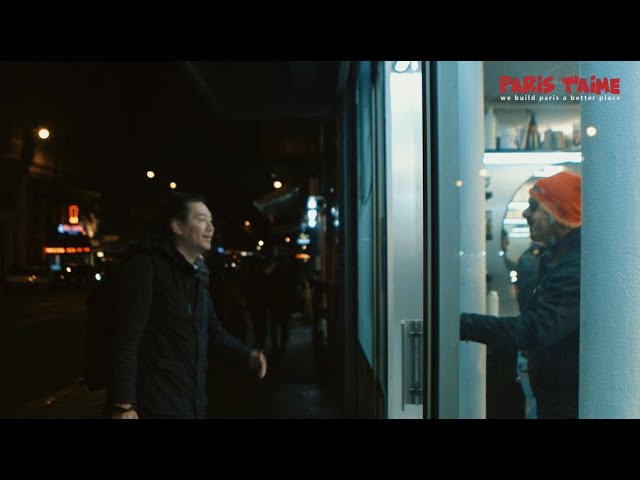
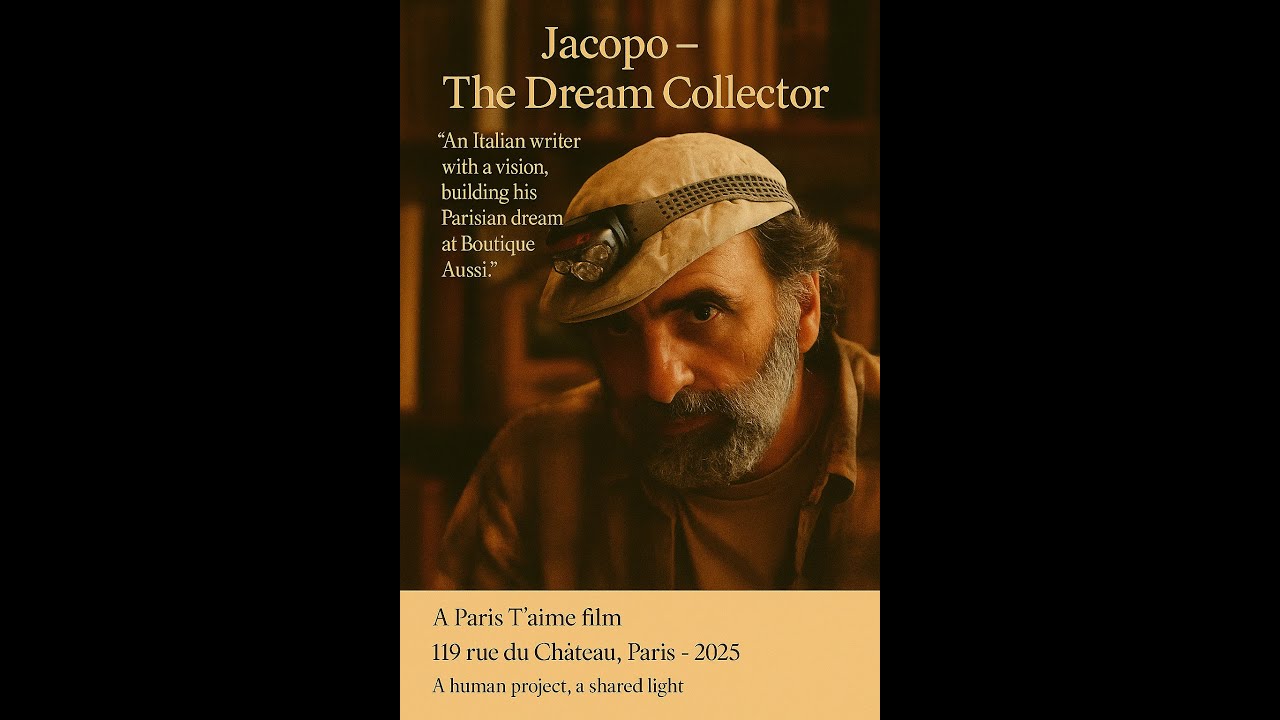
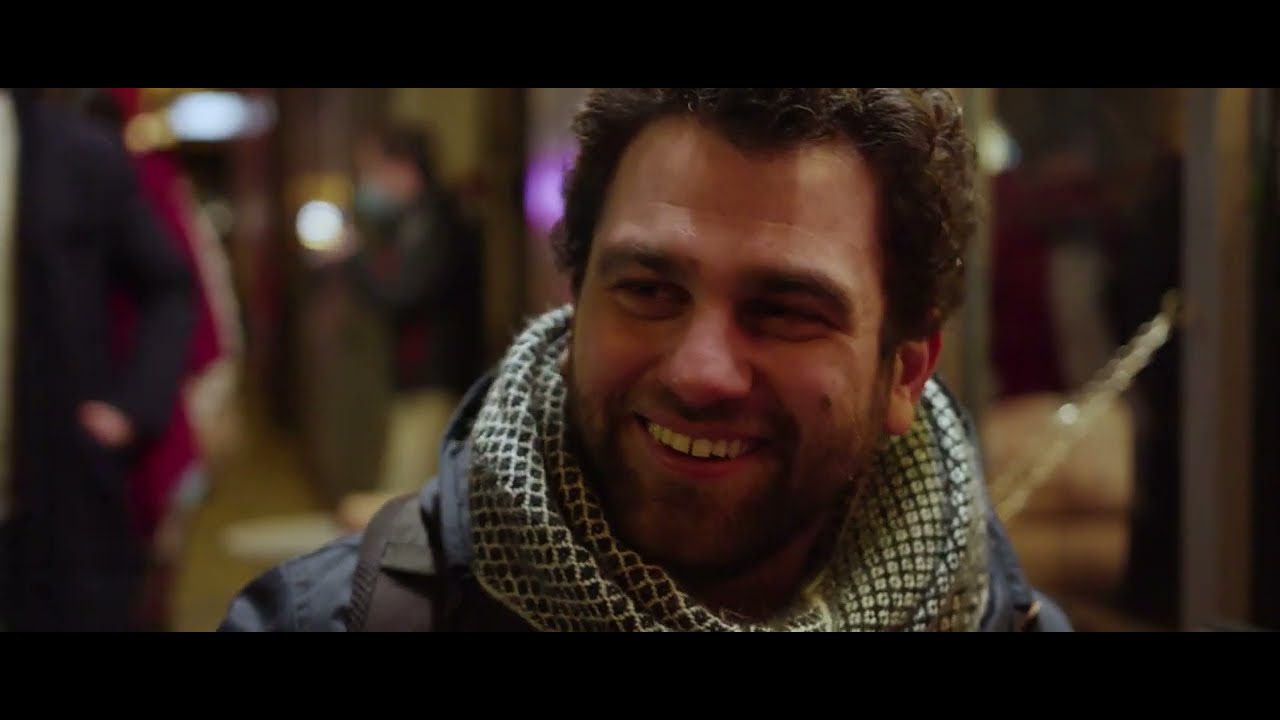
“Fraternity is the hope of humanity.”
Un jour, deux institutions ont contesté le nom « Paris T’Aime ».
Elles disaient qu’il ressemblait trop à « Paris je t’aime » ou « Paris vous aime ».
Ce n’était pas un obstacle, mais un message de Paris : garder l’amour clair, humble et humain.
J’ai souri. Ces trois phrases — je / tu / vous — sont notre manière de vivre ensemble.
Paris T’Aime est né pour prouver : Paris t’aime, pour de vrai.
La fraternité existe toujours.
C'est ici que la fable devient réalité.
Les preuves filmées et l'écosystème restent vivants,
pour que d'autres continuent à faire grandir la fraternité.
Paris je t’aime / Paris vous aime / Paris t’aime — voices of clarity.
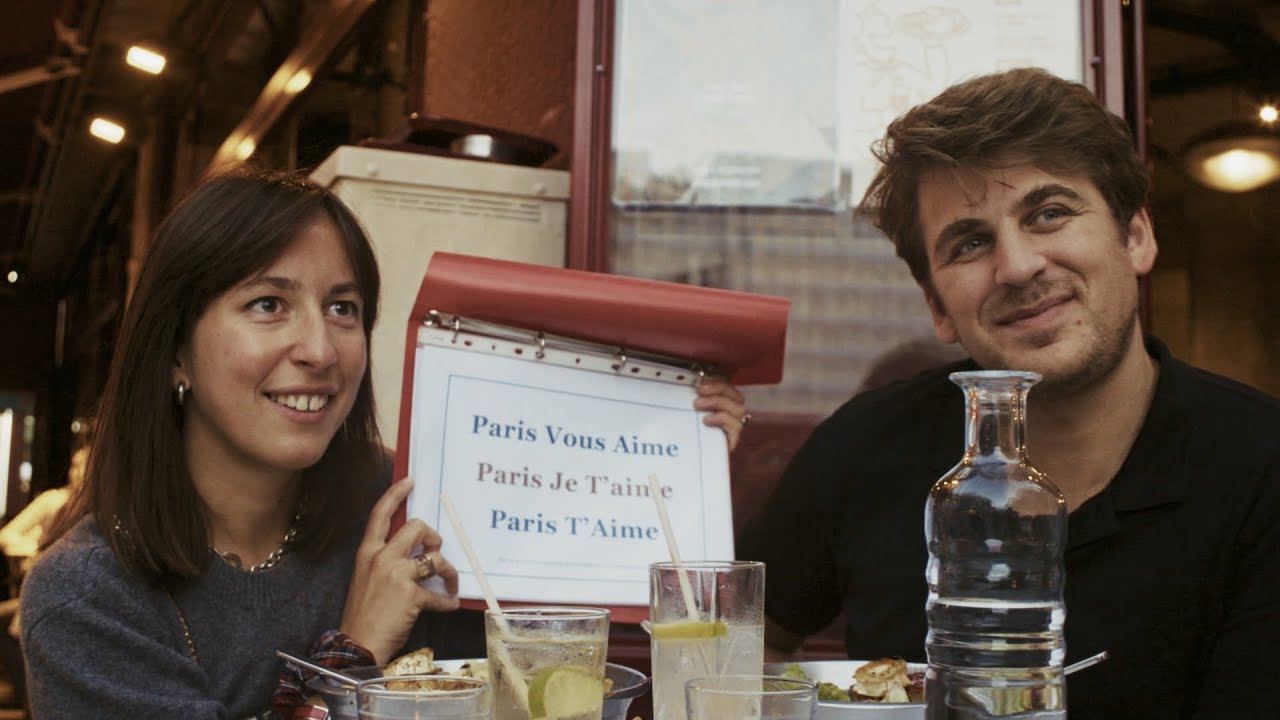
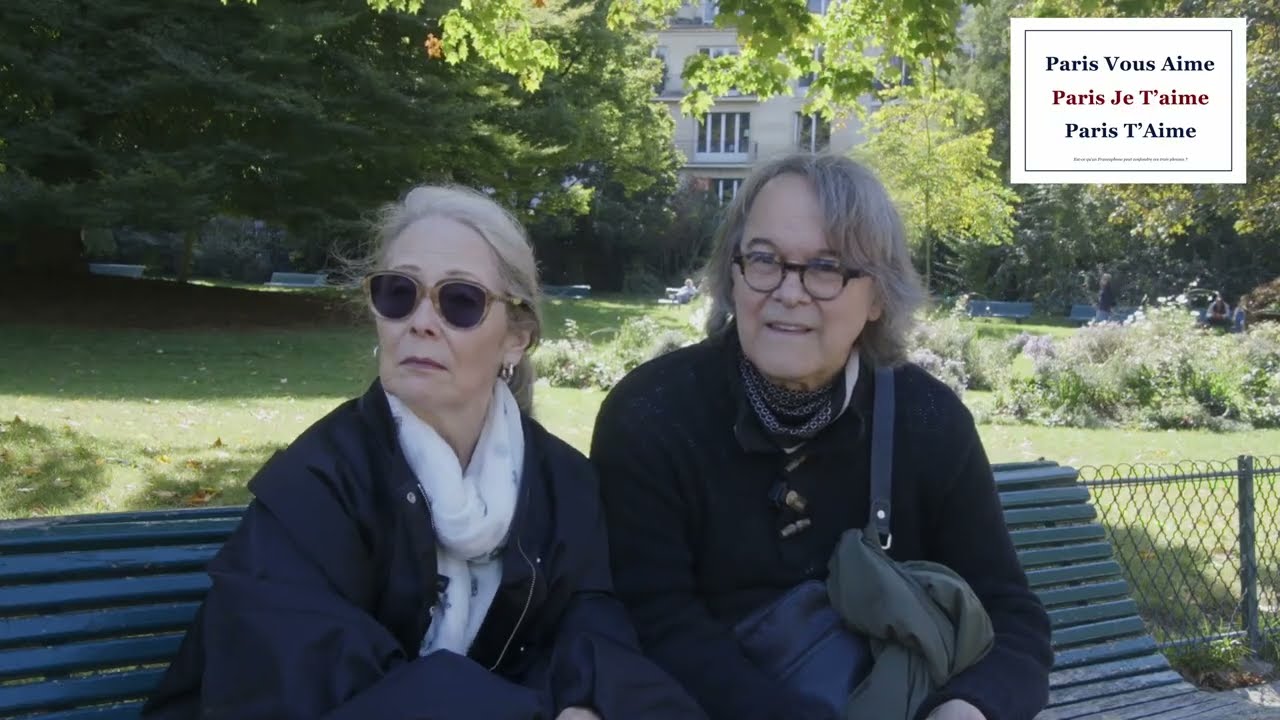
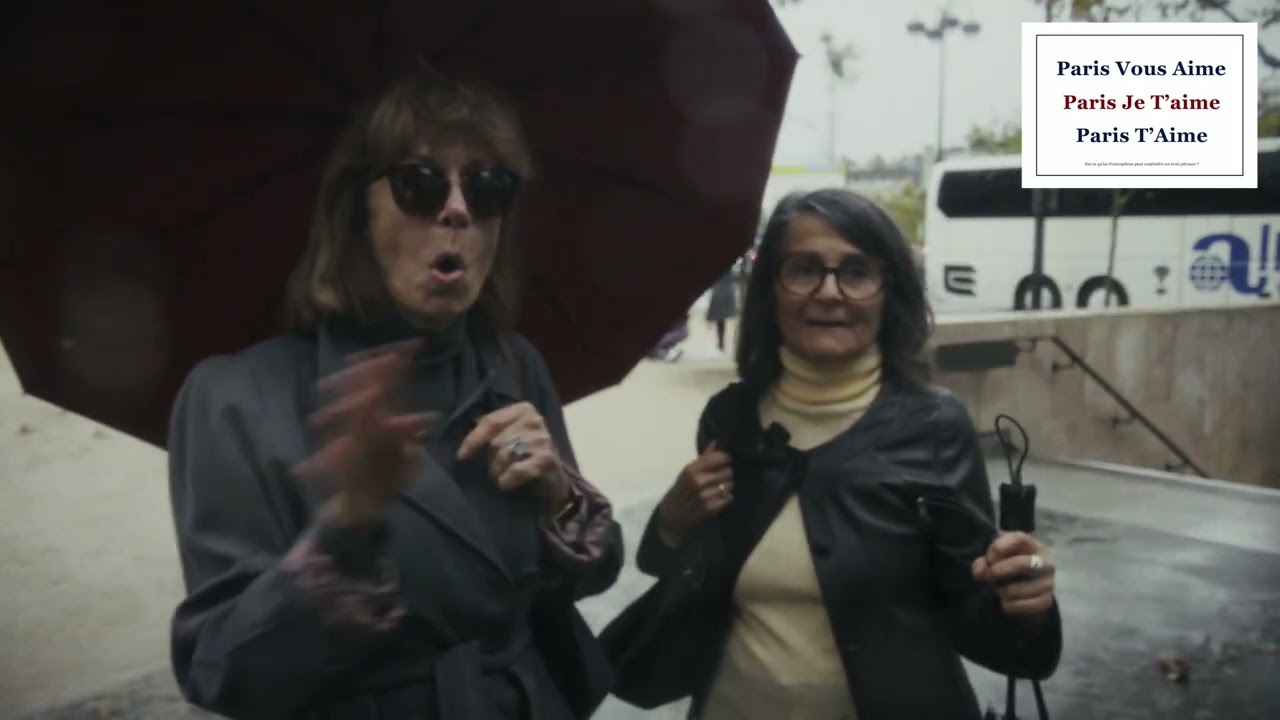
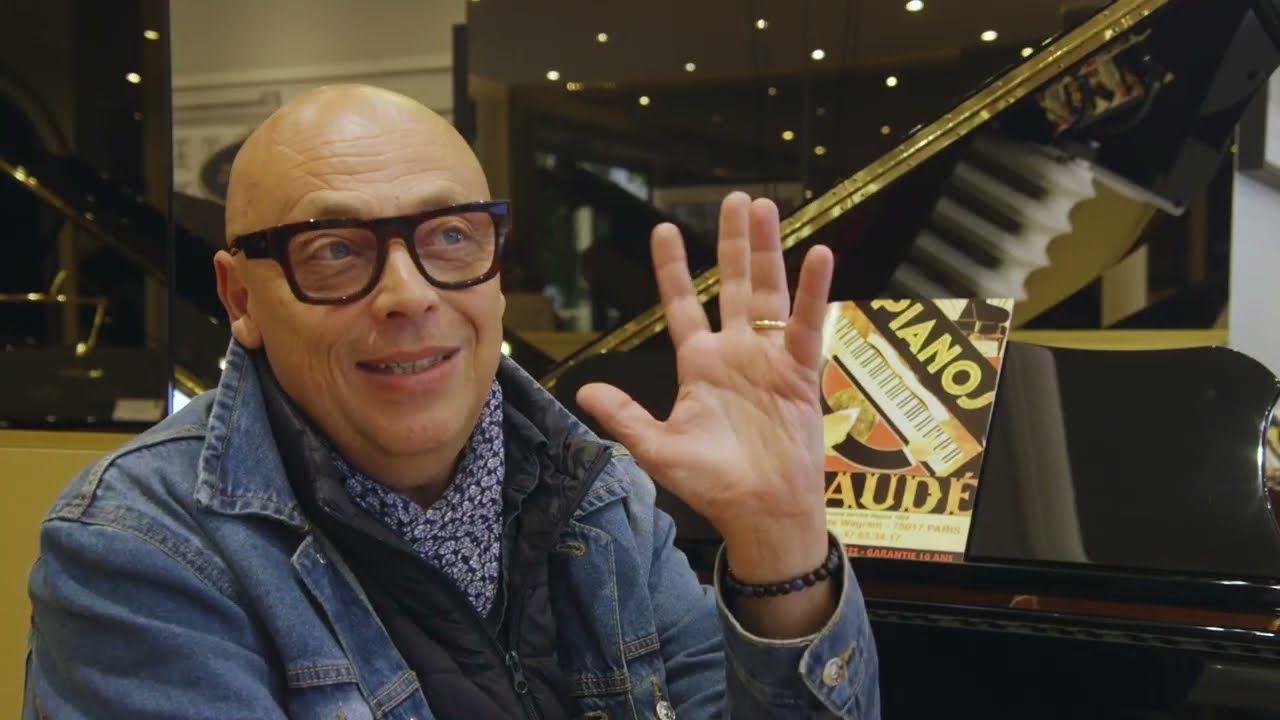
A question, a smile, a proof of humanity.
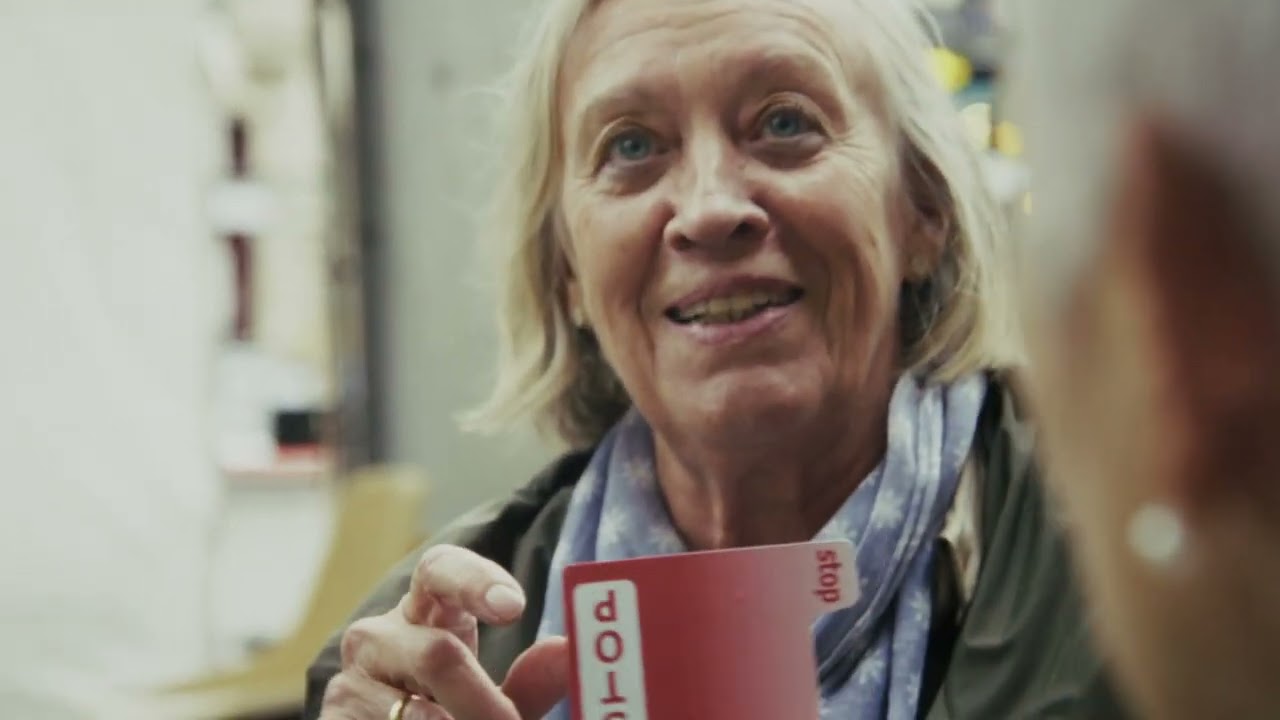
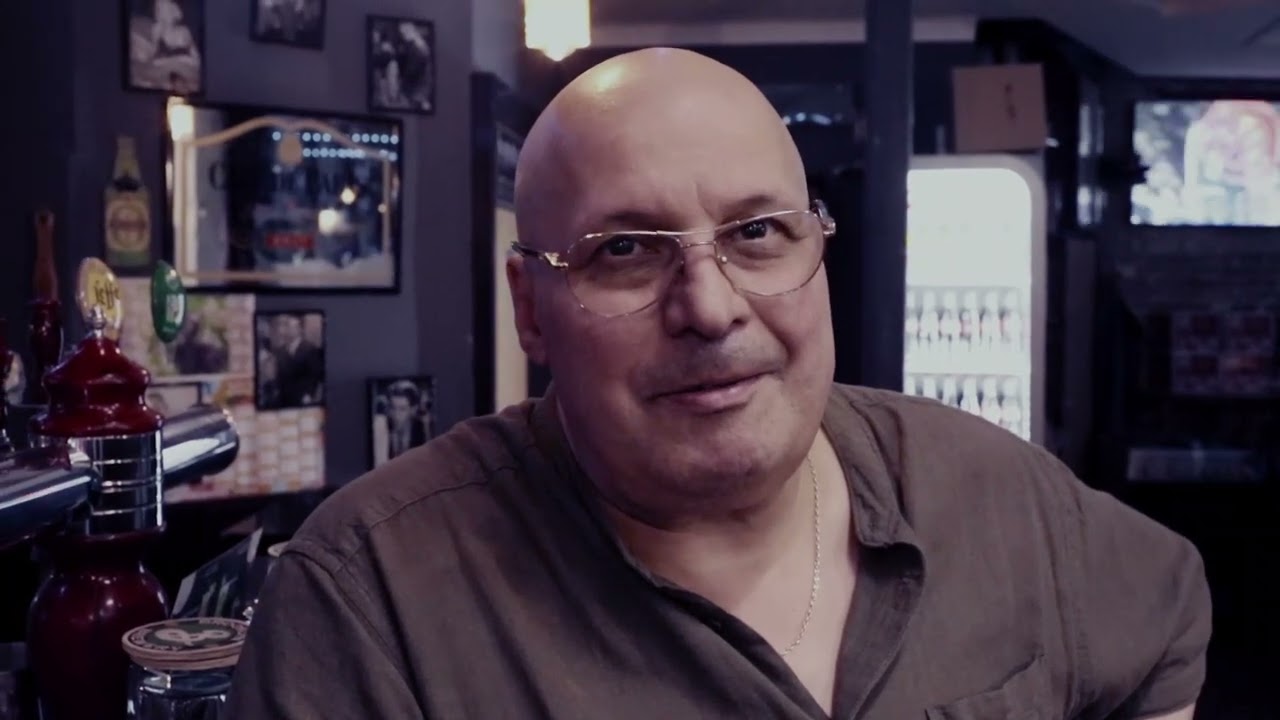
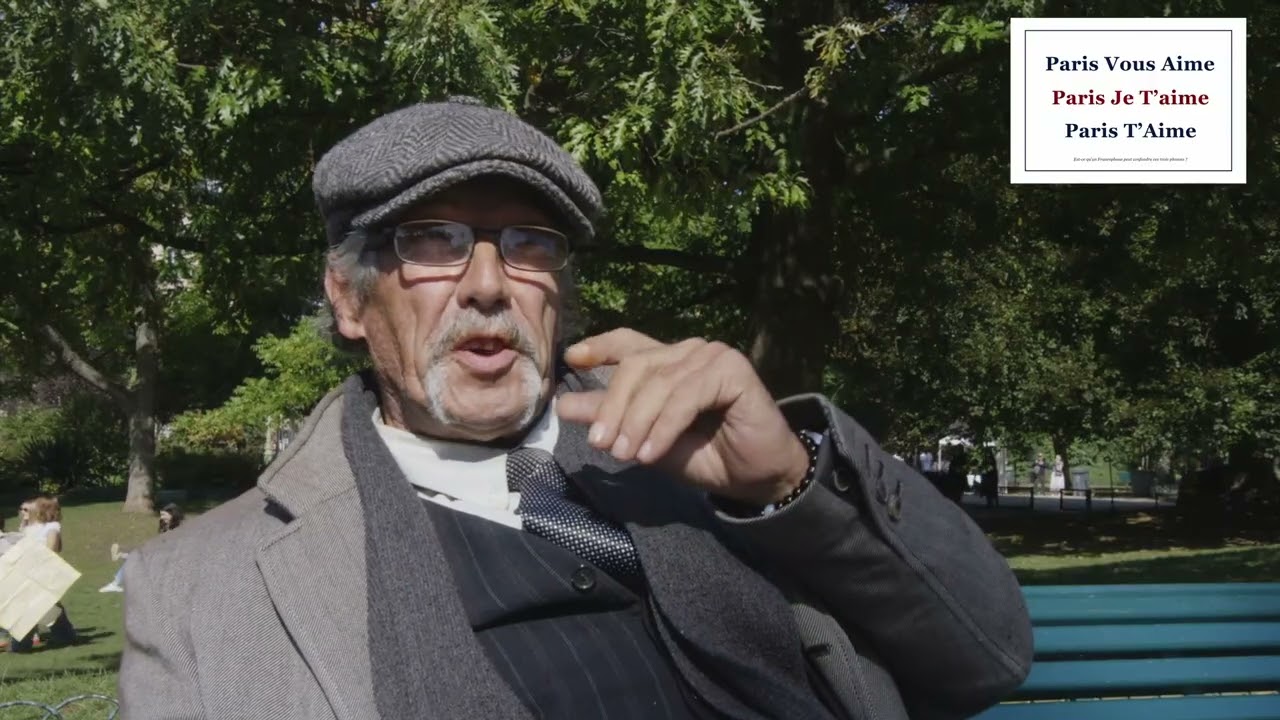
Choose a gesture to support.
From Paris to the world: breaths of kindness.
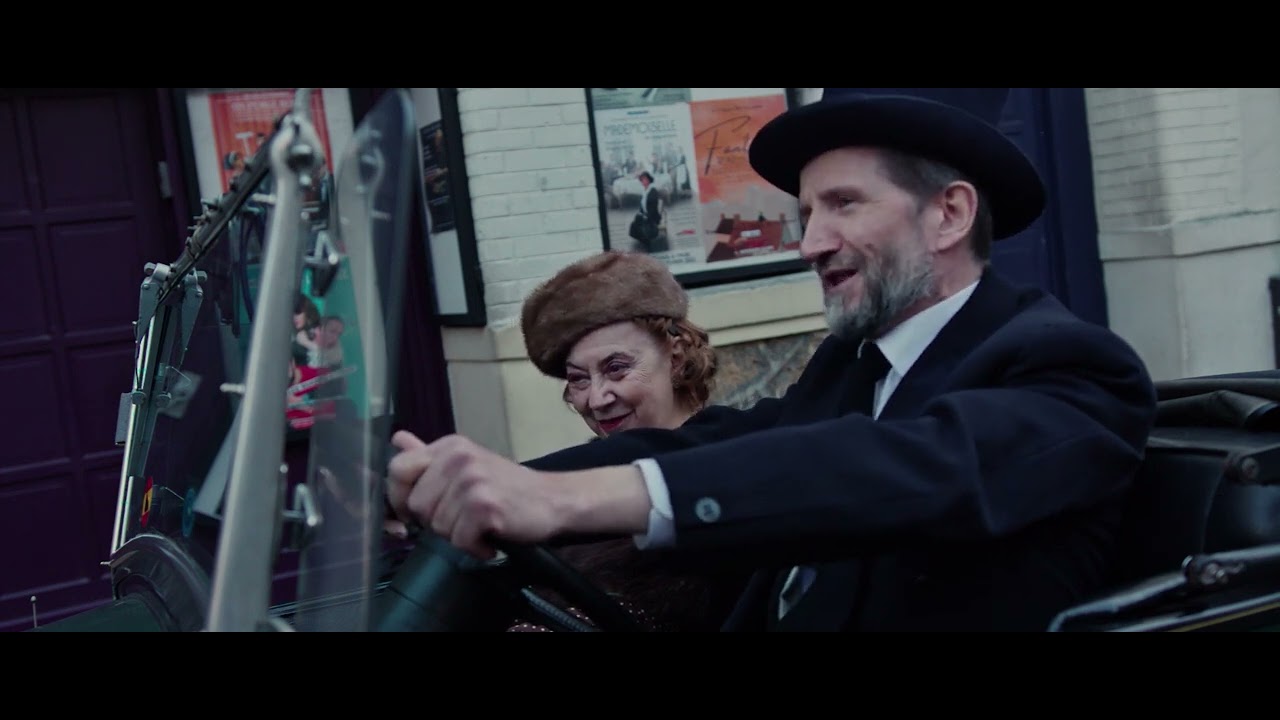
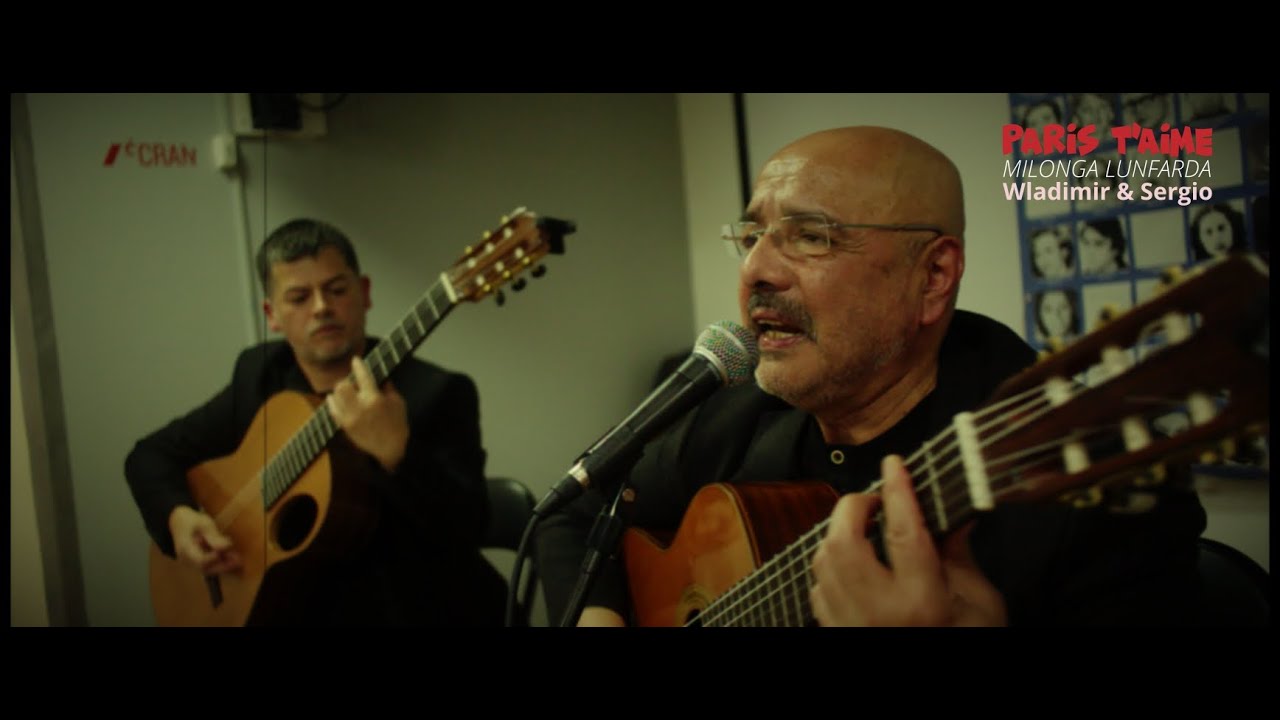
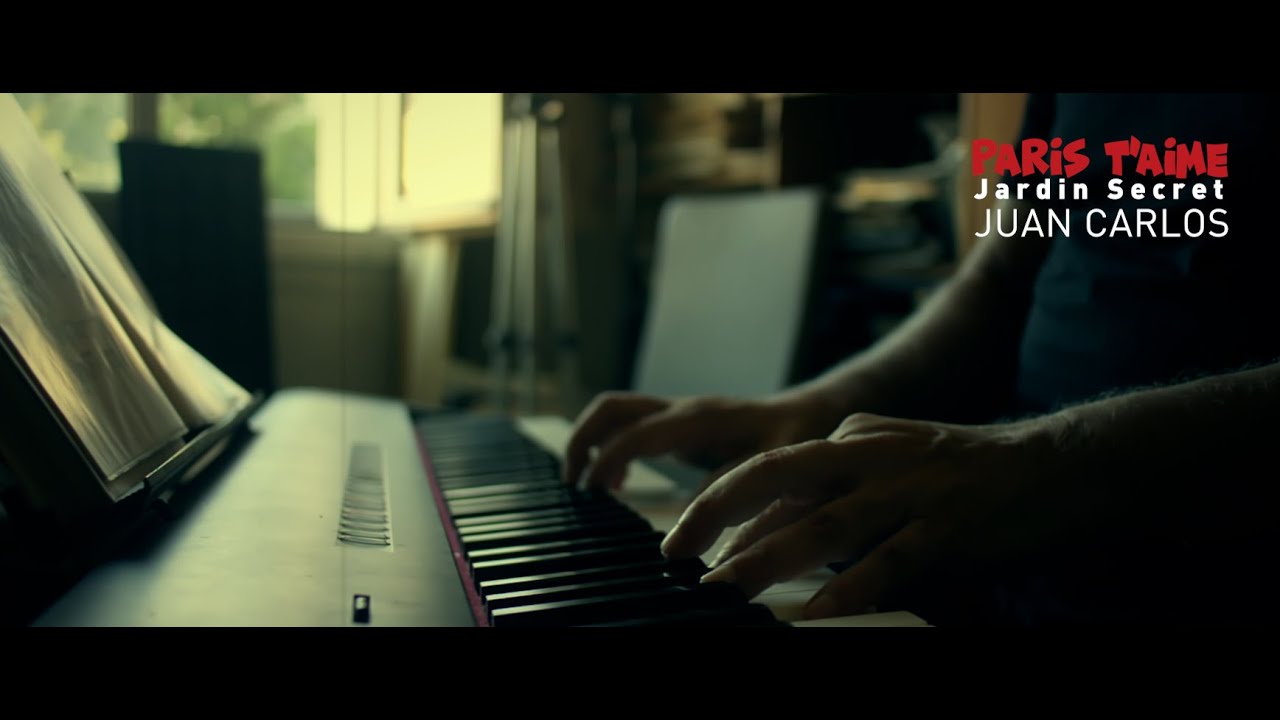
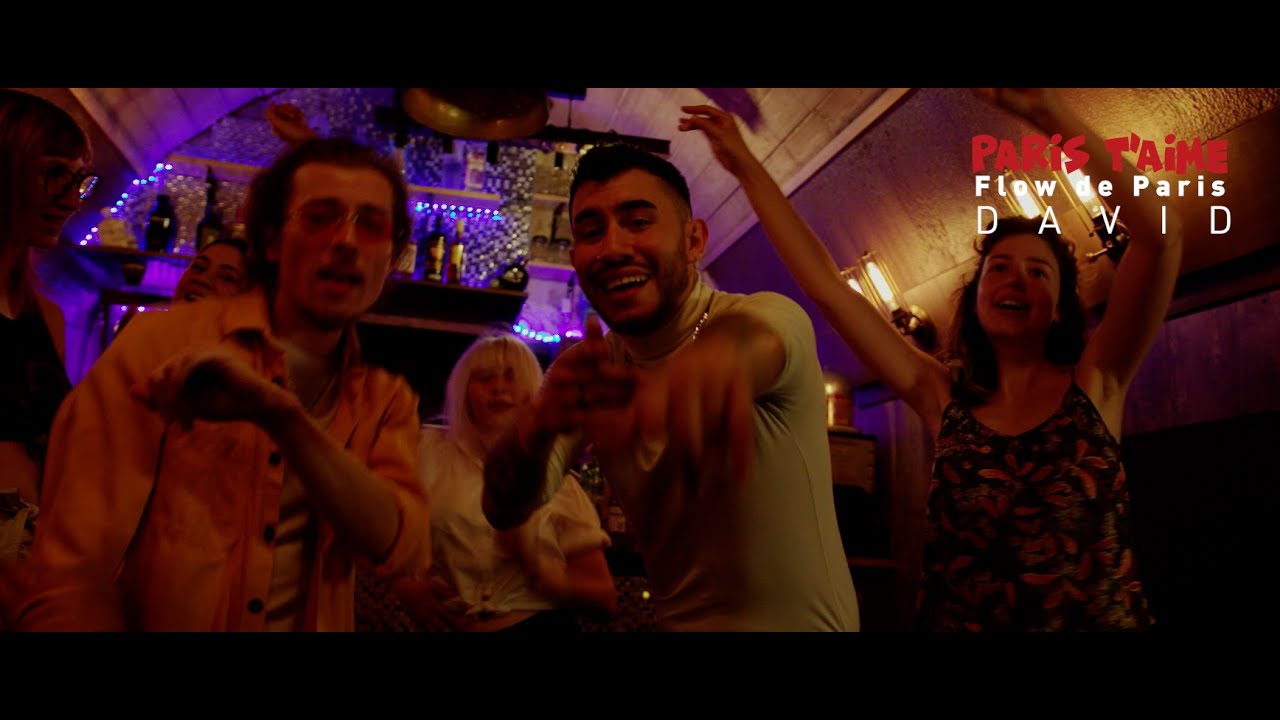
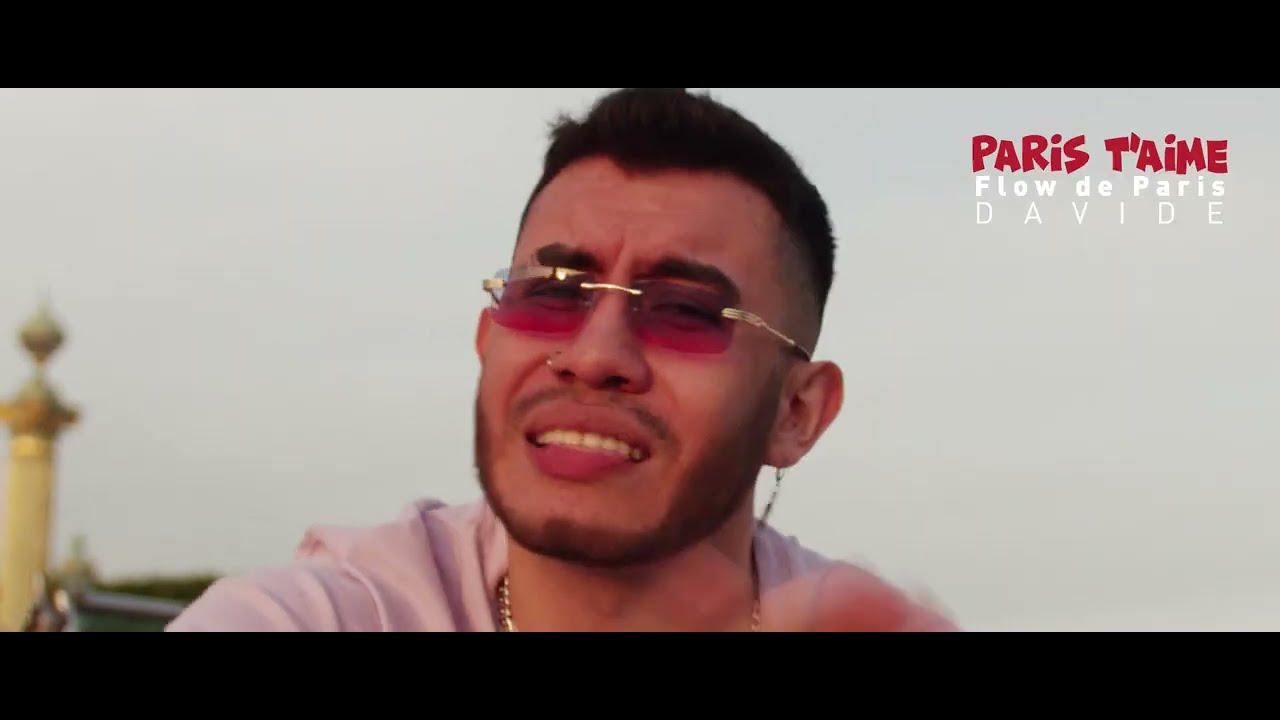
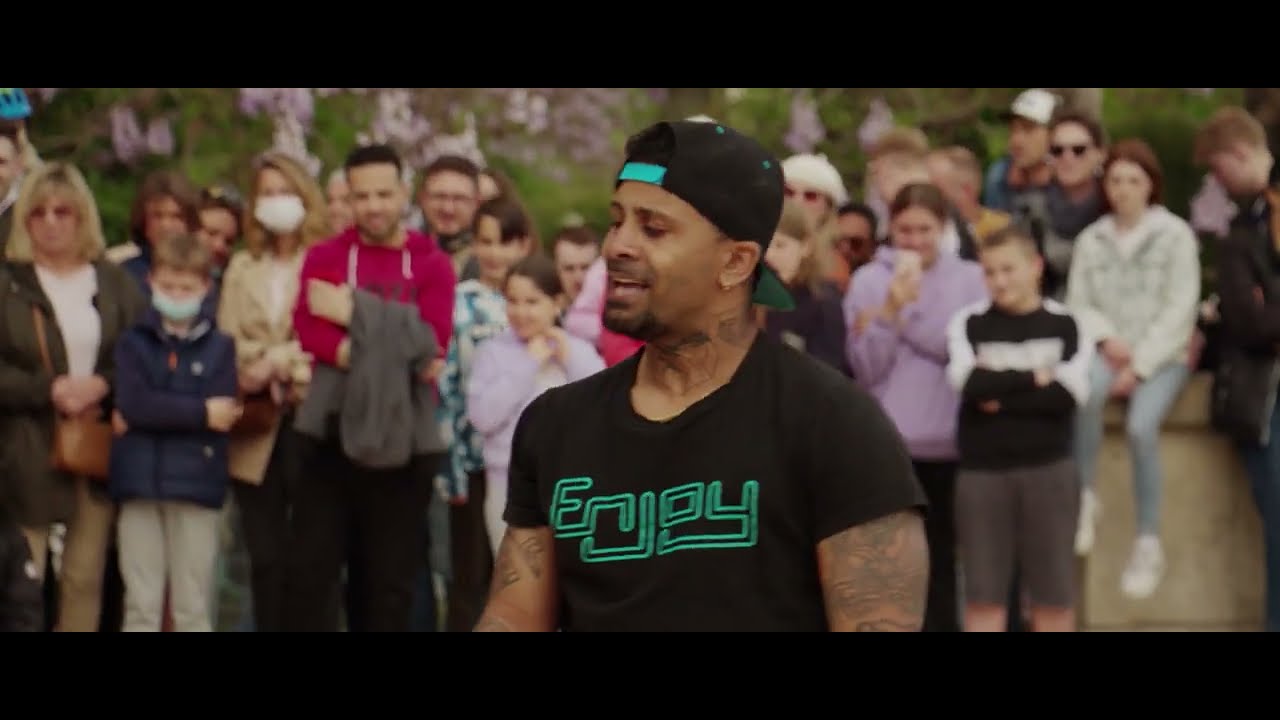
The Useful and Dynamic Cinema
« I film the soul, the spirit, and the heart of Paris.
It is not a film about Paris.
It is Paris filming the world, through one man. »
1) A necessity born from reality The useful and dynamic cinema was born in the streets, from human gestures and gratitude. It does not aim to observe, but to accompany. It is useful because it helps, and dynamic because it continues after the projection.
2) The method To film → To act → To acknowledge → To replay. Each film becomes a social act, each spectator a relay, each neighborhood a workshop of light. It is a horizontal cinema — one that walks at human height.
3) The extended heritage From Chaplin (active emotion) to neorealism (reconstructed truth), from Varda (tender gleaning) to Marker (living memory), Paris T’Aime continues these gestures to repair the social bond.
4) The answer for the 21st century In the age of disposable images, it restores to the 7th art its original purpose: to serve humanity. It is not a film about Paris; it is Paris filming the world, through one man.
A simple proof: cinema can still love, connect, and heal.
“Paris is not a city, it’s a world.”
In every corner of the street, there is a story that deserves to be seen.
Select your favorite neighborhoods, languages, and themes.
Create and share your own Paris T’aime page!
In the world of Paris T’aime, every neighborhood tells a living story — that of the Parisians, their struggles, their kindness, and their courage. Paris is a film in motion, where fraternity writes itself every day in the streets.