








1. When everything collapsed
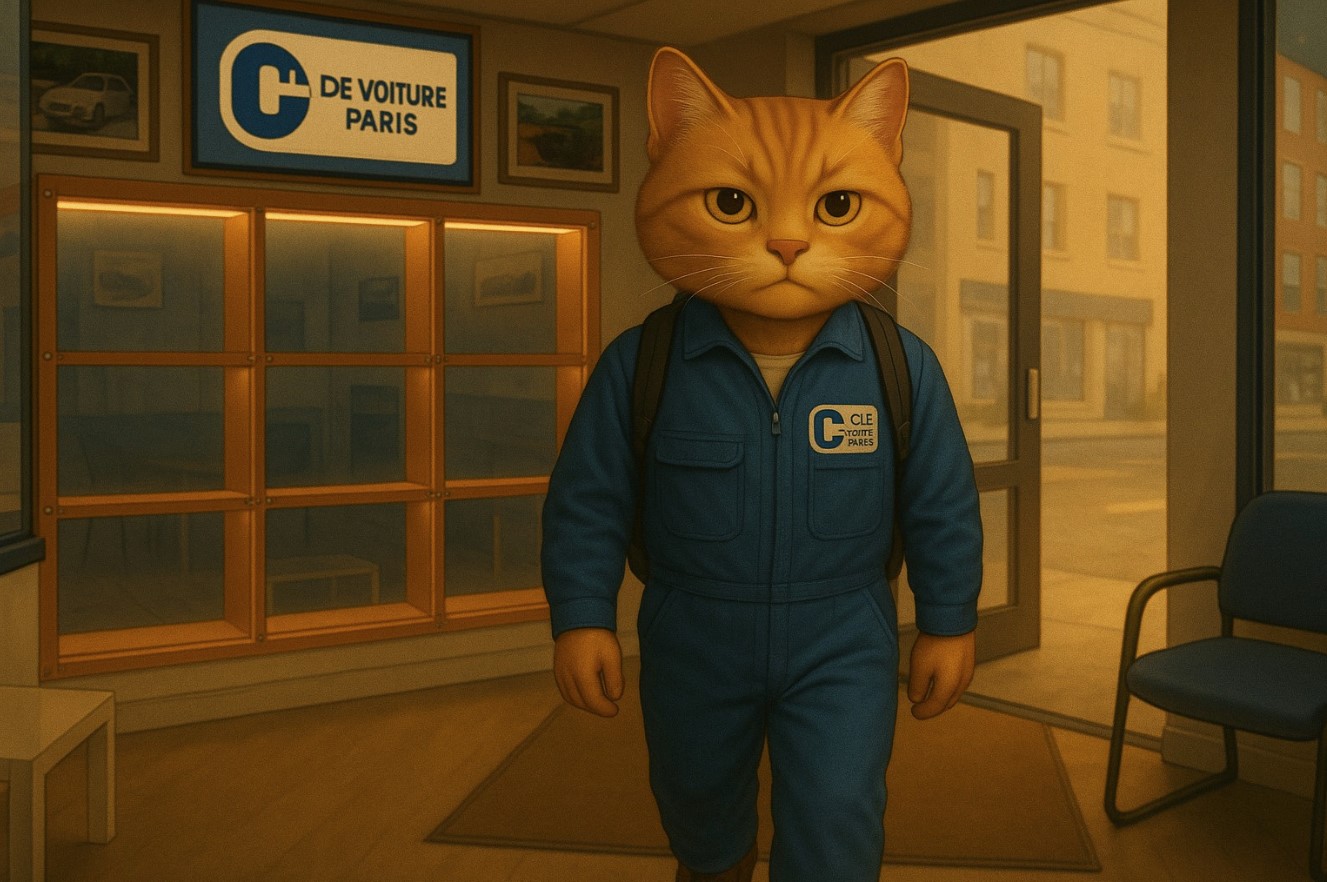
One day, everything stopped at once.
My company disappeared,
and so did my bearings.
I thought I had lost everything —
I did not yet know
that a silent system
was watching over me,
here, in Paris.
Born from true stories, this narrative begins with a man who lost everything, but whom Paris did not let fall.
So he went into the streets to look for those who help quietly: shopkeepers, workers, artists, passersby, invisible angels.
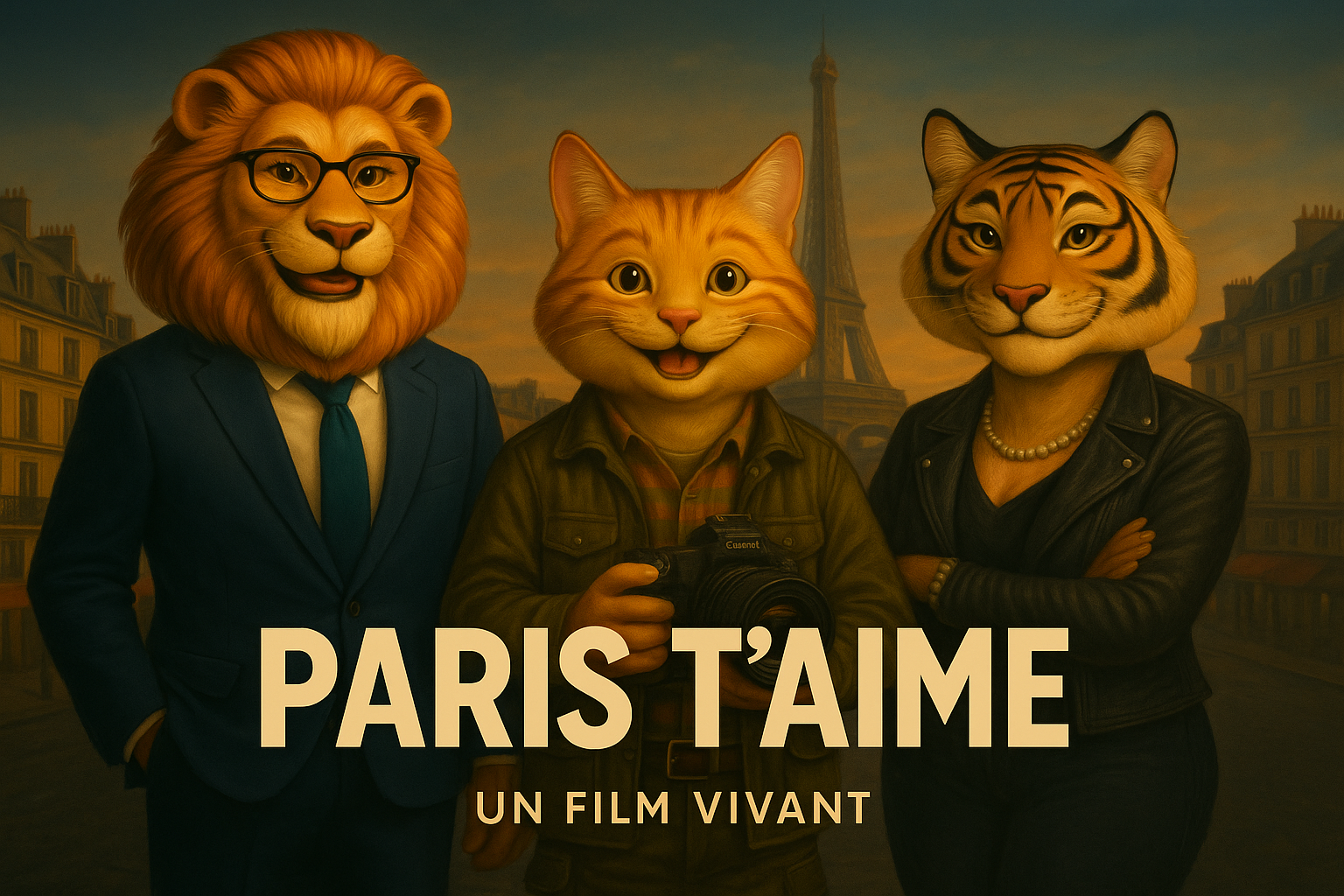
Paris T’Aime does not only show Paris. It films the human bonds that still keep it standing, and turns them into a useful and dynamic cinema.
A living film. 80 neighborhoods. Infinite feuilletons. A social ecosystem built to prove that fraternity still exists.
Paris T’Aime is a ten-year cinematic, social, and research-creation project, from 2019 to 2029, conceived as a pilgrimage of goodness through Paris, the historic capital of fraternity.
Born from a simple desire — to be useful — this project seeks to answer a profound question of our time: how can cinema once again become a living tool to recognize human beings, repair human bonds, and reveal the fraternal part still present in the city?
To do so, Paris T’Aime does not limit itself to a single film. It is a fraternal ecosystem, never before conceived in this way, where several forms nourish one another in order to prolong cinema in real life.
At the heart of this ecosystem is first the main film, a docu-fiction that follows, over the long term, a human, cinematographic, and symbolic path through Paris.
But around this main film, other forms unfold:
Thus, Paris T’Aime is neither only a work, nor only a platform, nor only a social idea. It is a coherent whole in which film, feuilletons, recognition, platform, and the economy of the heart move forward together.
This is why the project belongs to research-creation: it does not separate thought, creation, fieldwork, the living corpus, human experience, and cinematographic form. The corpus is built by walking. Research happens in relationship. The film advances with the city. The work develops at the same time as life.
In this sense, Paris T’Aime proposes a new form: a useful and dynamic cinema that does not seek only to show, but to act, recognize, connect, and continue in reality.
A cinema that does not stop at the credits, because it continues in the neighborhoods, in encounters, in pages, in objects, in filmed proofs, and in the human bonds it helps bring to light.
But on the path of this pilgrimage of goodness, an unexpected pivot appears: the oppositions of Paris Je T’Aime and Paris Vous Aime against Paris T’Aime.
On the surface, it is a conflict of signs. But deeper down, this moment reveals something larger: a conflict between two ways of reading, thinking, and understanding the world.
On one side, a surface reading, which simplifies, merges, and reduces. On the other, a reading of depth, which distinguishes, connects, and respects the living structure and meaning of relationships.
Thus, the conflict around the name does not divert the project from its path: it reveals, on the contrary, the very heart of Paris T’Aime.
For the whole project rests on this tension: between what society sees quickly and what it takes time to understand; between the apparent function of a being and its true human value; between the surface of things and the depth of life.
That is why each neighborhood episode follows the same movement: starting from an ordinary gesture, a place, a trade, a presence, in order to reveal what stands behind it: dignity, fidelity, goodness, a human bond, a discreet light.
Through its 80 neighborhoods, its faces, its trades, its voices, its nationalities, its modest presences, and its revealing conflicts, Paris T’Aime seeks more than a narrative.
It seeks a proof: proof that fraternity is not dead, that it still exists in real life, and that cinema can help recognize it.
From 2019 to 2029, Paris T’Aime thus moves forward as:
In other words, Paris T’Aime is not only a film about Paris. It is an unprecedented attempt to invent a cinema that helps society see better, love better, recognize better — and perhaps rediscover, in the capital of fraternity, a new way of continuing fraternity itself.
Paris loves you, for real.
Does Paris love you?
Life is unpredictable; no one ever knows what may happen. By chance, the man had traveled across Europe through his work in tourism. Later, he built a thriving business in Paris, before losing everything overnight. In that moment of collapse, Paris offered him social support. When he tried to start again, Covid-19 struck him. Feverish, bedridden, and ten thousand kilometers from where he had been born, he made a promise: if he survived, he would be useful, in Paris.
Life is unpredictable; no one ever knows what may happen. By chance, the man had traveled across Europe through his work in tourism. Later, he built a thriving business in Paris, before losing everything overnight. In that moment of collapse, Paris offered him social support. When he tried to start again, Covid-19 struck him. Feverish, bedridden, and ten thousand kilometers from where he had been born, he made a promise: if he survived, he would be useful, in Paris.
One day, everything stopped at once.
My company disappeared,
and so did my bearings.
I thought I had lost everything —
I did not yet know
that a silent system
was watching over me,
here, in Paris.
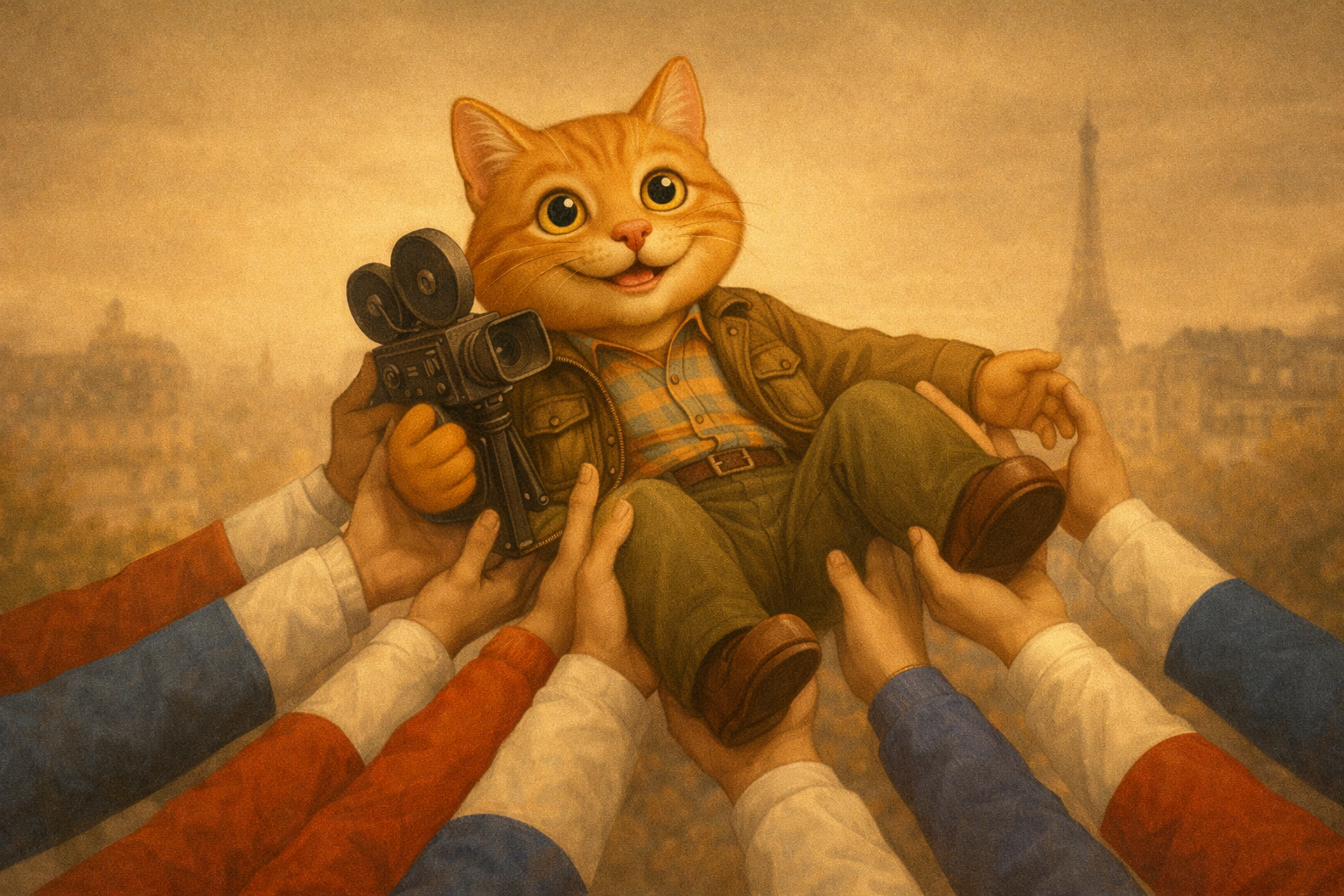
They are not visible heroes,
but structures, support systems,
strangers I may never meet.
Quietly, Paris and France
prevented my total fall
and helped me stand up again.
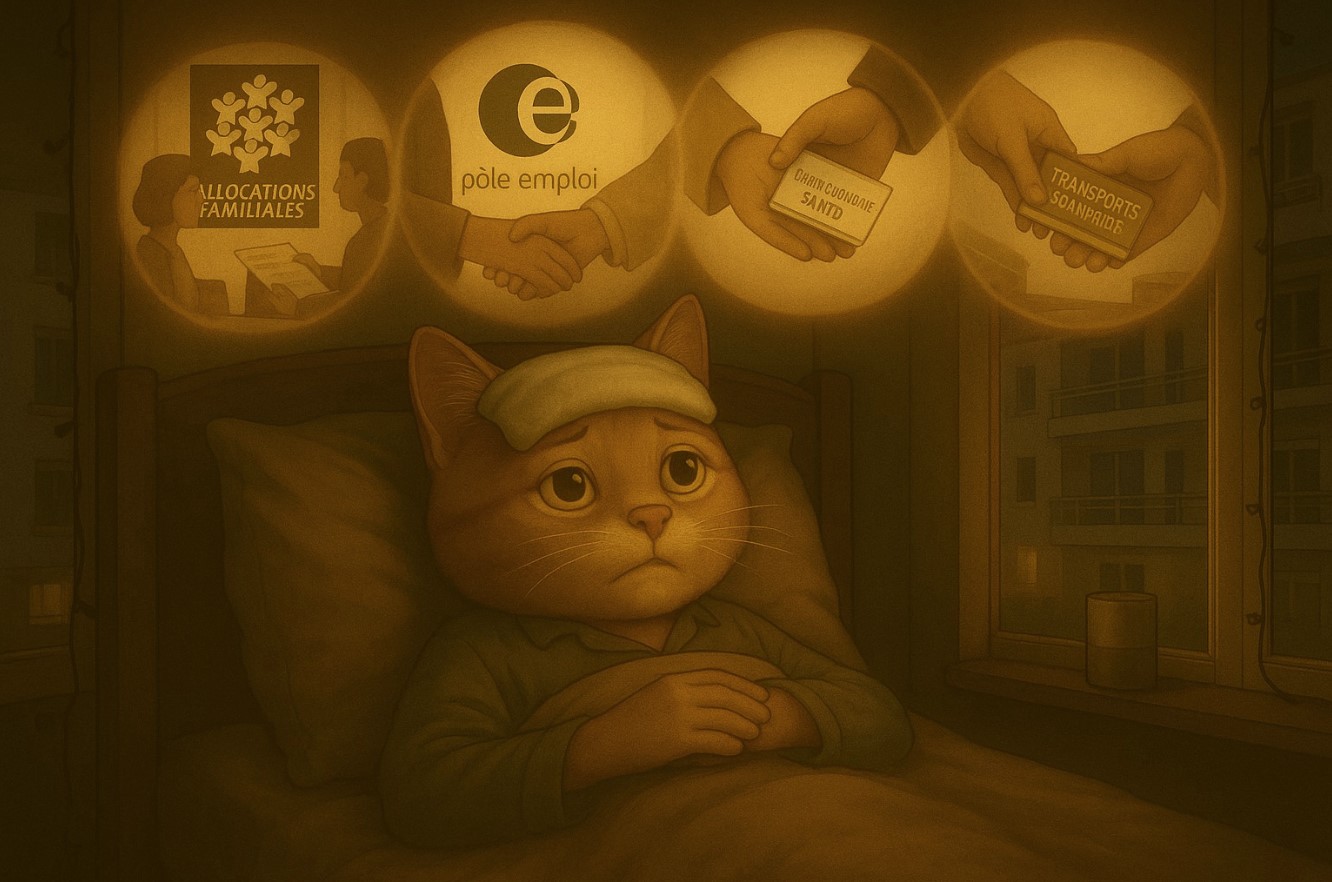
Feverish, alone,
ten thousand kilometers from my hometown,
stuck in bed with Covid,
I watch the film of my life again:
years of traveling across Europe,
a few passing successes…
Then, overnight, nothing.
In that silence,
I understand:
Paris never left me.
J’ai promis :
si je guéris, je serai utile, à Paris.
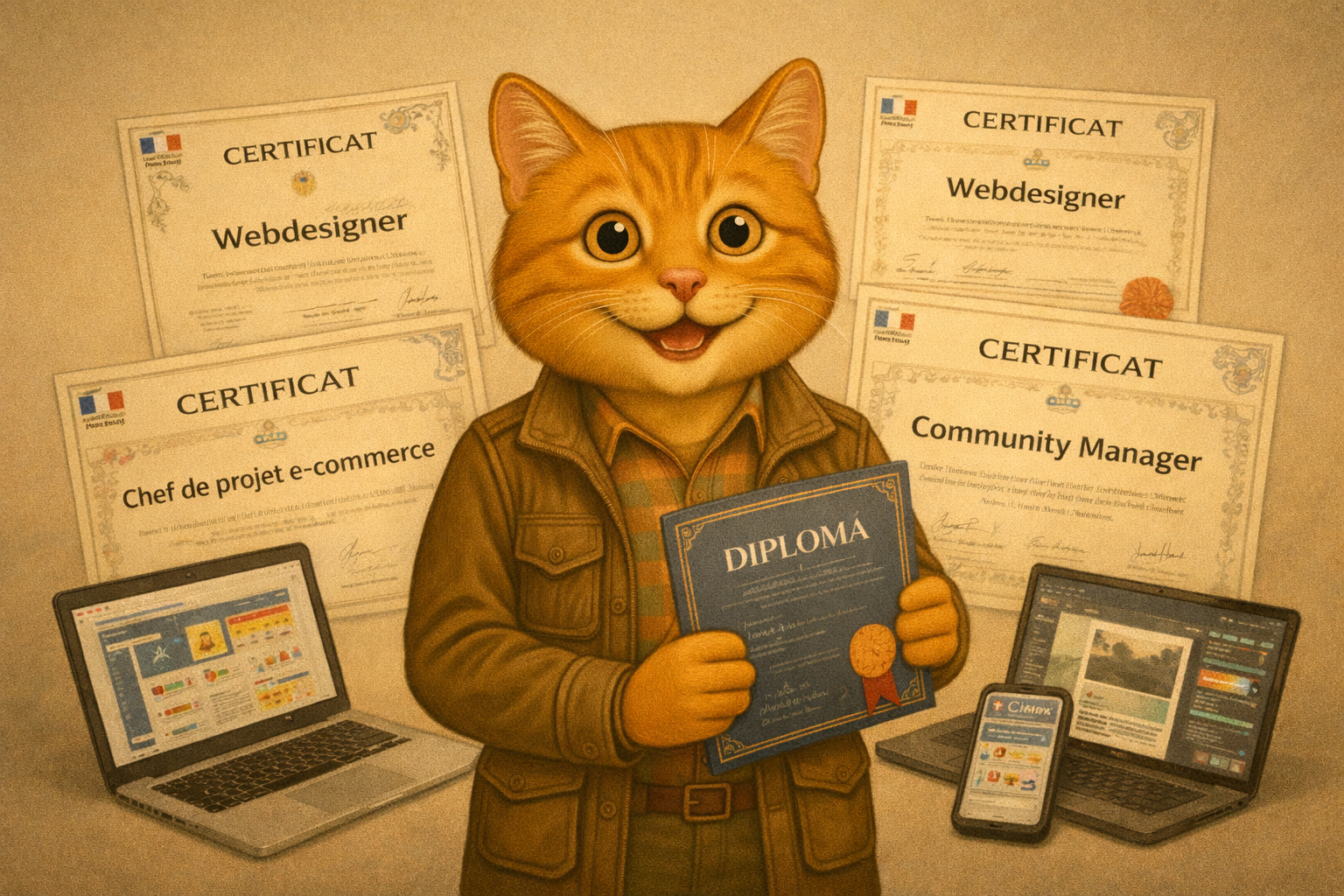
The French state funded my training.
That helping hand did not only
change my daily life:
it made it possible
to bring forth
an unprecedented fraternal project: “Paris T’Aime”.
The diplomas became
the pieces of the vessel:
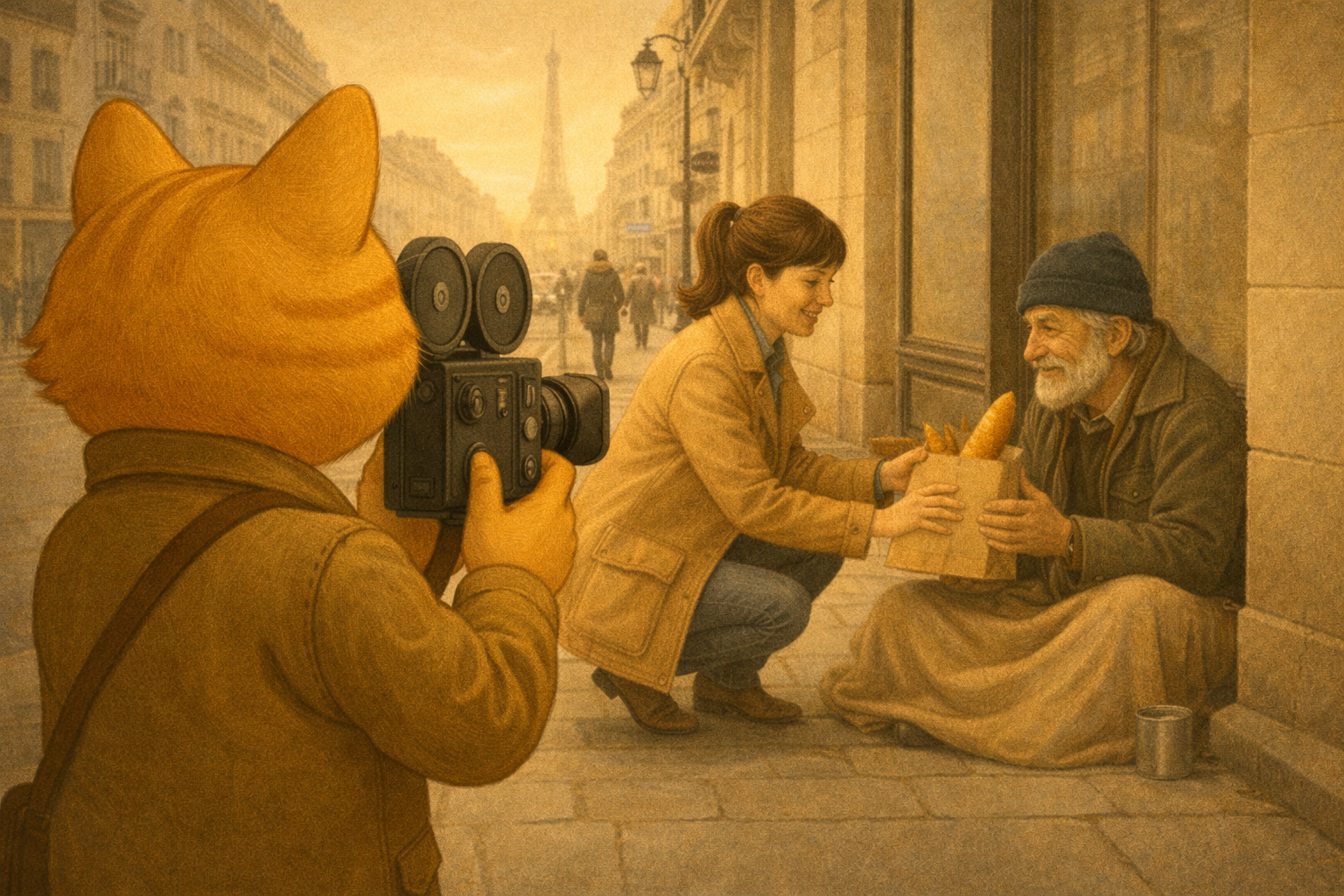
To thank Paris,
I began my pilgrimage of kindness.
Camera in hand,
I gather invisible gestures of goodness,
smiles,
filmed proof of fraternity,
street after street.
There, I discovered some of
the most beautiful images of human beings.
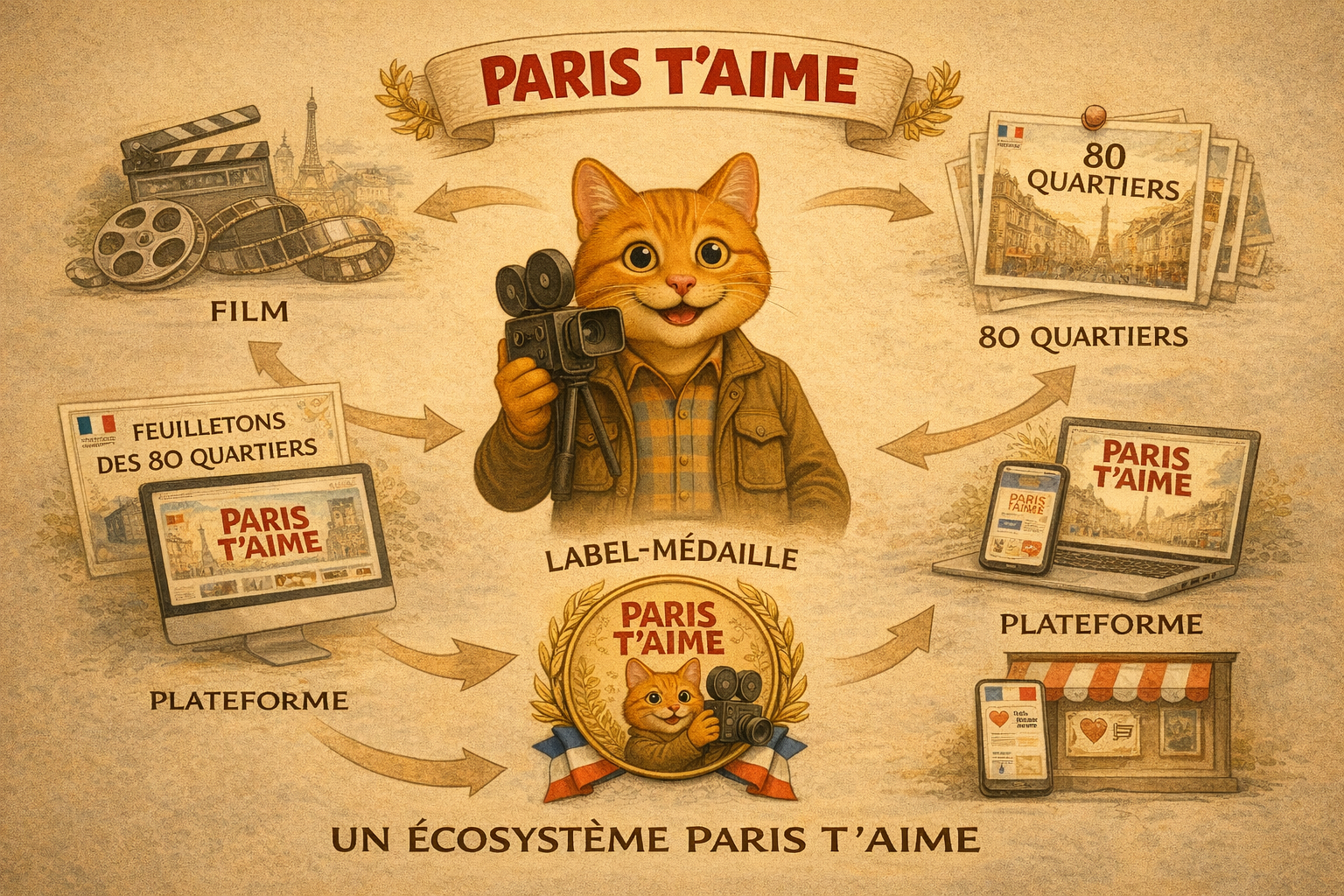
Little by little, these images
came together into a living ecosystem.
A human and social cinema
to celebrate 240 years of Fraternity,
carrying a single name: “Paris T’Aime”.
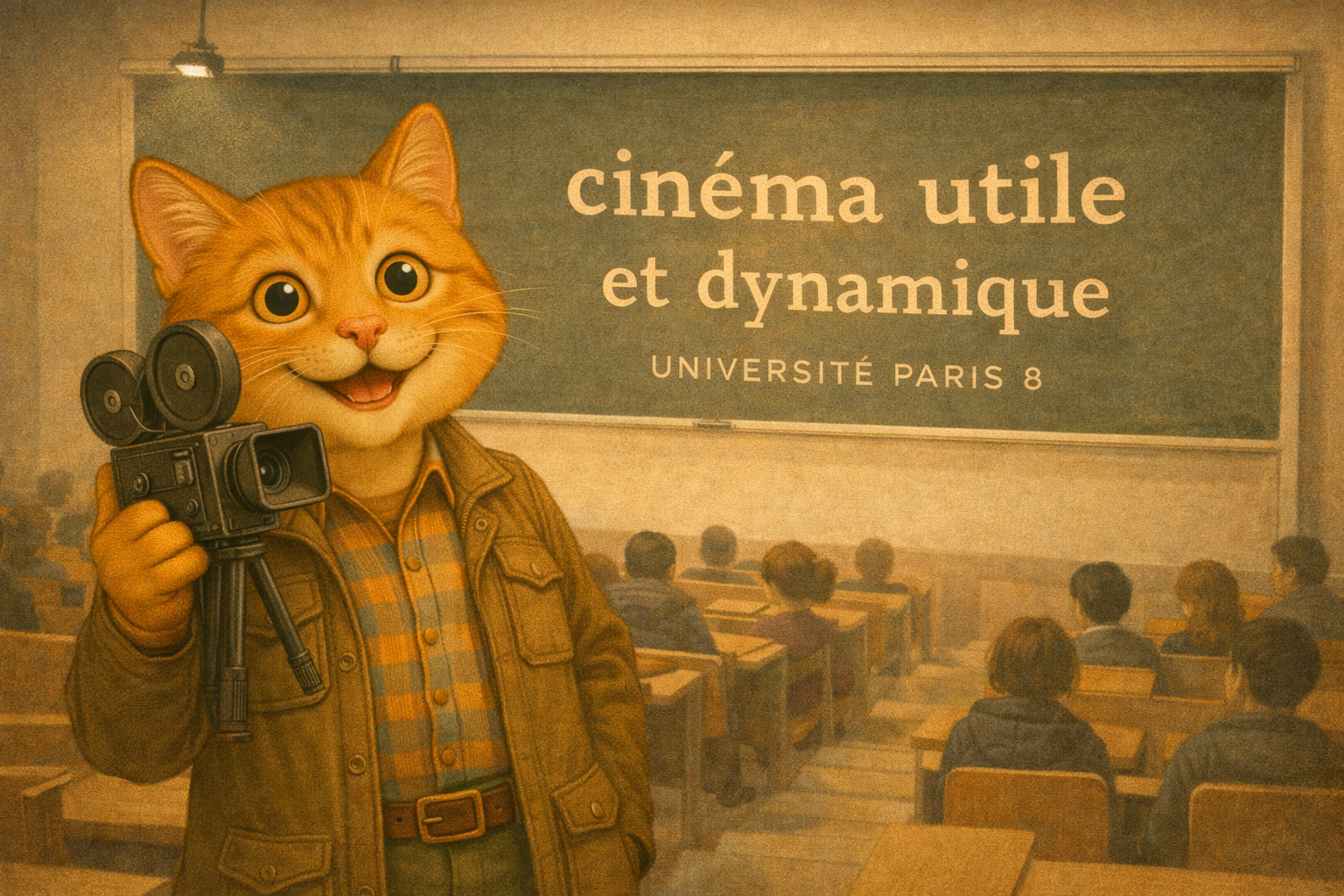
At Paris 8,
I find the engine of the vessel:
useful and dynamic cinema.
There, I understand that these images
are not only a film,
but a living dispositif.
I file the trademark PARIS T’AIME
to honor and protect
this fraternal project.
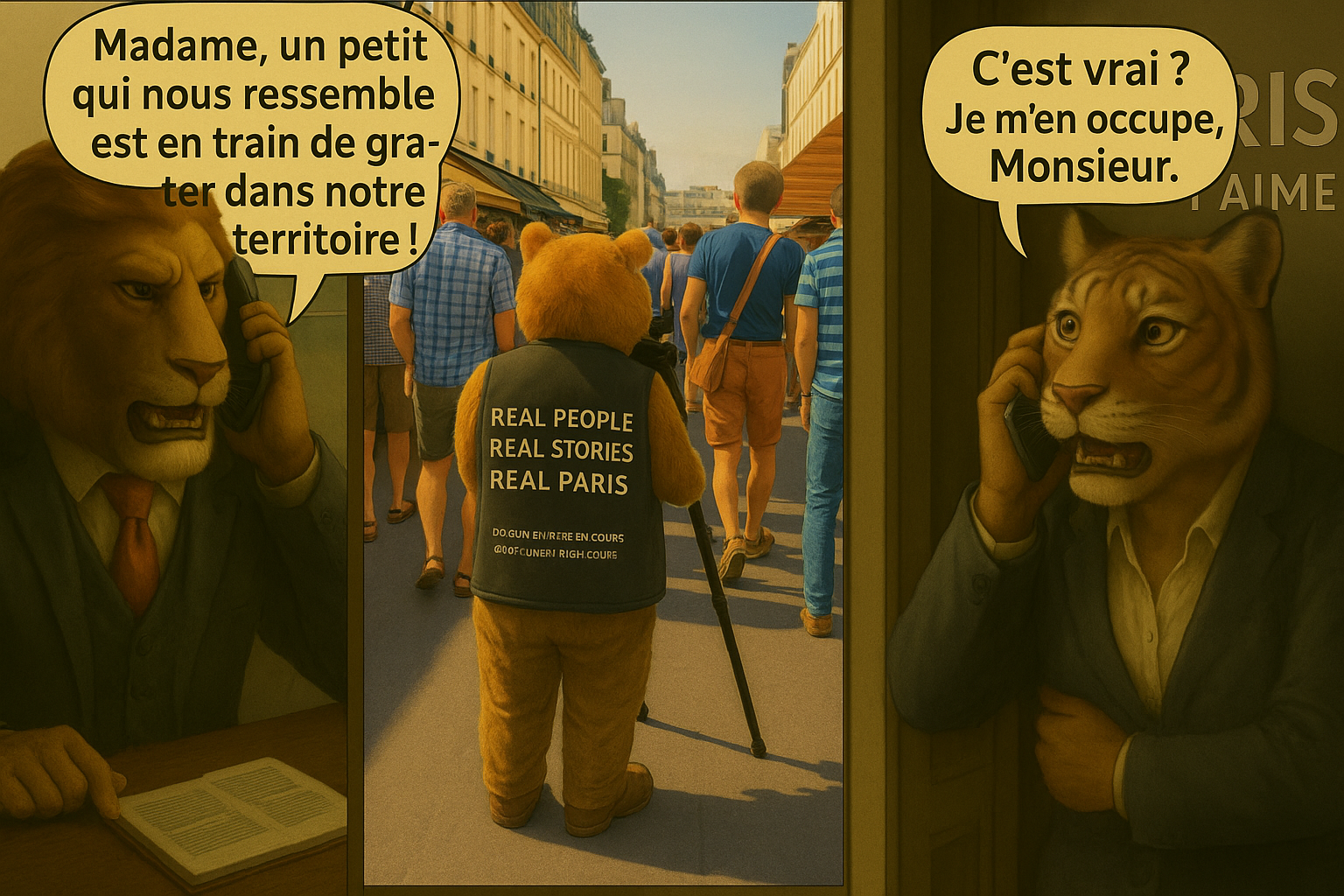
On the last day
of the official publication of the PARIS T’AIME trademark,
two oppositions fall from the sky.
On one side, I keep filming
ignored proofs of fraternity.
On the other, the right to use this name
for a social project is challenged.
A legal battle begins,
but the camera,
it does not stop.
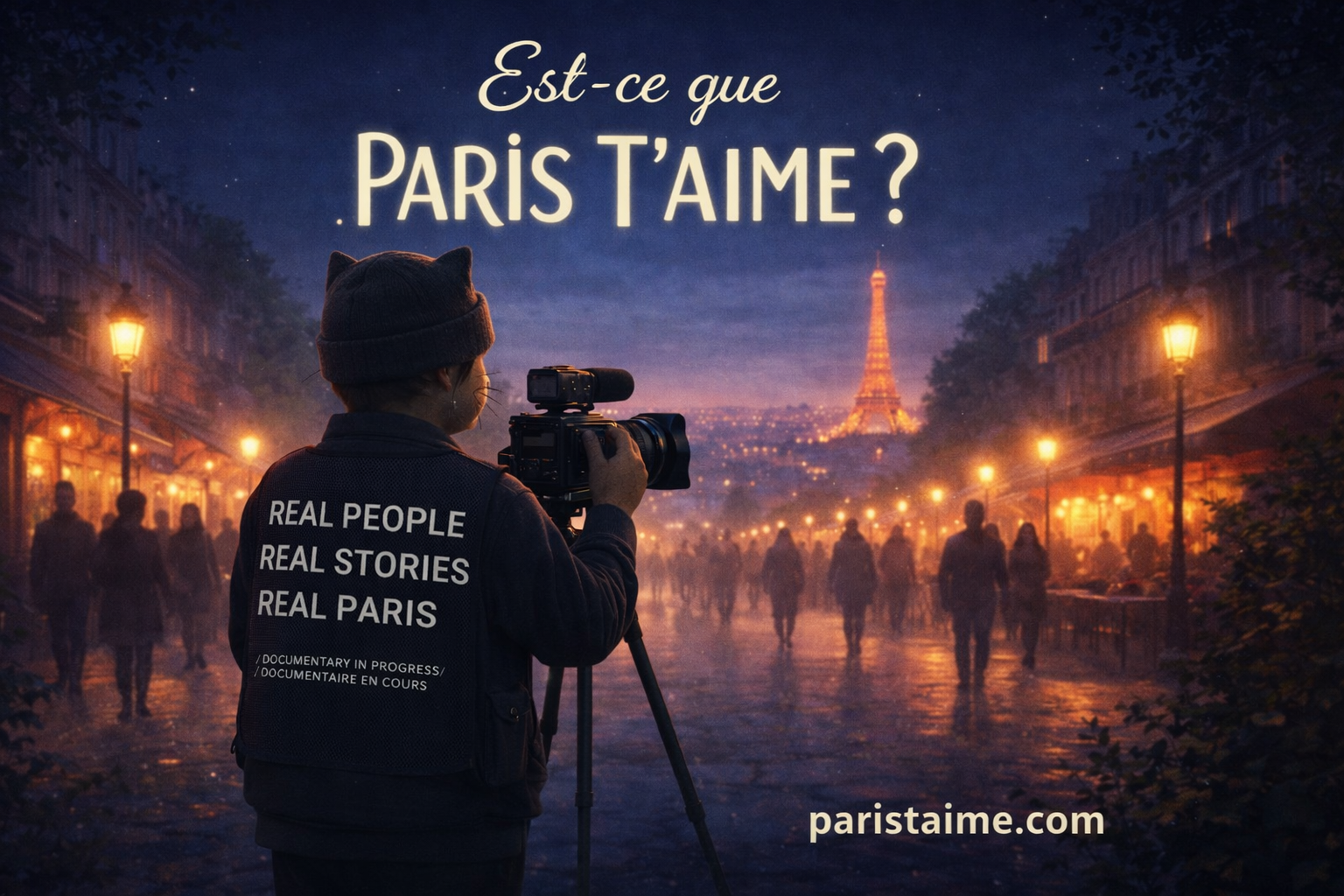
Since 2019,
I have been filming.
Preparing.
Searching for the right form.
But between 2026 and 2029,
in the streets of Paris,
everything becomes clearer.
Each shoot becomes
a test of love.
Shopkeepers, passersby, residents,
visiting tourists:
each one leaves a trace of fraternity.
On paristaime.com,
the world discovers another Paris,
discreet and fraternal.
One question returns,
like a refrain:
“Does Paris love you?”
This is where the true story begins.
Until 2029,
a modern fable unfolds
in the streets of Paris
to prove that fraternity still exists —
and that Paris remains the world capital
of fraternity,
240 years after 1789.
But 2029 is not an ending.
It is a passing of the torch.
After that date,
the images, the filmed proofs
and the Paris T’Aime ecosystem
remain alive,
so that others may continue
to make fraternity grow.
Camera in hand, I gather from its streets gestures of invisible goodness — to thank it.


Ce sont des visages, des voix, des yeux, et un geste qui change une journée.
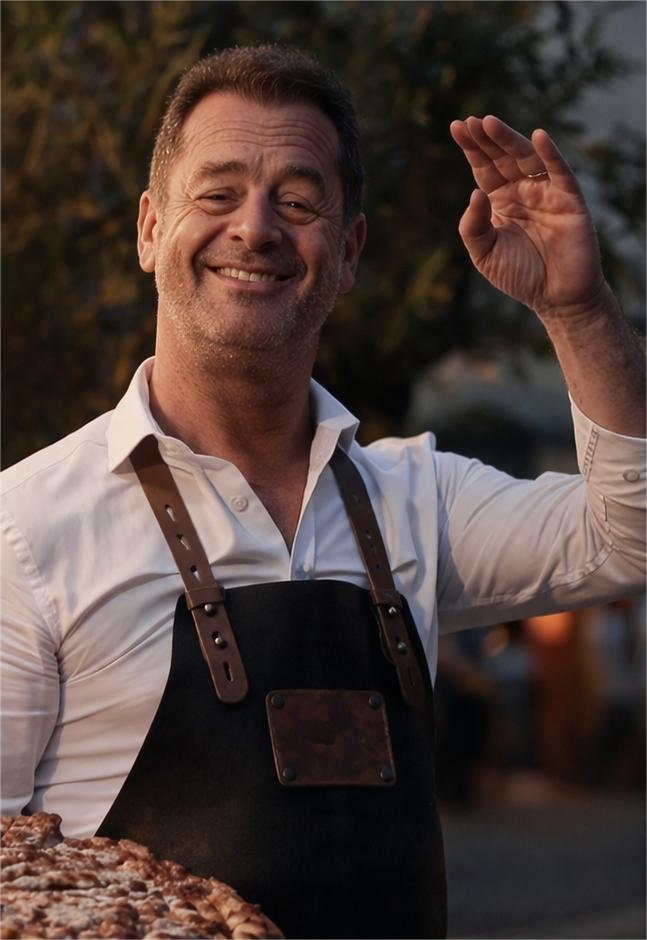
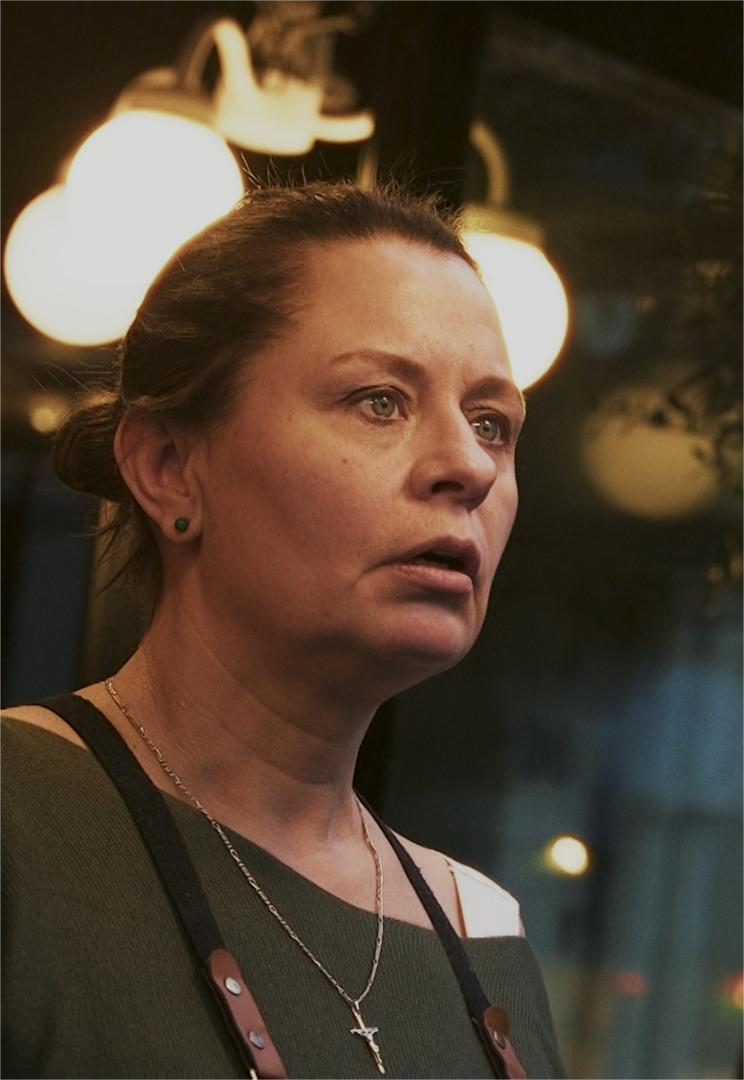

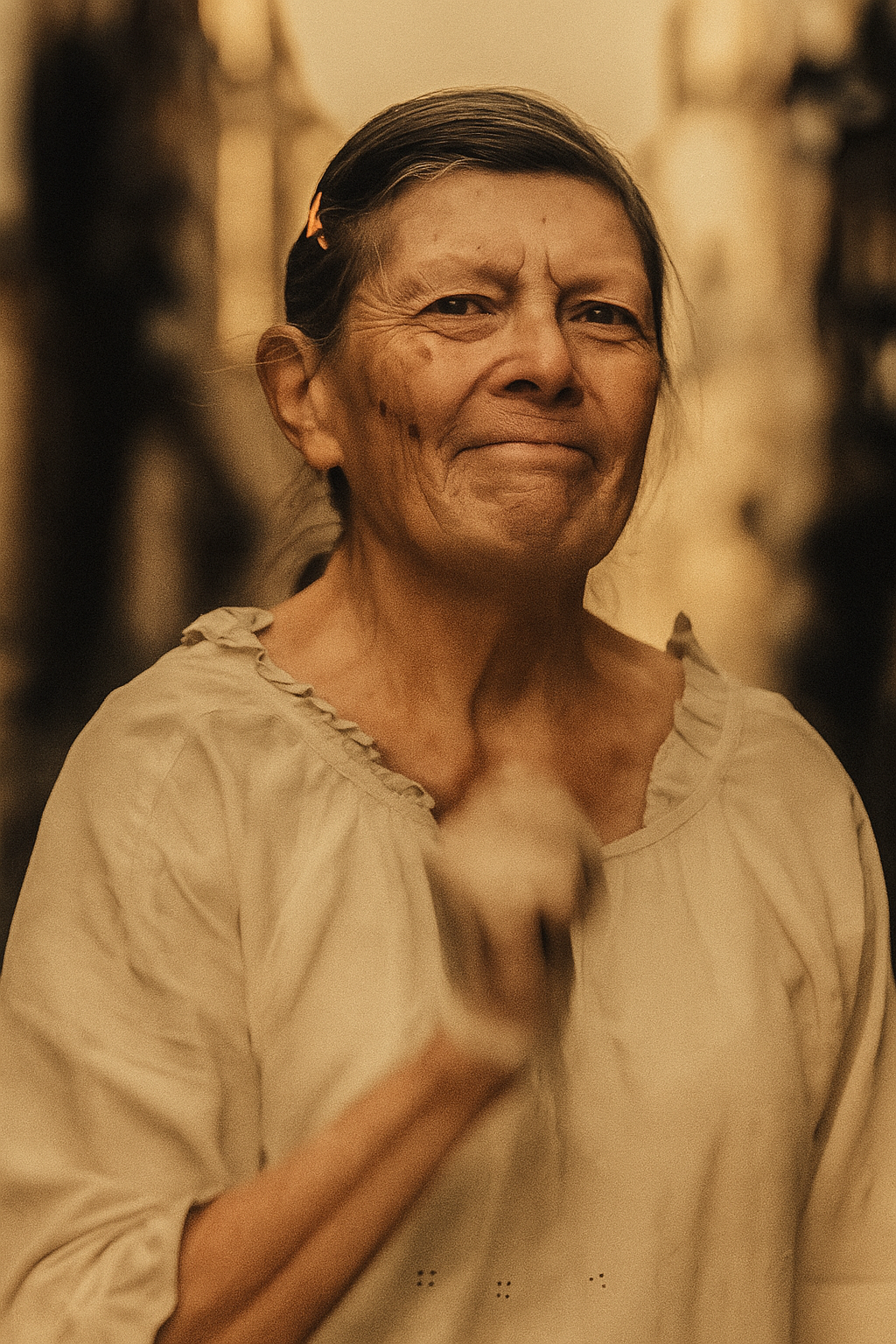
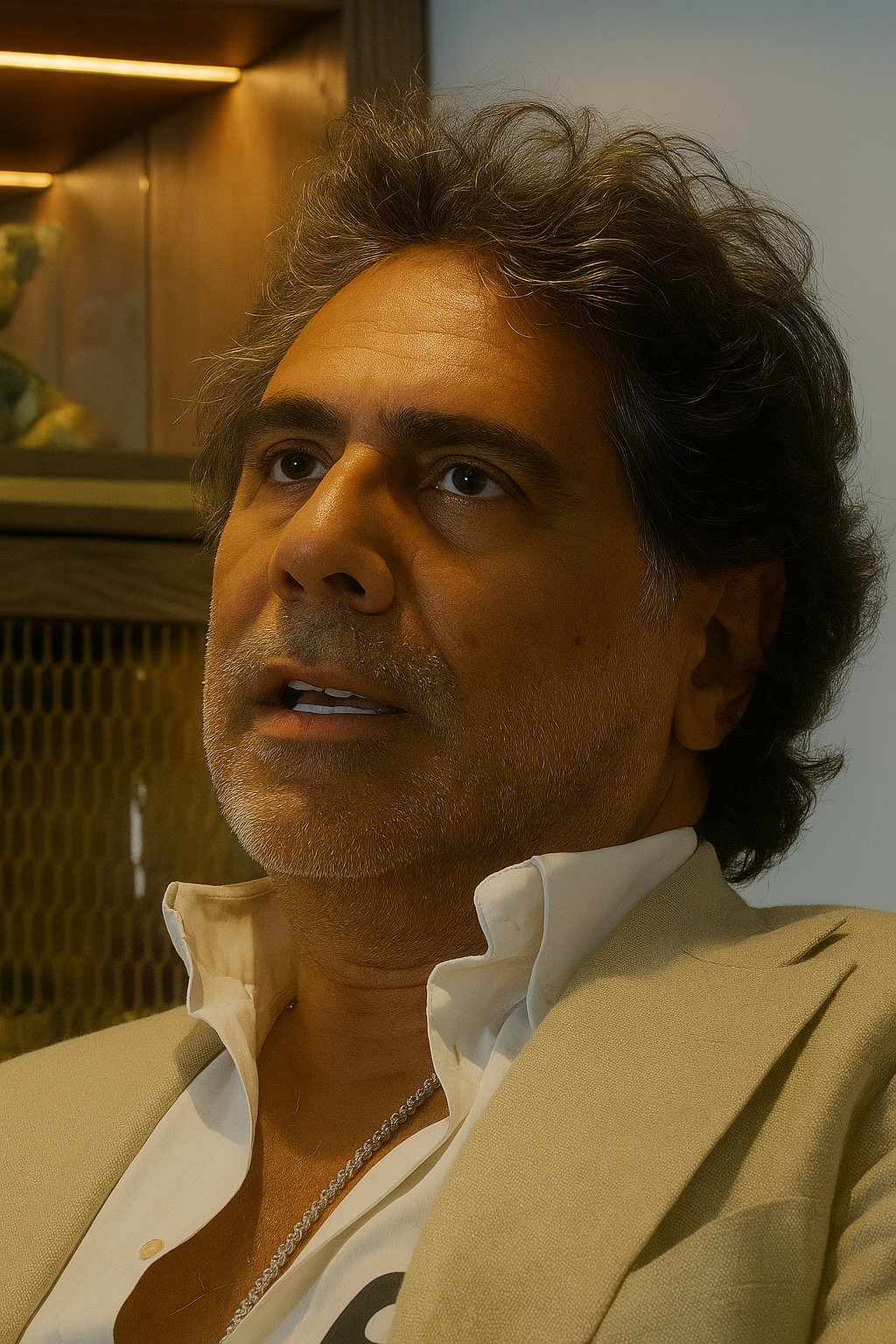
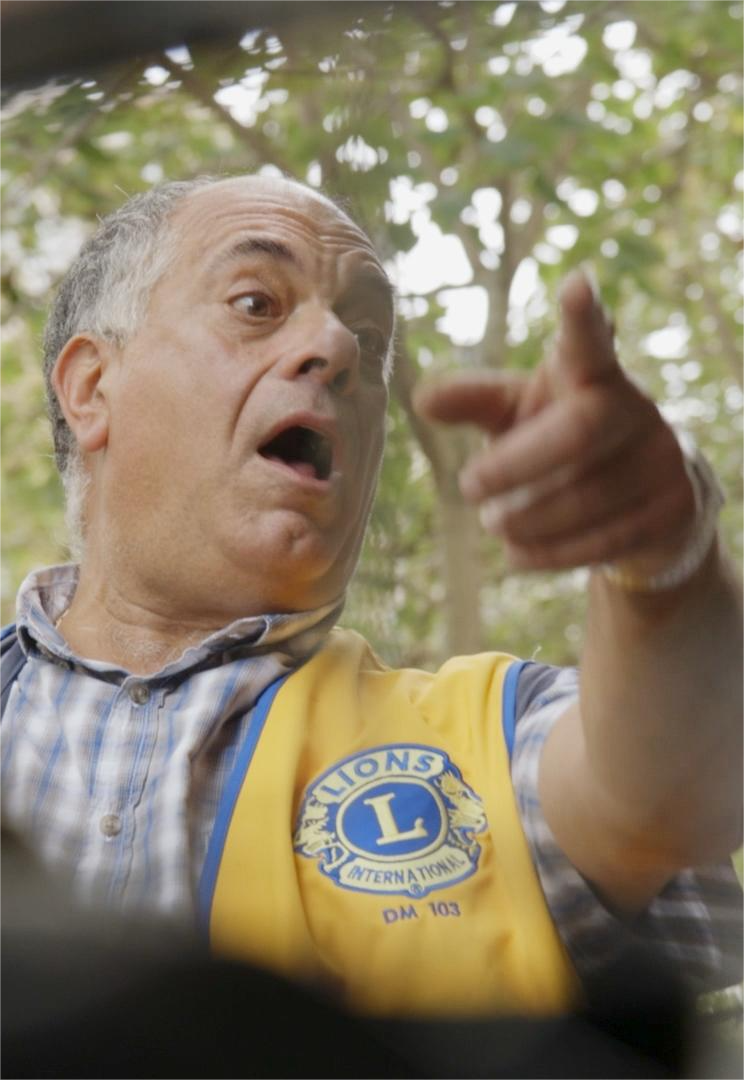
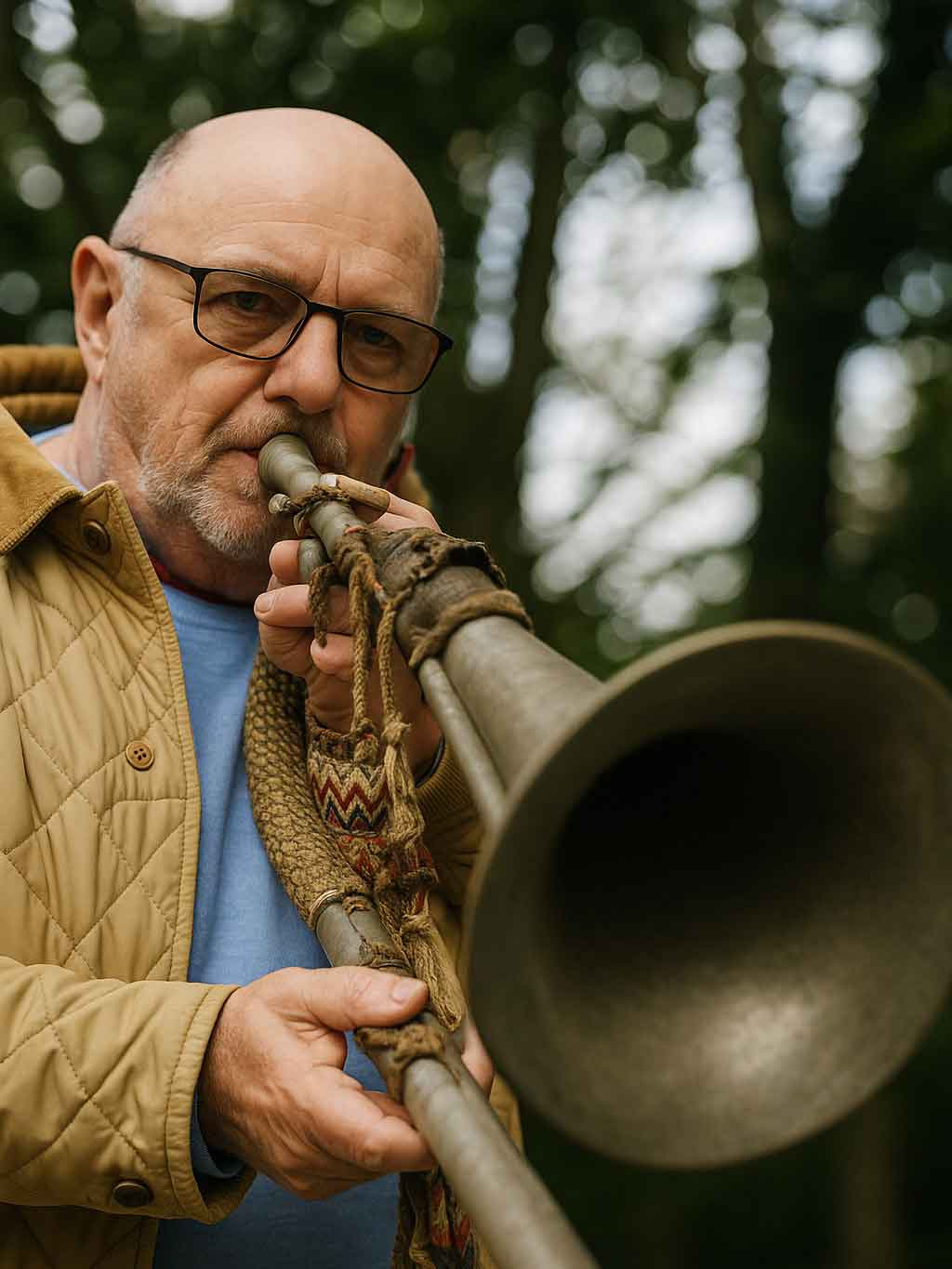
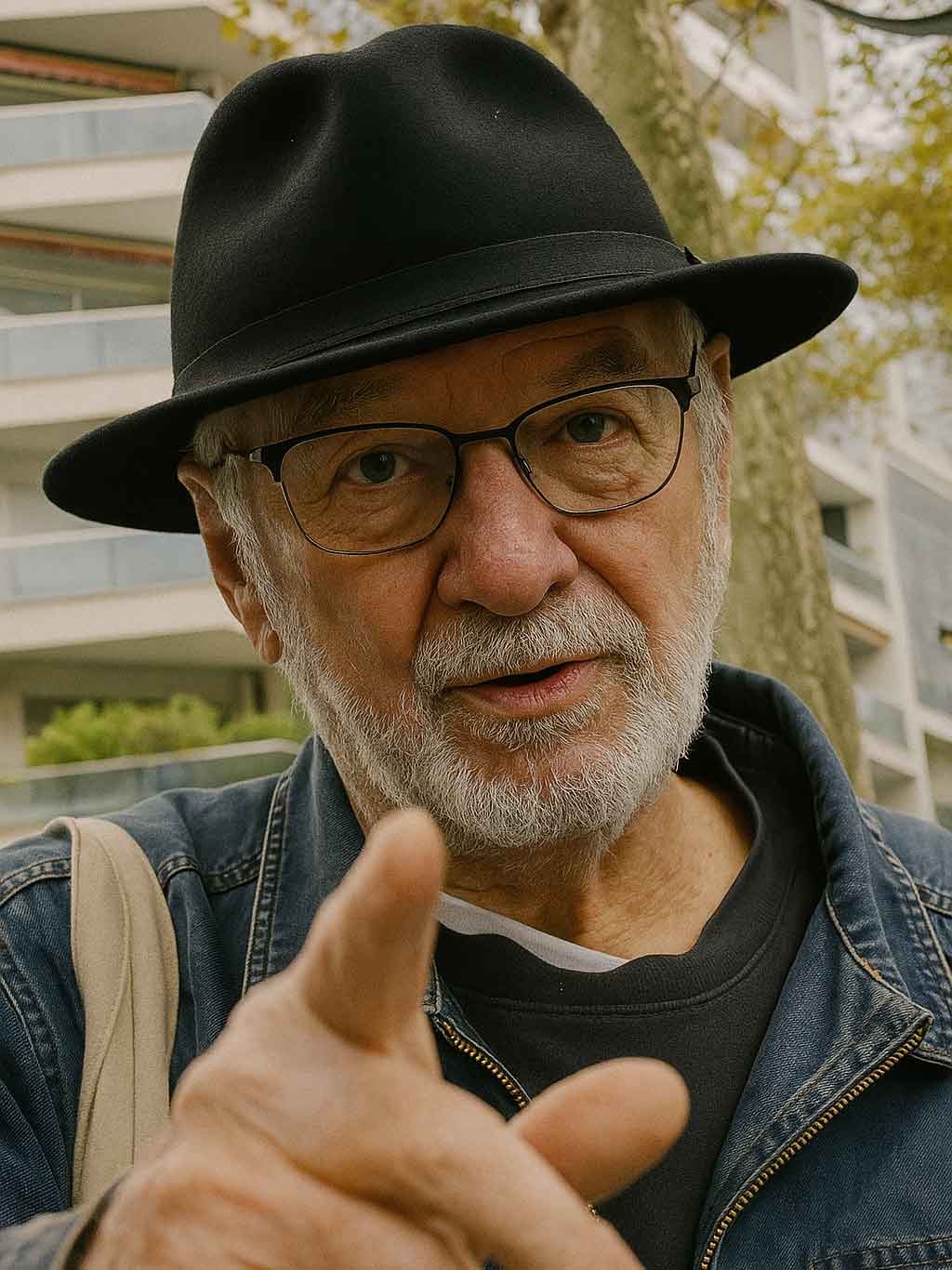
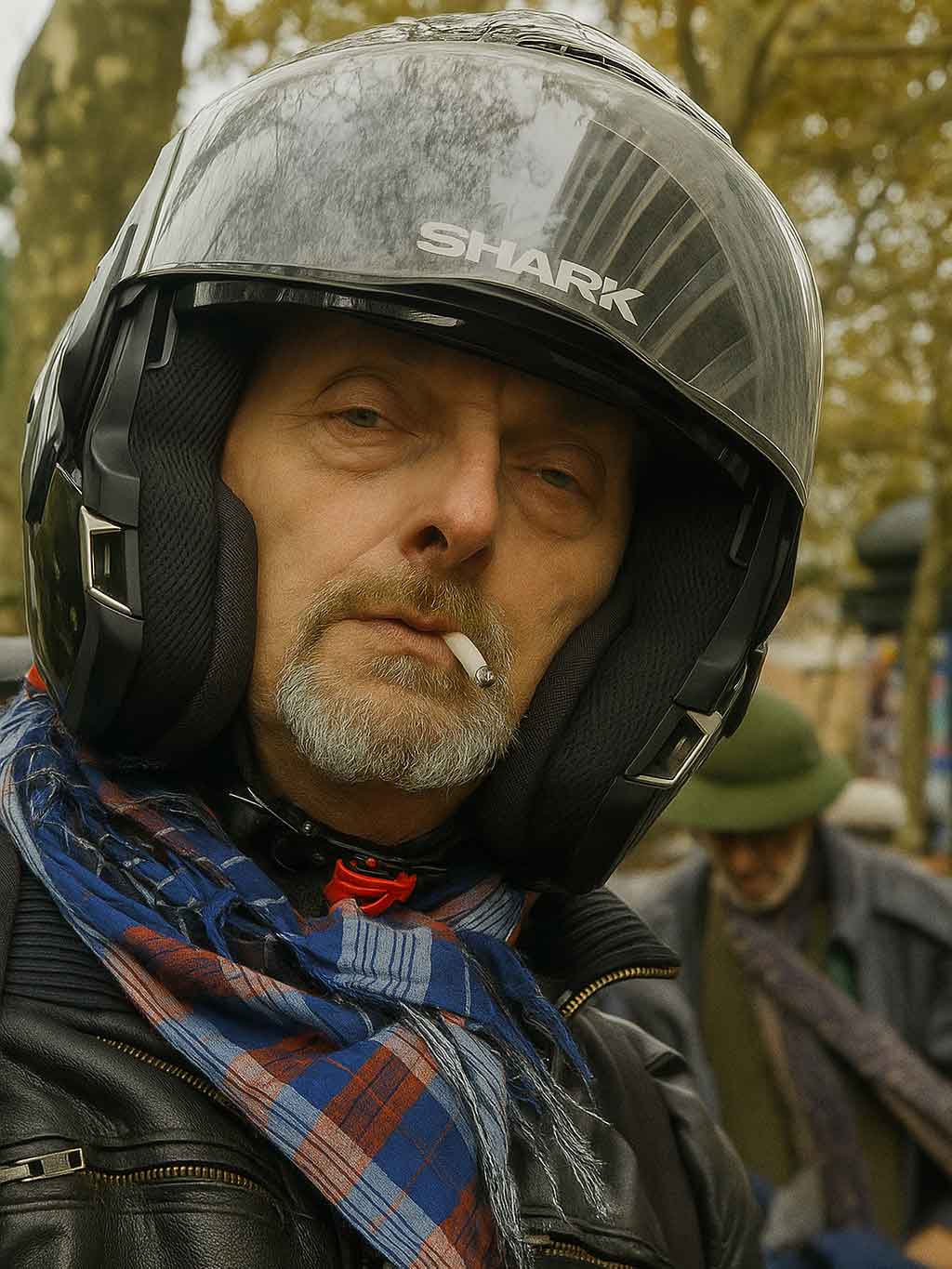
When an image is useful to someone, it becomes proof of humanity. Every smile, every helping hand joins the same living film.
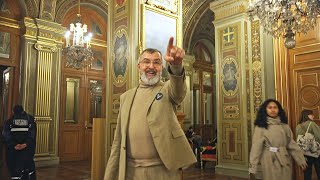
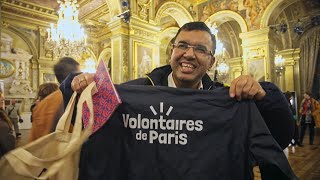
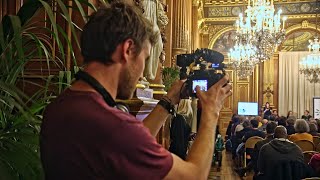

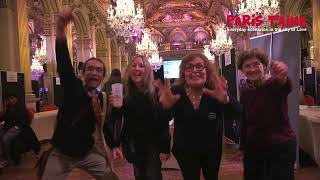
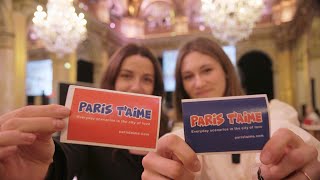
People change, places change, but fraternity remains. The same gesture can be replayed by others, always a little more fraternal.
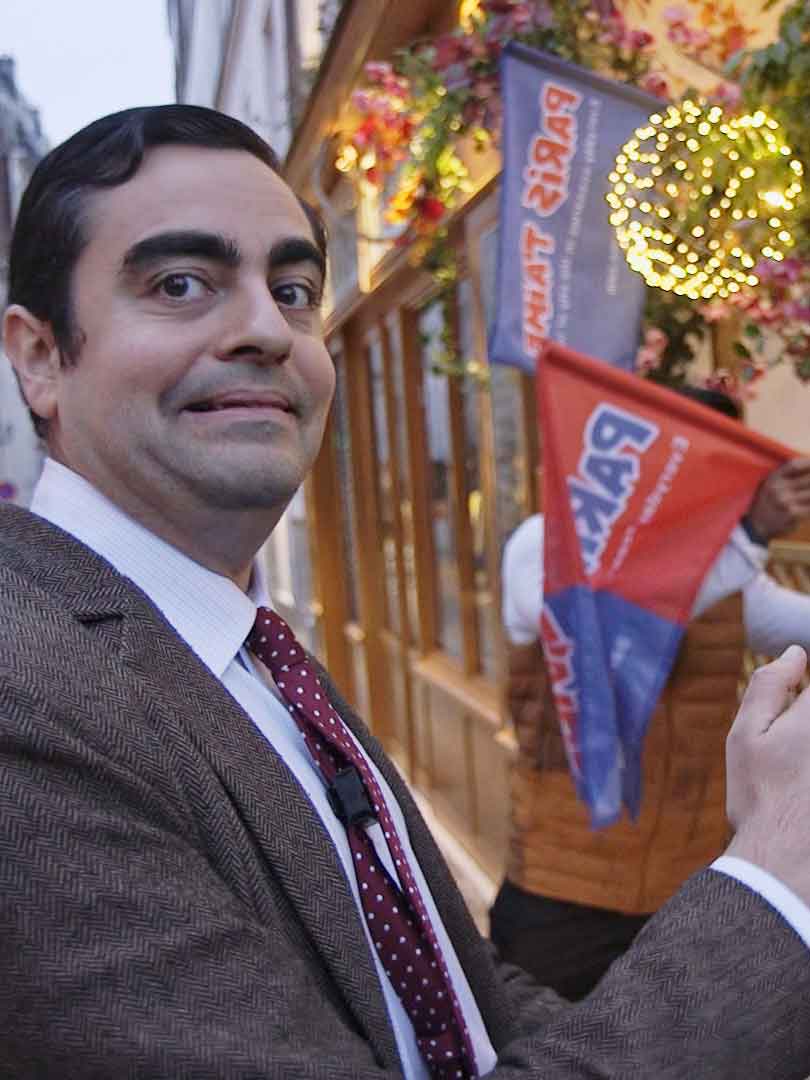
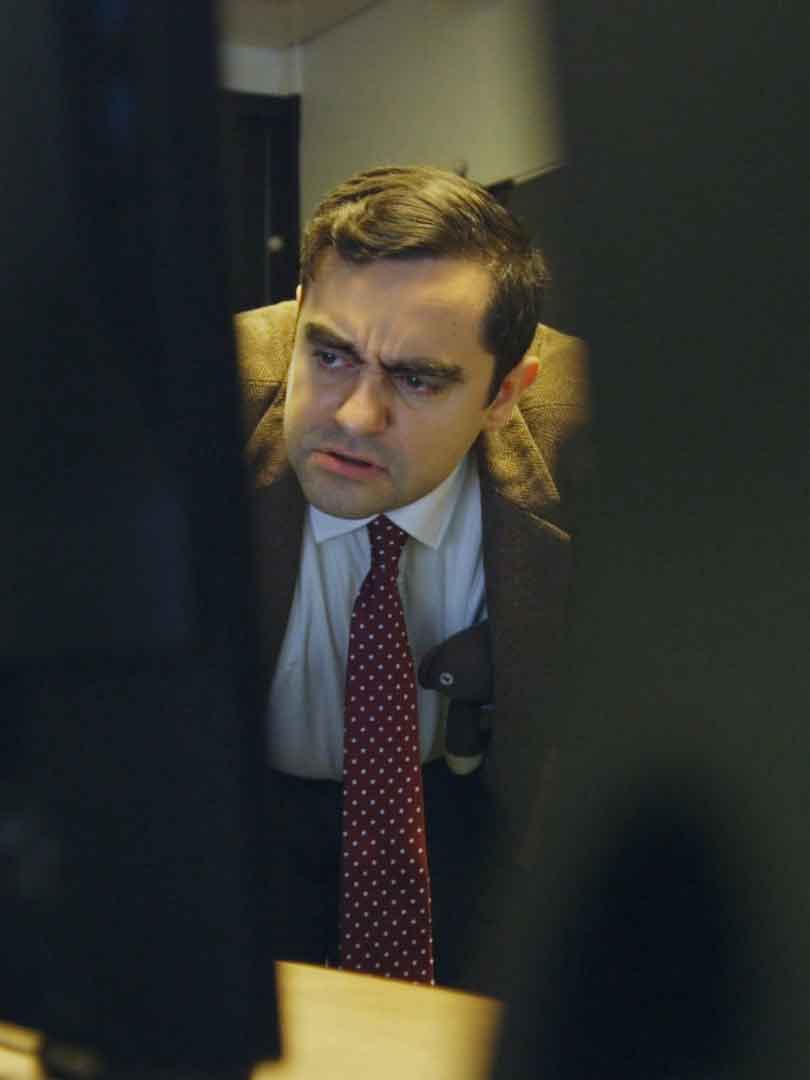
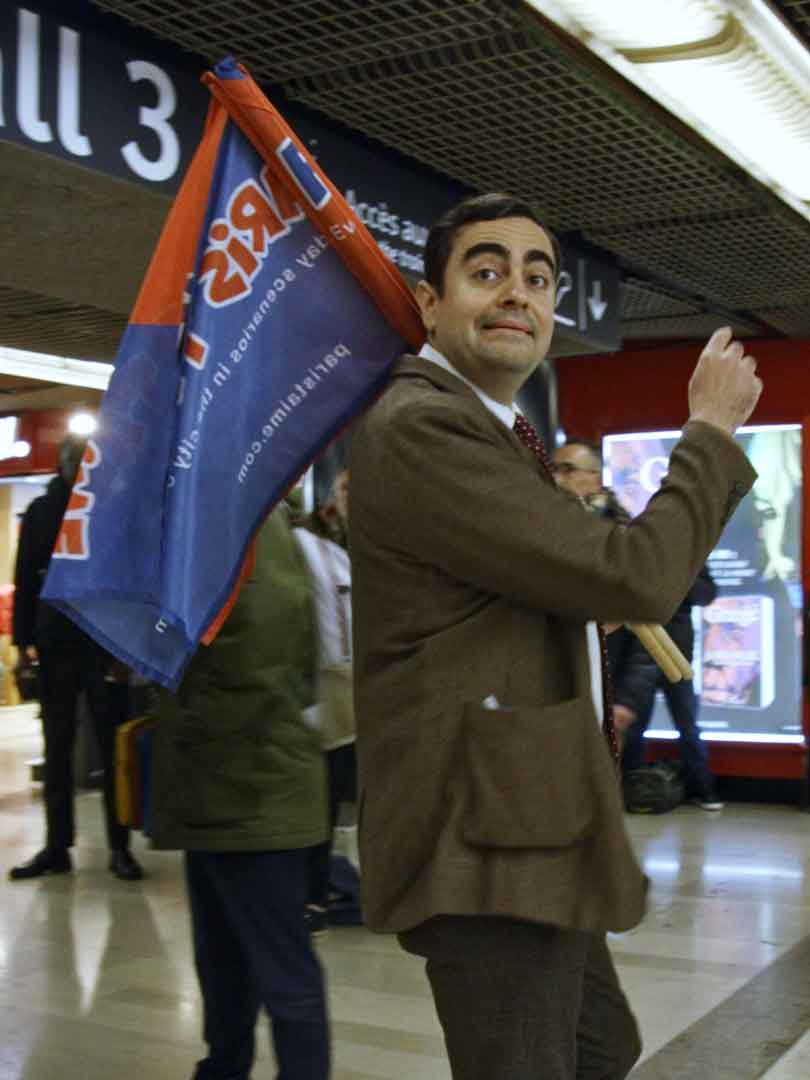
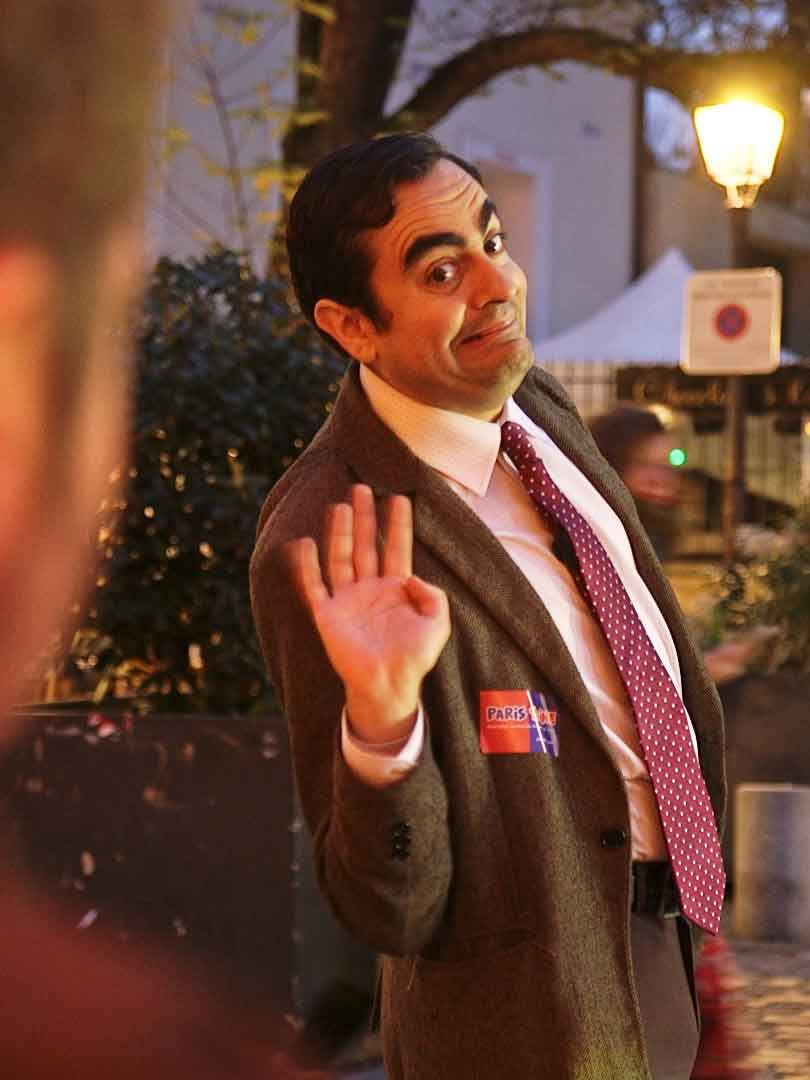
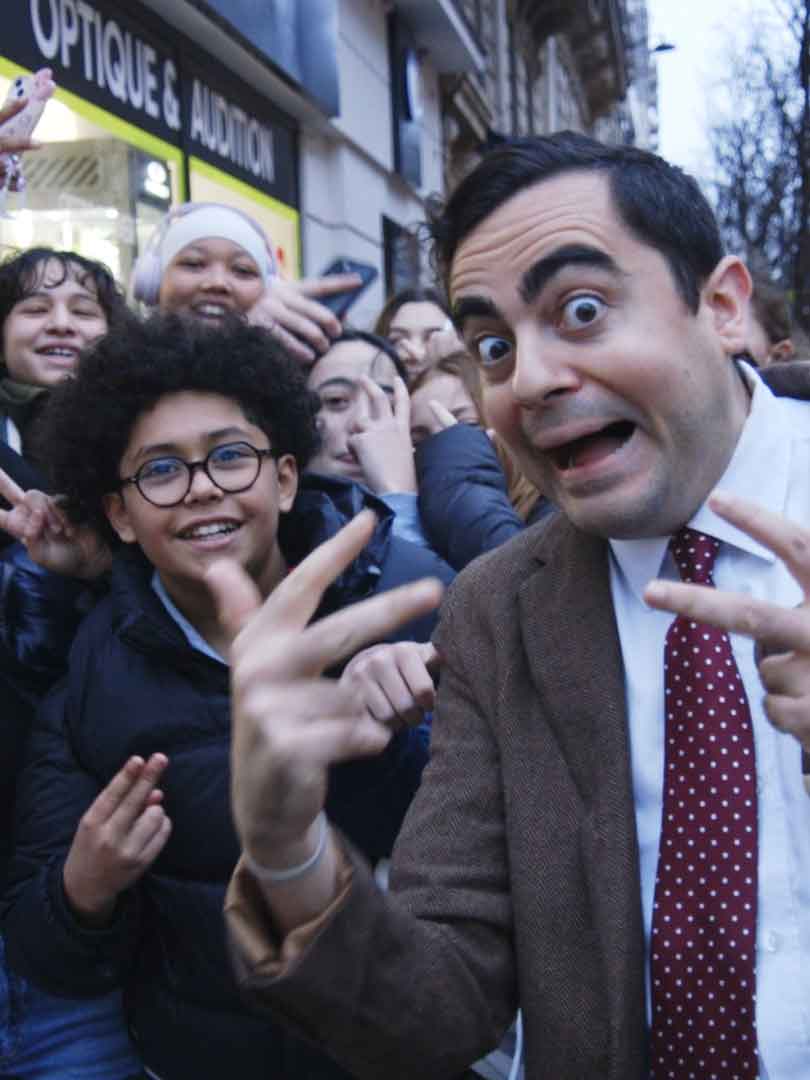
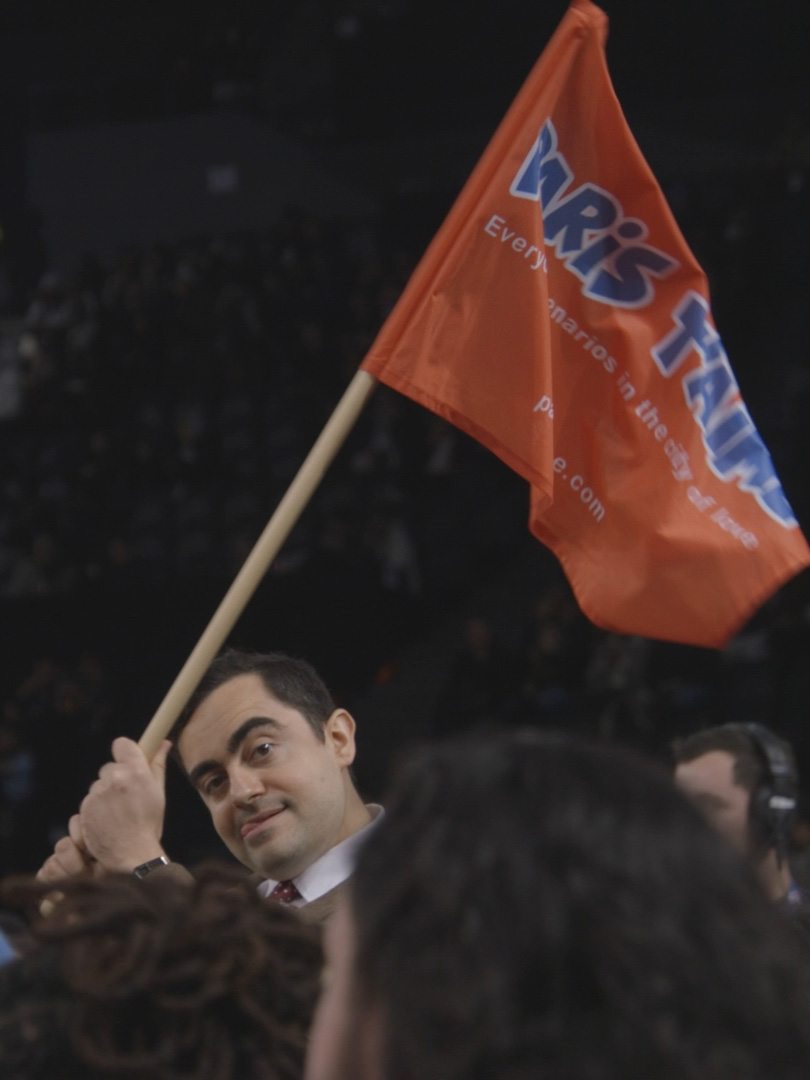
Dans un monde saturé d’images, est-ce que le cinéma peut encore créer du lien réel entre les humains ?
Est-ce que Paris aime encore les gens, pour de vrai ?
Paris T’aime répond par une méthode simple : filmer, agir, reconnaître et continuer.
La caméra ne prend pas seulement des images : elle écoute, accompagne et révèle ce que la vie quotidienne rend souvent invisible.
Chaque vidéo peut aider une personne, un lieu, un étudiant, un quartier ou un geste à exister autrement dans la mémoire collective.
Paris T’aime donne une place aux anges sans ailes : ceux qui aident, accueillent, transmettent, travaillent et rendent Paris plus humain.
Le film devient une série vivante : les histoires peuvent revenir, se compléter, être partagées et continuer dans la vraie vie.
Paris T’aime transforme Paris en laboratoire mondial d’un cinéma utile et dynamique : un cinéma qui ne se contente plus de montrer la vie, mais qui aide la vie à se reconnaître et à continuer.
Those who have shown goodness, courage, or a human light.



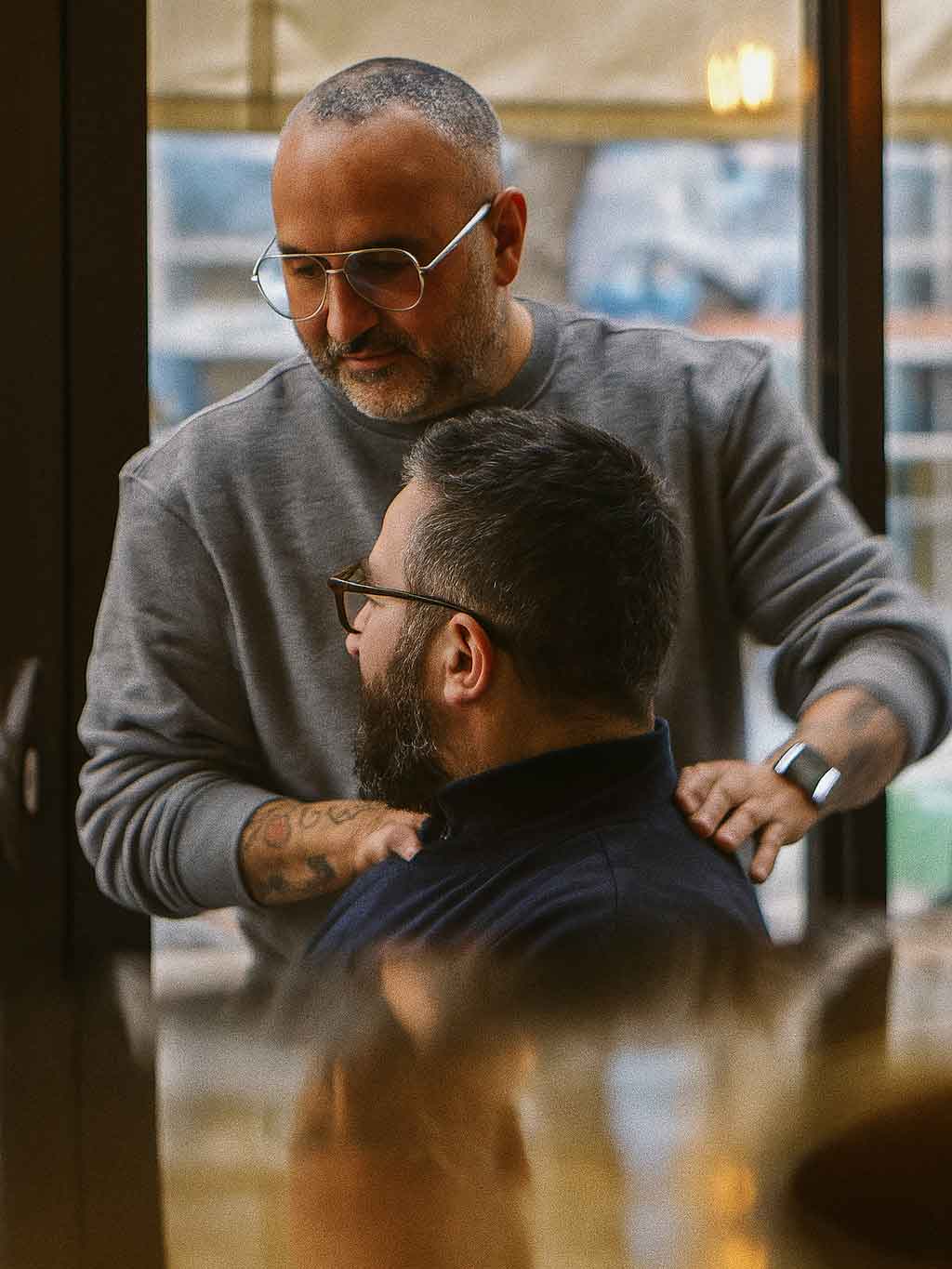
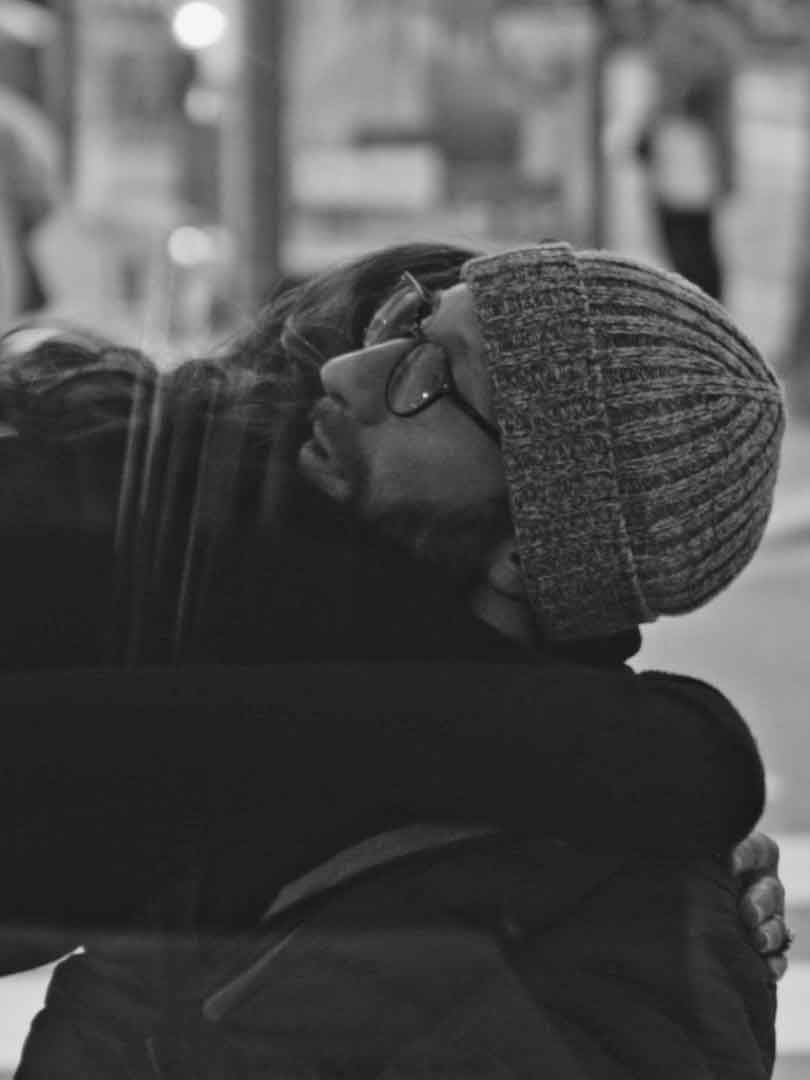
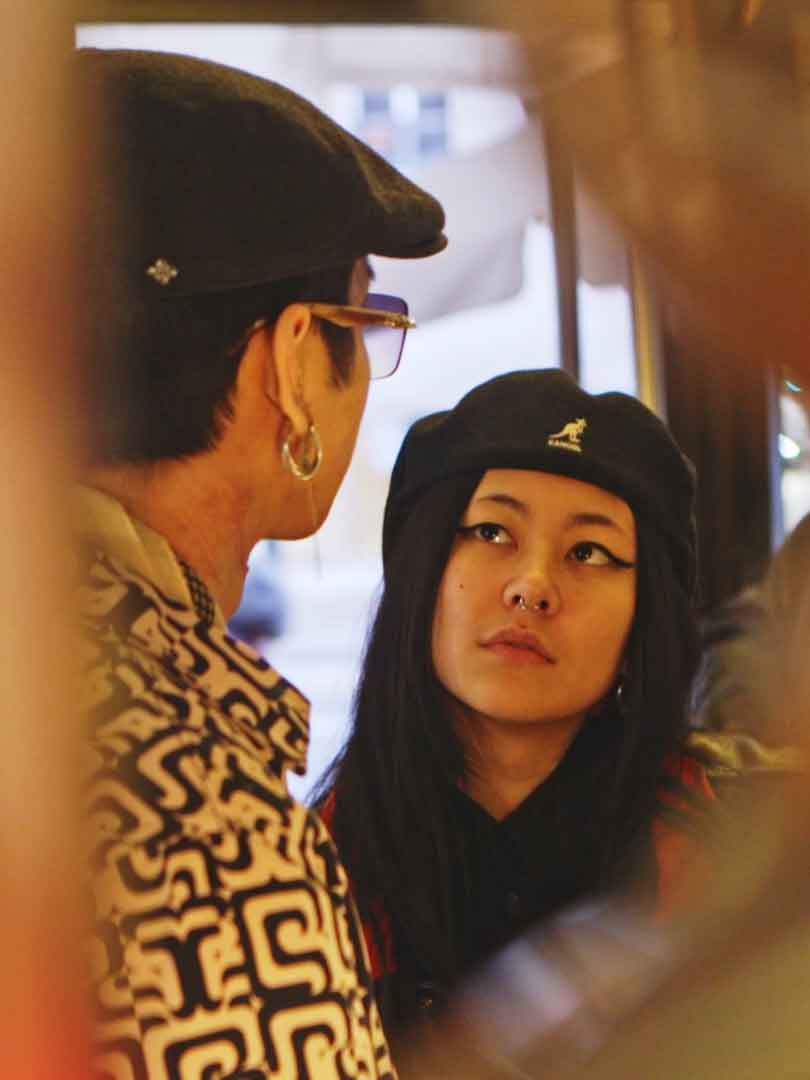
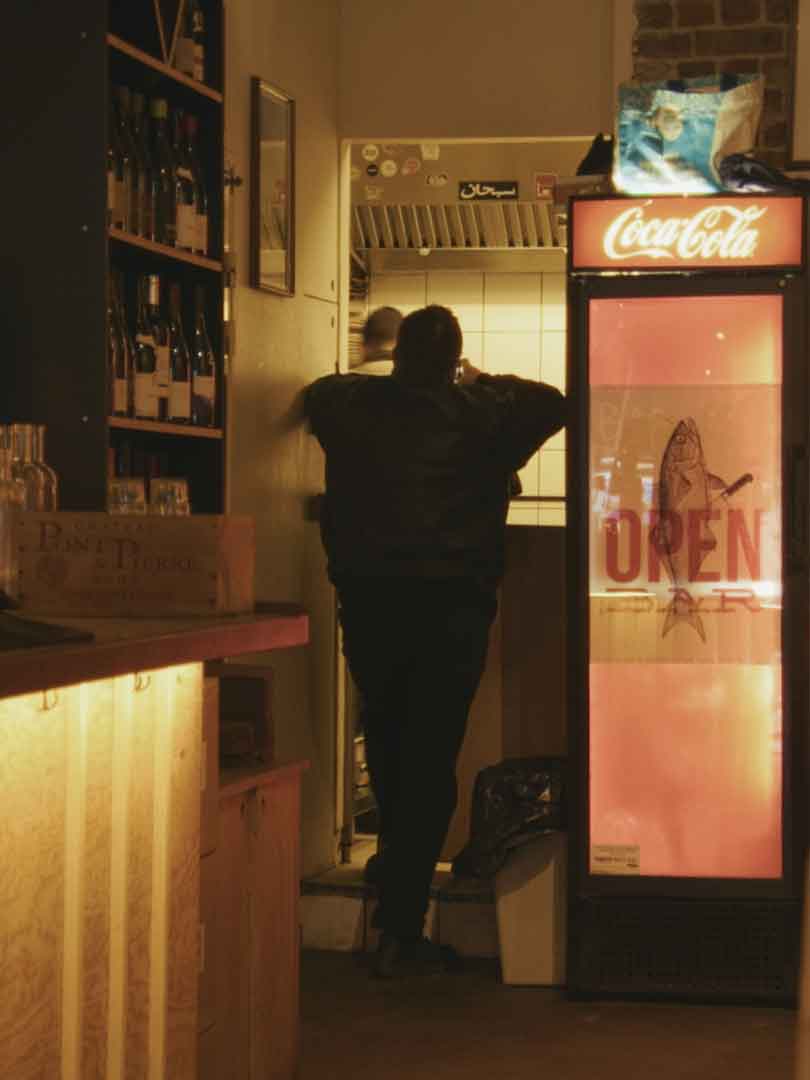
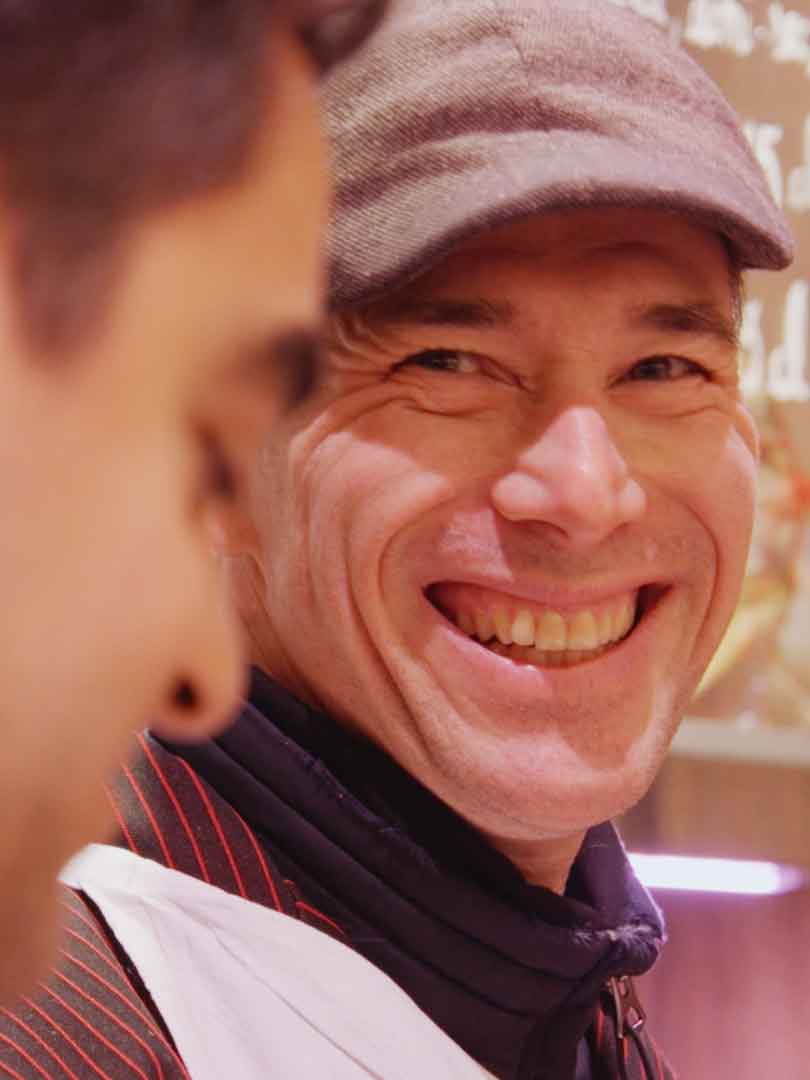
Ceremonies, spontaneous gestures, and collective thanks.


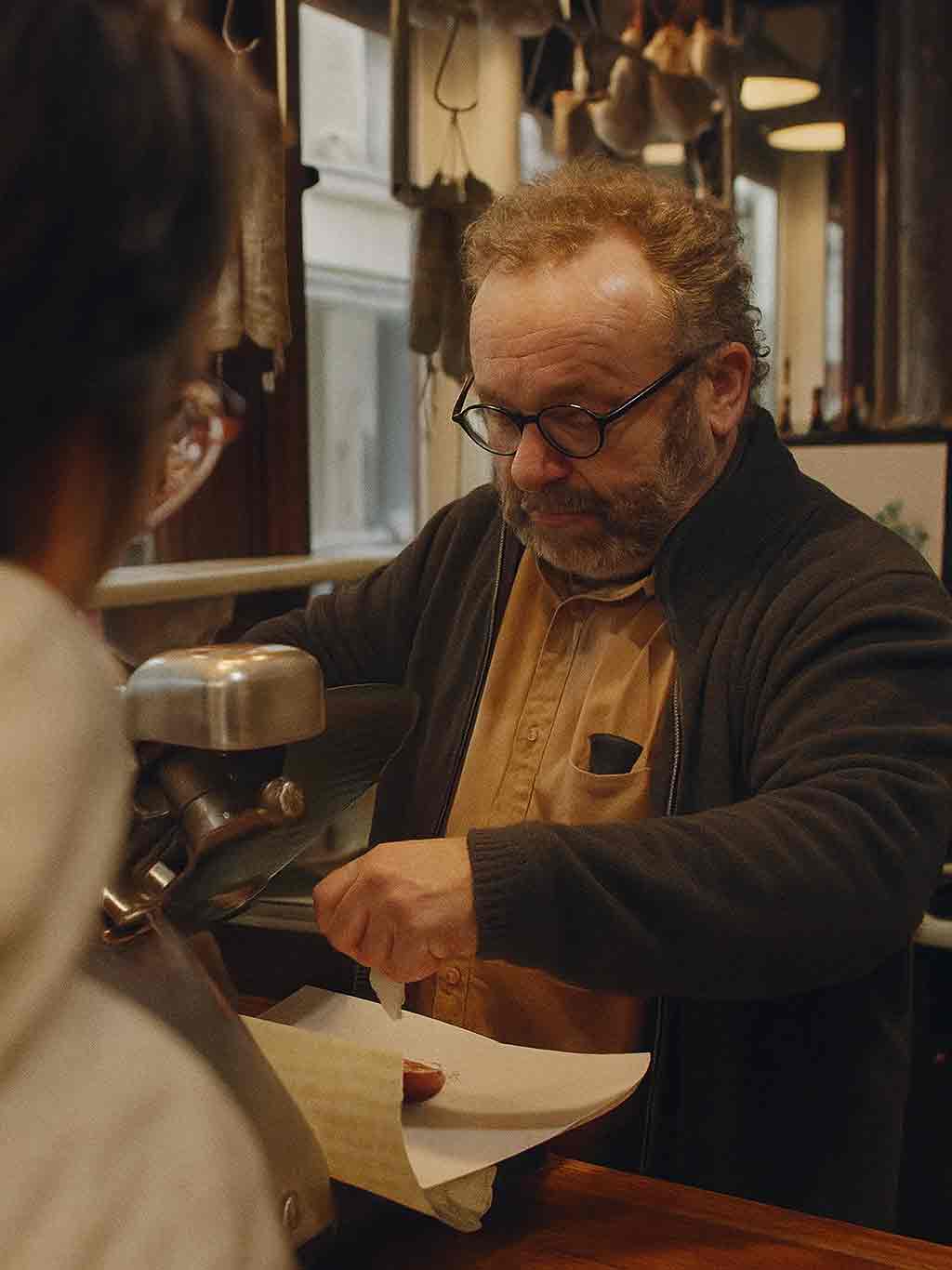
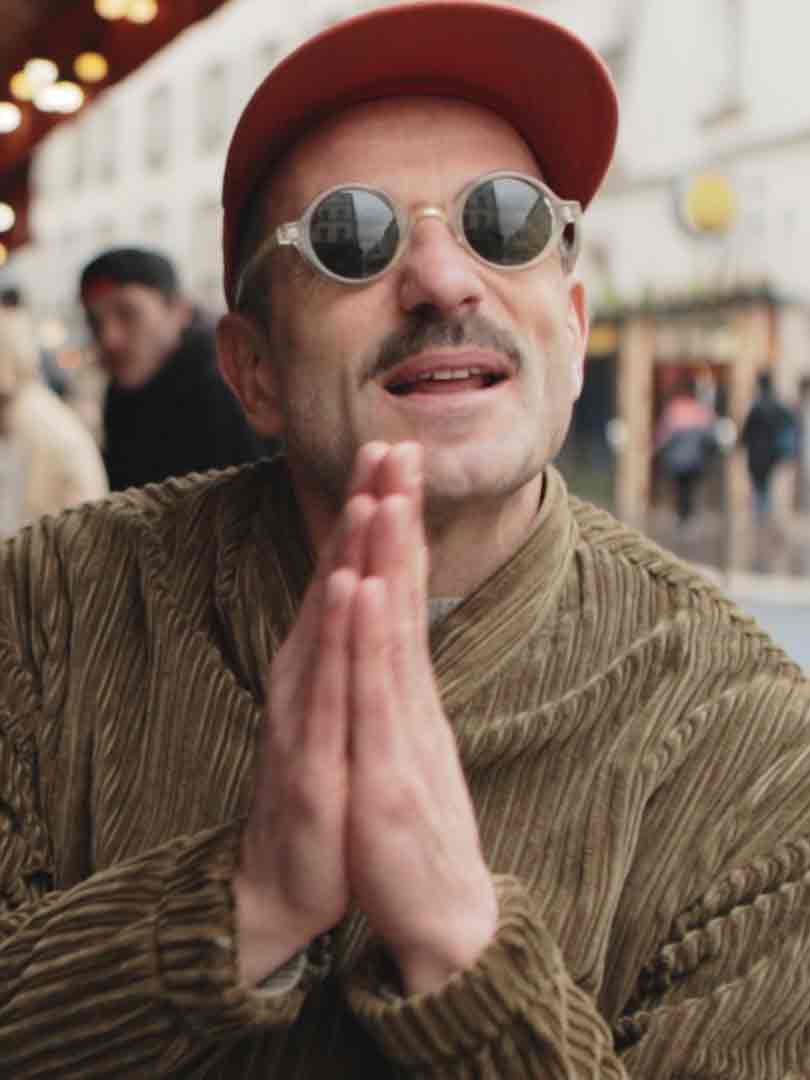
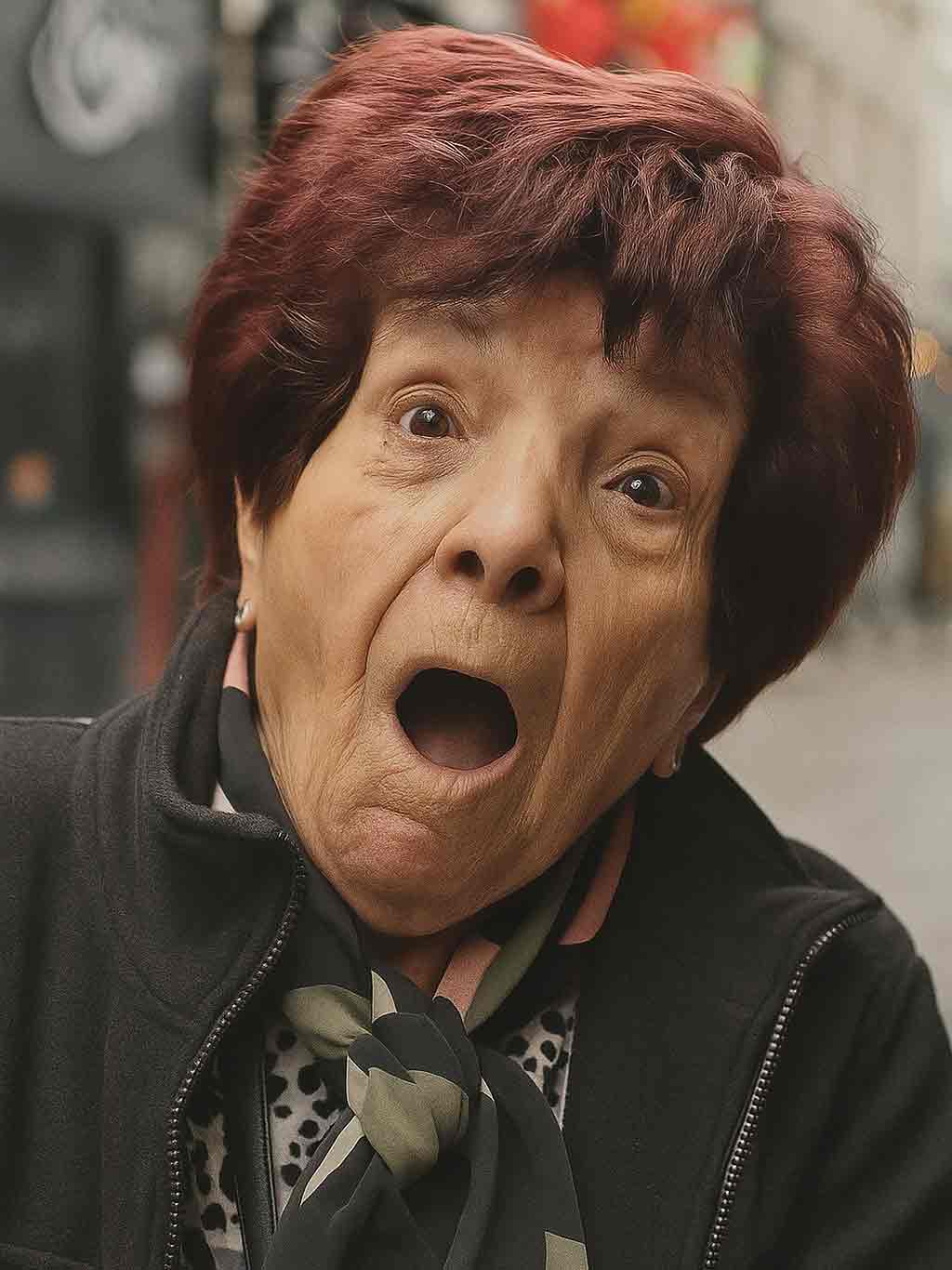
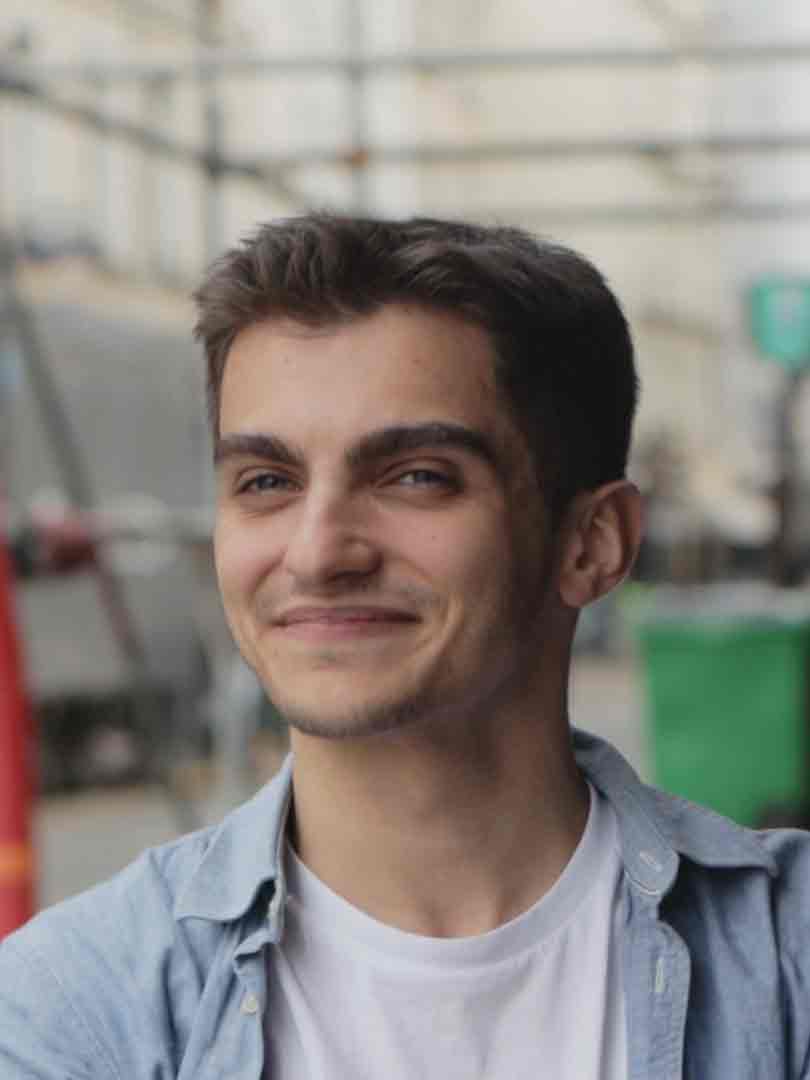
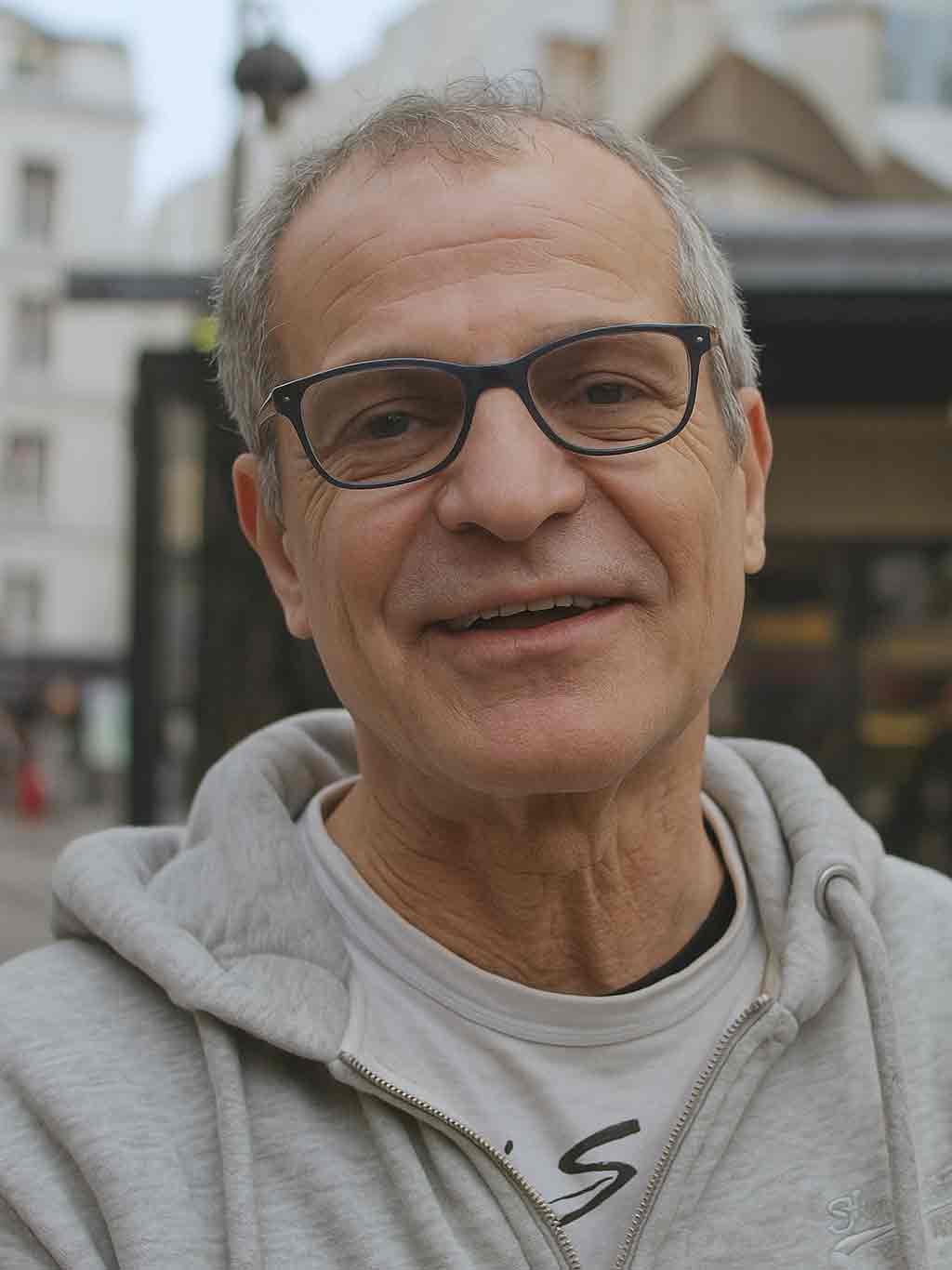
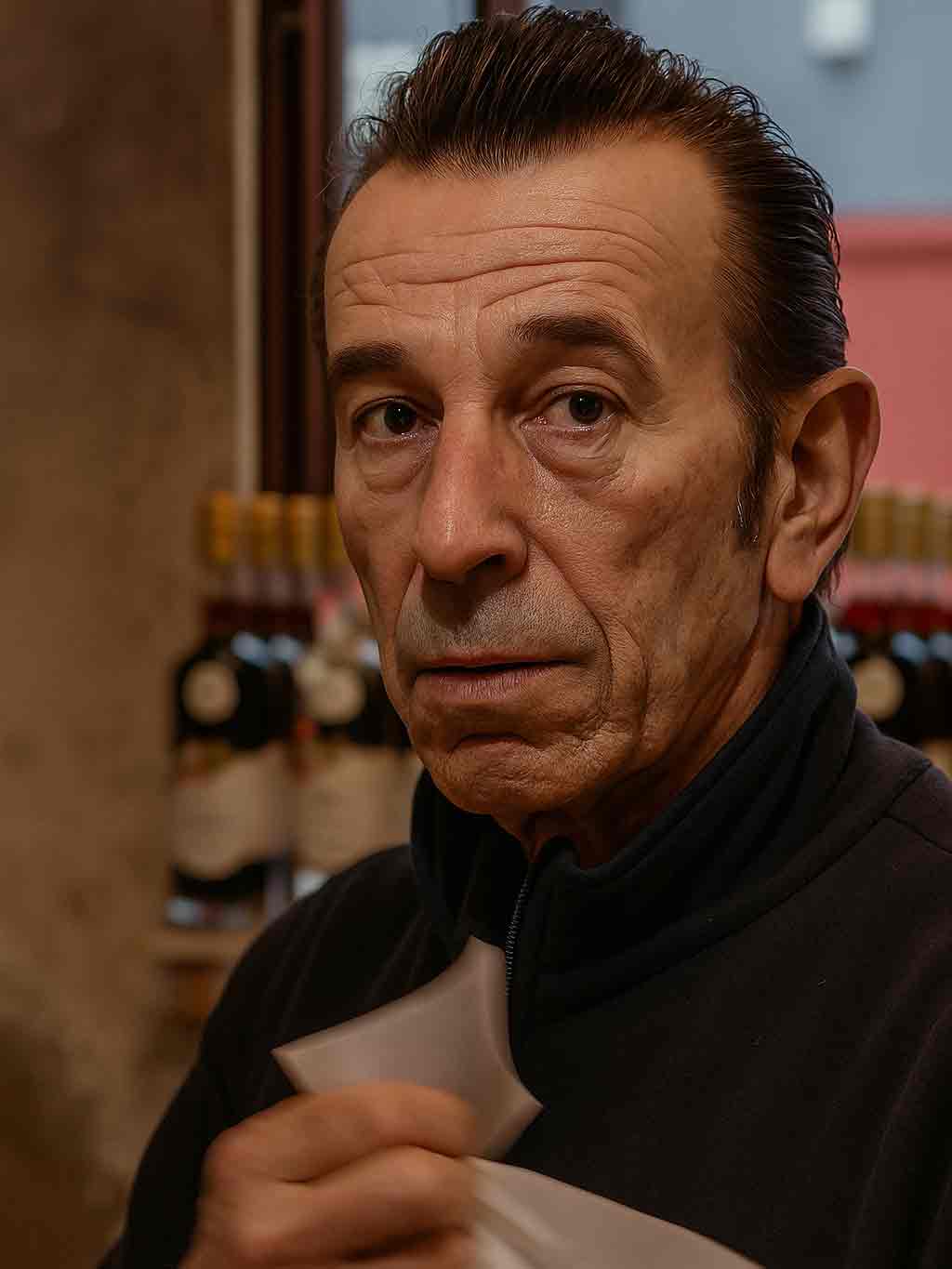
Now come the first visible proofs: the people, the gestures, the neighborhoods, and the living body of the film.
Hospitals, transport, schools, culture, cleanliness, emergency services, social services… Paris has put in place thousands of systems to keep the city standing, every day.
The women and men who work there are paid, but the way they welcome, guide, or protect remains a human choice. Paris T’Aime also wants to thank them.
Because in Paris, being able to move and find your way changes a life.
Between mutual aid, public services, and simple gestures — pathways open again.
A few filmed reference points, at human height.
Before Paris 8, the method was already alive in the street.
At Paris 8, by studying the great filmmakers, I confirmed and named it: useful and dynamic cinema.
The film continues in real life — that is its stake.


Each blue point is a filmed proof of fraternity.
Historic center of Paris, with beautiful churches and remarkable urban architecture. At the gateway to the Louvre and the Seine.

A lively district of shopping and culture, famous for its vast forum and very animated atmosphere.

Elegant gardens and historic galleries: a discreet jewel where art and architecture answer one another.
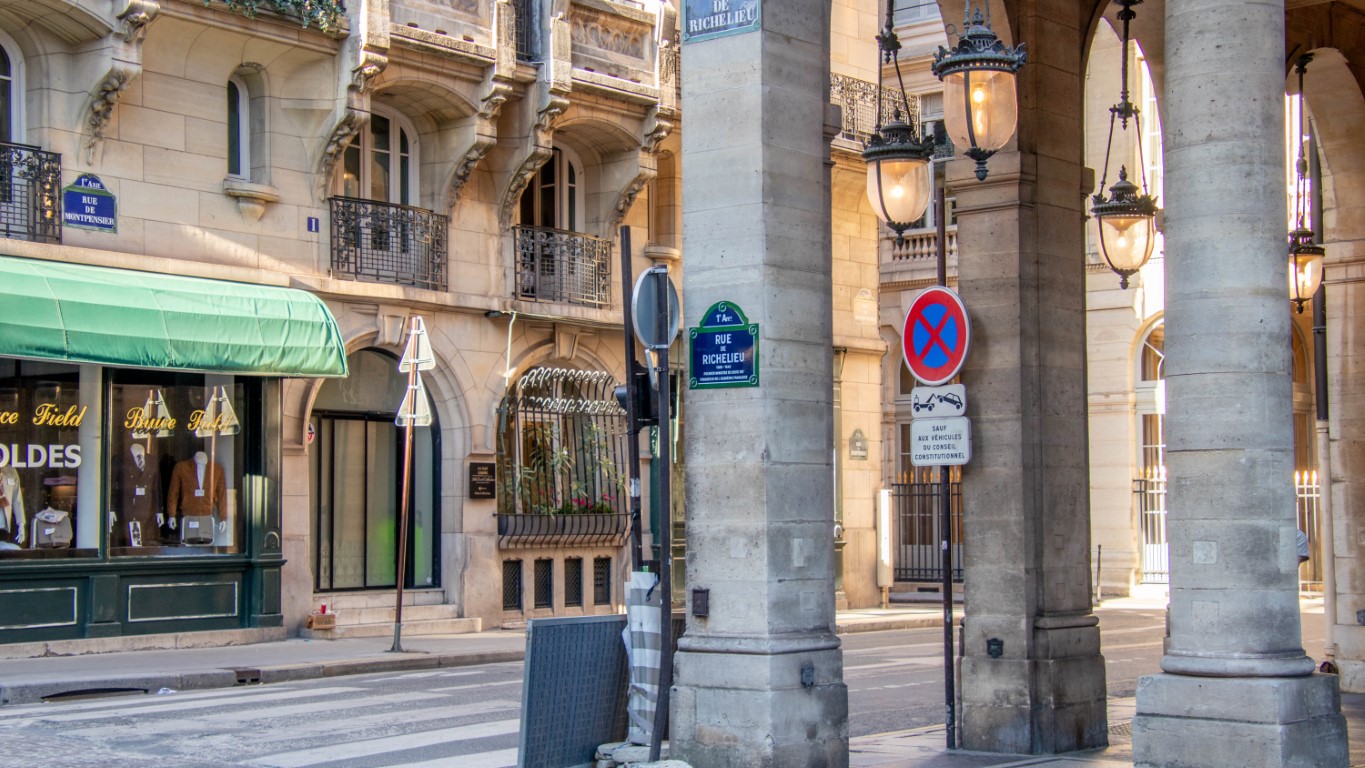
Town mansions and jewelers around a perfect square: a symbol of Parisian elegance.

Small classical streets, neighborhood cafés, and local life: here, Paris speaks softly.
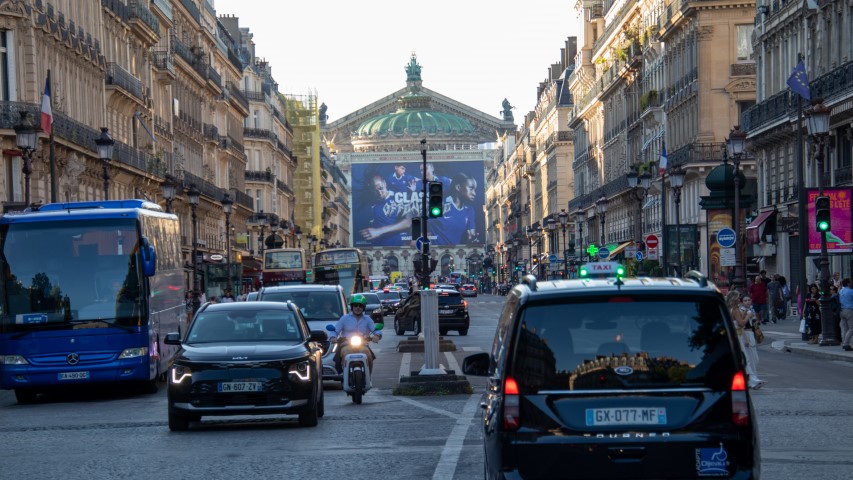
Covered passages, bookshops, and boutiques: a chic stroll, sheltered from the noise of the city.
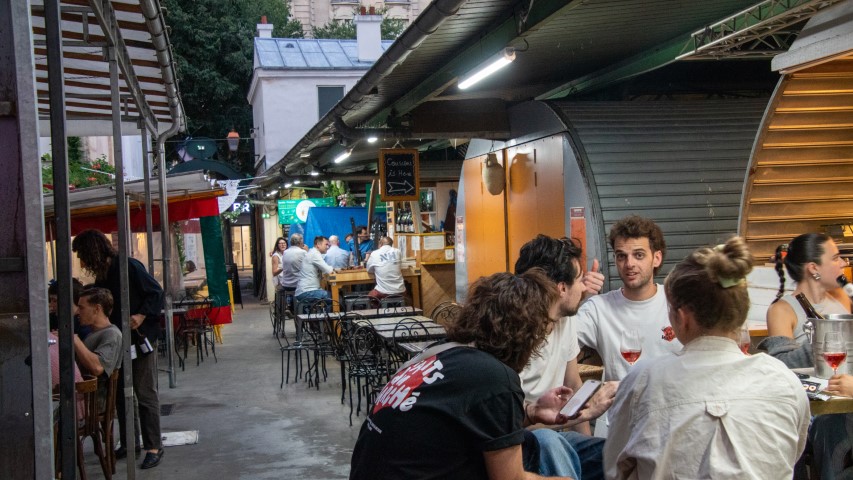
The smallest official neighborhood in Paris, tucked between major avenues. A tiny village of stone and silence.
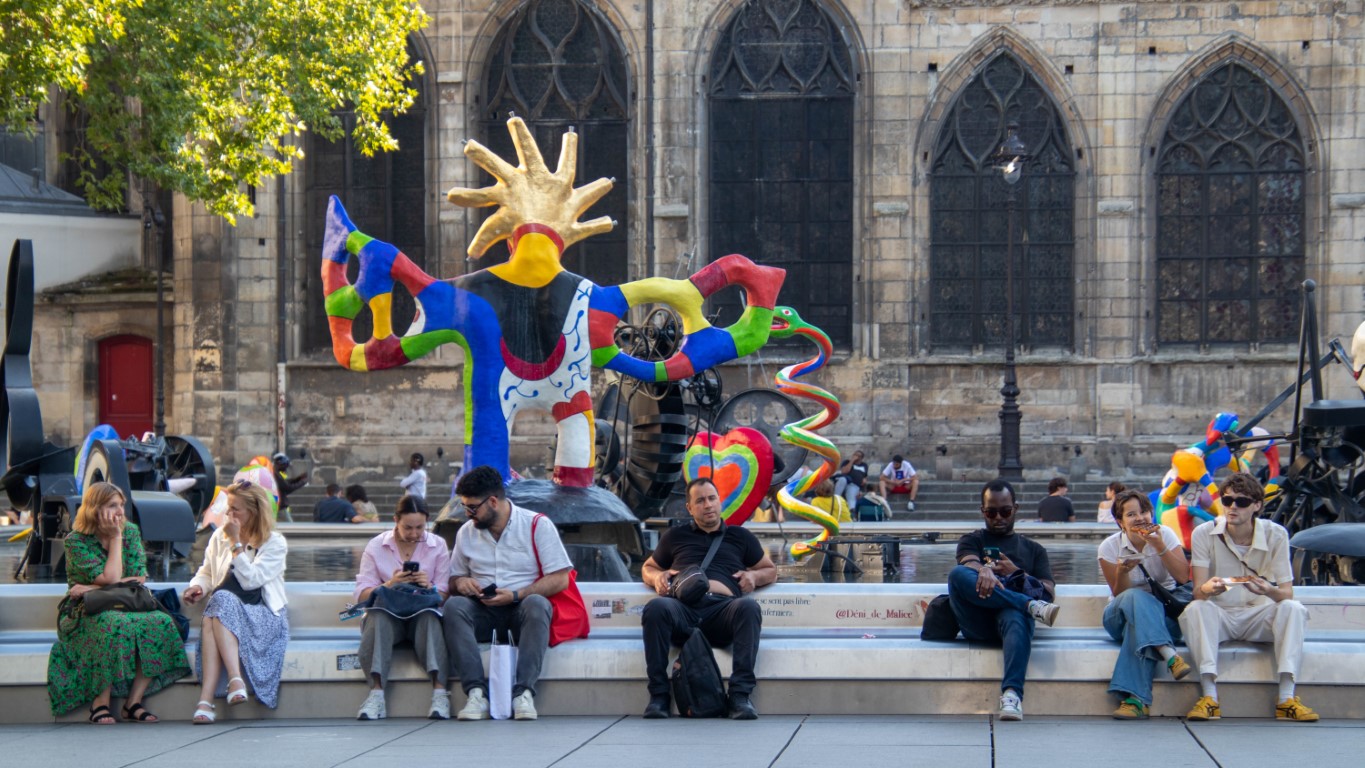
A crossroads of stories, cinemas, and nightlife: a neighborhood that keeps the lights on late.
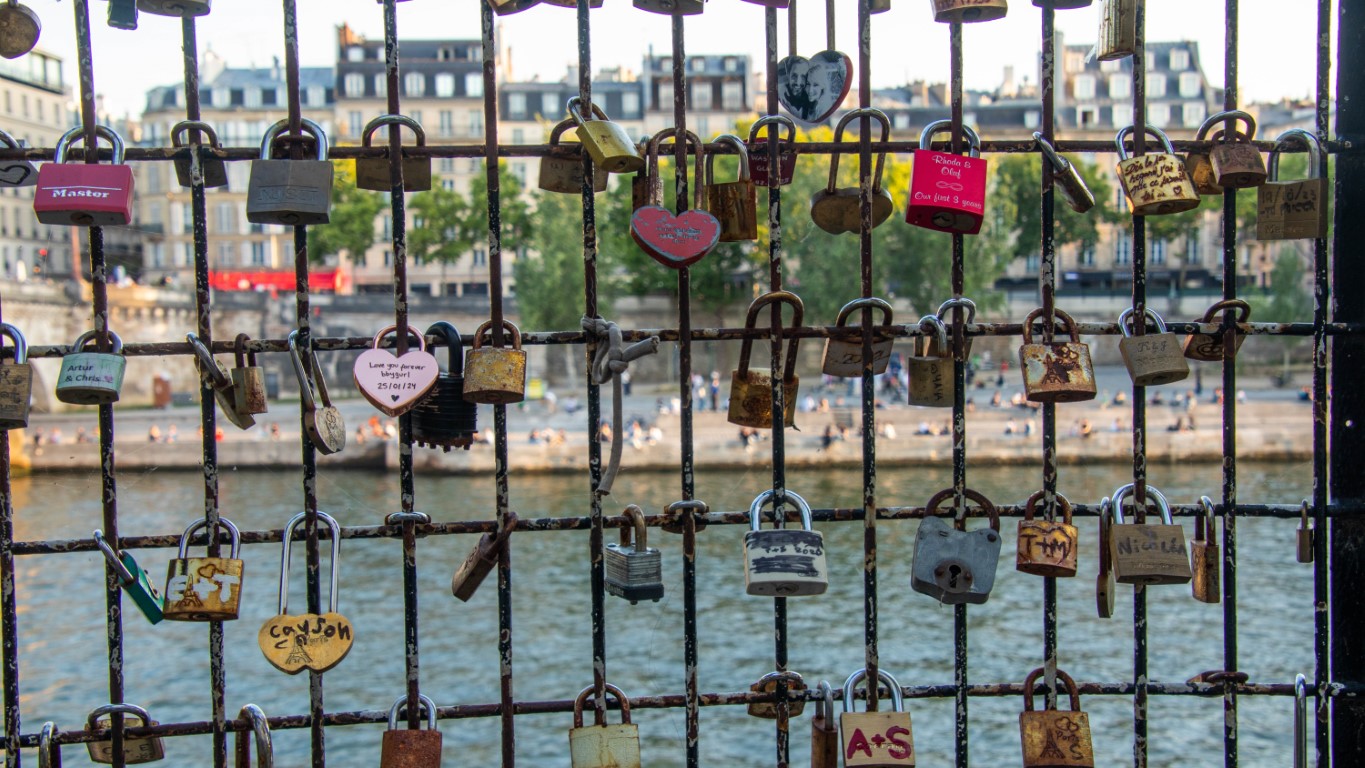
Between museums, workshops, and industrial heritage, a neighborhood where invention and creativity still belong.
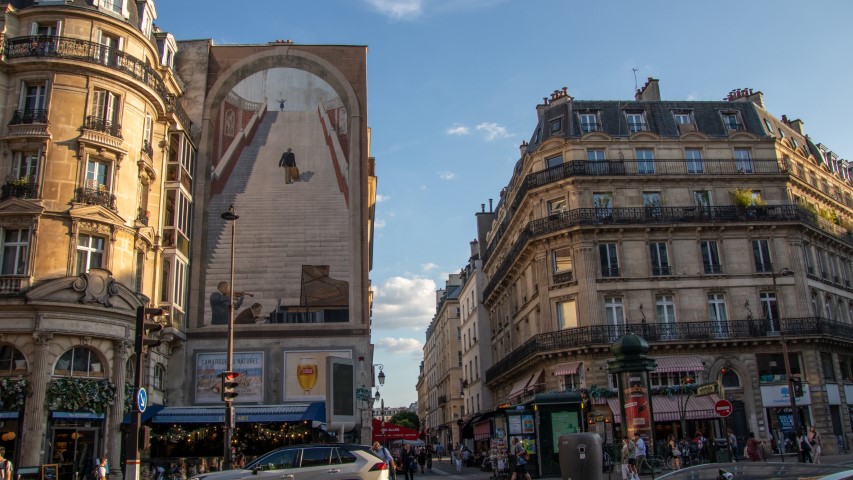
An old covered market turned table of the world: people eat close together but together, in a joyful disorder.
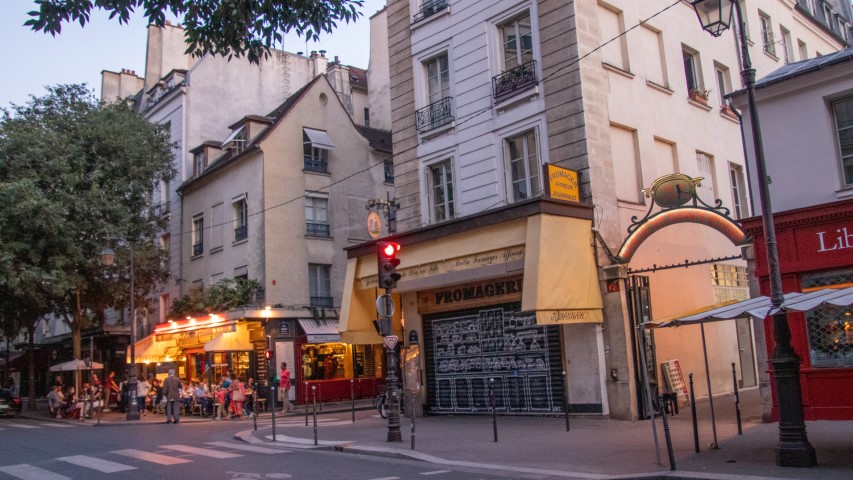
Quiet streets, old façades, discreet doorways: in the heart of the Marais, a memory that keeps living.
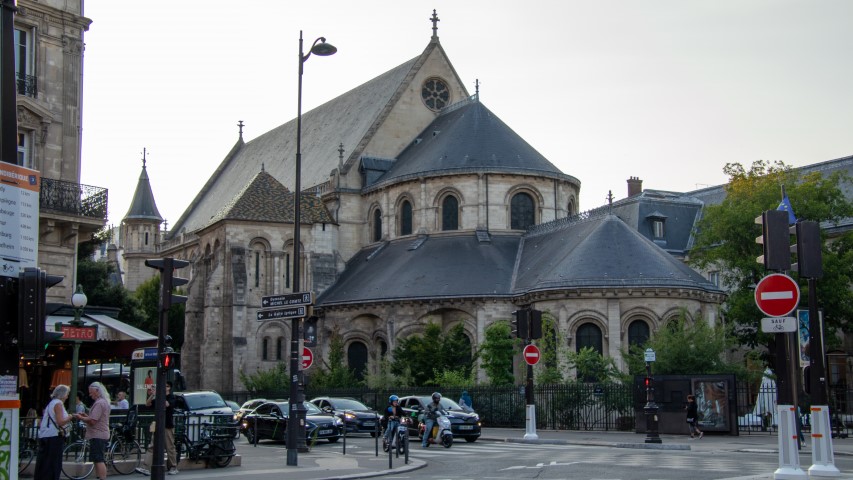
Classical charm, lively cafés, and hidden courtyards: an everyday Marais, inhabited by those who truly live there.
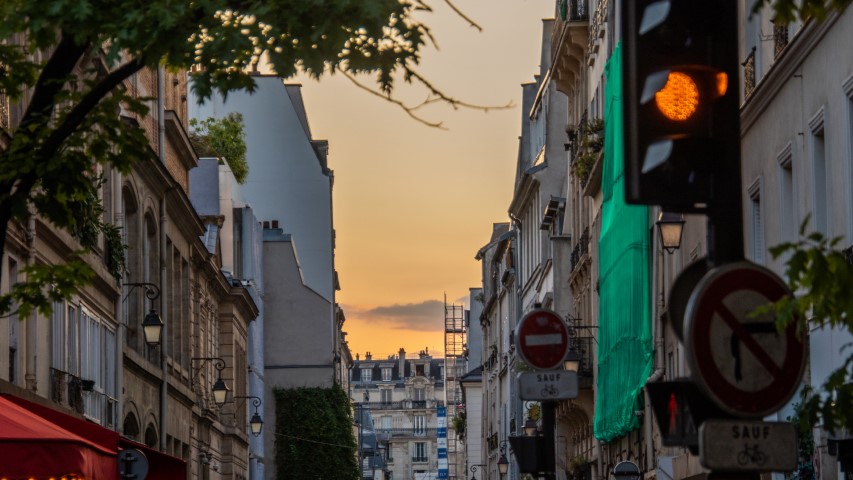
Just behind Beaubourg and City Hall, an artistic neighborhood where the street often becomes a stage.
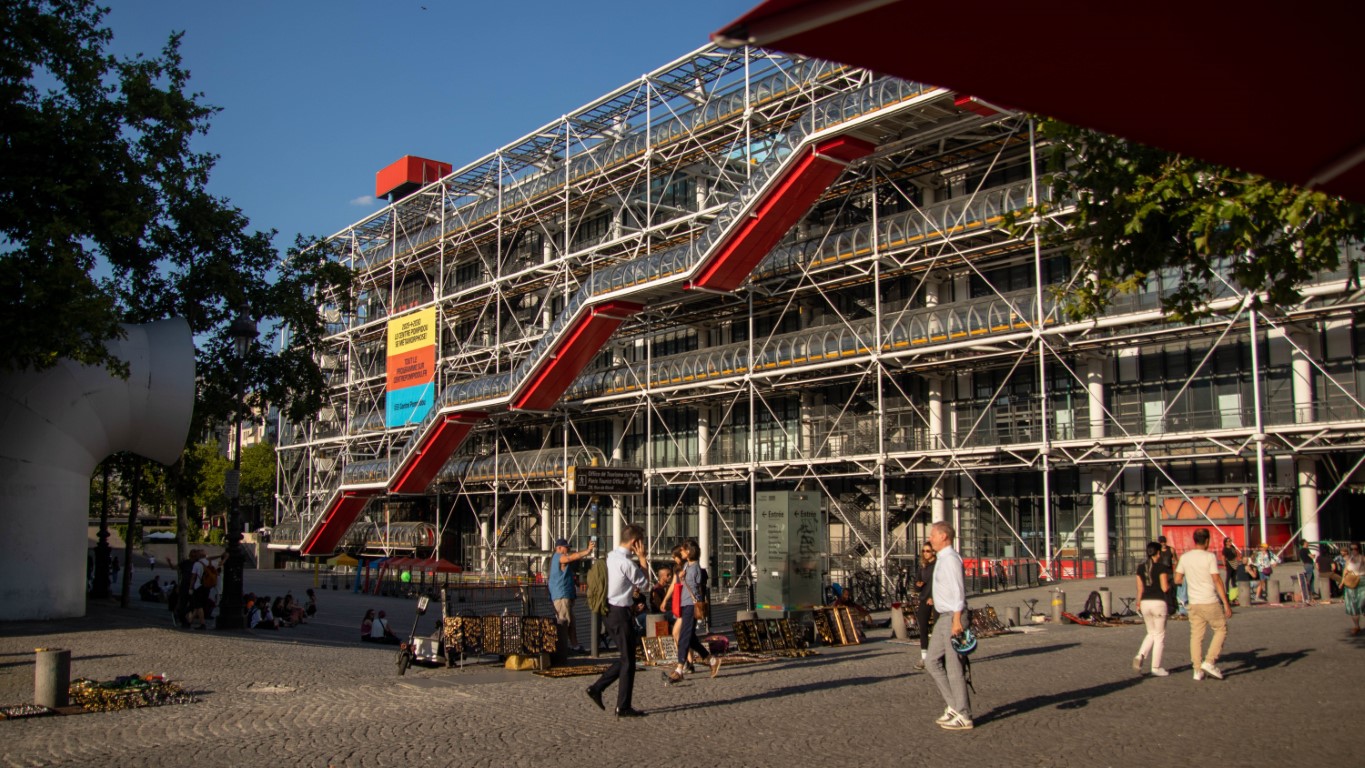
Old streets, synagogues, and tightly packed houses: a neighborhood of traditions, families, and discreet prayers.
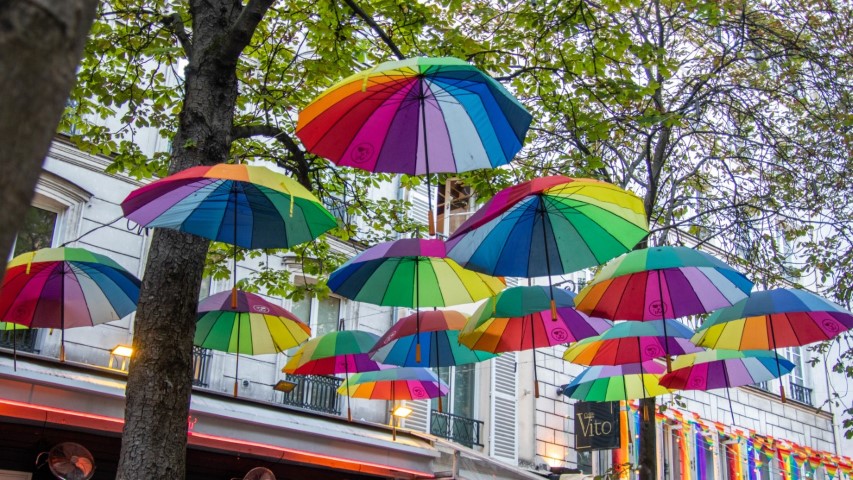
Between Bastille and the Arsenal harbor, strolls, barges, and benches watching the water go by.
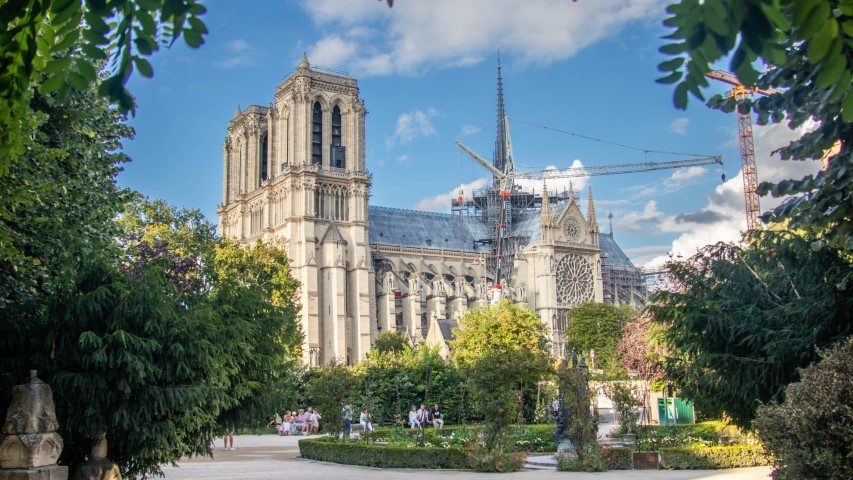
Around the cathedral and the Île de la Cité, the spiritual heart of Paris beats between stone and river.
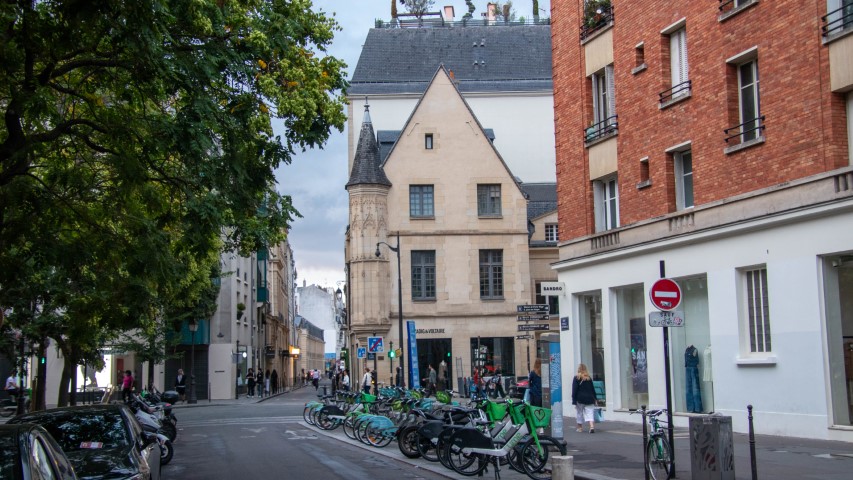
In the calm of the 5th, between quays and universities, a studious neighborhood on the edge of the Seine.

Greenhouses, gardens, and museums: a piece of learned nature in the middle of the city.
Quiet streets, a historic hospital, and sloping rooftops: a discreet Paris away from the turmoil.
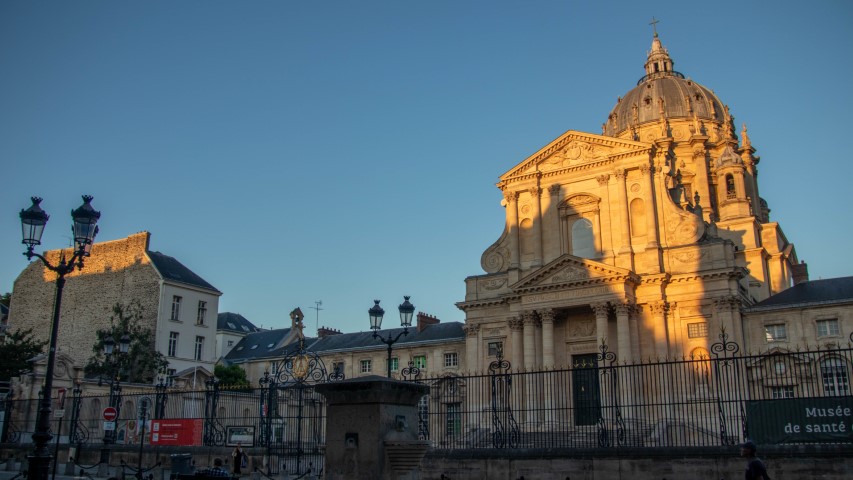
Around the old university, cafés, bookshops, and students: a neighborhood that lives to the rhythm of ideas.
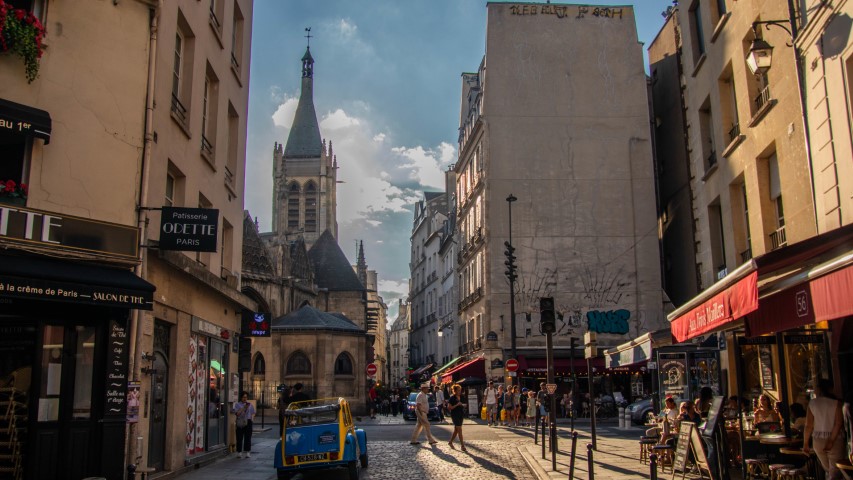
Between the Seine and small streets, a neighborhood of bridges, booksellers, and lights reflected in the water.
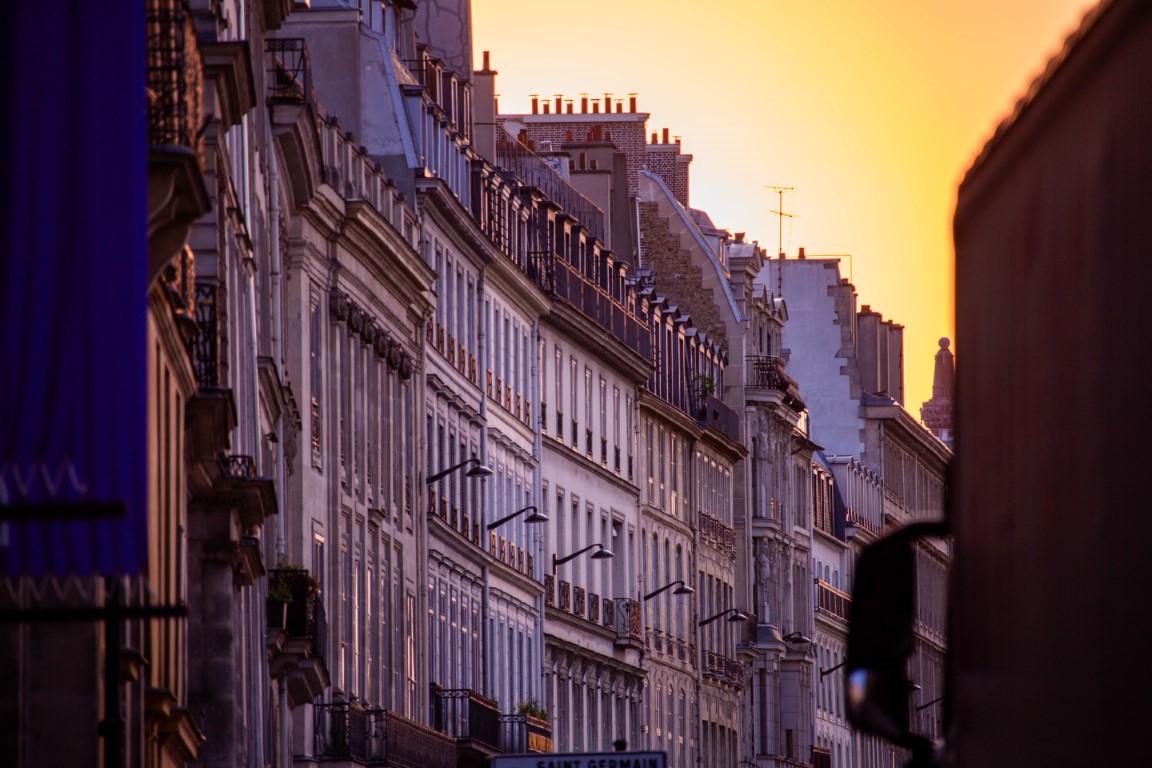
Theaters, bookshops, and tightly packed terraces: the neighborhood where people remake the world until late.
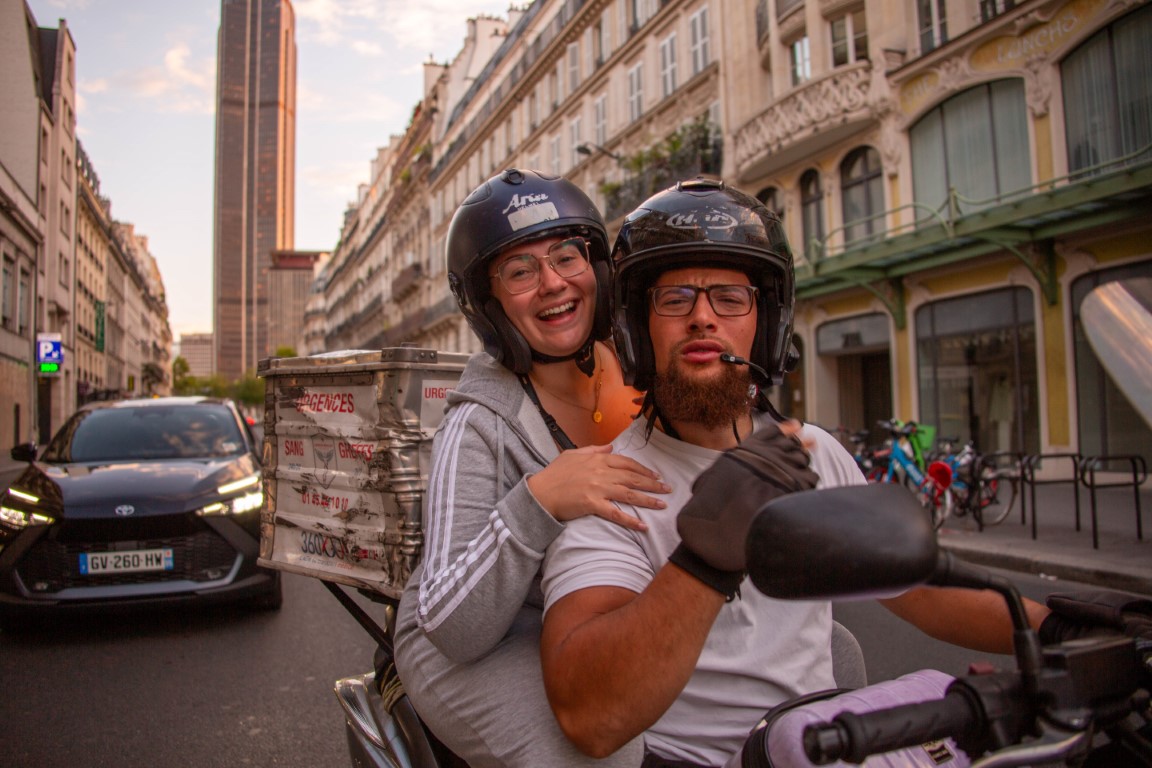
A more residential corner of the 6th, between artists’ studios, schools, and neighborhood cafés.
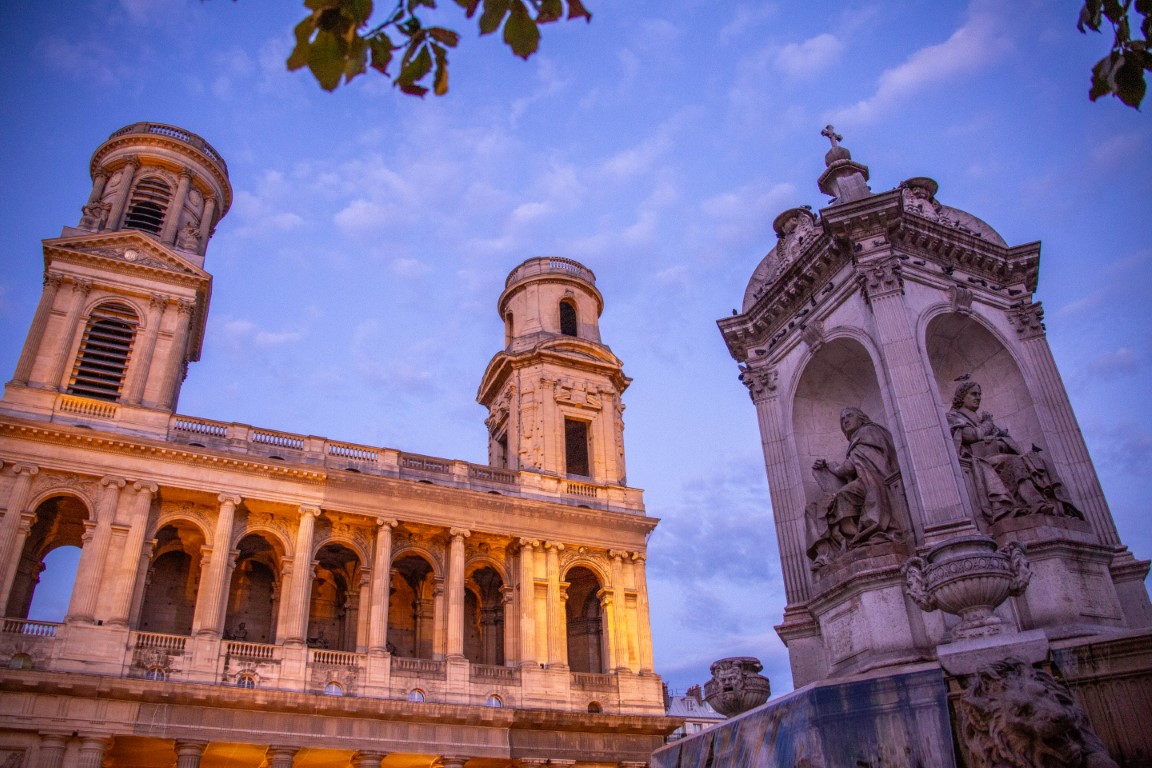
Legendary cafés, galleries, and bookshops: one of the best-known faces of Paris, still full of intimate corners.
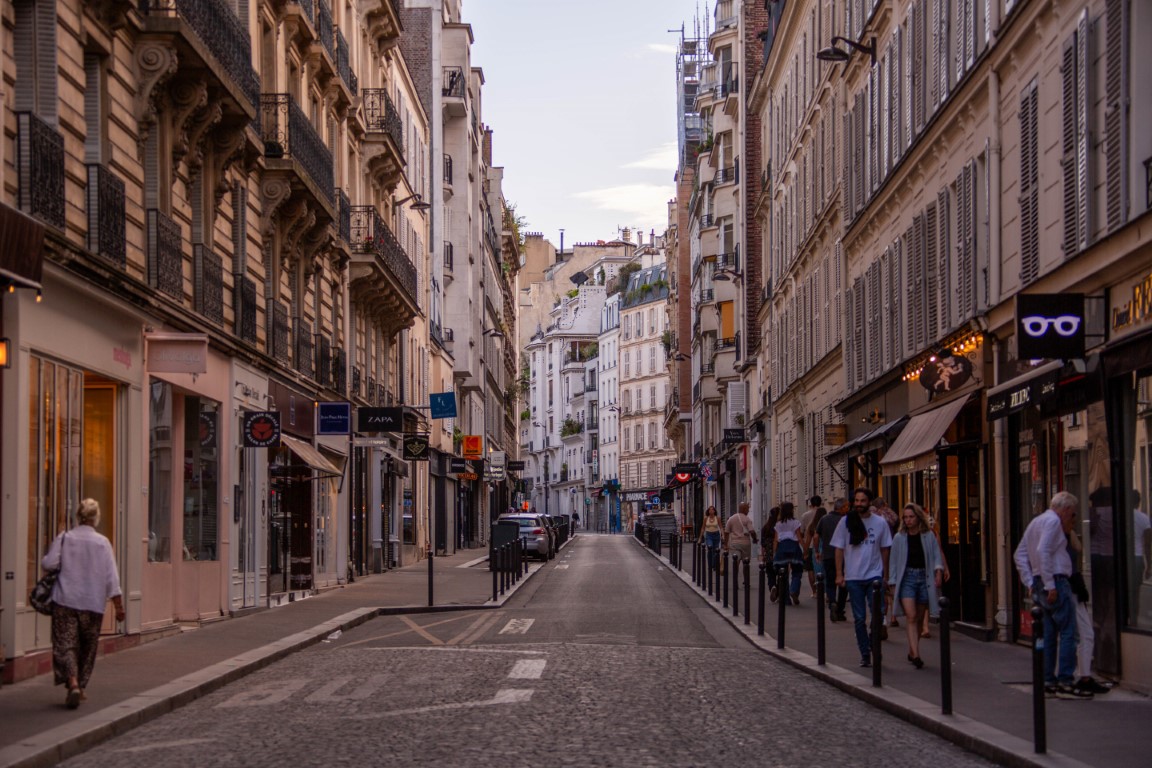
Seine banks, ministries, museums: a blend of power, art, and very quiet streets.
Esplanades, domes, and military memories: a monumental landscape softened by gardens.
A broad perspective toward the Eiffel Tower, barracks, schools, and lawns: the city aligns itself on a grand scale here.
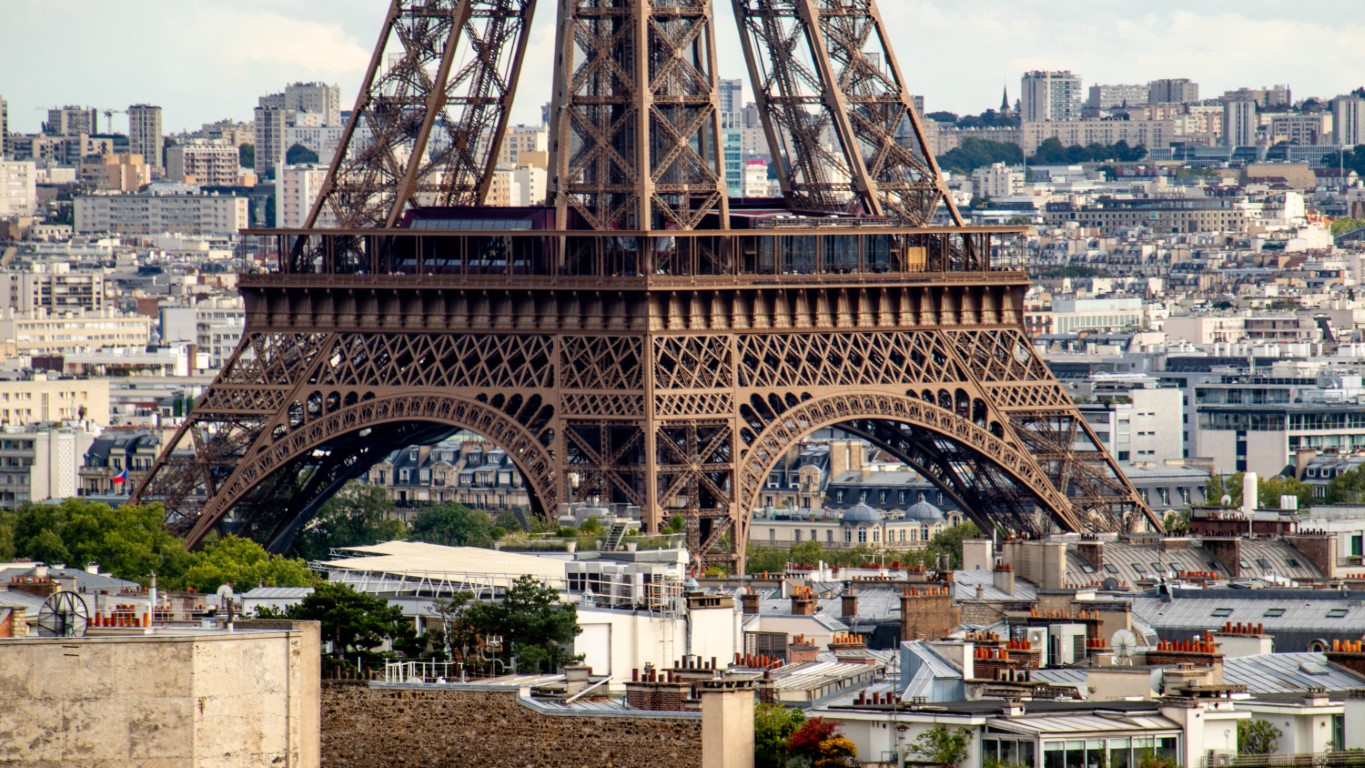
A stone’s throw from the Eiffel Tower, a neighborhood of quiet streets, everyday shops, and amazed tourists.
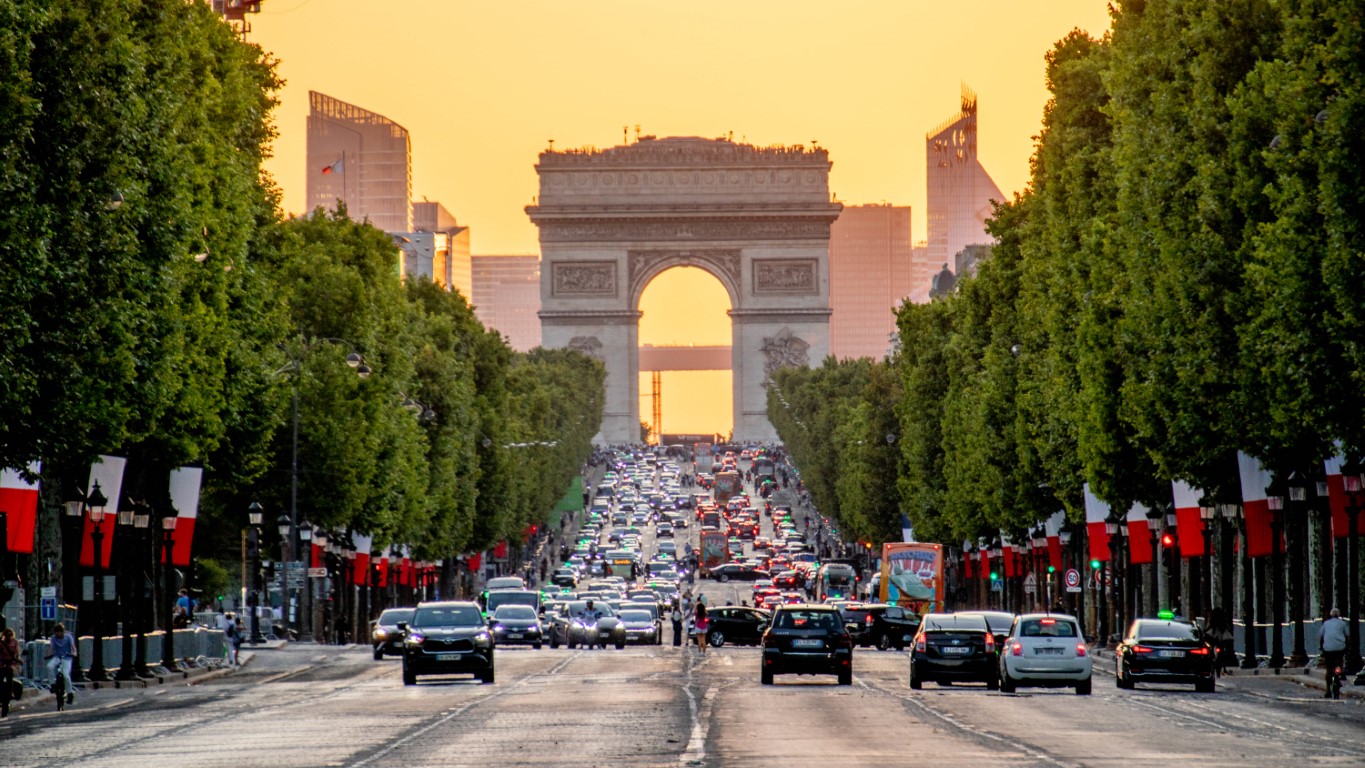
A famous avenue, storefronts, and late-night cinemas: a setting known the world over, crossed by ordinary lives.
Between offices, hotels, and small streets, a neighborhood mixing work rhythm and moments to breathe.
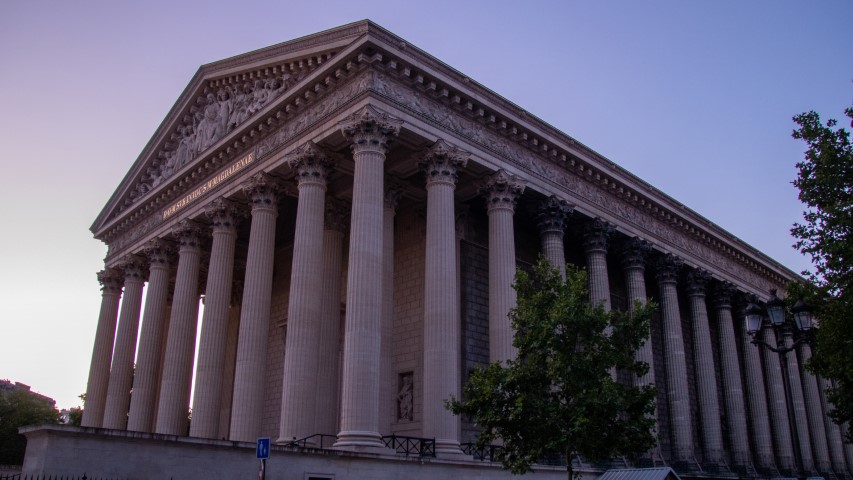
Monumental church, great boulevards, and fine food houses: a Paris both gourmand and solemn.
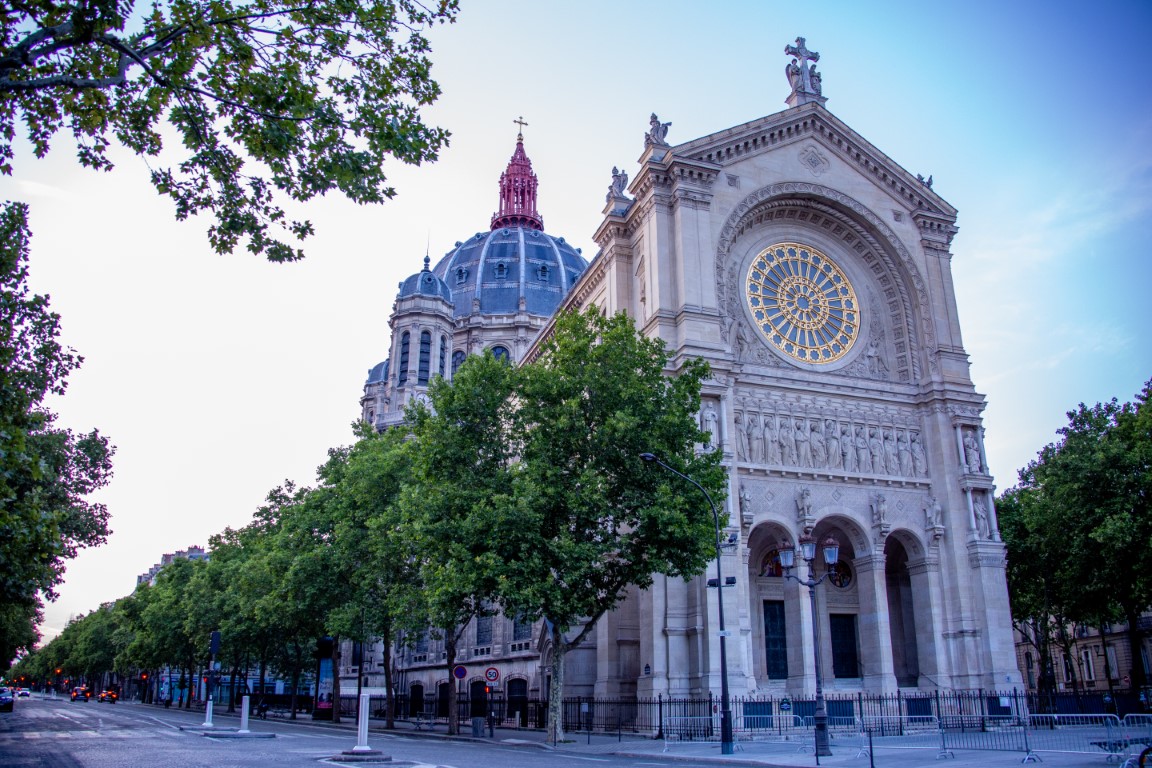
Around Saint-Lazare station, a neighborhood of connections, Haussmannian buildings, and hurried lives.
Sloping streets, colorful façades, and theaters: a piece of city between village and boulevard.
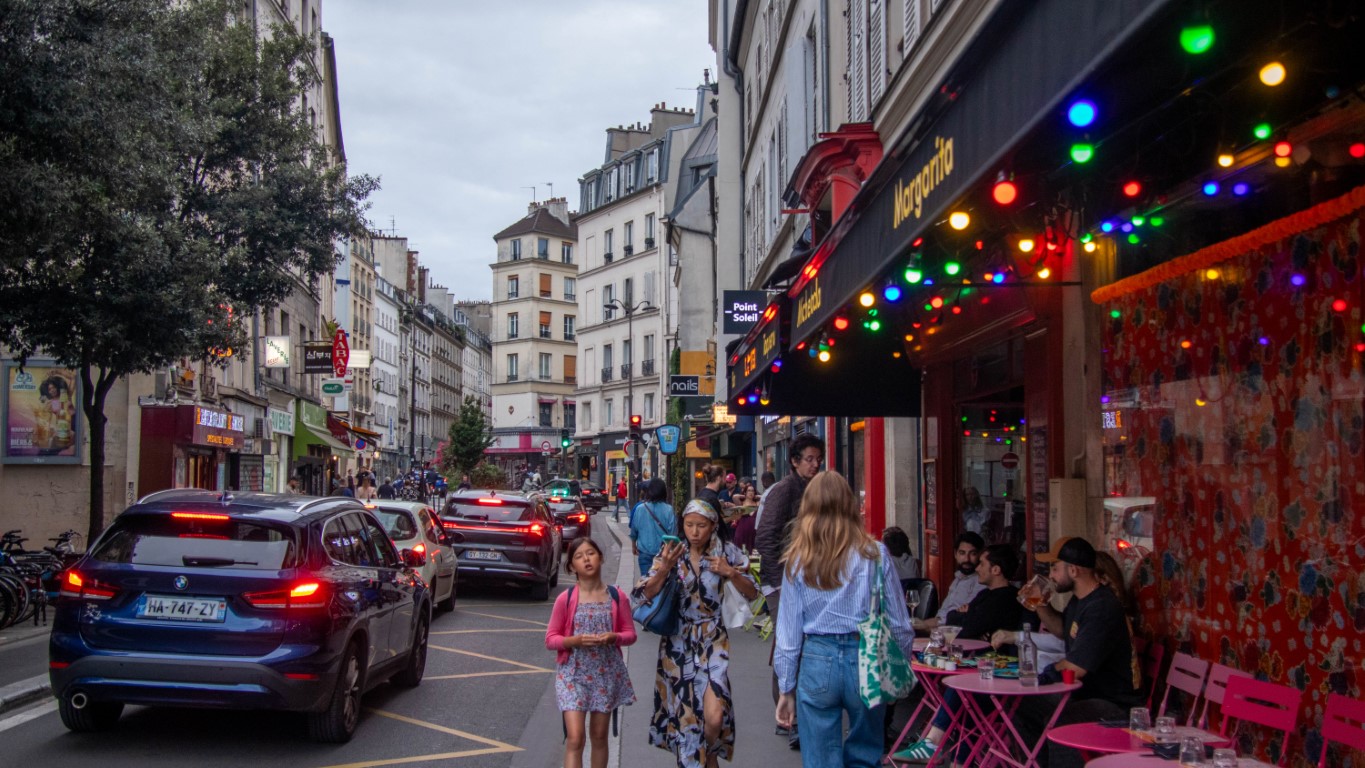
Major brands, passages, and offices: the Paris of errands, sales, and quick appointments.
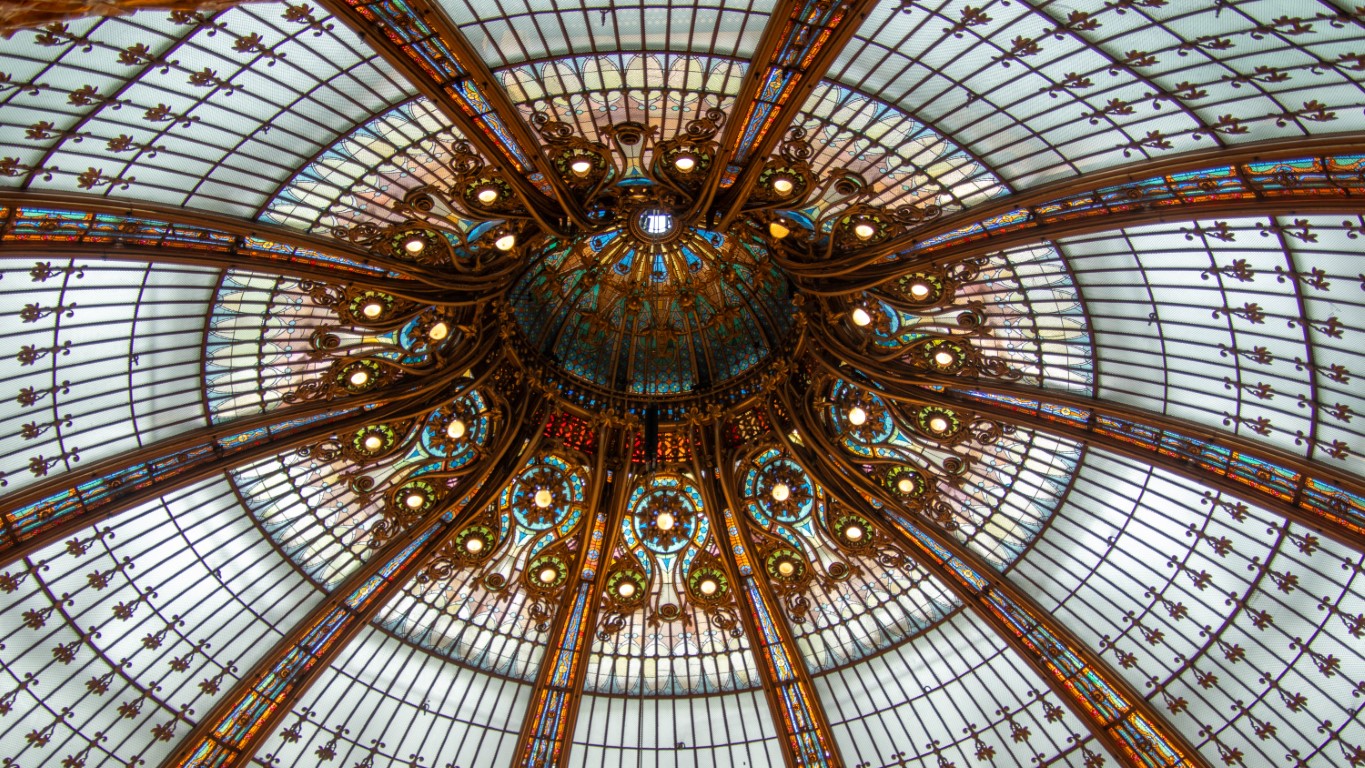
Newspapers, theaters, and cafés: the former backbone of the Parisian press, still very lively.
At the foot of Montmartre, a neighborhood of passages, small shops, and cafés for regulars.
Between the North and East stations, a neighborhood of travelers, modest hotels, and new arrivals.
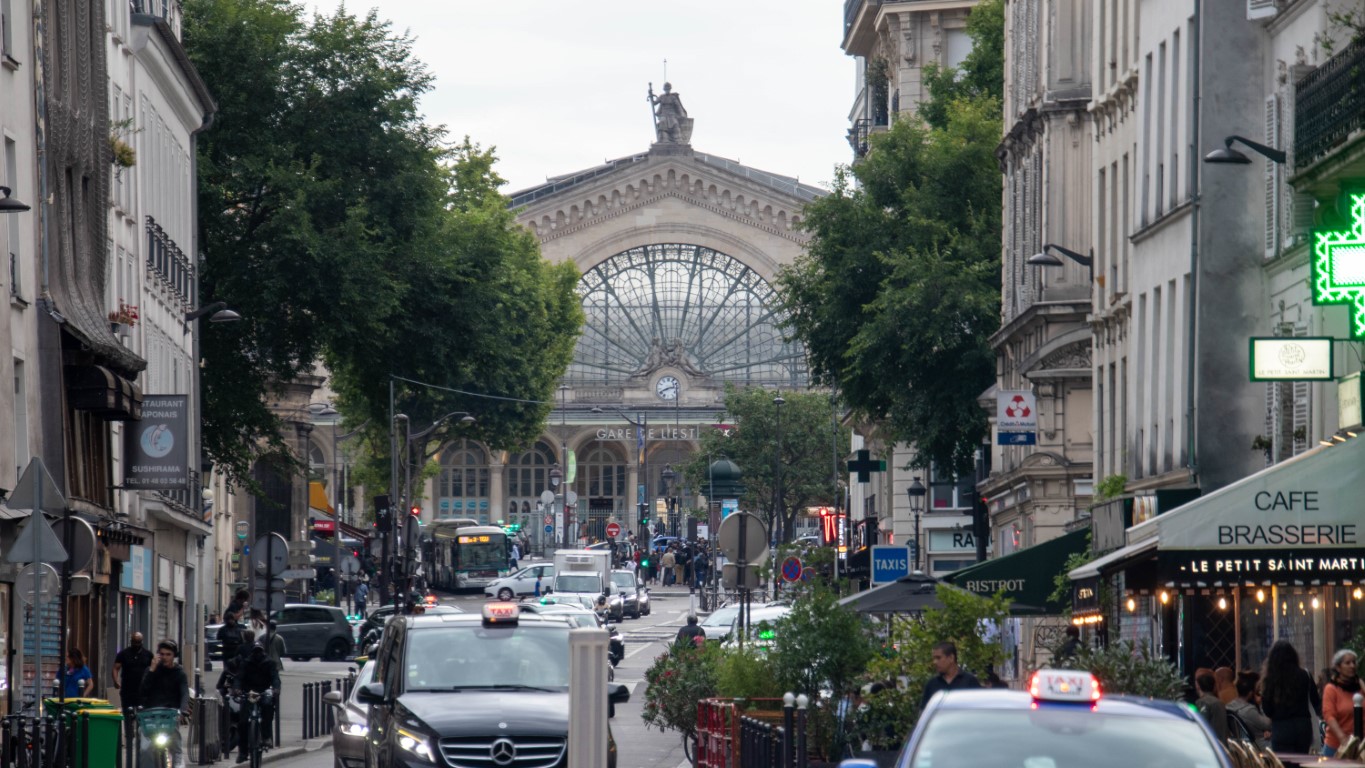
Monumental arch, popular restaurants, and lively streets: the gateway to a deeply mixed Paris.
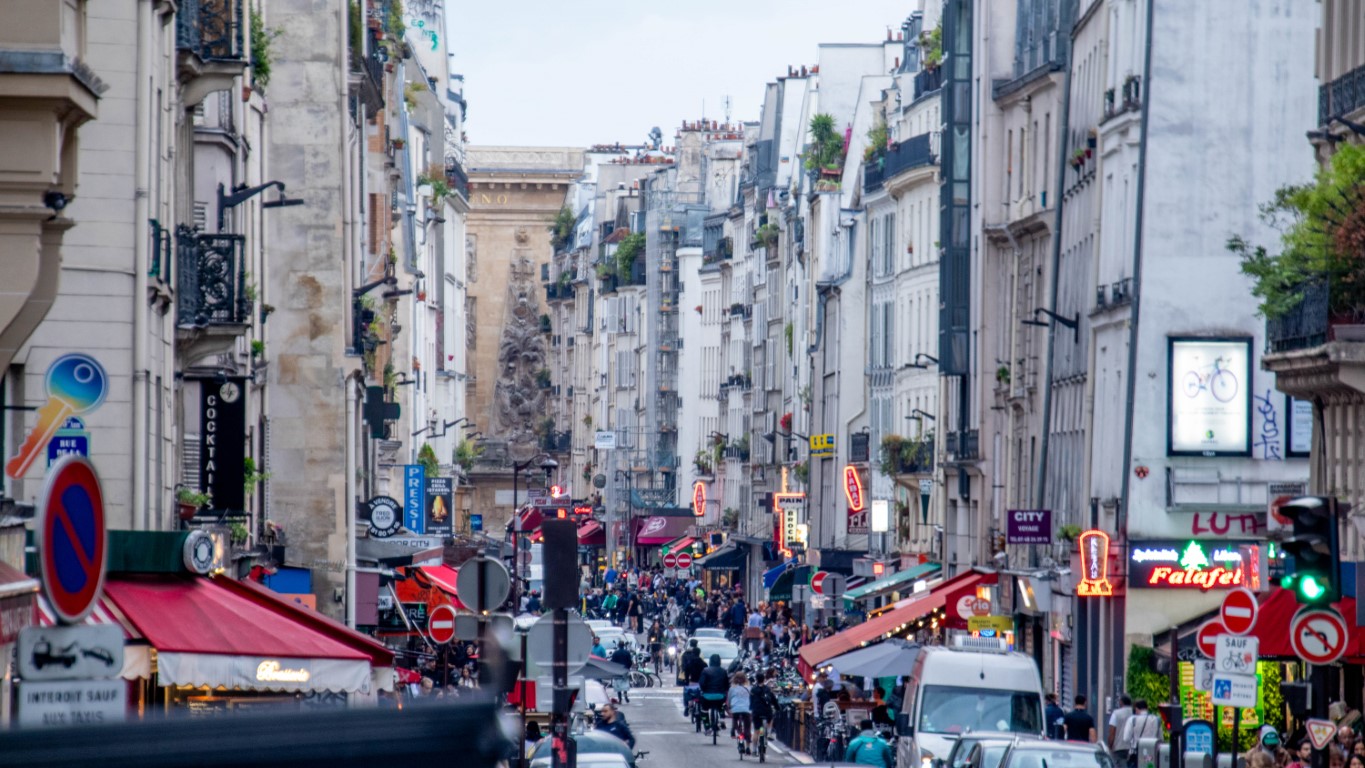
Theaters, bars, and sidewalks full at night: a neighborhood that loves the stage and improvised meetings.
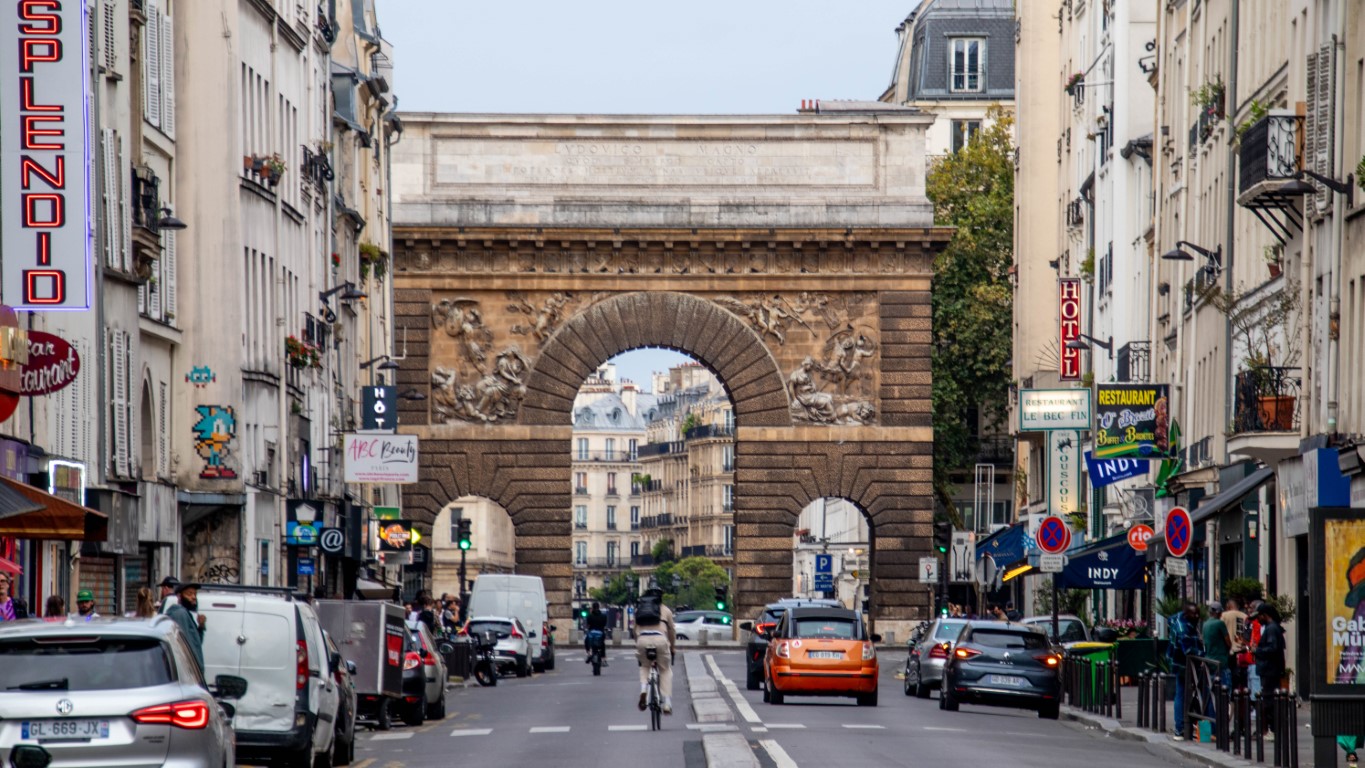
Around the historic hospital, an island of calm between canals, terraces, and planted courtyards.
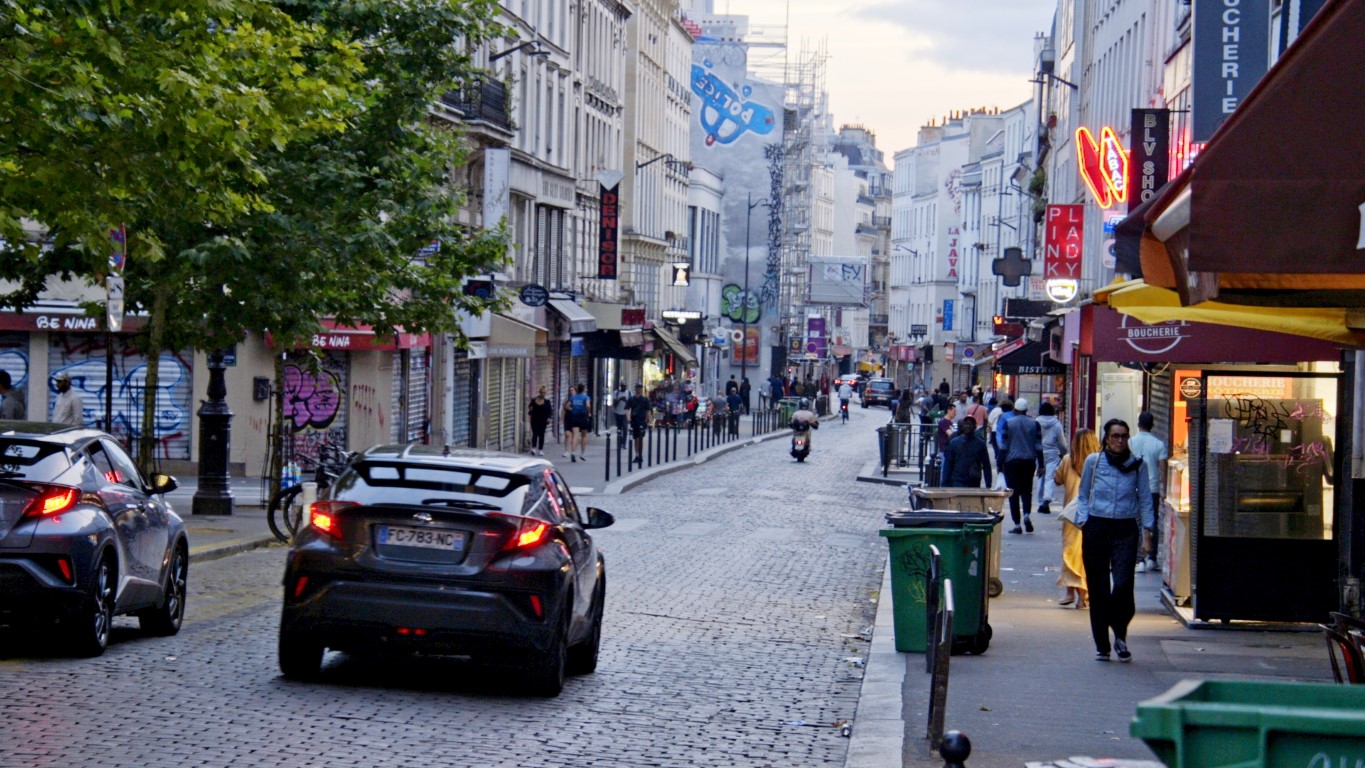
Between République and Belleville, a mix of workshops, engaged cafés, and small inhabited streets.
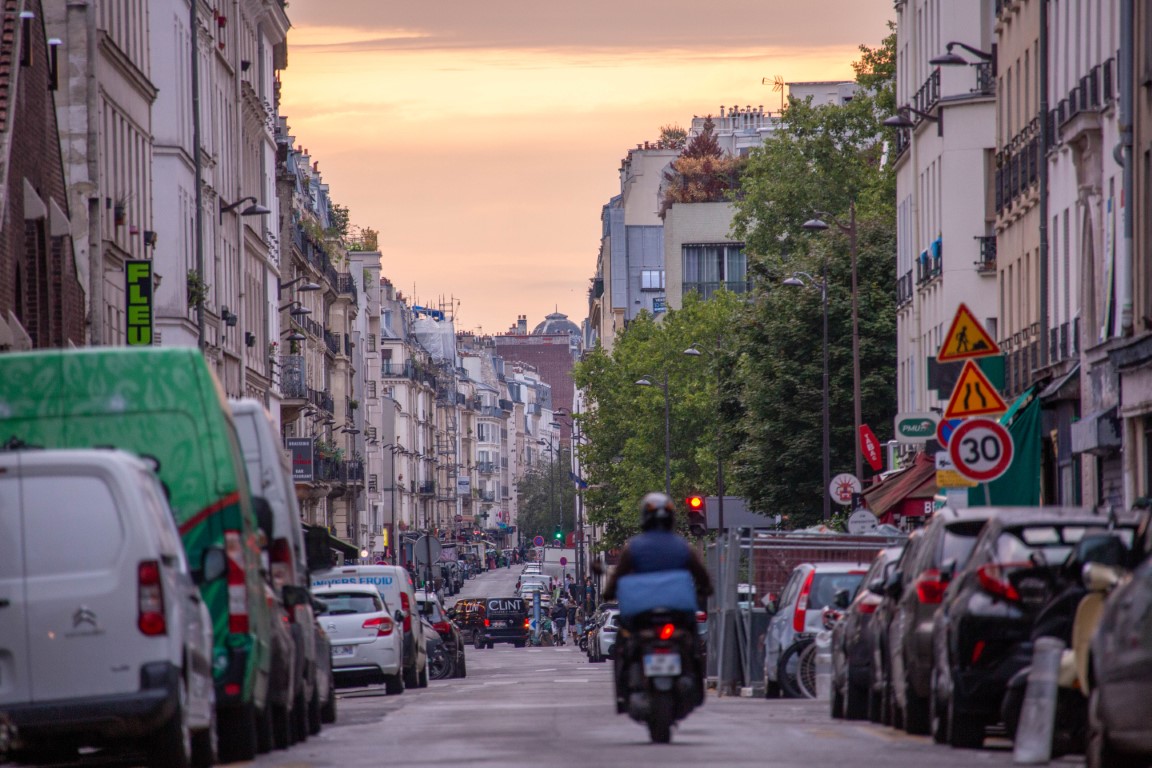
Churches, gardens, and neighborhood terraces: a corner of eastern Paris where people easily gather.
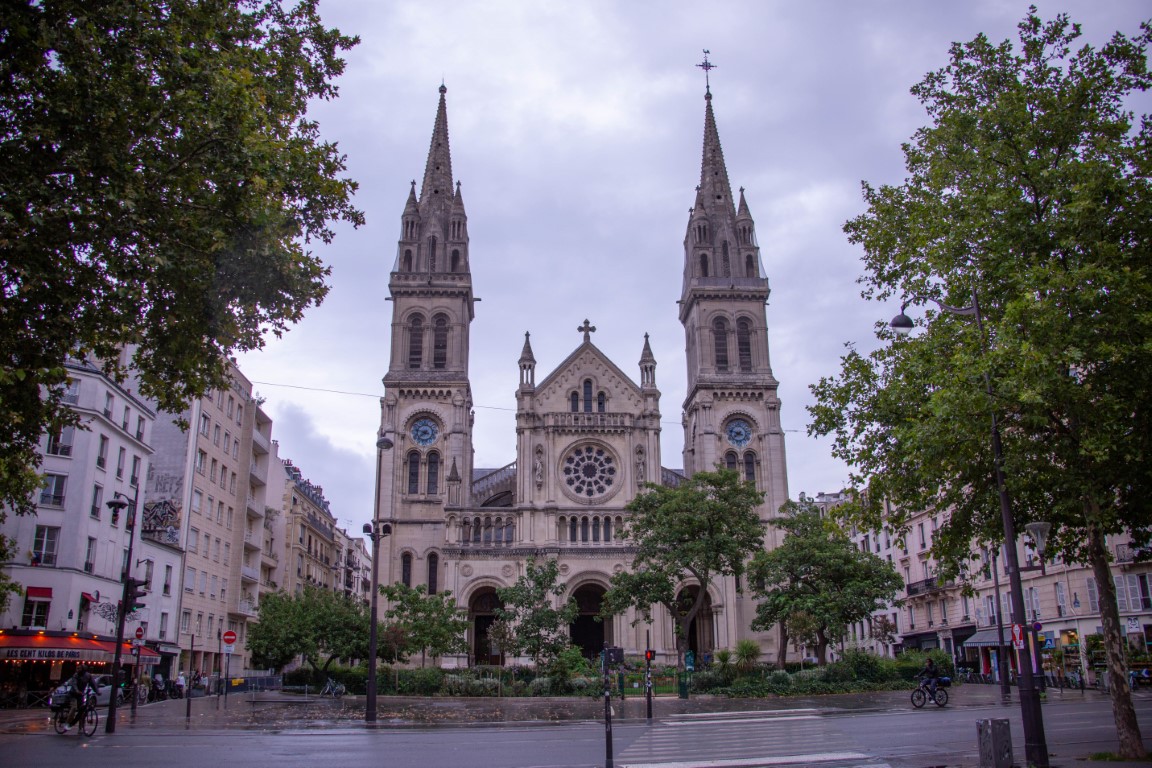
Popular streets, bars, workshops, and memories of old working-class suburbs.
A quieter eastern neighborhood, between squares, schools, and small family-scale streets.
Toward Nation and the Bois de Vincennes, a neighborhood of flowered balconies, local shops, and departures for walks.
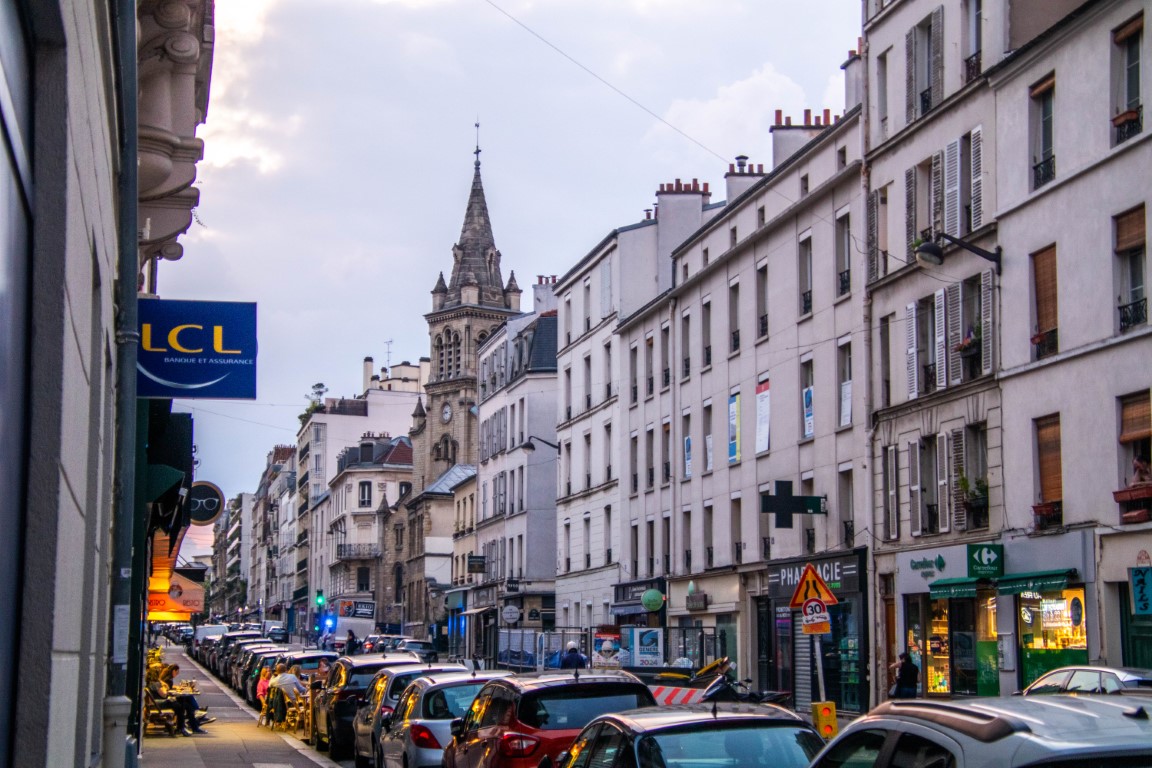
Quiet streets, hidden cemeteries, and schools: an everyday Paris with its secrets of stone.
Between concert halls, cinemas, and parkland, a modern neighborhood living to the rhythm of events.
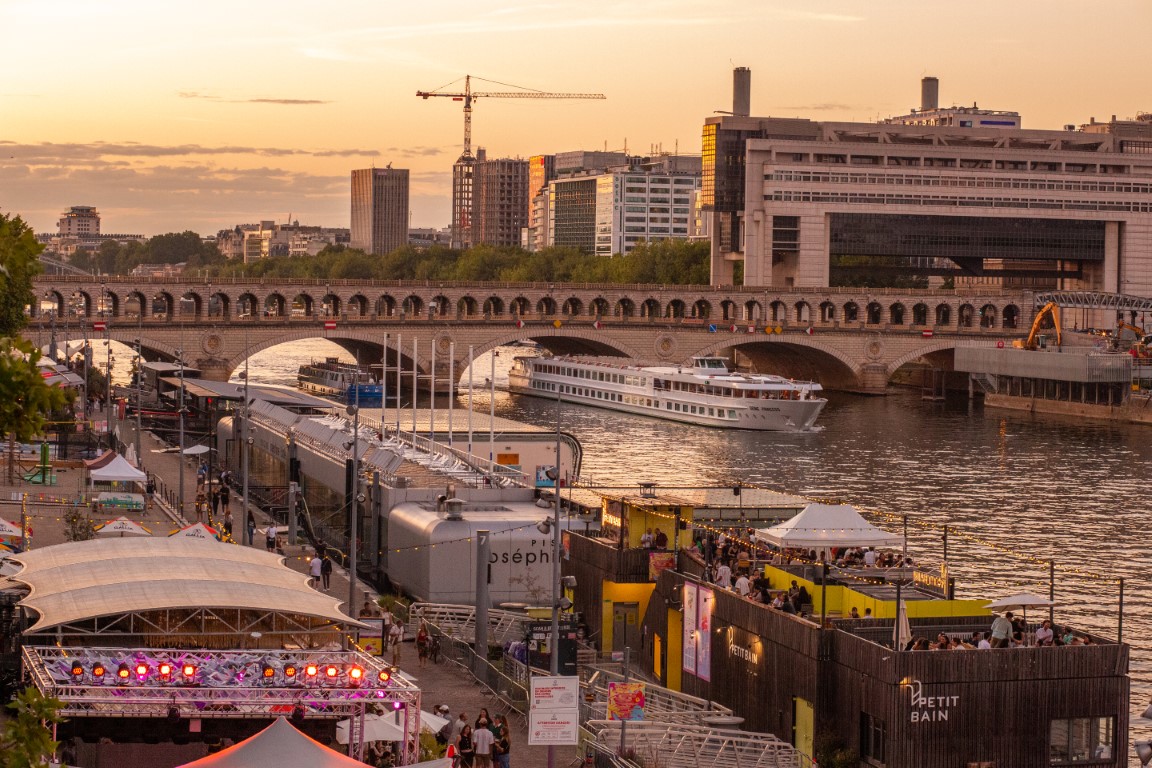
Around Gare de Lyon, hotels, brasseries, and hurried journeys, but also calm corners behind the big avenues.
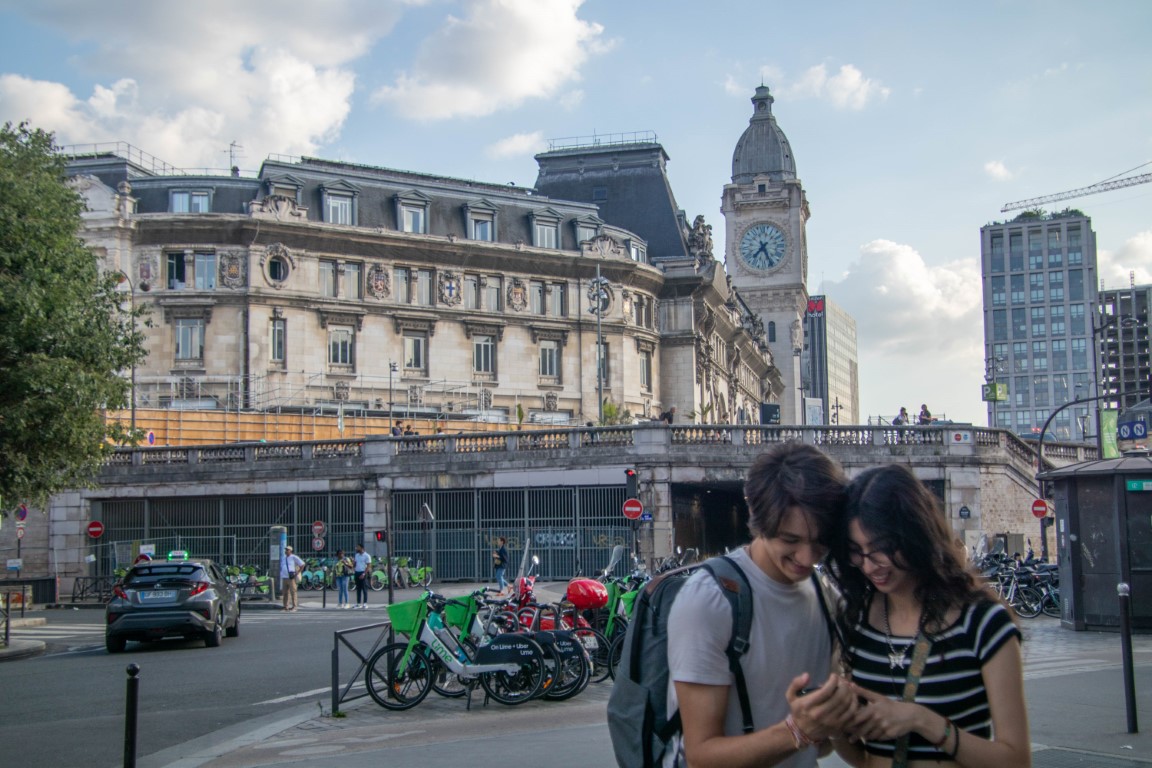
A vast hospital, Seine quays, and boulevards: a neighborhood where care, transit, and city life intersect.
Around Austerlitz station, rails, converted warehouses, and new walks along the Seine.
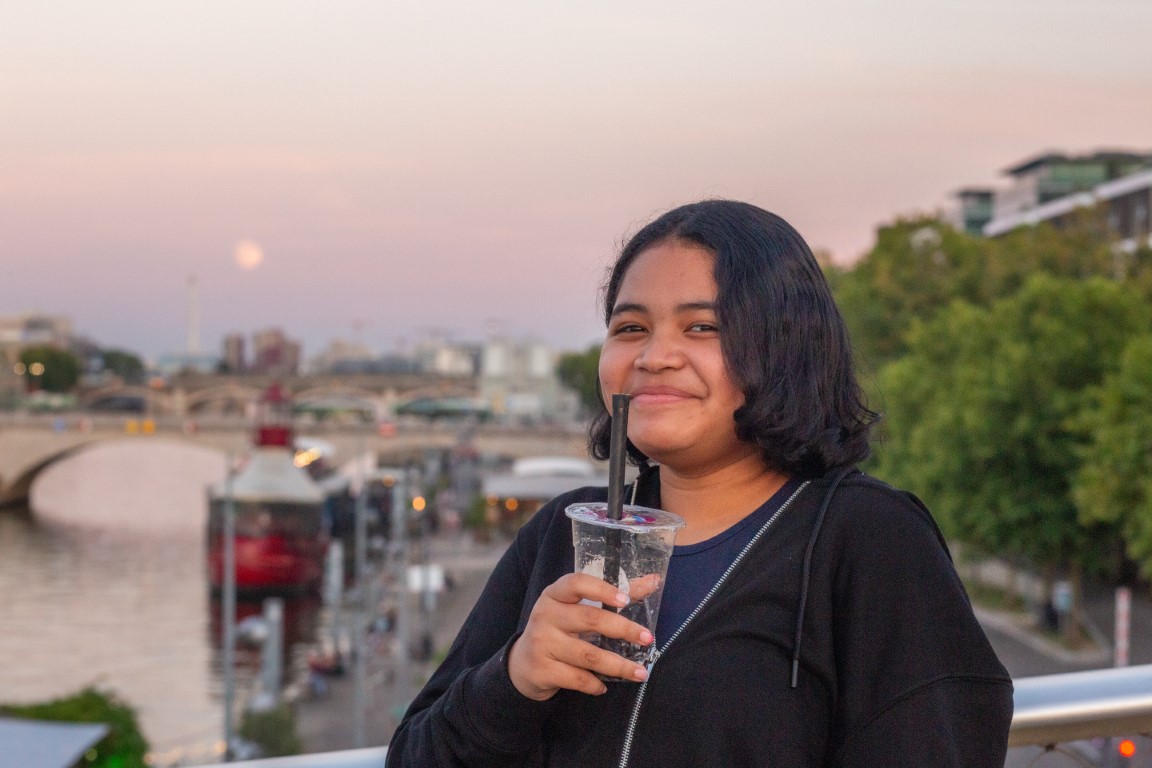
A more popular south Paris, gently sloping, with simple shops and modest buildings.
A little-known neighborhood between Gobelins and Butte-aux-Cailles, with workshops, schools, and quiet lanes.
Towers, stations, cinemas, and artists’ cafés: a former heart of bohemian life, still very alive.
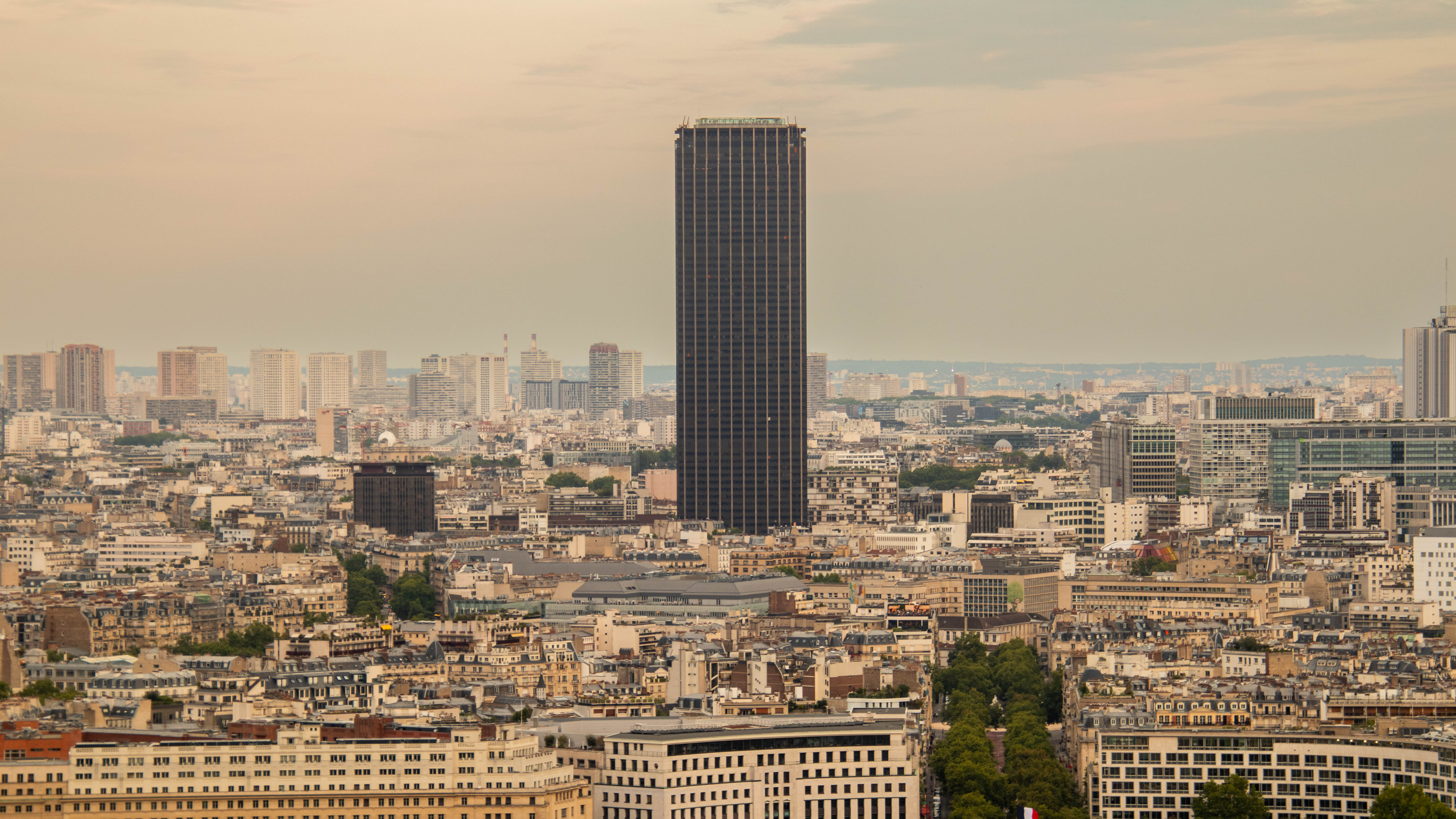
Around the large park, residential streets, students, and morning joggers.
A corner of the 14th with the feeling of a village, with church, shops, and chatty sidewalks.
Tight streets, workshops, and popular cafés: a neighborhood that keeps a family and modest side.
Around Georges-Brassens park, markets, schools, and quiet buildings: a Paris of neighborly life.
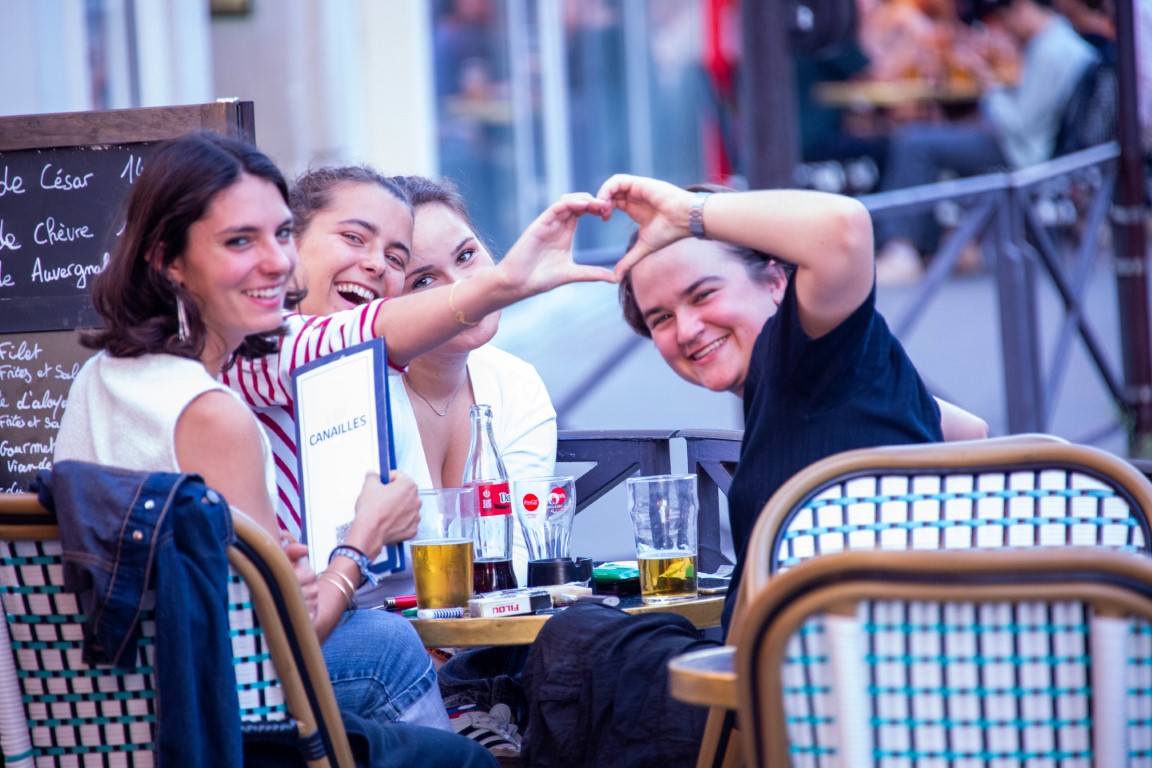
Between Montparnasse and Invalides, hospitals, stations, and offices, but also gardens tucked below.
Modern buildings, Seine banks, and shopping centers: a neighborhood of bridges, flows, and nighttime lights.
In southwest Paris, converted factories, developed quays, and wide views toward the Eiffel Tower.
A former village absorbed by Paris: quiet streets, houses, stadiums, and memories of sporting poetry.
Around Trocadéro and the Bois de Boulogne, embassies, museums, and residential avenues.
Between woods, universities, and broad avenues, a neighborhood of calm corners and wide perspectives.
Facing the Eiffel Tower, theaters, museums, and spectacular squares: a balcony over the Seine.
Great boulevards, covered markets, and small residential streets: an animated but deeply inhabited neighborhood.
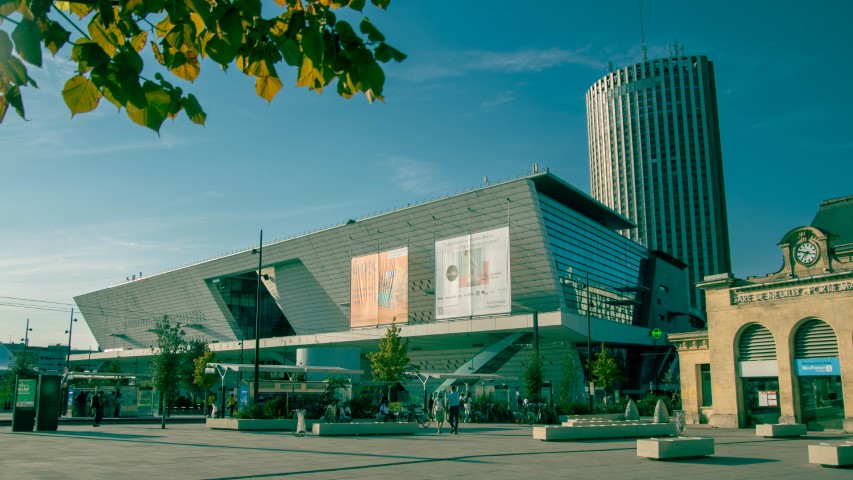
Town mansions, Parc Monceau, and quiet avenues: a classical elegance, almost out of time.
Parks, cafés, little squares: a creative and bohemian neighborhood, much loved by its residents.
A neighborhood in transformation with a true village spirit, between workshops, families, and new places.
Below Montmartre, former artists’ studios, stair-stepped streets, and unexpected views.
At the edge of the 18th, flea markets, antiques, and a mix of cultures from everywhere.
Markets, music, and scents from elsewhere: a living, direct, and creative neighborhood in northern Paris.
Between rails, markets, and new buildings, a neighborhood of passage, mixing, and rapid transformations.
Around Parc de la Villette, performance halls, science, and music: a large cultural playground.
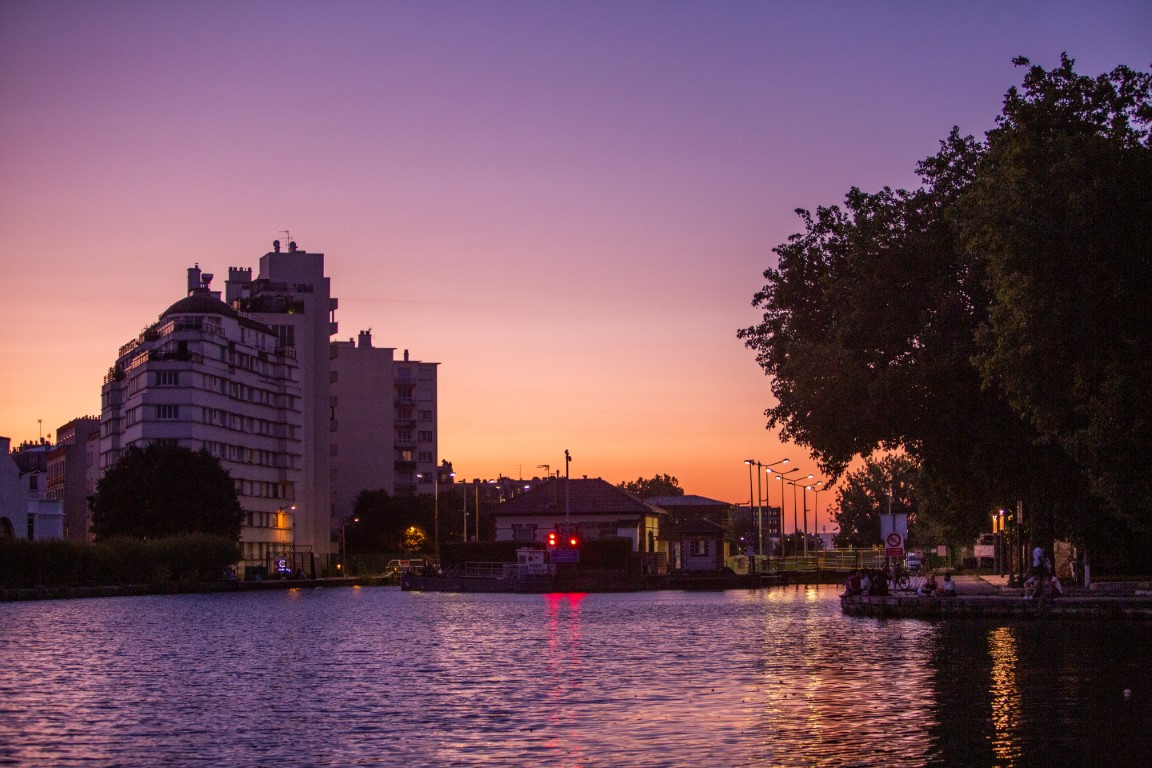
Along the canal, new architecture, footbridges, and parks: a piece of city reinventing itself.
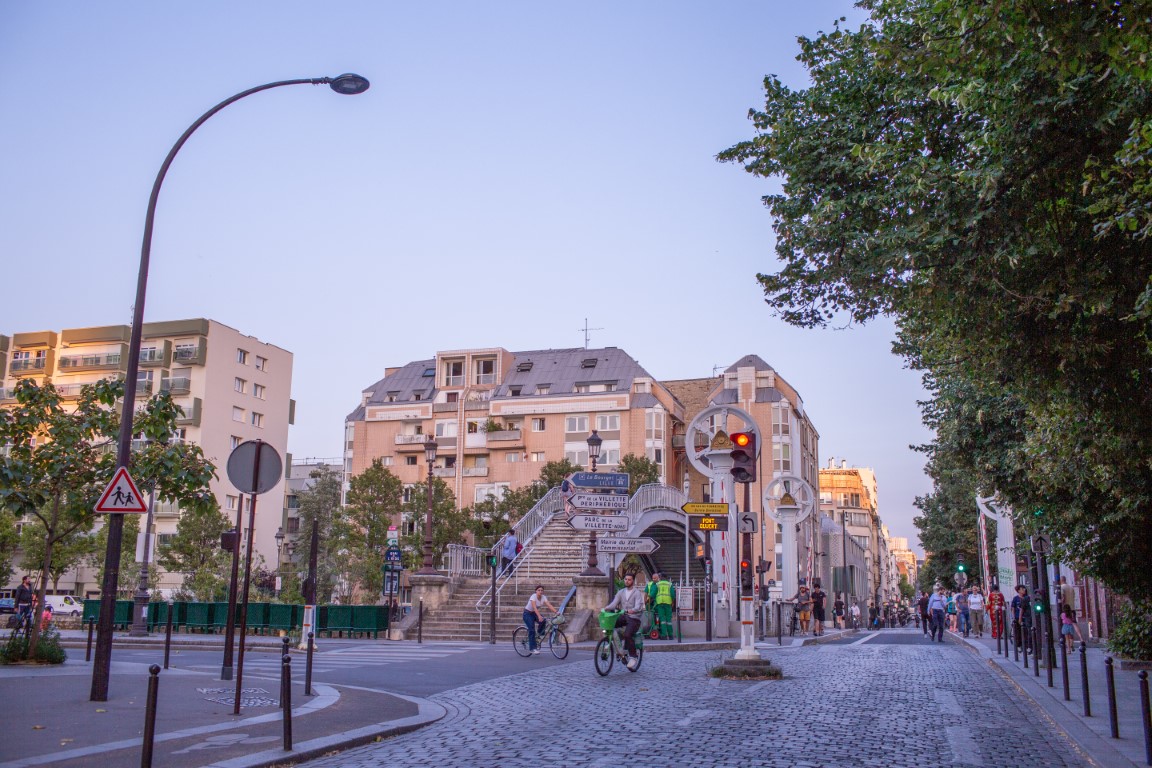
Hills, former quarries, and broad views: a more residential, green, and family-oriented 19th.
Near Buttes-Chaumont, markets, neighborhood bars, and a youth inventing its own habits.
Street art, world cuisines, and views over Paris: a neighborhood of artists, families, and social struggles.
Village spirit, gently sloping parks, and quiet small streets: a discreet yet very lively Paris.
A world-famous cemetery, silent gardens, and residential streets: a neighborhood of memory and gentleness.
A former working-class suburb with a village feel: alleys, cafés, hidden courtyards, and a great deal of soul.
Paris T’Aime is not only watched. It extends itself through recognition, participation, and concrete bridges between cinema and life.
Portraits, testimonies, and collaborations.
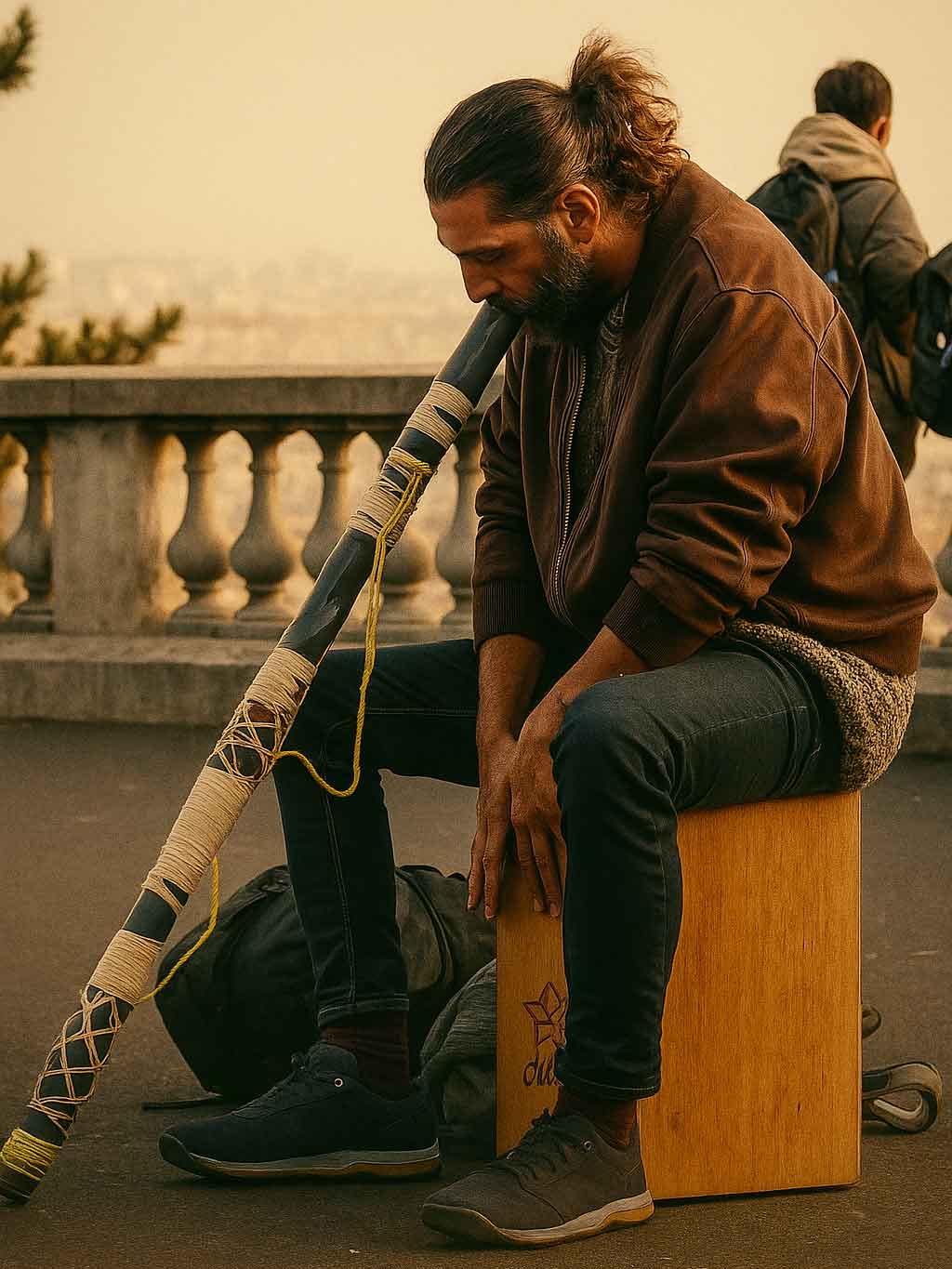
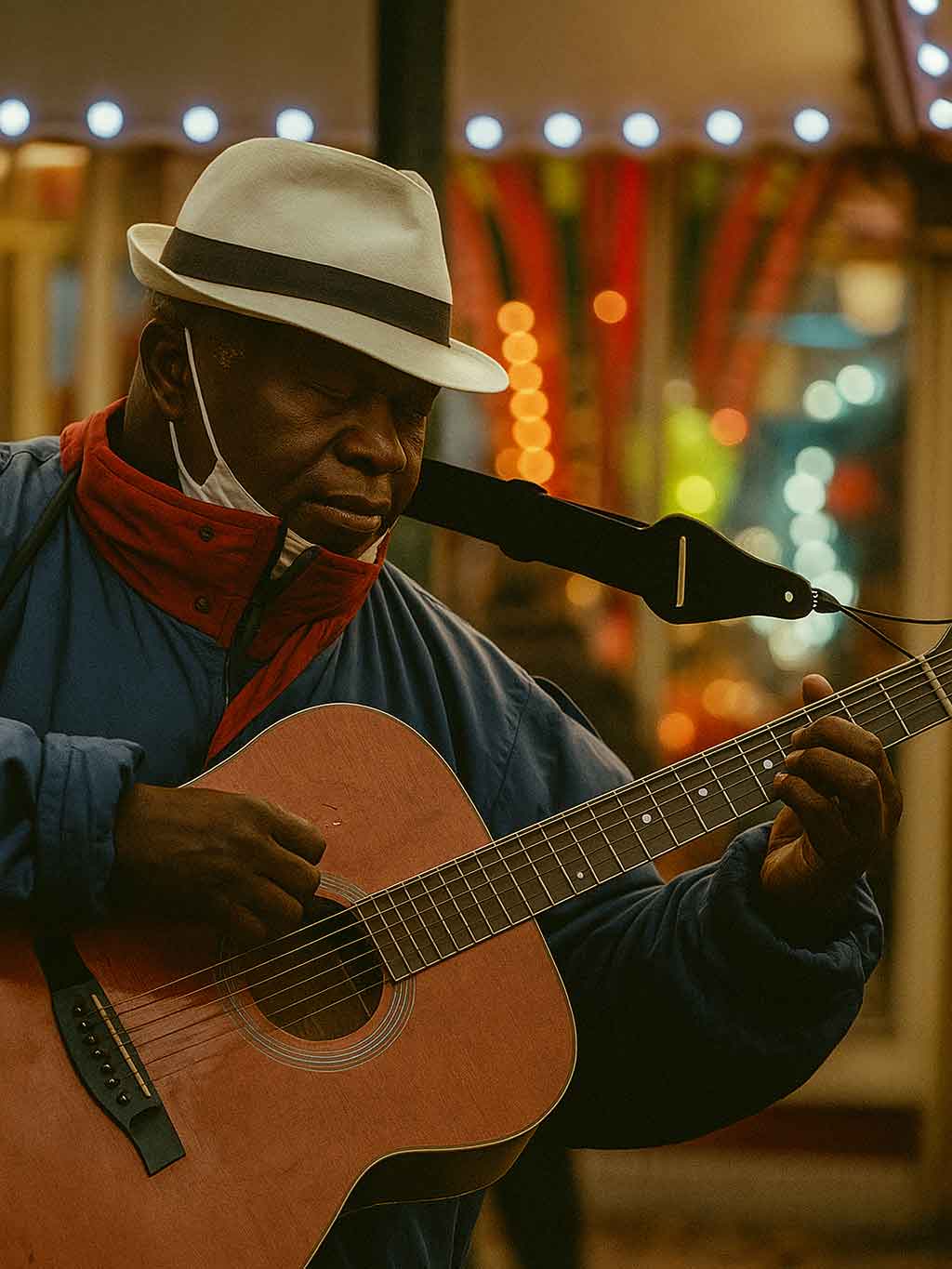
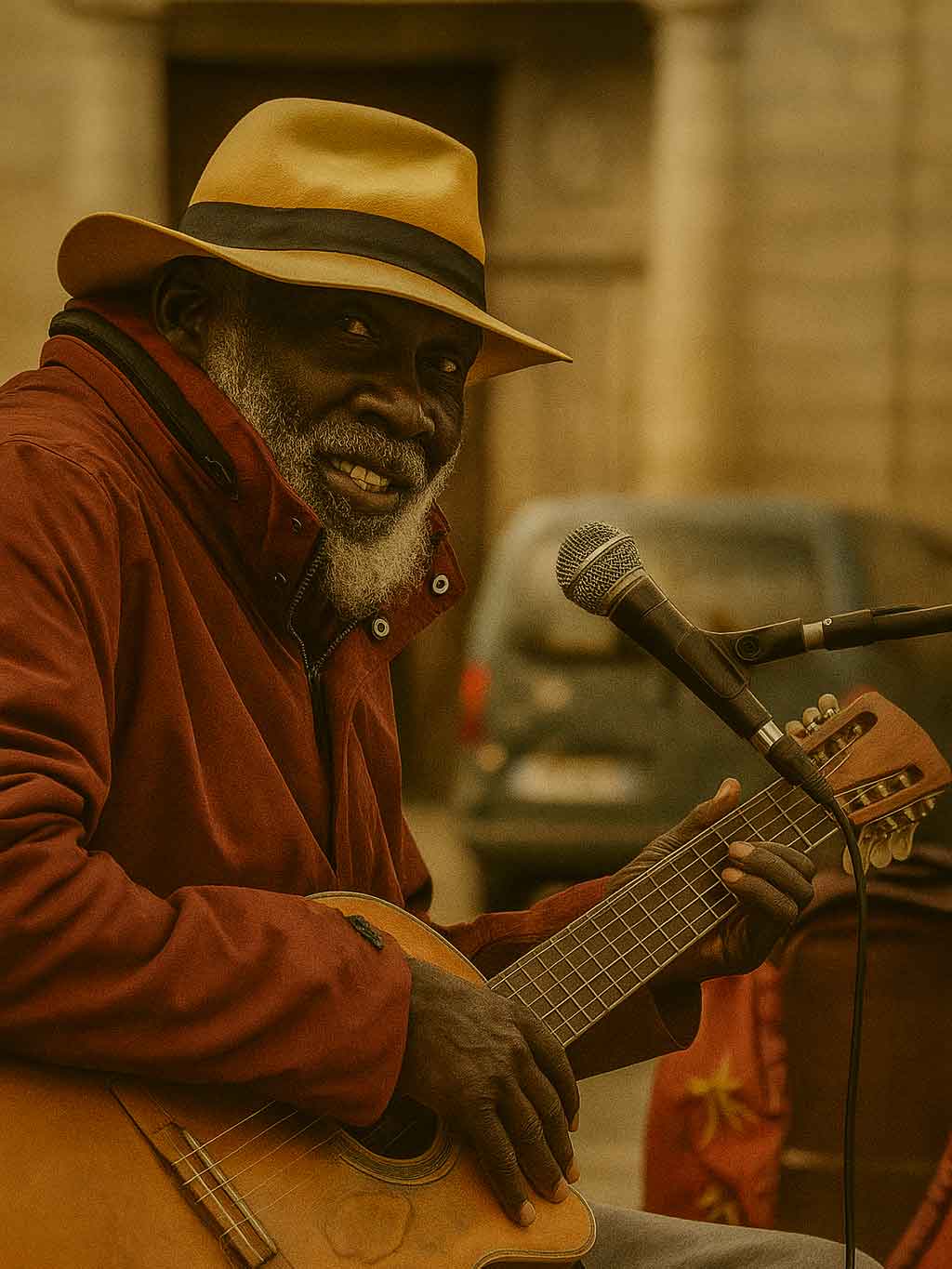
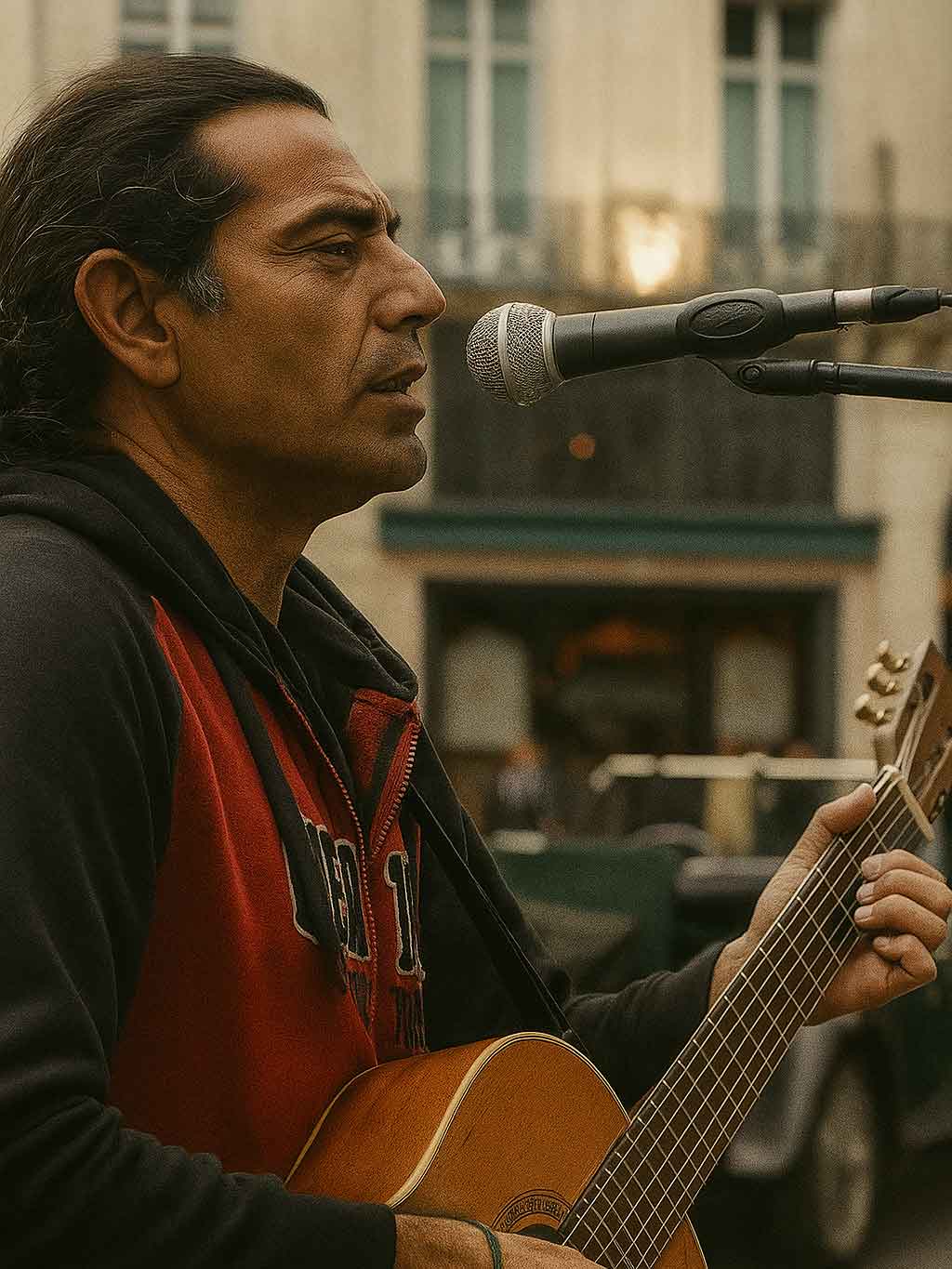

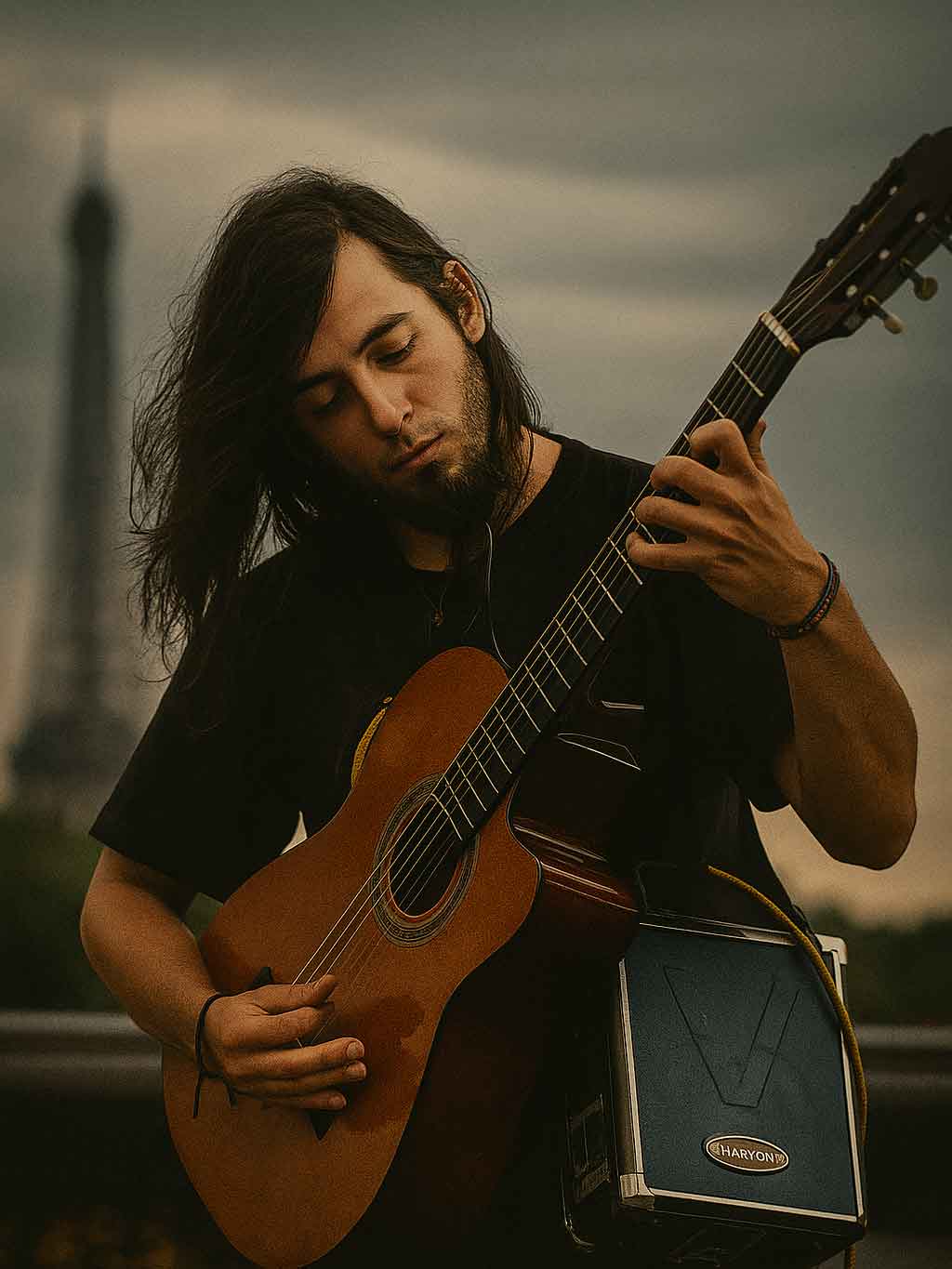
Events, shoots, and collective proofs in motion.




The makers of Paris: cafés, bakeries, workshops, bookshops.
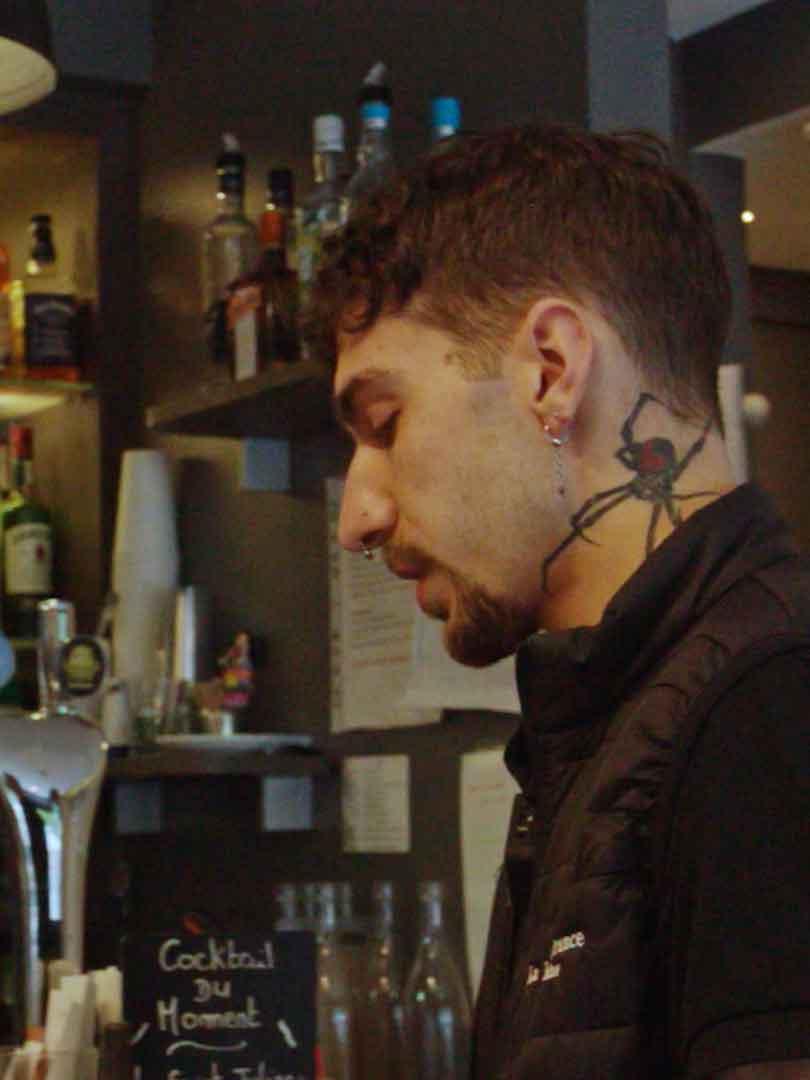
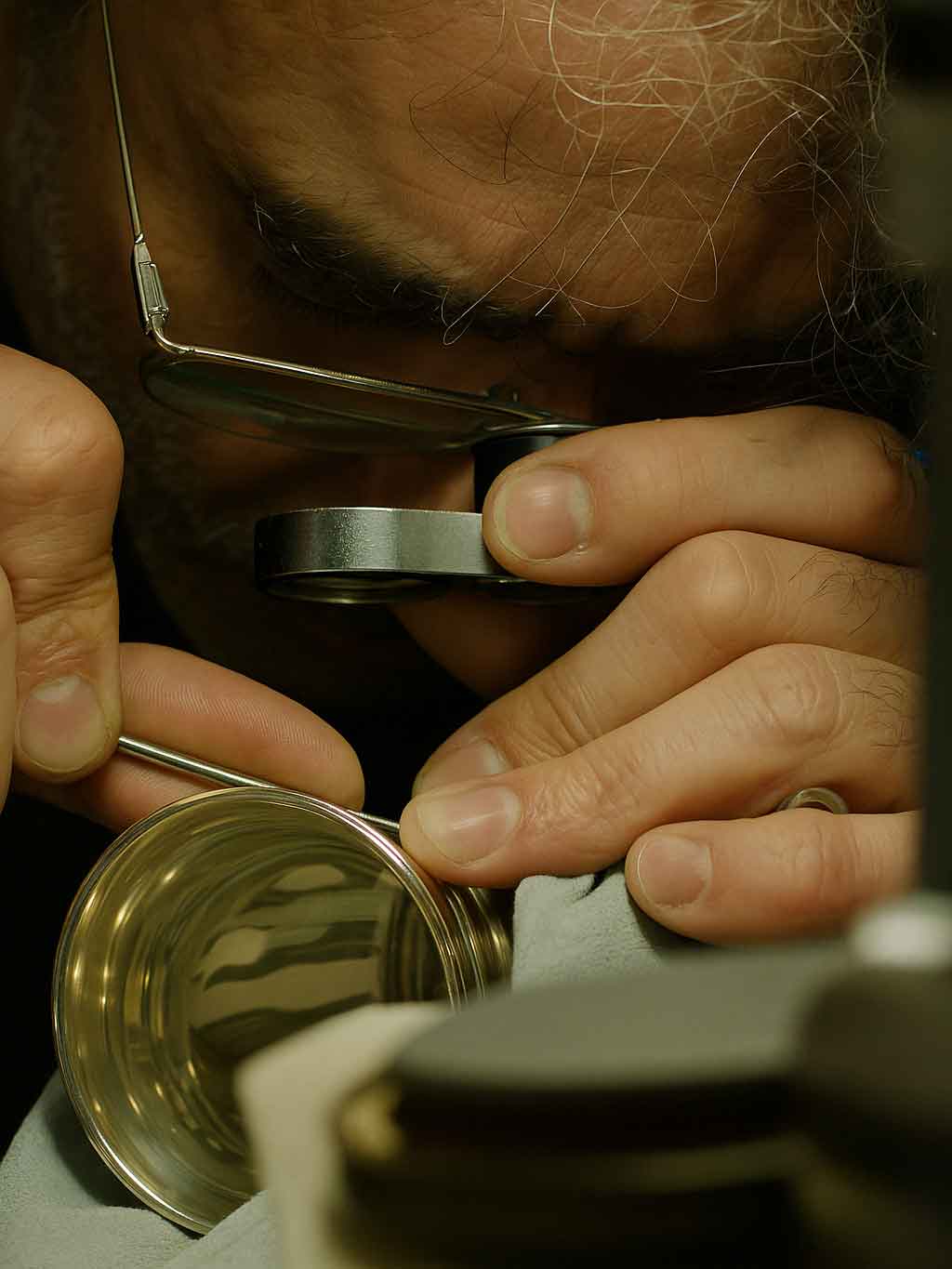
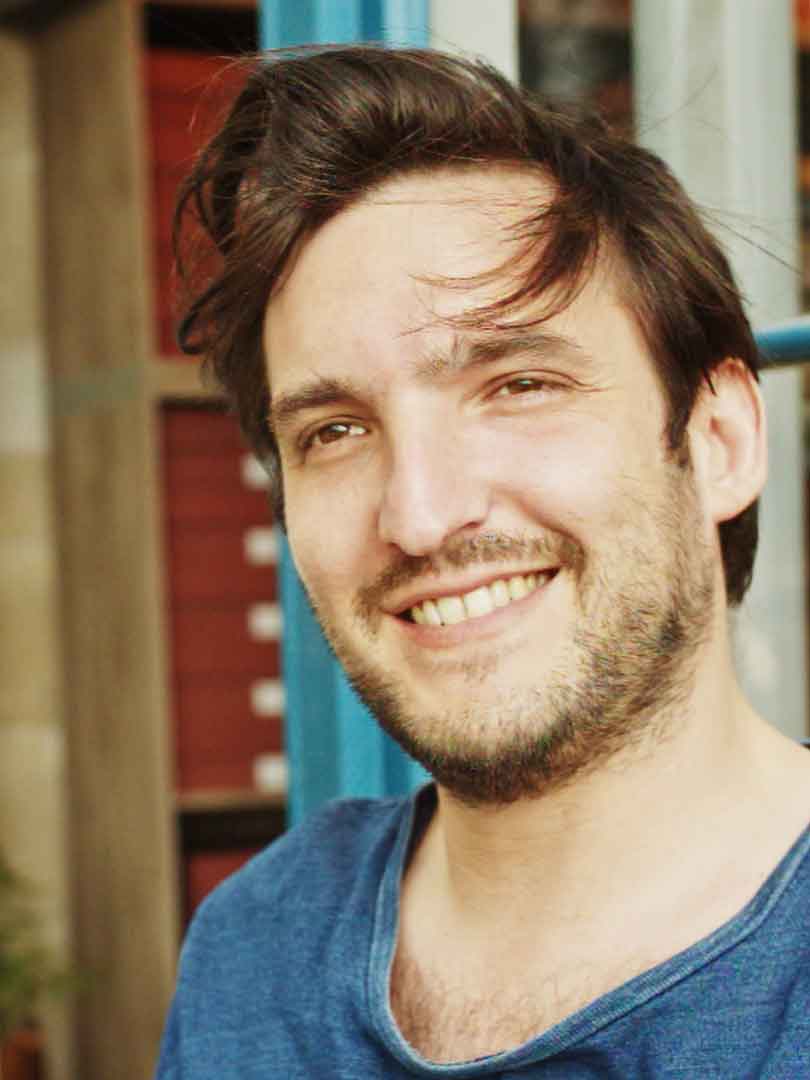
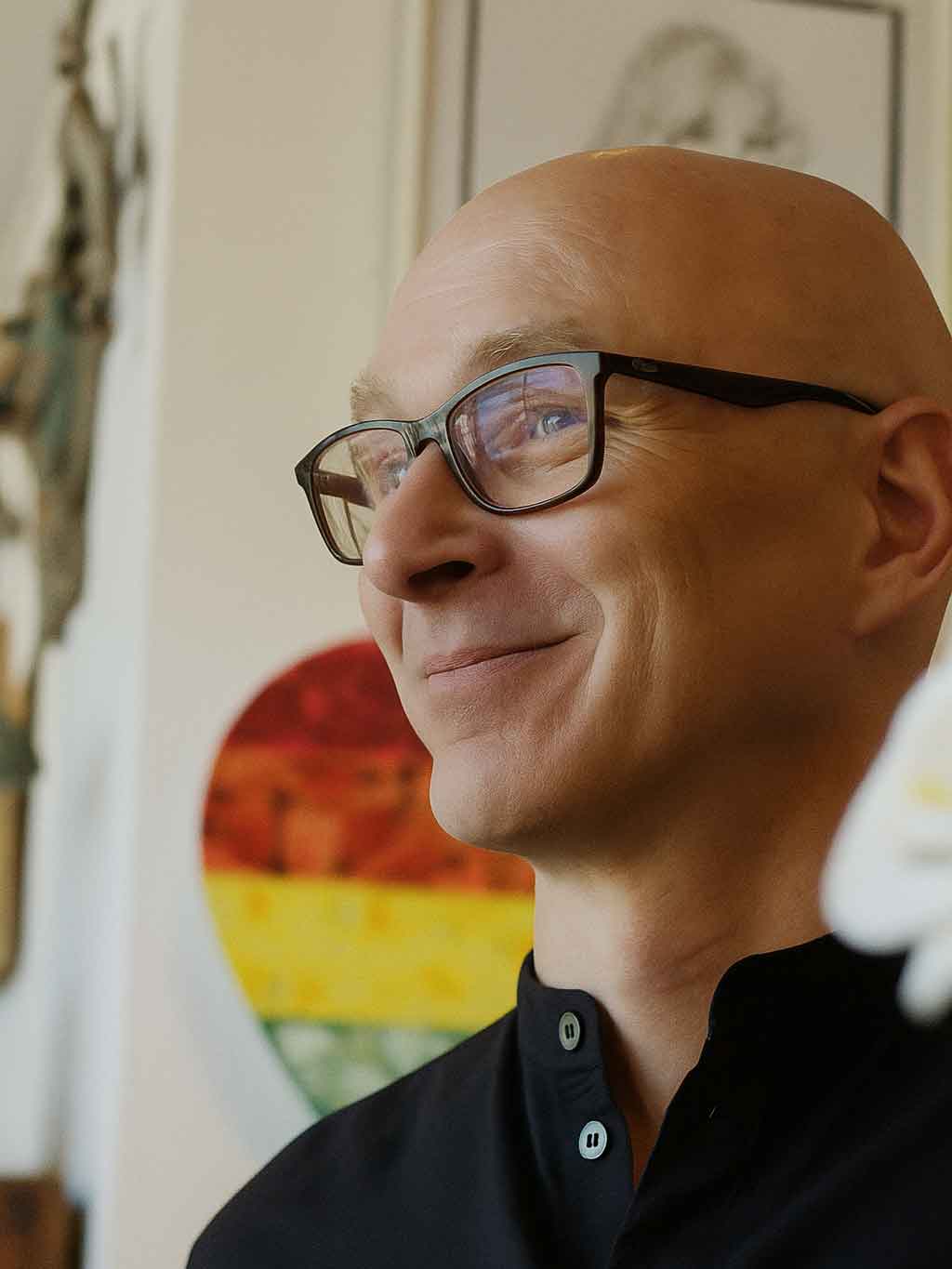
From dough to frame, from bean to cup: Paris at work.
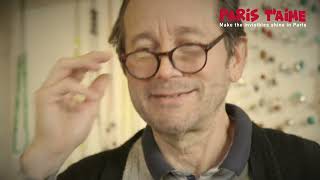
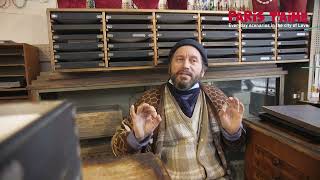
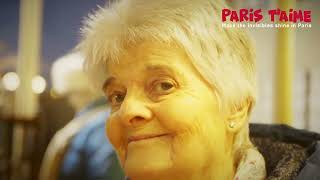
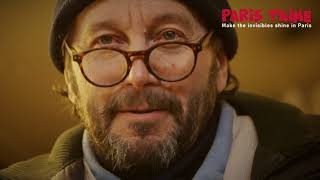
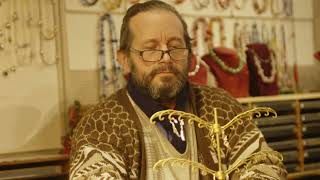


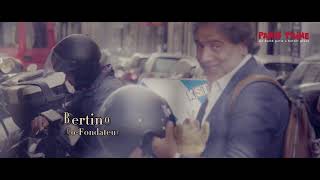
80 neighborhoods, one single question:
Type the name of a neighborhood and open its living film.
Places, dates, faces: traces of 240 years of fraternity.


Fraternity lived at human height.
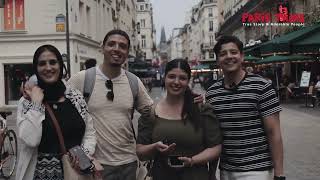



Paris T’aime n’est pas seulement un film ou un projet. Paris T’aime cherche à prouver que le cinéma peut encore reconnaître, relier et agir dans la vraie vie.
Paris T’aime n’est pas seulement un film ou un projet. Paris T’aime cherche à prouver que le cinéma peut encore reconnaître, relier et agir dans la vraie vie.
“Fraternity is the hope of humanity.”
Un jour, deux institutions ont contesté le nom « Paris T’Aime ».
Elles disaient qu’il ressemblait trop à « Paris je t’aime » ou « Paris vous aime ».
Ce n’était pas un obstacle, mais un message de Paris : garder l’amour clair, humble et humain.
J’ai souri. Ces trois phrases — je / tu / vous — sont notre manière de vivre ensemble.
Paris T’Aime est né pour prouver : Paris t’aime, pour de vrai.
La fraternité existe toujours.
C'est ici que la fable devient réalité.
Les preuves filmées et l'écosystème restent vivants,
pour que d'autres continuent à faire grandir la fraternité.
Paris je t’aime / Paris vous aime / Paris t’aime — voices of clarity.

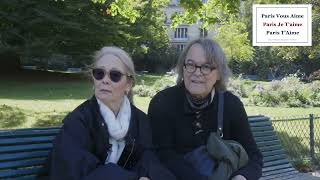


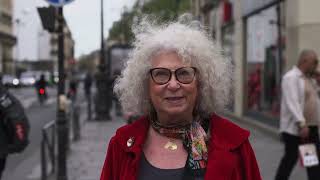
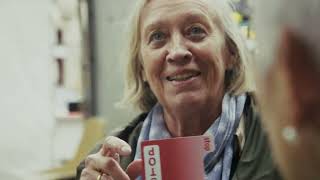
One question, one smile, one proof of humanity.


Choose a gesture to support.
From Paris to the world: breaths of kindness.


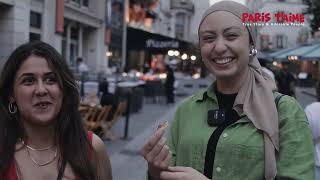
Useful and dynamic cinema
« I film the soul, the spirit, and the heart of Paris.
This is not a film about Paris.
It is Paris filming the world, through one man. »
1) A necessity born from reality Useful and dynamic cinema is born in the street, from human gesture and gratitude. It does not seek to observe, but to accompany. It is useful because it helps, and dynamic because it continues after the screening.
2) The method Film → Act → Recognize → Replay. Each film becomes a social act, each viewer a relay, each neighborhood a workshop of light. It is a horizontal cinema, at human height.
3) The extended legacy From Chaplin (active emotion) to neorealism (reconstructed truth), from Varda (gleaned tenderness) to Marker (living memory), Paris T’Aime extends these gestures in order to repair the social bond.
4) The response to the 21st century In the age of disposable images, it restores to the seventh art its primary function: serving the human being. This is not a film about Paris; it is Paris filming the world, through one man.
Simple proof: cinema can still love, connect, and heal.
After the manifesto comes the living archive: neighborhoods, portraits, artists, workers, street scenes, and the many gateways into the 80 neighborhoods of Paris.
“Paris is not a city, it’s a world.”
In every corner of the street, there is a story that deserves to be seen.
Select your favorite neighborhoods, languages, and themes.
Create and share your own Paris T’aime page!